
Definition of Terms for the Study
An In-Depth Look at Stenography Learning and Its Influence on BSOA Students at Kalinga State University
Key Takeaways
- Comprehensive Definitions: Each term is carefully defined to clarify its role in the study, from stenography techniques to academic performance measurement.
- Focused Context: Terms are contextualized for the Bachelor of Science in Office Administration (BSOA) program at Kalinga State University, emphasizing both theoretical and practical impacts.
- Holistic Approach: The definitions consider cognitive skills, technological interventions, and the learning environment to better understand their influence on student attentiveness and performance.
Introduction to the Study
The study “Examining the Impact of Stenography Learning on Students' Attentiveness and Performance of BSOA Students in Kalinga State University” aims to investigate the intricate relationships between the acquisition of stenography skills and various academic outcomes. This research explores the ways in which learning shorthand techniques can influence not only the proficiency in transcription and note-taking but also the overall attentiveness during classroom sessions. In doing so, this analysis provides a robust framework for understanding how specialized training impacts cognitive engagement and measurable academic performance.
Given the centrality of office administration tasks and the niche requirements of entities such as government bodies, legal institutions, and large corporations, stenography serves as a tool of critical importance. Learning stenography is not merely about acquiring a skill; it is about developing a set of cognitive abilities that include rapid information processing, active listening, and sustained concentration. This comprehensive set of terms is therefore crucial to creating a structured and meaningful context for interpreting findings that could potentially influence future educational practices and curriculum development at Kalinga State University.
Detailed Definition of Terms
Stenography
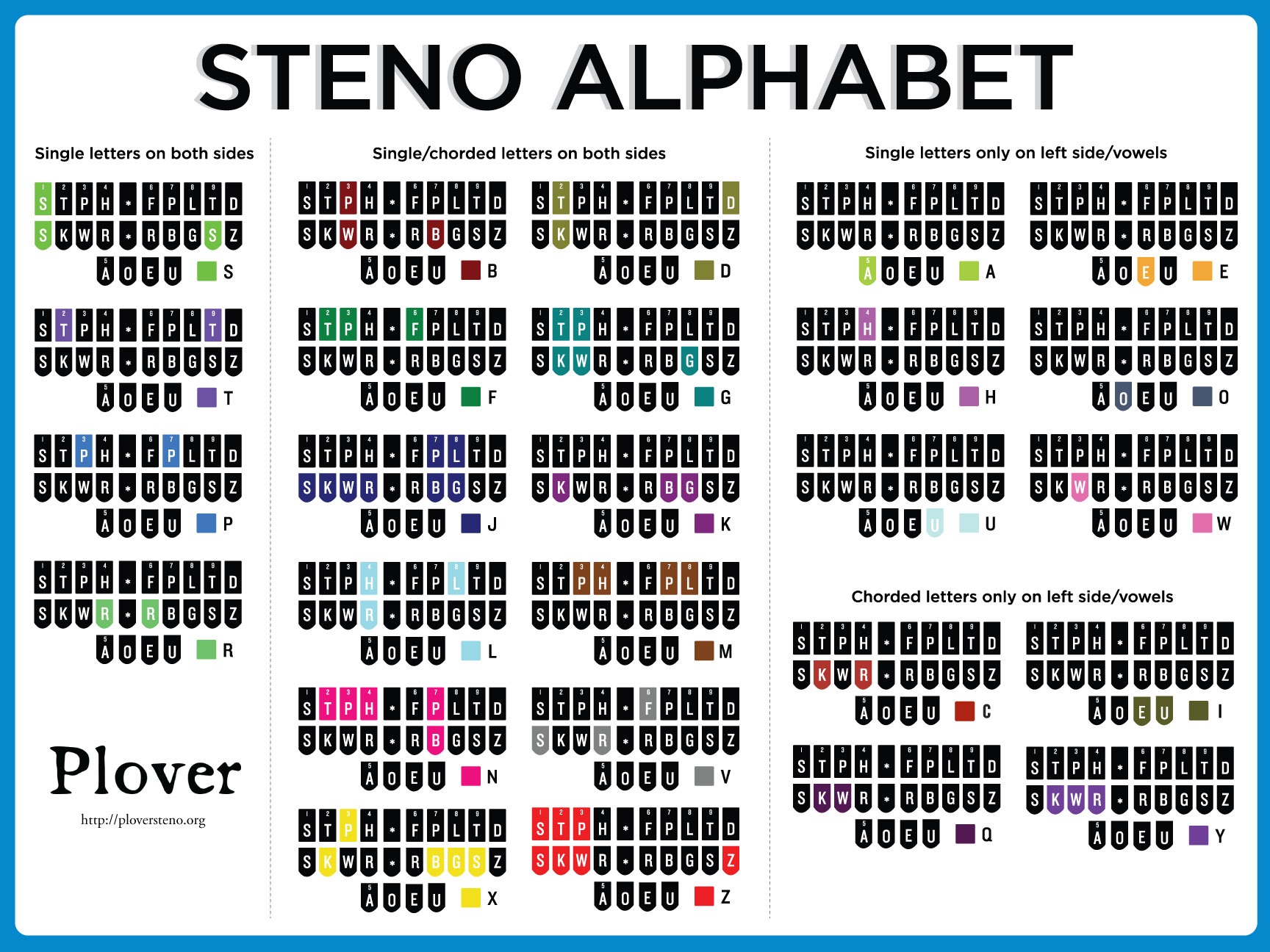
Stenography is defined as the method of writing in shorthand with the objective of capturing spoken information in real time. This form of transcription is typically practiced using specialized techniques—including both handwritten shorthand methods and advanced stenograph machines—that enable rapid notation. In the context of this study, stenography is not only viewed as a technical skill but also as a cognitive exercise that enhances speed, accuracy, and the ability to multitask during spoken communication.
Key Elements of Stenography
There are several important elements that contribute to the practice of stenography:
- Technique: The structured system of symbols and abbreviations used to record language quickly.
- Tools: The instruments used, such as stenograph machines or shorthand notebooks.
- Speed and Accuracy: Core performance metrics that determine proficiency; speed ensures swift transcription while accuracy guarantees the reliability of the captured information.
- Application: The utility of stenographic skills in various professional settings, including administration, legal proceedings, and live captioning.
Students’ Attentiveness
Attentiveness in this study is defined as the degree to which students maintain concentration and focus during learning sessions, especially during the practice and instruction of stenography. High levels of attentiveness are indicative of a student's ability to absorb new information, actively participate in lessons, and integrate practical skills through repetitive practice. This term is essential in the study as it helps differentiate between mere exposure to content and active cognitive engagement.
Components of Attentiveness
- Concentration: The sustained mental effort applied during the learning process.
- Engagement: Active participation in lessons, including both verbal and non-verbal cues that indicate understanding.
- Observation: Assessed through evaluations by instructors observing student behavior during lessons, as well as self-reported measures of students.
Enhancements in attentiveness can be attributed to the interactive nature of stenography learning where practical exercises, real-time transcription activities, and immediate feedback are provided. This active learning environment contributes substantially to cognitive development, which in turn is reflected in academic performance.
Academic Performance
Academic performance in the context of this study refers specifically to the measurable educational outcomes achieved by BSOA students. This includes both quantitative assessments, such as grades and test scores, and qualitative evaluations such as skill advancement in stenography. Special attention is given to the students’ ability to transcribe spoken language accurately and swiftly, as well as their overall performance in courses that integrate stenographic techniques.
Indicators of Academic Performance
- Grades and Scores: Numerical representations reflecting students' performance in stenography tests and related assignments.
- Skill Proficiency: The development and mastery of stenographic techniques measured through practical assessments.
- Application in Real-life Tasks: The ability of students to utilize their stenography skills in simulated or actual office environments.
Measuring academic performance in this field involves both traditional academic metrics and specialized performance tests that capture the unique skills developed through stenography training.
BSOA Students
BSOA students refer to individuals enrolled in the Bachelor of Science in Office Administration program at Kalinga State University. These students are being prepared for administrative roles in various professional settings where efficiency, precision, and the ability to manage information swiftly are critical. Their educational framework is structured to include courses that develop competencies in areas like stenography, which complement administrative training.
Profile of BSOA Students
- Curricular Focus: Emphasis on administrative skills integrated with practical training in stenography.
- Career Aspirations: Typically aimed at administrative, executive, or clerical positions where precision in documentation is required.
- Skill Integration: A blend of theoretical learning and hands-on practice, including case studies, internships, and real-time transcription exercises.
Kalinga State University
Kalinga State University is the academic institution where the study is conducted. It is recognized for its commitment to providing relevant and quality education across various disciplines, including the Bachelor of Science in Office Administration program. The university's curriculum is designed to integrate practical skill acquisition with theoretical knowledge, thereby preparing students for modern administrative challenges.
Institutional Role and Context
- Educational Environment: Kalinga State University is known for its supportive learning environment, advanced teaching methodologies, and a curriculum that emphasizes both knowledge and practical skills.
- Resource Availability: The institution provides access to modern technology, experienced faculty, and specialized training equipment such as stenograph machines for its students.
- Community and Professional Linkages: The university fosters relationships with industry partners, ensuring that students benefit from practical exposure and relevant work experiences.
Impact of Stenography Learning
Within this study, the impact of stenography learning is conceptualized as the influence or measurable change that the acquisition of stenographic skills exerts on students' attentiveness and academic performance. This impact is observed by comparing variables before and after the introduction of specialized stenography training.
Measuring Impact
- Cognitive Development: Assessment through changes in concentration levels, engagement rates, and overall learning efficiency in class.
- Skill Acquisition: Evidenced by improvements in transcription speed, accuracy, and overall shorthand proficiency.
- Academic Outcomes: Enhanced grades, improved test scores, and practical demonstration of learned skills in simulated work environments.
The study also considers both short-term impacts, such as immediate improvements in class performance, and long-term impacts, including the sustained ability to apply stenographic skills in professional settings.
Intervention Methods
An important aspect of this research is the incorporation of intervention methods that are designed to teach stenography. These methods involve both traditional classroom instruction and modern technological techniques aimed at improving the delivery and retention of information.
Components of the Intervention
- Structured Curriculum: A detailed syllabus that covers both theoretical and practical aspects of stenography.
- Practical Workshops: Sessions involving real-time transcription exercises, dictation practices, and individual feedback sessions.
- Technological Aids: Utilization of computer-assisted learning tools and specialized stenograph machines to enhance the learning process.
- Evaluation Metrics: Pre- and post-intervention assessments to gauge the effectiveness of the stenography training on both student attentiveness and performance.
The intervention is a critical component of the study, as it serves to establish a clear baseline for student performance and helps measure the tangible benefits of specialized training.
Learning Environment
The learning environment encompasses the physical, social, and psychological context in which stenography is taught. A conducive learning environment is vital for maximizing the impact of training, as it influences student engagement, access to resources, and overall satisfaction with the educational process.
Characteristics of the Learning Environment
- Physical Setting: Classrooms equipped with appropriate technologies, comfortable seating arrangements, and a quiet space conducive to concentration.
- Social Dynamics: Interactive teacher-student relationships, collaborative group work, and peer support mechanisms that encourage shared learning experiences.
- Psychological Safety: An environment that minimizes stress and encourages risk-taking, thereby allowing students to experiment with new skills without the fear of consequences.
- Access to Resources: Availability of instructional materials, digital tools, and continuous support from faculty to help reinforce learning.
An optimal learning environment is essential for sustaining student attentiveness and ensuring that the full benefits of stenography training are realized, thereby contributing to improved academic performance.
Competency in Stenography
Competency in stenography refers to the level at which students can efficiently and accurately execute shorthand techniques. It is measured by their proficiency in various areas including speed of writing, accuracy of transcription, and the ability to understand and implement complex shorthand symbols. This competency is echoed in practice tests, real-time dictation exercises, and overall academic assessments related to stenography.
Assessment of Competency
- Performance Metrics: Timed transcription tests and error analysis to determine proficiency levels.
- Skill Proficiency Levels: Grading based on speed, accuracy, and comprehension of advanced shorthand techniques.
- Continuous Improvement: Progress tracked over time to guide further development and tailor targeted remedial sessions if required.
Challenges in Learning Stenography
Despite its importance and usefulness, learning stenography is accompanied by several challenges. Students might face obstacles related to cognitive overload, difficulty in internalizing a new symbolic language, and balancing the dual demands of theoretical understanding and practical application. Such challenges can impact both attentiveness and academic performance if not adequately addressed through supportive teaching strategies.
Identified Challenges Include
- Complexity of Shorthand: The requirement to memorize a large set of symbols and abbreviations in a short period.
- Resource Limitations: Inadequate access to practice tools or personalized feedback, which can hinder skill development.
- Adaptive Learning: Difficulties in transitioning from traditional note-taking methods to the rapid pace demanded by stenography.
- Cognitive Demands: The mental strain associated with continuous concentration and split-second decision-making.
Comparative Analysis Table of Key Terms
| Term | Definition | Key Components |
|---|---|---|
| Stenography | A shorthand method for quickly capturing spoken information either manually or with a stenograph machine. | Techniques, Tools, Speed, Accuracy |
| Attentiveness | The capacity for focused and sustained concentration during learning tasks. | Concentration, Engagement, Observation |
| Academic Performance | Measurable outcomes of learning processes, including skills proficiency, grades, and overall test scores. | Grades, Proficiency, Application |
| Competency in Stenography | Proficiency level in executing stenographic techniques accurately and swiftly. | Performance Metrics, Skill Levels, Continuous Improvement |
Extended Discussion
Interconnection Between Terms
The multifaceted study of stenography’s impact on BSOA students involves understanding the interconnections among different terms. Stenography as a skill is deeply entwined with cognitive processes that govern student attentiveness. When students are immersed in learning such an intricate and fast-paced skill, their attention is inherently stimulated by the challenge of mastering a new symbolic language. This in turn fosters a higher degree of cognitive engagement.
The learning process is further enriched by the context provided by the BSOA program, where practical applications of stenographic skills are not isolated from general academic performance. Rather, mastery in stenography often complements administrative capabilities—such as rapid decision-making, precision in documentation, and the effective handling of complex information. These competencies not only enhance the quality of note-taking but also contribute to overall academic performance in office administration courses.
Role of the Intervention in Enhancing Outcomes
One of the key facets of this study is to evaluate the intervention methods used in teaching stenography. A well-designed intervention program, which might include a mix of direct instruction, practical exercises, and technological support, helps expose students to a structured learning environment. This systematic approach allows for incremental development of skills, while also providing the opportunity to measure and enhance students’ attentiveness and overall engagement.
During the intervention, regular assessments and feedback serve as catalysts for improvement. The continuous cycle of instruction, practice, and evaluation creates a positive feedback loop where students are encouraged to develop a higher level of proficiency. This process not only increases their speed and accuracy in stenography but also sharpens their cognitive skills, enabling them to better integrate and apply the knowledge across multiple aspects of their academic curriculum.
Technological Integration and Learning Environment
A modern learning environment that leverages technology plays a crucial role in the successful acquisition of stenographic skills. The use of stenograph machines and digital training modules are examples of how technology can support traditional classroom methods. These resources provide students with real-time feedback and allow for individualized pacing in learning. With the incorporation of these technological aids, students have access to a more interactive and flexible learning environment.
Additionally, the physical and psychological aspects of the classroom setting contribute to an enriched learning atmosphere. Adequately designed spaces equipped with proper attention to acoustics, lighting, and ergonomic seating can mitigate distractions and help students maintain prolonged focus. Thus, the learning environment is a critical factor that influences both students’ attentiveness and their ability to effectively absorb complex information communicated during stenography lessons.
Assessment and Evaluation Framework
An effective assessment framework is central to quantifying the impact of stenography learning on overall academic performance. This framework typically involves both formative and summative assessments. Formative assessments, such as ongoing quizzes and real-time transcription practice, help in identifying immediate areas for improvement. Summative assessments, including final examinations and practical tests, provide a more comprehensive overview of the skills acquired.
Evaluative measures are designed to gauge the efficacy of the intervention in multiple dimensions: rapid recall, detailed accuracy, and the ability to perform under pressure. By comparing outcomes from different assessment periods, educators can determine the efficacy of instructional techniques and make necessary adjustments to the curriculum or teaching methodologies.
Implications for Future Practice
The extensive definitions and interrelated concepts in this study hold significant implications for future educational practices. First, a more refined understanding of how stenography training influences cognitive abilities can lead to targeted interventions that improve attentiveness. Second, the identification of key challenges, such as complexity in learning and resource limitations, informs educators on potential areas requiring additional support or innovative teaching approaches.
Moreover, these insights can facilitate curricular reforms that integrate stenography more seamlessly into the broader framework of office administration education. Future research might explore further enhancements by combining traditional classroom instruction with emerging technologies such as virtual reality simulations for transcription exercises. Such avenues of exploration could yield even more effective methods for developing the competencies required for modern administrative roles.
Conclusion
In summary, this comprehensive definition of terms provides an in-depth framework for examining the multifaceted impact of stenography learning on the attentiveness and academic performance of BSOA students at Kalinga State University. By clearly defining concepts such as stenography, attentiveness, academic performance, and related components of the learning environment and intervention strategies, the study establishes a solid basis for empirical evaluation. The interplay between technology, pedagogical strategies, and cognitive development forms the backbone of this research, offering critical insights that have the potential to enhance educational practices and ultimately improve both the immediate learning outcomes and long-term administrative competencies of students.
The integration of detailed assessments, a supportive learning environment, and tailored teaching interventions ensures that the impact of stenography training can be effectively measured and understood. As outcomes continue to inform future educational practices, it becomes evident that investing in such specialized training holds promise not only for improving academic performance but also for preparing students for the evolving demands of modern administrative roles.
References
- Article on Stenography Impact - Tandfonline
- CliffsNotes on Academic Concepts - CliffsNotes
- Academic Writing Technique - Studocu
- Academic Writing Technique in Higher Education - ResearchGate
- IJRES Paper on Stenography Learning - IJRES
More
Last updated February 19, 2025