
Definition of Terms in the Study of Stenography Impact
Comprehensive Analysis of Stenography Influence on Student Attentiveness and Performance
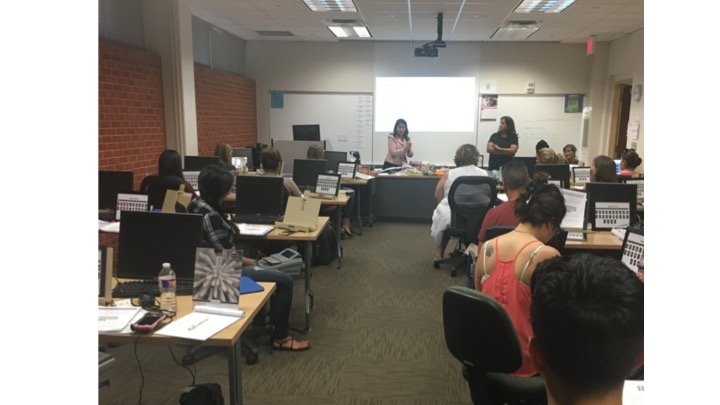
Key Takeaways
- Clarity in Definitions: Detailed definitions of stenography, attentiveness, performance, BSOA students, and contextual influence at Kalinga State University.
- Integrated Impact Analysis: Examination of how stenography learning techniques affect student focus and academic outcomes through multifaceted definitions.
- Pedagogical and Professional Relevance: Discussion on the significance of these definitions in reshaping teaching methods, curriculum design, and enhancing professional readiness.
Introduction
This document provides a detailed analysis of the definitions of several essential terms utilized in the study examining the impact of stenography learning on the attentiveness and performance of BSOA (Bachelor of Science in Office Administration) students at Kalinga State University. The study is designed to understand the interrelationship between the acquisition of stenographic skills and the subsequent effects on students’ classroom attentiveness and overall academic proficiency.
Over time, the relevance of shorthand techniques has remained significant, particularly in specialized administrative and secretarial education. The focus on stenography learning extends beyond simply acquiring a niche skill, highlighting its contribution to enhancing student engagement, accuracy in note-taking, and efficient information processing. This study helps bridge the gap between traditional administrative education and modern pedagogical improvements, aiming to create a richer learning experience for BSOA students.
Understanding Key Terms
In any academic inquiry, especially when evaluating the impact of an educational intervention, precise definitions of the key terms are crucial to maintain clarity and focus. The following sections provide in-depth definitions of terms that frame the study, enabling a clear understanding of the relationships and processes involved.
Stenography
Definition and Historical Context
Stenography, commonly known as shorthand, is a method that involves rapid writing through the use of symbols, abbreviations, and special characters. By condensing traditional writing into a series of concise strokes or symbols, stenography allows the transcription of spoken language into written form at high speeds, which proves invaluable in environments like court reporting, live transcription, and professional secretarial work. The origins of this method can be traced back to ancient civilizations where methods to shorten speech transcription emerged, and over centuries it has evolved into a refined and standardized skill taught in many institutions.
Application in Modern Education
Within the scope of the Bachelor of Science in Office Administration curriculum, stenography is not merely a technical skill but also serves as a tool to bolster other academic areas. For instance, the practice of shorthand encourages quick cognitive processing, which in turn can improve note-taking efficiency and overall information retention. Through regular practice, students can improve their ability to capture key points during lectures, meetings, or any form of verbal communication. This proficiency is essential for academic success as well as for professional performance in roles requiring fast-paced data or information management.
Attentiveness
Concept Overview
Attentiveness refers to the degree to which students are able to focus, concentrate, and actively engage with the instructional material. In the context of this study, attentiveness is measured through the ability to maintain focus during lectures or practical sessions involving stenography. More specifically, it encompasses cognitive engagement, which involves the active processing of information, as well as sustained concentration and interest in the subject being taught.
Relevance to Stenography Learning
The acquired skill of stenography can directly influence a student’s attention span and cognitive absorption. Given that stenography requires immediate translation of verbal communication, students are compelled to be highly focused during the learning process. This method of note-taking is inherently demanding and thereby acts as an effective training mechanism, pushing students to enhance their attentiveness. In practical terms, improved attentiveness is gauged by the student's ability to accurately capture content in real-time and their increased engagement in learning activities.
Performance
Defining Academic and Practical Performance
Performance, in the educational context of this study, refers to the measurable outcomes of student learning and the efficiency with which they apply the skills acquired through stenography training. It is primarily evaluated on two fronts: academic performance and practical application of stenographic skills.
Academic performance may include traditional measures such as grades, proficiency in note-taking during examinations or lectures, and overall improvements in transcription speed and accuracy over time. Additionally, performance encompasses the students' ability to integrate stenography into everyday academic activities, thereby enhancing their overall productivity and comprehension.
Metrics and Assessment
Evaluation of performance can involve various metrics including, but not limited to, the number of words transcribed per minute, the error rate observed during transcription tests, and the overall progression in shorthand proficiency. A well-structured evaluation is crucial for quantitatively assessing how effectively the acquired stenography skills translate into improved academic outcomes.
BSOA Students
Profile of the Subject Group
Bachelor of Science in Office Administration (BSOA) students are individuals enrolled in a specialized academic program aimed at equipping them with the skills required for managing administrative tasks in modern offices. These students often have a curriculum that spans various subjects including business communication, office technology, and management principles.
In the context of this study, BSOA students are not just learning theoretical aspects of administration but are also undergoing practical training in stenography. This multidisciplinary approach is designed to develop competencies that are essential for success in administrative and secretarial careers.
Educational Context and Professional Readiness
The integration of stenography in the BSOA program at Kalinga State University is instrumental in enhancing both the academic and practical competencies of the students. It prepares them for the workplace by providing a competitive edge in transcription and fast note-taking skills, which are highly valued in the administrative sector.
Kalinga State University
Institutional Overview
Kalinga State University, located in the province of Kalinga in the Philippines, serves as the academic setting for this study. The university is known for its diverse academic offerings and its commitment to fostering educational environments that encourage the application of both traditional and modern methodologies.
The institution plays a significant role by providing the necessary resources, infrastructure, and academic support required to implement and analyze innovative educational practices such as integrating stenography into the BSOA curriculum. The unique cultural and academic environment at Kalinga State University also presents an interesting context for studying the impact of stenography on student performance and attentiveness.
Impact of Stenography Learning
Conceptual Framework
The term “impact” in this study refers to the measurable change in student behavior and academic outcomes as a result of learning stenography. Impact is analyzed by comparing the students' attentiveness and performance before and after the introduction of stenography training into the curriculum.
The multifaceted impact of stenography learning includes improvements in cognitive focus, the speed and accuracy of note-taking, and overall academic achievement. Through systematic evaluation—employing both qualitative observations and quantitative assessments—the study examines how stenography as a skill not only aids in rapid transcription but also cultivates a higher degree of engagement and academic success.
Hypotheses and Research Questions
The research underpinning this study explores several hypotheses:
- Null Hypothesis: There is no significant relationship between stenography learning and the attentiveness or academic performance of BSOA students.
- Alternative Hypothesis: Acquisition of stenography skills has a positive influence on both the attentiveness and overall academic performance of BSOA students.
The hypotheses serve as a basis for evaluating whether the implementation of stenography training brings about statistically significant changes in how students approach their academic responsibilities and whether such changes directly correlate to improved educational outcomes.
Integrative Analysis and Practical Evaluation
To thoroughly evaluate the impact of stenography learning, it is imperative to integrate both theoretical definitions and practical outcomes. This comprehensive definition of terms sets the foundation for a research study that carefully examines how each element plays into an overall pattern of academic improvement.
The integrated analysis involves juxtaposing traditional measure-based assessments with real-time performance indicators such as transcription speed and error frequency. Such a dual approach enables educators and academic managers to identify how cognitive functions are sharpened by the practical demands of stenography, ultimately fostering an environment where learning techniques are streamlined with performance improvement.
For example, introducing stenography in a classroom setting often requires students to process and condense information rapidly. This is not only an exercise in memorization but also in cognitive agility. When a student listens, processes, and transcribes concurrently, there is a noticeable enhancement in their ability to simultaneously manage multiple streams of information. This cognitive multitasking naturally improves their overall academic performance.
Practical Evaluation Metrics
Performance metrics are essential to assess the efficacy of stenography learning. Common quantitative measurements include:
- Transcription Speed: Measured by the number of words per minute a student can accurately transcribe.
- Error Rate: The frequency of mistakes made during transcription exercises.
- Retention and Comprehension: Assessed through follow-up tests and qualitative evaluations of the students’ understanding of the material.
- Academic Grades: Changes in overall academic performance before and after stenography training.
Additionally, observational assessments conducted by instructors, coupled with feedback from the students, help in creating a complete picture of how attentiveness and performance shift in response to stenography training.
Benefits of Enhanced Attentiveness
There are several educational benefits that arise from enhanced attentiveness during stenography training:
- Improved Cognitive Function: Engaging in fast-paced learning activities necessitates higher cognitive involvement, thereby improving mental processing speeds.
- Enhanced Note-Taking: A sharper focus during lectures leads to more efficient note-taking, which is invaluable in academic settings.
- Better Information Retention: Students who maintain strong attentiveness tend to better retain and recall information.
The cognitive demands of precise transcription foster an environment where students not only learn to write faster but also develop deeper engagement and a clearer understanding of the instructional material.
Pedagogical Implications
The integration of stenography into the BSOA curriculum is not merely about acquiring a technical skill but also about transforming students’ approach to learning. It encourages a shift from passive learning to active engagement. As students are required to rapidly process information, they begin to develop patterns of critical thinking and concentration that are transferable to other academic subjects.
Educators can employ the findings from such a study to tailor their instructional methods. For instance, lessons that incorporate interactive transcription exercises can be used to stimulate student engagement, making the classroom environment more dynamic and conducive to high attainment levels.
Comparative Analysis with Supplementary Tools
In exploring the effect of stenography on student performance, it is useful to view the practice through a comparative lens alongside other educational tools. While conventional note-taking can be effective, the speed and precision of stenography stand out as advanced techniques that facilitate quicker processing of lectures. A comparative analysis table is provided below:
| Aspect | Conventional Note-Taking | Stenography Learning |
|---|---|---|
| Speed | Moderate pace, limited by the speed of handwriting | High-speed transcription, enabling real-time recording |
| Accuracy | Prone to missed details or errors, especially during fast discussions | Structured system reduces error rate, with continual practice improving precision |
| Cognitive Engagement | May include passive listening if note-taking is mechanical | Requires active engagement and real-time processing |
| Professional Utility | Useful but less specialized for roles in administrative services | Highly valued in specialized roles such as court reporting, secretarial work, and administrative services |
This comparative table underlines why stenography is seen not only as a beneficial academic skill but also as an important professional competency that distinguishes BSOA students in their future careers.
Integrating Definitions into Research Outcomes
When the precise definitions of key terms such as stenography, attentiveness, performance, and the profile of BSOA students are clearly understood, they lay the groundwork for designing effective research methodologies. Such clarity enables educators and researchers to:
- Design targeted curriculum interventions that make the best use of stenography techniques.
- Develop reliable assessment tools to measure changes in cognitive engagement and academic performance.
- Identify relationships between traditional note-taking practices and modern transcription methods.
- Implement training programs that are tailored to maximize both academic and professional outcomes.
Methodological Considerations
In evaluating the definitions provided, researchers must consider both quantitative and qualitative approaches. Quantitative data may include transcription speed measurements and error rates, while qualitative feedback could be drawn from student surveys and instructor observations. This blended methodology not only validates the impact of stenography on attentiveness but also provides a holistic view of its contribution to overall performance.
Additionally, conducting pre-and post-training evaluations enables the analysis of how effective stenography is as an educational tool. This dual approach is critical in substantiating whether improvements in note-taking and cognitive engagement directly correlate with enhanced academic results.
Broader Implications and Future Directions
The definitions and the conceptual framework laid out in this study have broader implications for the field of education and professional training. For BSOA students, acquiring stenography skills is not solely about mastering an alternative note-taking method—it is about fostering a methodical approach to learning that nurtures heightened attentiveness, critical thinking, and professional aptitude.
The successful integration of stenography into educational programs may pave the way for further research into how specialized skills enhance cognitive performance in other academic disciplines. This paradigm shift has the potential to influence curriculum development strategies at various educational levels, leading to more dynamic and efficient learning environments.
Moreover, as technological advancements continue to evolve, traditional stenography could be augmented with digital tools and transcription software. Future research might explore the intersections between human stenographic skills and technology-assisted transcription, offering a comprehensive model of learning that maximizes efficiency and precision.
Professional and Career Outcomes
Beyond academic performance, the practice of stenography plays a significant role in shaping career readiness. Administrative roles today demand efficiency, accuracy, and the ability to handle high-pressure information management tasks. By developing acute transcription and note-taking skills, BSOA students become better prepared for the demands of their future professional environments.
Enhanced attentiveness, nurtured through rigorous stenography training, translates to better performance in high-stakes settings such as corporate meetings, legal proceedings, and administrative offices. The potential for improved job performance makes this study relevant not only to educators but also to future employers seeking graduates with a diverse skill set.
Conclusion
In summary, the definitions of key terms such as stenography, attentiveness, performance, BSOA students, and the contextual environment at Kalinga State University, provide a robust framework for evaluating the impact of stenography learning. Through a systematic understanding of these definitions, this study examines how acquiring stenographic skills can enhance cognitive engagement, refine note-taking abilities, and improve overall academic performance.
The comprehensive analysis highlights that the integration of stenography into the curriculum not only benefits academic performance but also equips students with critical professional competencies. Enhanced attentiveness during stenography learning, when coupled with rigorous skill evaluation, indicates that such training can have a profound, positive effect on students’ ability to process information quickly and accurately. Ultimately, this study contributes valuable insights into how specialized learning techniques like stenography can be effectively incorporated into academic programs to optimize both educational and future career outcomes.
References
- Patino Kodigodocx - Course Hero
- Local Media 964830952058456397doc - Course Hero
- Skills Proficiency and Marketability of BSOA - Academia.edu
- IJRES Paper - IJRES
- Generals Group Final Thesis - Scribd
- Tandfonline Article - Tandfonline
- IJRES Paper Issue 1 - IJRES
- Rolecatcher Stenography - Rolecatcher
More
Last updated February 19, 2025