
Unlocking Culinary Confidence: A Deep Dive into Student Cooking Challenges
Understanding and addressing the core hurdles students face in mastering foundational cooking skills.

- 1.Key Insights into Student Cooking Difficulties
- 2.Pinpointing Core Culinary Hurdles: A 10-Item Student Questionnaire
- 3.Deep Dive into Specific Areas of Struggle
- 4.Understanding the Broader Impact of Cooking Skill Deficits
- 5.Strategies for Supporting Student Culinary Development
- 6.Comparative Analysis of Foundational Cooking Skills
- 7.Frequently Asked Questions About Student Cooking Challenges
- 8.Conclusion: Empowering Future Cooks
- 9.Recommended Further Exploration
- 10.Referenced Search Results
Key Insights into Student Cooking Difficulties
- Recipe Comprehension and Execution: Many students struggle with accurately interpreting and following recipes, including precise measurements and sequential steps.
- Fundamental Skill Gaps: Significant challenges arise from a lack of proficiency in basic techniques like knife skills, heat management, and proper seasoning, often leading to inconsistent results.
- Time and Resource Management: Effective time allocation, organization of ingredients and equipment, and planning meals within budget constraints are common stumbling blocks for aspiring student cooks.
Learning to cook is a fundamental life skill, yet many students encounter significant barriers when attempting foundational culinary tasks. These difficulties stem from a combination of skill gaps, lack of confidence, and external pressures such as time constraints and budget limitations. By identifying these common challenges, educators and support systems can develop targeted interventions to foster greater culinary independence and healthier eating habits among students.
Pinpointing Core Culinary Hurdles: A 10-Item Student Questionnaire
Assessing student proficiency and confidence in essential kitchen tasks.
To effectively gauge the specific difficulties students face in foundational cooking, a structured questionnaire can be invaluable. The following 10 items, designed for a Likert scale response (e.g., 1 = Never, 5 = Always), cover a broad spectrum of common challenges identified in various studies and expert observations. This allows for a nuanced understanding of where students need the most support.
Questionnaire for Foundational Cooking Task Difficulties
- Recipe Reading and Following: How confident are you in your ability to understand and accurately follow a recipe, including all instructions and measurements?
- Knife Skills and Safety: Do you experience challenges with safely and effectively using knives for basic tasks like chopping, slicing, or dicing?
- Heat Management: How difficult is it for you to control and maintain the correct heat level on a stovetop or in an oven to prevent undercooking or burning?
- Accurate Measurement: Do you struggle with accurately measuring ingredients using standard tools like cups, spoons, or scales?
- Ingredient Knowledge and Preparation: How confident are you in identifying, preparing, or understanding the function of common cooking ingredients?
- Food Safety Practices: Are you concerned about or do you struggle with understanding and implementing proper food safety measures (e.g., preventing cross-contamination, correct storage temperatures)?
- Time Management in the Kitchen: Do you find it difficult to manage your time effectively while cooking, such as coordinating multiple steps or completing a dish within a set timeframe?
- Seasoning and Flavor Balance: How challenging is it for you to season food appropriately and achieve a balanced flavor profile (not too bland, not too salty/spicy)?
- Kitchen Equipment Familiarity: Do you feel comfortable and knowledgeable about using standard kitchen tools and equipment (e.g., pots, pans, mixers, thermometers)?
- Pre-cooking Organization: Do you find it hard to plan and organize ingredients, equipment, and cooking steps before you begin preparing a dish?
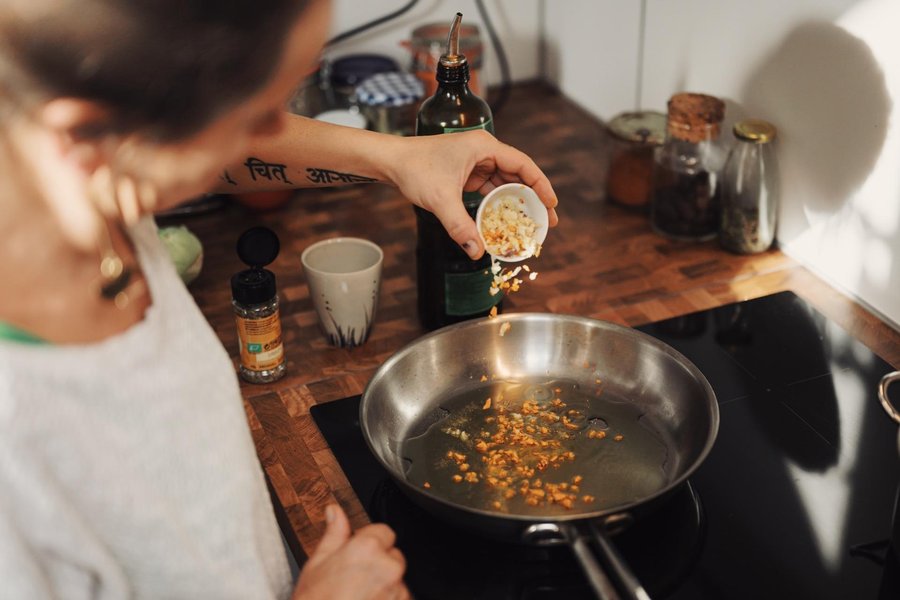
Understanding and preparing ingredients is a common hurdle for many new cooks.
Deep Dive into Specific Areas of Struggle
Breaking down the complexities of culinary foundational skills.
The Nuances of Recipe Comprehension
Beyond simply reading words, recipe comprehension involves interpreting jargon, understanding abbreviations, and visualizing the cooking process. Many students, especially those new to cooking, may find the language of recipes opaque or the step-by-step instructions difficult to follow sequentially. This can lead to confusion, errors in execution, and ultimately, a disappointing end product. The ability to break down a recipe into manageable tasks and anticipate upcoming steps is a learned skill that often requires explicit teaching and practice.
Mastering Basic Techniques: The Cornerstone of Cooking
Fundamental techniques are the building blocks of all cooking. Knife skills, for instance, are not just about speed but about safety, consistency, and efficiency. Poor knife skills can lead to unevenly cut ingredients, affecting cooking time and final texture, not to mention posing a significant safety risk. Similarly, managing heat effectively is crucial. Understanding how different temperatures affect various ingredients and adjusting heat sources accordingly prevents common issues like burnt exteriors with raw interiors or overly dry dishes. These techniques, while seemingly simple, require hands-on practice and immediate feedback to develop proficiency.
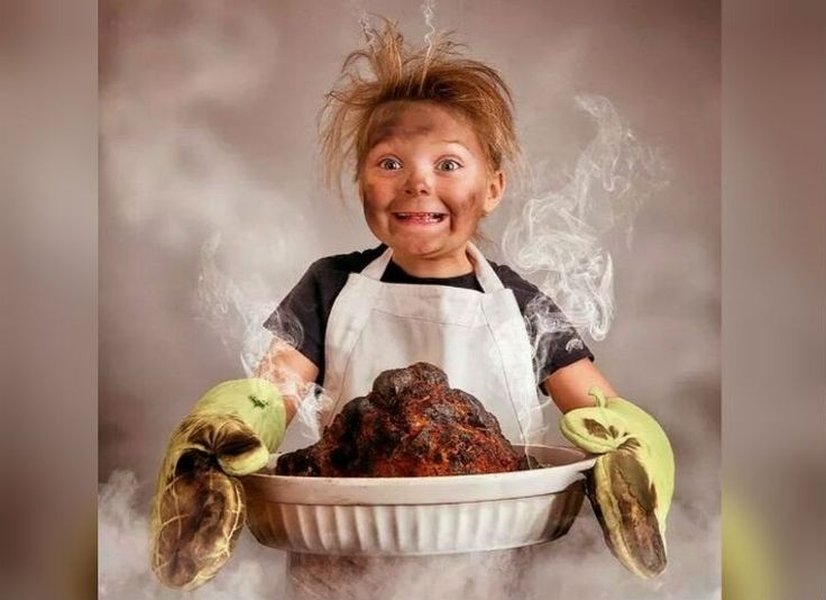
Common cooking mistakes often stem from a lack of fundamental technique or understanding.
The Art of Seasoning and Flavor Balancing
Seasoning is often described as an art, but it's also a science that can be taught. Students frequently struggle with knowing how much salt, pepper, or herbs to add, and when to add them. The concept of tasting as you go and adjusting flavors is critical but often overlooked. This difficulty can result in bland, overpowering, or unbalanced dishes, which can be discouraging for new cooks. Learning to identify the primary flavor profiles and how different seasonings interact is essential for culinary success.
Navigating the Kitchen: Equipment and Organization
A functional kitchen requires more than just ingredients; it demands an understanding of various tools and equipment. Many students may not be familiar with the proper use of common appliances, specific types of pots and pans, or even basic utensils. Beyond individual tools, organizing the cooking process—often referred to as "mise en place"—is a significant challenge. This involves gathering all ingredients and equipment before starting, a practice that streamlines cooking and reduces stress, but one that is often neglected by beginners.
This radar chart illustrates common areas of perceived difficulty and corresponding lower confidence levels among beginner students across various foundational cooking skills. A score of 5 indicates high difficulty/low confidence, while 1 indicates low difficulty/high confidence.
Understanding the Broader Impact of Cooking Skill Deficits
Connecting culinary challenges to student well-being and independence.
The inability to perform foundational cooking tasks has repercussions far beyond the kitchen. It can impact a student's nutritional intake, financial stability, and overall sense of independence. Students who lack confidence in cooking are more likely to rely on convenience foods, which are often less nutritious and more expensive. This can exacerbate issues like food insecurity and contribute to unhealthy eating patterns.
The Link to Health and Nutrition
Home-prepared meals generally offer greater control over ingredients, portion sizes, and cooking methods, leading to healthier dietary choices. When students struggle with cooking, they may miss out on these benefits, potentially leading to a diet high in processed foods, unhealthy fats, and sugars. This not only affects their physical health but can also impact their academic performance and mental well-being.
Financial Implications of Limited Cooking Skills
For many students, especially those on tight budgets, cooking at home is a crucial way to save money. A lack of cooking skills can force reliance on takeout, restaurant meals, or expensive ready-made options, straining already limited finances. Learning to cook budget-friendly meals with readily available ingredients is a practical skill that provides significant economic advantages.
Fostering Independence and Life Skills
Cooking is a vital life skill that contributes to self-sufficiency and independence. By overcoming foundational cooking challenges, students gain confidence not only in the kitchen but also in their ability to manage other aspects of their lives. This sense of accomplishment can positively impact their overall well-being and readiness for life beyond academic settings.
This mindmap visually represents the interconnected web of difficulties students face in foundational cooking, branching out into specific sub-challenges within each major category.
This bar chart visualizes the opinionated impact level (on a scale of 0-10) that a lack of foundational cooking skills can have on various aspects of a student's life, from health to financial stability.
Strategies for Supporting Student Culinary Development
Practical approaches to building confidence and competence in the kitchen.
Addressing the identified difficulties requires a multi-faceted approach. Educational programs, hands-on workshops, and readily accessible resources can all play a crucial role in empowering students to become proficient cooks.
Structured Culinary Education
Formal cooking classes, whether integrated into school curricula or offered as extracurricular activities, provide a structured environment for learning foundational skills. These programs can focus on breaking down complex recipes, demonstrating proper techniques, and emphasizing food safety from the outset. Incorporating practical assessments and opportunities for students to cook independently can also reinforce learning.
The YouTube video "Why You Should NEVER Meal Prep As A Student! (Kinda)" delves into the practicalities and pitfalls of meal prepping for students. While its title is provocative, the video offers valuable insights into time management, budget considerations, and food waste, all of which are common challenges for students learning to cook. It highlights that while meal prepping can be beneficial, students often face unique constraints that make traditional meal prep difficult, such as limited storage, varied schedules, and a desire for fresh food. This perspective is crucial for designing realistic and effective cooking programs that acknowledge student realities rather than imposing one-size-fits-all solutions. Understanding these constraints can help educators tailor advice on time management and planning, making cooking feel more achievable for students.
This video explores the nuances of meal preparation for students, highlighting common challenges and offering practical perspectives for effective culinary planning.
Emphasis on Practical, Hands-on Experience
Theoretical knowledge alone is insufficient. Students need ample opportunities for hands-on practice, ideally with immediate feedback from instructors or peers. This experiential learning is particularly important for developing muscle memory for knife skills, learning to gauge heat, and understanding the sensory aspects of cooking, such as tasting and adjusting flavors.
Resource Development and Accessibility
Providing students with clear, simplified recipes, guides on ingredient substitutions, and tutorials on basic techniques can be highly beneficial. These resources should be easily accessible, perhaps through online platforms or printed materials in student common areas. Emphasis on budget-friendly ingredients and quick-preparation meals can also address common student concerns.
Encouraging Teamwork and Communication
For group cooking tasks, fostering teamwork and clear communication can turn a potential difficulty into a learning opportunity. Students can learn from each other, delegate tasks effectively, and build confidence through collaborative cooking experiences.
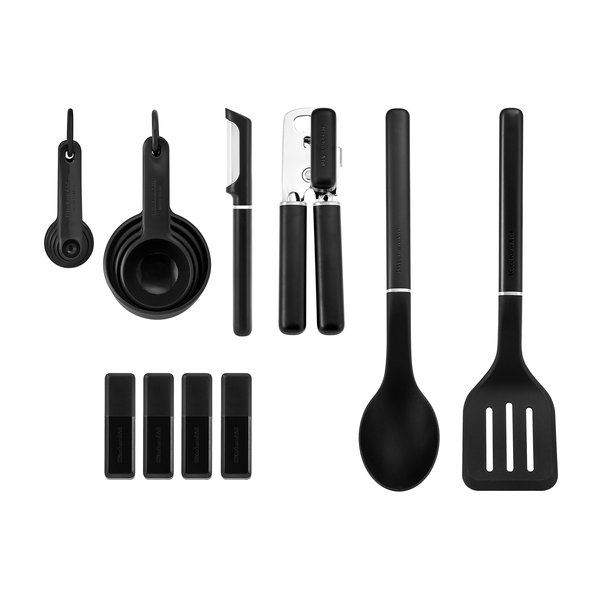
Familiarity with common kitchen utensils is a foundational step toward culinary confidence.
Comparative Analysis of Foundational Cooking Skills
A detailed look at the importance and difficulty of various culinary competencies.
To further contextualize the challenges, the following table compares key foundational cooking skills based on their perceived importance for overall culinary competence and the typical difficulty students encounter when acquiring them. This analysis highlights areas where targeted support can yield the greatest benefits.
| Foundational Cooking Skill | Importance for Culinary Competence | Typical Student Difficulty Level | Key Learning Focus |
|---|---|---|---|
| Recipe Comprehension | High | Medium to High | Interpretation, Sequencing, Jargon Familiarity |
| Knife Skills & Safety | Very High | High | Proper Grip, Cutting Techniques, Accident Prevention |
| Heat Management | Very High | High | Temperature Control, Observation, Adjustments |
| Accurate Measurement | High | Medium | Tool Usage, Understanding Units, Precision |
| Ingredient Knowledge | Medium | Medium | Identification, Function, Basic Preparation |
| Food Safety | Critical | High | Cross-Contamination, Storage, Doneness Checks |
| Time Management | High | High | Meal Planning, Workflow, Task Coordination |
| Seasoning & Flavor Balance | High | High | Tasting, Adjustment, Understanding Flavor Profiles |
| Equipment Familiarity | Medium | Low to Medium | Basic Functionality, Cleaning, Safe Operation |
| Pre-cooking Organization | High | Medium | Mise en Place, Workflow Planning, Efficiency |
Frequently Asked Questions About Student Cooking Challenges
What is the most common cooking difficulty for students?
Why do students struggle with time management in the kitchen?
How does a lack of cooking skills impact a student's diet?
Are food safety practices a major concern for student cooks?
What role does confidence play in student cooking?
Conclusion: Empowering Future Cooks
The journey to culinary proficiency for students is often fraught with a range of challenges, from deciphering complex recipes to mastering fundamental techniques and managing kitchen logistics. By systematically identifying these difficulties through targeted questionnaires and comprehensive assessments, educators and support systems can create more effective and empathetic learning environments. Addressing these foundational hurdles not only equips students with essential life skills but also promotes healthier lifestyles, financial independence, and a greater sense of self-reliance. Investing in culinary education for students is an investment in their holistic well-being and future success.
Recommended Further Exploration
- What are effective cooking pedagogy strategies for college students?
- How do cooking skills influence student health and nutrition?
- What are the best budget cooking tips for university students?
- How can young adults overcome their fear of cooking?