
Sustainable Practices in Electrical Installation and Maintenance
Enhancing Energy Efficiency and Reducing Environmental Impact
Key Takeaways
- Energy Efficiency: Implementing energy-efficient technologies like LED lighting and smart systems significantly reduces energy consumption.
- Renewable Integration: Incorporating renewable energy sources such as solar and wind power diminishes reliance on fossil fuels and lowers carbon emissions.
- Eco-Friendly Practices: Utilizing sustainable materials and promoting recycling and waste reduction are essential for minimizing environmental impact.
Energy-Efficient Technologies
LED Lighting Solutions
LED lighting is a cornerstone of sustainable electrical installations. Compared to traditional incandescent bulbs, LEDs consume up to 75% less energy and have a significantly longer lifespan. Their reduced energy consumption not only lowers utility bills but also decreases the frequency of replacements, thereby minimizing waste.
Smart Electrical Systems
Integrating smart electrical systems enhances energy management by allowing real-time monitoring and control. Smart grids and home automation systems optimize energy usage based on demand, reducing unnecessary consumption. These systems can automatically adjust lighting, heating, and cooling, contributing to overall energy efficiency.
Energy-Efficient Appliances
Installing energy-efficient appliances with ENERGY STAR ratings ensures that electrical systems operate optimally while consuming less power. These appliances not only reduce energy bills but also contribute to a lower carbon footprint, aligning with sustainable practices.
Renewable Energy Integration
Solar Energy Systems
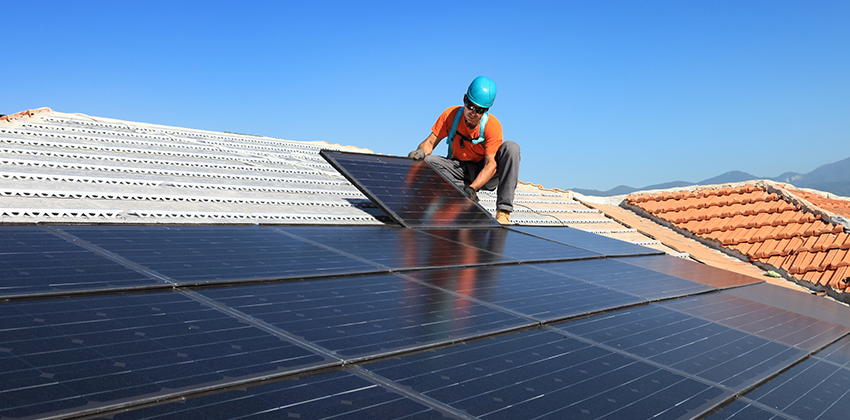
Solar panels are a pivotal component in sustainable electrical installations. They harness sunlight to generate electricity, reducing reliance on non-renewable energy sources. Integrating solar energy systems can significantly lower carbon emissions and promote energy independence.
Wind Turbines
Wind turbines convert wind energy into electrical power, offering a renewable alternative to traditional energy sources. Incorporating wind turbines into electrical installations not only enhances energy diversity but also contributes to reducing greenhouse gas emissions.
Energy Storage Solutions
Effective energy storage systems, such as batteries, are essential for maximizing the benefits of renewable energy. They store excess energy generated during peak production periods, ensuring a reliable power supply even when renewable sources are not actively generating energy.
Electric Vehicle Charging Infrastructure
Installing electric vehicle (EV) charging stations supports the transition to sustainable transportation. EVs produce fewer emissions compared to traditional vehicles, and providing the necessary infrastructure encourages more individuals to adopt eco-friendly transportation options.
Eco-Friendly Materials and Practices
Sustainable Material Selection
Choosing eco-friendly materials, such as PVC-free or halogen-free wiring, plays a crucial role in sustainable electrical installations. These materials reduce environmental impact by minimizing the use of harmful substances and enhancing recyclability.
Recycled and Recyclable Components
Utilizing recycled or sustainably sourced materials ensures that electrical installations support a circular economy. Components designed for easy disassembly and recycling at the end of their lifecycle reduce waste and promote resource conservation.
Waste Minimization During Installation
Implementing practices that minimize waste during the installation process is essential for sustainability. Efficient planning and resource management reduce material excess, lower disposal needs, and contribute to a more environmentally responsible installation process.
Smart and Integrated Technologies
Building Automation Systems
Building automation systems integrate various electrical components to optimize energy usage. By automating lighting, heating, and cooling, these systems ensure that energy is used efficiently, reducing overall consumption and enhancing sustainability.
Internet of Things (IoT) Devices
IoT devices in electrical installations allow for advanced monitoring and control. They provide data analytics that help in identifying inefficiencies and optimizing energy usage, leading to significant energy savings and reduced environmental impact.
Predictive Maintenance
Predictive maintenance leverages sensors and data analytics to anticipate potential failures in electrical systems. By addressing issues proactively, it extends the lifespan of equipment, reduces downtime, and minimizes waste from premature replacements.
Waste Reduction and Recycling
Proper Disposal Practices
Ensuring the proper disposal of electrical components is vital for sustainability. Responsible recycling and disposal of materials like copper, plastics, and electronics prevent environmental contamination and promote the reuse of valuable resources.
Lifecycle Planning
Designing electrical systems with their entire lifecycle in mind facilitates easier recycling and waste management. Systems planned for disassembly allow for efficient material recovery and reduce the environmental footprint at the end of their operational life.
Maintenance and Efficiency
Regular Inspections and Preventive Maintenance
Conducting regular inspections and preventive maintenance ensures that electrical systems operate efficiently. This proactive approach helps identify and rectify issues before they escalate, leading to energy savings and extended equipment lifespan.
Energy Management Systems
Implementing energy management systems, such as ISO 50001, enables organizations to track and improve their energy consumption systematically. These systems provide the framework for continuous improvement in energy efficiency and sustainability.
Optimized Electrical Panel Designs
Designing electrical panels for maximum efficiency involves arranging components to minimize energy losses and enhance performance. Efficient panel designs contribute to overall system reliability and reduce the environmental impact of electrical installations.
Training and Certification
Educating Technicians and Engineers
Providing education and training for technicians and engineers on sustainable technologies and practices is essential. Skilled professionals are better equipped to implement and maintain energy-efficient and eco-friendly electrical systems.
Certifications in Green Practices
Encouraging certifications in areas such as energy auditing, sustainable design, and renewable energy system integration fosters expertise in sustainable electrical practices. Certified professionals ensure that installations meet high environmental standards.
Compliance with Regulations and Standards
Adhering to Building Codes
Compliance with local and international building codes ensures that electrical installations meet safety and sustainability standards. Adhering to these regulations promotes the development of efficient and environmentally responsible electrical systems.
Environmental Management Systems
Implementing environmental management systems, such as ISO 14001, allows organizations to systematically manage and reduce their environmental impacts. These systems integrate sustainability into all aspects of electrical installation and maintenance.
Benefits of Sustainable Practices
Environmental Benefits
Sustainable electrical practices significantly reduce carbon emissions and overall environmental impact. By optimizing energy usage and integrating renewable energy sources, these practices contribute to a healthier planet.
Economic Benefits
Implementing energy-efficient and sustainable practices leads to long-term cost savings through reduced energy bills and lower maintenance costs. Additionally, the extended lifespan of equipment minimizes replacement expenses.
Enhanced System Reliability
Efficient and well-maintained electrical systems exhibit improved reliability and performance. Predictive maintenance and smart technologies ensure that systems operate optimally, reducing downtime and enhancing operational efficiency.
Market Position and Innovation
Adopting sustainable practices fosters innovation and enhances an organization's market position. Being recognized for environmentally responsible electrical installations can attract eco-conscious customers and stakeholders.
Implementation Strategies
Comprehensive Energy Audits
Conducting detailed energy audits helps identify areas where energy can be conserved and efficiency can be improved. These audits provide the data necessary to make informed decisions about sustainable electrical practices.
Integration of Advanced Technologies
Leveraging advanced technologies such as IoT, AI, and machine learning can optimize energy usage and predictive maintenance. These technologies enable more precise control and monitoring of electrical systems, enhancing sustainability.
Stakeholder Engagement
Engaging stakeholders, including employees, customers, and suppliers, is crucial for the successful implementation of sustainable practices. Collaborative efforts ensure that sustainability goals are met and maintained over time.
Case Studies and Best Practices
Residential Electrical Installations
In residential settings, the adoption of energy-efficient lighting, smart home systems, and solar panels exemplifies best practices. Homeowners benefit from reduced energy bills and increased property value while contributing to environmental sustainability.
Commercial and Industrial Applications
Commercial and industrial electrical installations often involve large-scale renewable energy systems and comprehensive energy management programs. These installations not only achieve significant energy savings but also set benchmarks for sustainability in the industry.
Public Infrastructure Projects
Public infrastructure projects, such as smart grids and EV charging stations, demonstrate the impact of sustainable electrical practices on a broader scale. These projects support community-wide energy efficiency and the transition to renewable energy sources.
Future Trends in Sustainable Electrical Practices
Advancements in Renewable Technologies
Continuous advancements in renewable technologies, including more efficient solar panels and innovative energy storage solutions, will drive the future of sustainable electrical installations. These technologies will make renewable energy more accessible and cost-effective.
Increased Adoption of Smart Grids
Smart grids represent the future of electrical distribution, enabling more efficient, reliable, and sustainable energy management. Their ability to integrate diverse energy sources and demand-response capabilities will be pivotal in achieving global sustainability goals.
Integration of Artificial Intelligence
The integration of artificial intelligence in electrical maintenance will enhance predictive capabilities and optimize energy usage. AI-driven systems can analyze vast amounts of data to forecast demand and manage energy resources more effectively.
Conclusion
Sustainable practices in electrical installation and maintenance are essential for reducing environmental impact, improving energy efficiency, and ensuring the longevity of electrical systems. By embracing energy-efficient technologies, integrating renewable energy sources, utilizing eco-friendly materials, and adopting smart maintenance practices, electrical professionals can contribute significantly to a more sustainable future. The benefits extend beyond environmental gains, offering economic advantages and enhancing the reliability and performance of electrical systems. As technology continues to evolve, the adoption of advanced sustainable practices will become increasingly integral to the electrical industry, driving innovation and fostering a culture of sustainability.
References
Last updated February 11, 2025