
Proposal for Synthetic Sofa Repair Services in School Cafeterias
Enhancing Durability, Aesthetics, and Safety with Expert Repairs
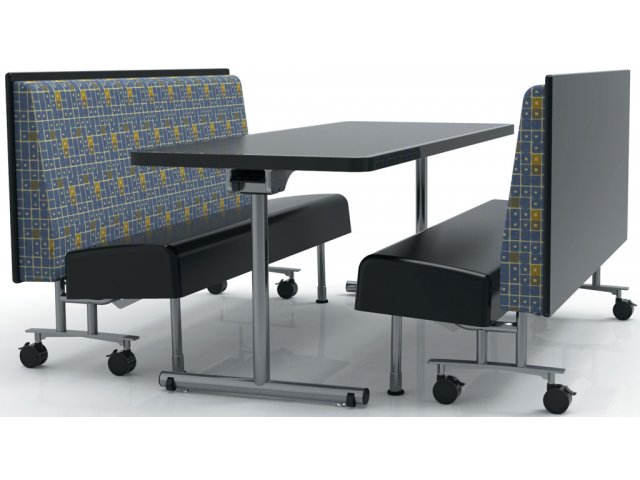
Highlights
- Functional and Economical Solutions: Provide cost-effective repair methods that extend lifespan.
- Professional Techniques: Emphasize detailed inspection, cleaning, restoration, and maintenance.
- Safety and Aesthetic Quality: Adhere to strict health standards while enhancing appeal.
Introduction
School cafeterias are high-traffic environments where furniture sustains heavy usage daily. Synthetic sofas, commonly used in these settings, face challenges such as wear, peel, and flaking of the material, particularly when made from bonded or faux leather. A well-crafted proposal for synthetic sofa repair services is essential to extend the life of these assets while ensuring the environment remains safe, visually appealing, and cost-effective.
This proposal focuses on professional repair services tailored for synthetic sofas in school cafeterias. It outlines essential procedures, repair techniques, equipment and materials needed, approximate pricing, and the benefits of undertaking professional repair work as opposed to complete replacement. By maintaining the furniture in optimal condition, the proposal not only ensures a comfortable seating experience for students but also reinforces a sustainable and budget-friendly approach.
Overview of Repair Services
Scope of Services
The proposal for synthetic sofa repair encompasses an initial assessment of current conditions followed by on-site repair using industry-recommended techniques. The scope of services includes:
Inspection and Assessment
Before initiating any repair work, a thorough inspection is crucial. Skilled technicians assess the structural integrity of the sofas, inspect for peeling, tears, and any other signs of wear, and determine the most efficient repair pathway. A detailed report is produced which addresses immediate concerns and outlines recommended procedures.
Tear and Damage Repair
Synthetic materials used in these sofas are susceptible to small tears and significant rips. The repair process uses specialized techniques to mend these areas without compromising the integrity of the material. Adhesives and filler compounds designed for synthetic fabrics ensure that the repaired zones blend seamlessly with the remaining fabric.
Cleaning and Restoration
Deep cleaning is essential to maintain the appearance of the synthetic sofas. This involves eliminating food stains, odors, and debris that accumulate over time. The use of mild cleaning agents and fabric-safe disinfectants ensures that the cleaning process is effective while preserving the material.
Color Restoration
In cases where the original color of the synthetic fabric has faded or become uneven due to wear or cleaning processes, restoration through safe dyes can be employed. This procedure revitalizes the color and enhances the overall appearance, making the furniture more visually appealing.
Preventative Maintenance
Beyond immediate repairs, the proposal stresses the importance of preventative maintenance. Offering guidance on maintaining synthetic sofas by using fabric protectors and performing regular cleaning ensures that the furniture remains in optimal condition, reducing the likelihood of future damage.
Detailed Repair Techniques
The proposed repair techniques balance effectiveness and cost-efficiency. They are designed to address typical challenges in synthetic sofa upholstery in a school cafeteria.
Technique 1: Staining the Exposed Fabric
Method
This method involves removing the unstable polyurethane coating from the damaged area on the synthetic material and then applying a water-based stain. The stain not only covers the exposed fabric but also helps restore a semblance of the original color.
Cost and Outcome
With an estimated cost ranging from $23 to $50 per unit, this method offers a quick fix. However, it primarily addresses appearance and lacks long-term durability for a water-repellent surface.
Technique 2: Peel, Repair, and Recolor
Method
A more advanced yet temporary solution involves peeling off the damaged layer, applying a specialized leather filler putty or rubberized coating, and then recoloring the repaired surface. This method adds a layer of repair compound over the exposed fabric.
Cost and Outcome
Costs under this method range from $41 to over $100 per unit. Although this approach offers a better cosmetic improvement, it is also a temporary measure with no long-term guarantee of repair durability.
Comparative Table of Repair Techniques
| Technique | Description | Cost Estimate per Unit | Longevity |
|---|---|---|---|
| Staining Exposed Fabric | Removes unstable layer; applies water-based stain | $23 - $50 | Short Term |
| Peel, Repair, and Recolor | Removes damaged layer; applies filler and recolor | $41 - $100+ | Temporary Improvement |
Financial Breakdown and Timeline
One of the critical aspects of this proposal is outlining the financial and logistical implications of synthetic sofa repair services. This section offers clarity regarding both cost management and execution schedules.
Cost Estimates
The repair service costs have been compiled based on previous repair projects and current market rates for materials and labor. Below is a breakdown of the primary cost categories:
Inspection and Assessment
An initial inspection fee is typically necessary to evaluate the overall condition of the sofas. This assessment fee ensures that technicians can accurately outline the repair strategy.
Repair Materials and Labor
Combining materials, labor, and specialized chemicals or dyes, the costs vary according to the extent of the damage. For instance, partial tears or surface damage repair differ in cost from widespread peeling across several sofas.
Additional Maintenance
Incorporating a maintenance plan with periodic upkeep might add to the costs initially but will decrease long-term expenses by reducing repeat damages.
Timeline for Repair Services
The timeline for a typical synthetic sofa repair project in a school cafeteria involves several key phases:
Phase 1: Inspection
An on-site evaluation lasting between 2 to 4 hours, depending on the number of units, marks the initial stage.
Phase 2: Repair Work
The repair process itself, including materials preparation, application of repair techniques, and intermediate drying or curing time, generally takes 1 to 2 days. Scheduling repairs outside of cafeteria hours ensures that the student environment is minimally disrupted.
Phase 3: Post-Repair Maintenance
After restoration, a follow-up maintenance inspection is recommended 30 days post-repair to evaluate lasting effects and advise on additional upkeep measures.
Benefits of Professional Synthetic Sofa Repairs
Investing in professional synthetic sofa repair services provides multiple benefits that directly impact the financial, functional, and aesthetic aspects of a school cafeteria.
Cost Efficiency
Repairing furniture is often more budget-friendly than replacing it entirely. Schools benefit from cost savings while addressing urgent repair needs, thereby ensuring funds remain available for other critical repairs or improvements. Professional repair extends the lifespan of existing furniture, contributing to lower long-term operational costs.
Improved Safety and Comfort
Adequately maintained synthetic sofas guarantee a safer seating environment for students. The surface repairs reduce the risks of splintering or exposure to degraded materials. Furthermore, deep cleaning and regular maintenance prevent the buildup of allergens and bacteria, promoting a healthier environment.
Enhanced Visual Appeal
An aesthetically appealing cafeteria not only boosts student morale but also promotes community pride. Restoring the sofas so they align with school colors or branding helps reinforce a cohesive atmosphere, whether during daily use or school events.
Sustainability
In addition to fiscal benefits, the repair process helps promote sustainability by reducing waste. Extending the usable lifespan of materials minimizes the environmental impact associated with manufacturing and disposing of furniture.
Implementation and Project Management
Successful execution of synthetic sofa repairs involves detailed planning and project management. The following components are essential for a smooth and efficient repair project:
Project Coordination
A dedicated project coordinator will be assigned to oversee all phases, from inspection to post-repair evaluations. This individual serves as the primary point of contact between school administrators and the repair technicians.
Worker Safety and Regulatory Compliance
All repair activities must adhere to strict health and safety standards. The repair agents and maintenance teams use materials that comply with indoor environment regulations to ensure that no harmful chemicals are released. This is particularly important in school settings where student health is a priority.
Quality Assurance
At each stage of the repair process, quality assurance checks are conducted. These checks ensure that every repair meets a set of predetermined criteria for safety, durability, and appearance. In addition, a warranty or guarantee on the repair work can be provided, offering reassurance to school management of both short-term and long-term efficacy.
Differentiators and Competitive Advantages
What sets this repair proposal apart is its meticulous focus on both the functional and aesthetic aspects of synthetic sofa repairs in a school cafeteria setting. The proposal not only emphasizes immediate repair but also underscores ongoing maintenance and sustainability practices that collectively enhance the overall value.
Tailored Services
Given that no two school cafeterias are identical, our approach adapts to the unique challenges and needs of each environment. Custom assessments and bespoke repair solutions ensure that every project yields optimum results in both appearance and durability.
Expert Technicians
Utilizing experienced repair professionals who specialize in synthetic materials guarantees that the repair methods and techniques applied are up-to-date with current industry standards.
Cost Transparency
The proposal is built around a transparent pricing model, with detailed breakdowns for each component of the service. This level of clarity helps school budgets plan effectively and ensures no unexpected costs arise.
Potential Challenges and Mitigation Strategies
While synthetic sofa repair services offer many benefits, several challenges may arise during the execution of these projects. Addressing these proactively through mitigation strategies is an essential aspect of our approach.
Material Durability
Synthetic, especially bonded leather, may have inherent limitations in durability after extensive wear. Our mitigation strategy involves using specialized compounds and sealants that provide an extra layer of protection, even if only temporarily.
Cost vs. Replacement Debate
In some cases, extensive damage may prompt the debate between repair and full replacement. To address this, our proposal incorporates a detailed, phase-based assessment and transparent cost analysis, ensuring that decision-makers understand the benefits of repair alongside potential limitations. This allows for an informed decision aligned with budget requirements.
Regulatory and Safety Concerns
Maintenance and repair services in school environments must comply with strict health and safety codes. Each repair material is selected to meet or exceed these standards, and all work is performed under the aegis of local and national safety regulations.
Case Studies and Similar Implementations
A look into similar repair projects in educational institutions demonstrates that professional repair services yield marked improvements in both longevity and aesthetics. Case studies have shown that a structured maintenance plan, when integrated with timely repairs, can extend the useful life of synthetic furniture by up to 50%, significantly reducing replacement frequency.
For example, one school district implemented a similar repair and maintenance program where a periodic deep cleaning coupled with touch-up repairs was scheduled on a bi-annual basis. The program resulted in a noticeable enhancement in the visual appearance of the cafeteria and provided an excellent return on investment by delaying the need for costly replacements.
References
- School Cafeteria Table Replacement Parts - School Fix®
- Why Schools Should Refurbish Furniture - School Fix®
- Cafeteria Tables for School - Central Restaurant
- Dr. Sofa | Furniture Repair Services - Dr. Sofa
- Mobile Leather & Vinyl Repair Services - We Can Fix That!
Recommended Queries for Deeper Insights

Last updated March 11, 2025