
The Teacher and the Community School Culture and Organizational Leadership
Empowering Educators and Communities through Collaborative Leadership
Key Takeaways
- Integration Between Teachers, Community, and Leadership: The presentation emphasizes the critical role that teachers play in connecting the school with its community, acting as facilitators for a collaborative educational environment.
- Organizational Leadership and School Culture: Effective leadership and a strong school culture are highlighted as essential components for achieving positive academic outcomes and fostering a shared vision among all stakeholders.
- Practical Strategies for Engagement: The outline provides actionable strategies, including collaborative practices, professional development, and inclusive community engagement to overcome challenges and enhance the educational experience.
Outline of the PowerPoint Presentation
| Slide No. | Title | Description |
|---|---|---|
| 1 | Title Slide | Introduces the presentation with the title, subtitle, presenter’s name, and institutional affiliation. |
| 2 | Introduction | Provides an overview of the interconnected dynamics between teachers, school culture, community influence, and organizational leadership. |
| 3 | The Teacher’s Role | Explores the multifaceted role of teachers in bridging the academic and community worlds, emphasizing ethical standards and collaborative action. |
| 4 | Understanding School Culture | Defines school culture, its components, and its impact on the learning environment and community relationships. |
| 5 | Community Partnerships | Discusses the value of strong community-school partnerships and outlines successful examples and case studies. |
| 6 | Organizational Leadership | Details the role of school leadership in fostering a supportive culture and sustaining community engagement through visionary practices. |
| 7 | Vision, Mission, & Collaborative Practices | Highlights the importance of clear mission and vision statements and explores strategies to build a collaborative framework within the school community. |
| 8 | Case Studies and Success Stories | Provides real-world examples that illustrate effective integration of teaching, leadership, and community involvement. |
| 9 | Challenges and Solutions | Identifies common obstacles, explores potential pitfalls, and offers strategic solutions to strengthen school culture and leadership. |
| 10 | Professional Development and Teacher Well-being | Emphasizes continuous learning for teachers and discusses initiatives for improving teacher morale and professional growth. |
| 11 | Future Trends in Educational Leadership | Explores emerging trends, technological innovations, and the evolving role of organizational leadership within schools. |
| 12 | Conclusion and Q&A | Summarizes key points, reinforces the call for collaboration, and invites questions to foster further discussion. |
Slide-by-Slide Detailed Breakdown
Slide 1: Title Slide
This initial slide sets the stage for the presentation. It includes the full title "The Teacher and the Community School Culture and Organizational Leadership", a compelling subtitle that emphasizes the synergy between educators, communities, and leadership, the presenter's name, and relevant affiliations. Incorporate an eye-catching background image or design that reflects community engagement and educational themes.
Slide 2: Introduction
This slide offers a concise yet comprehensive introduction. It defines the scope of the presentation: how educators interact with the community to influence school culture and how leadership drives organizational success. The slide may include bullet points that outline the main areas to be covered. Visuals such as icons representing teachers, community members, and leadership figures can enhance understanding.
Slide 3: The Teacher’s Role
This section emphasizes the evolving role of the teacher beyond classroom instruction. Highlight that teachers are not only educators but also community connectors and agents of social change. The slide should touch upon ethical behaviors expected by professional teaching standards and showcase examples where teacher initiatives have successfully bridged gaps between school and community.
Slide 4: Understanding School Culture
Here, school culture is defined and explored. Discuss its key components, such as shared values, norms, and traditions that shape the learning environment. Use diagrams or infographics to illustrate how a positive school culture can improve student engagement and overall organizational effectiveness. Explain that a good school culture is the product of collaborative practices among educators, administrators, and the community.
Slide 5: Community Partnerships
This slide delves into the importance of fostering strong partnerships between the school and the local community. Define what constitutes a community partnership, including collaborations with local organizations, non-governmental agencies, and even businesses. Provide examples or mini case studies of schools that have benefitted from successful partnerships—resulting in enriched educational experiences, extra resources for students, and a more holistic development approach.
Slide 6: Organizational Leadership in Education
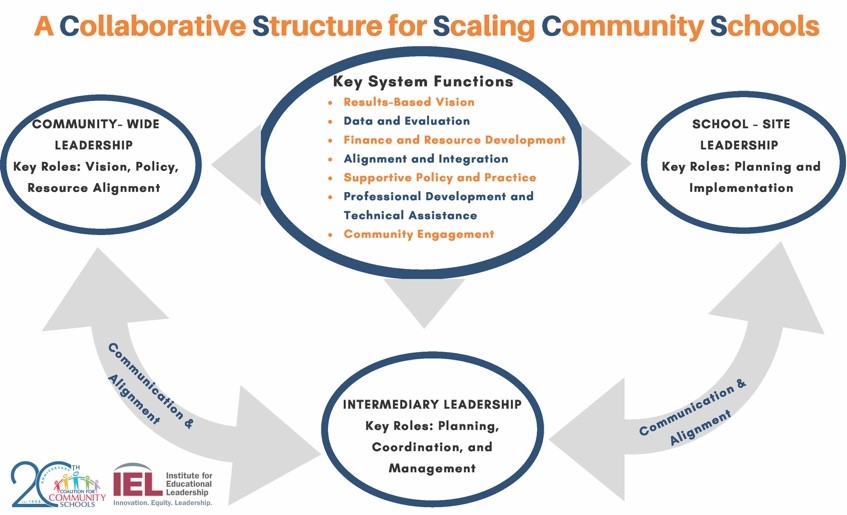
Focus on the critical role of leadership within the educational setting. Differentiate between leadership and management so that the audience understands the importance of vision-based leadership. Discuss various models of leadership such as distributed or shared leadership, which promote empowerment among teachers and encourage collaborative decision-making. Visual aids like flowcharts or leadership diagrams can be very effective here.
Slide 7: Vision, Mission, & Collaborative Practices
This slide underscores the importance of having a well-defined vision and mission that align with the school’s goals and community aspirations. Explain how these guiding principles shape the direction of both the school culture and leadership strategies. Include bullet points or a mind map that outlines methods for developing advisory committees, forming partnerships, and creating channels for regular feedback. Emphasize that collaboration between teachers, administrators, students, and community members is essential for sustained progress.
Slide 8: Case Studies and Success Stories
Offer real-world examples highlighting schools that have successfully integrated community engagement with progressive leadership practices. Discuss one or two case studies that detail the specific strategies implemented, the challenges faced, and the measurable outcomes achieved. This empirical evidence not only reinforces theoretical concepts but also inspires the audience by showcasing what is possible when teachers and community leaders work together.
Slide 9: Challenges and Strategic Solutions
This slide identifies common obstacles that schools may encounter in nurturing community relationships and effective organizational leadership. Consider challenges such as misaligned expectations, resource constraints, or resistance to change. For each challenge, present strategic solutions or actionable recommendations. This may include professional development workshops, better communication channels, and leadership training programs that encourage teachers to take on active roles in decision-making processes.
Slide 10: Professional Development and Teacher Well-being
Focus on the importance of continuous professional development for teachers, which is key to sustaining a positive school culture. Discuss initiatives aimed at improving teacher well-being, such as peer mentoring, team-building exercises, and stress management workshops. Highlight how well-supported teachers are more likely to implement innovative instructional strategies and drive community initiatives, ultimately leading to improved student outcomes.
Slide 11: Future Trends in Educational Leadership
Examine emerging trends and future directions in educational leadership. Address how globalization, technological advancements, and evolving societal expectations are reshaping the roles of teachers and school leaders. Discuss the potential impacts of distance learning technologies, new media, and innovative leadership models and explain how these trends can foster an even more integrated approach to education within local and global communities.
Slide 12: Conclusion and Q&A
The final slide provides a succinct summary of the presentation, reiterates the importance of a synergistic approach connecting teachers, school culture, and organizational leadership, and invites the audience to engage through a Q&A session. This segment should also include a call to action, motivating educators and community leaders to collaborate and implement the discussed strategies in their own contexts.
Conclusion
In conclusion, the presentation has demonstrated that the role of teachers extends far beyond traditional classroom instruction. By actively engaging with their communities, embracing collaborative leadership practices, and nurturing a positive school culture, teachers can profoundly influence educational outcomes and drive meaningful social change. With a clear vision and well-defined strategies, the dynamic relationship between educators and communities can be harnessed to create innovative and resilient learning environments. This integrative approach not only empowers individuals but also builds a framework for long-term organizational success and community development.
References
- Presentation on Teacher and Community Dynamics - Scribd
- Module Outline for School Culture and Leadership - Scribd
- EDUC213 Presentation Resource - Course Hero
- Prezi on School Culture and Organizational Leadership - Prezi
- SlideShare Presentation on Teacher and Community Leadership - SlideShare
More
Last updated February 18, 2025