
Innovative Applications of Transparent Wood in Building Design
Explore the future of sustainable architecture with transparent wood
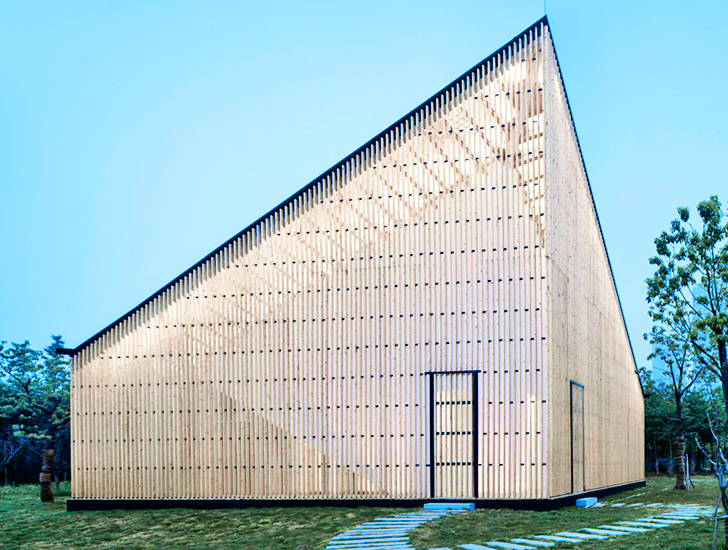
Key Highlights
- Energy Efficiency and Thermal Regulation: Transparent wood enhances natural lighting while offering superior insulation compared to traditional glass.
- Sustainable and Aesthetic Design: Its eco-friendly properties and unique appearance open up innovative prospects in both exterior facades and interior elements.
- Integration with Smart Technologies: Capable of incorporating advanced features such as smart tinting, photovoltaic capabilities, and functional electronics.
Overview of Transparent Wood
Transparent wood represents an innovative leap forward in sustainable construction and architectural design. As a material that marries the inherent strength and warmth of natural timber with high optical transparency, it transcends conventional building materials like glass and plastic. The unique properties of transparent wood – including its lower thermal conductivity, impact resistance, and capacity for load-bearing – make it an attractive alternative in energy-efficient window systems, façades, interior design, and even advanced photonic applications.
Derived from renewable wood sources, this material undergoes a process to remove lignin and reintroduce an optically transparent polymer, resulting in a composite that retains the structural benefits of wood while allowing light to pass through. This breakthrough has caught the attention of architects, engineers, and researchers around the globe, who are exploring its potential to reshape the future of building design and sustainable materials.
Applications in Building Design
Energy-Efficient Windows and Facades
One of the most compelling applications of transparent wood is in windows and façade design. Its unique combination of high natural light transmittance and superior thermal insulation significantly reduces the demand for artificial heating and cooling. Traditional glass, though excellent for light diffusion, often falls short in insulating against temperature variations. Transparent wood, in contrast, facilitates the transfer of diffused light while maintaining a robust barrier against thermal exchange, thus contributing to overall energy efficiency in construction. This material also offers enhanced impact resistance and durability, solving several challenges associated with conventional glass products.
Thermal Regulation and Energy Savings
Due to its lower thermal conductivity, transparent wood minimizes energy loss during extreme temperature conditions, ensuring that interior environments remain comfortable with less reliance on heating and cooling systems. The material's ability to regulate natural light and heat means architects can design buildings that seamlessly adjust to changing external conditions. In addition, transparent wood's heat storing and phase change material (PCM) compatibility can be harnessed to further boost thermal regulation, resulting in significant energy cost reductions.
Innovative Facade and Architectural Elements
Beyond windows, transparent wood also offers architects and designers unprecedented versatility in creating dynamic building facades and structural elements. It can be incorporated into skylights, roofing panels, and ornamental walls that not only deliver an aesthetically pleasing appearance but also enhance structural integrity. The material's inherent strength allows it to be used in load-bearing applications, bridging the gap between structural performance and visual appeal.
Smart Building Features
Transparent wood can be integrated into “smart” building systems designed for adaptive light management. By incorporating functionalities such as smart tinting, quantum dots, or even magnetic nanoparticle integration, architects can develop adaptive façades that adjust opacity or diffuse light in response to environmental stimuli. Such capabilities contribute to optimized natural light distribution, reducing glare and energy expenditure for indoor lighting. This smart integration is particularly attractive for modern construction projects looking to blend technology with sustainability.
Interior Design and Furnishings
The unique optical properties of transparent wood extend far beyond the exterior of buildings into interior design. Designers are increasingly intrigued by this material for its ability to create striking visual elements, ranging from illuminated wall panels to bespoke furniture that blurs the boundaries between light and material form. Its translucent quality enables the development of innovative interior elements that bring both aesthetic elegance and functional benefits in terms of energy efficiency and ambiance.
Creative and Sustainable Interiors
In interior applications, transparent wood serves as an eco-friendly alternative that aligns with the growing consumer preference for sustainable and natural materials. Its compatibility with other natural and lightweight materials offers designers a broader palette to work with, thus facilitating innovative combinations that are both modern and environmentally conscious.
Photonic and Electronic Applications
Cutting-edge research is continuously uncovering new applications for transparent wood within the fields of photonics and electronics. Experiments have demonstrated its potential in developing organic lasers and other light-sensitive devices. The material's ability to transmit and control light with precision allows it to be integrated into solar cells and photovoltaic panels. This means that transparent wood could serve a dual purpose – acting as both a structural component and an energy-harvesting element when integrated into solar panel arrays.
Solar Integration and Energy Harvesting
By functioning as a light-transmitting façade, transparent wood enables the development of solar cell technology that is both flexible and aesthetically unobtrusive. This opens up possibilities for incorporating renewable energy technologies into building skins and windows, helping to generate electricity while maintaining natural light penetration. Such applications not only enhance building efficiency but also contribute to the broader trend of integrating renewable energy sources into urban infrastructures.
Comparison of Major Applications
| Application Area | Key Benefits | Potential Integration |
|---|---|---|
| Windows and Facades |
|
|
| Interior Design |
|
|
| Photonic and Electronic Applications |
|
|
| Smart Building Elements |
|
|
Benefits Across Applications
The incorporation of transparent wood into building design yields significant benefits that encompass both performance and aesthetics:
Environmental Sustainability
One of the foremost advantages of employing transparent wood is its environmental sustainability. Derived from naturally renewable timber and processed using environmentally conscious techniques, the material offers a compelling alternative to conventional non-renewable and energy-intensive materials. By reducing the carbon footprint associated with building construction, transparent wood supports the global drive toward green architecture and eco-friendly urban environments.
Enhanced Structural Performance
Transparent wood goes beyond mere transparency; it also addresses the need for robust construction materials. Unlike glass, which can be brittle and susceptible to breakage, transparent wood provides higher flexural strength and better impact resistance. These qualities enable its use not only for non-load-bearing elements but also for essential structural components that require both durability and an element of light transmission.
Versatility in Design
The integration of transparent wood into building designs facilitates innovative architectural expressions. Its ability to transmit light while offering partial opacity allows designers to create spaces that feel both open and articulate. From dynamically lit facades that adapt to day-to-night transitions to interiors that benefit from the interplay of natural light and engineered translucency, the material invites creative approaches to solving longstanding design challenges.
Challenges and Future Directions
Despite its remarkable properties, the adoption of transparent wood in mainstream building practice is accompanied by challenges. Among these are hurdles related to scalability, cost-effectiveness, and long-term durability. Current research is focusing on refining production processes to increase the efficiency of transparent wood manufacturing. Furthermore, studies are examining how to best integrate hybrid materials like conductive polymers or nanoparticles that can further tailor its optical and electronic properties.
Ongoing innovations aim to overcome these limitations by leveraging advances in nanotechnology and materials science. The possibility of incorporating phase change materials (PCMs) for thermal regulation, as well as integrating smart functionalities into the wood substrate, places transparent wood at the forefront of future sustainable architectural solutions.
Future Potential and Industry Impact
The prospect of transparent wood revolutionizing building design is not just an academic notion. Industry leaders and academic institutions are dynamically exploring its potential across multiple domains. Architectural projects employing transparent wood are gradually moving from pilot installations to full-scale applications, with early adopters already reporting improvements in energy efficiency and occupant comfort.
As building codes and sustainability standards become more stringent worldwide, materials like transparent wood that combine environmental benefits with functional performance will likely become more prevalent. Its role in the emerging field of smart and adaptive architecture positions transparent wood as a catalyst for rethinking conventional design paradigms. By integrating energy generation, aesthetic flexibility, and robust structural properties into a single material platform, transparent wood could redefine the possibilities in modern construction.
References
- USC Viterbi School of Engineering - Transparent Wood
- The Realty Today - Innovative Construction Material Transparent Wood
- The Constructor - Transparent Wood in Smart Materials
- Royal Society Publishing - Transparent Wood Applications
- Archivibe - Transparent Wood: A New Sustainable Material
Recommended Queries for Further Exploration
Last updated March 6, 2025