
Innovative Applications of Transparent Wood in Building Design
Exploring sustainability and smart design through novel wood technology
Key Highlights
- Energy Efficiency: Transparent wood provides superior thermal insulation and natural light control, reducing energy costs.
- Sustainability & Smart Design: A renewable and eco-friendly material used in advanced building and interior applications.
- Versatility: From windows and facades to interior décor and electronics, the applications of transparent wood are broad and innovative.
Overview of Transparent Wood
Transparent wood is a groundbreaking material that combines the inherent strength and warmth of natural wood with the modern functionality of transparency. This combination enables it to transmit light while offering a sustainable alternative to conventional materials such as glass and plastic. Driven by innovations in material processing and surface treatments, transparent wood is emerging as a key player in the realm of sustainable construction and innovative design.
Fundamental Properties and Advantages
Thermal Insulation and Energy Efficiency
One of the most attractive aspects of transparent wood is its exceptional thermal insulation ability. Unlike traditional glass that can lead to significant heat loss or gain, transparent wood exhibits lower thermal conductivity. This not only helps maintain interior temperatures, reducing reliance on artificial heating or cooling, but also contributes to lower energy consumption overall. As such, architects and engineers see it as a material that can greatly enhance energy-efficiency in buildings.
Aesthetic and Structural Benefits
Transparent wood offers a visually appealing aesthetic as it brings a natural, organic feel into modern spaces. It can be crafted into elements where both visibility and structural integrity are important. The natural texture of wood, combined with its clarity after processing, creates dynamic design opportunities—merging the beauty of nature with cutting-edge engineering.
Eco-friendly and Sustainable Material
Derived from renewable wood sources, transparent wood is also viewed as an environmentally friendly alternative. Its production process emphasizes lower carbon footprints compared to conventional glass manufacturing, and the biodegradable nature of wood contributes positively at the end of the lifecycle. By integrating this material into construction projects, architects can achieve advanced sustainability goals.
Innovative Applications in Building Design
Windows, Facades, and Skylights
Enhanced Energy Efficiency
One of the primary applications of transparent wood is in the creation of energy-efficient windows, facades, and skylights. These elements are crucial in allowing natural daylight while simultaneously acting as passive thermal barriers. Transparent wood, thanks to its better insulation compared to conventional glass, reduces heat loss in the winter and keeps interiors cooler during summer. This improved energy performance is critical in the design of greener, smarter buildings.
Natural Lighting and Aesthetic Appeal
The optical properties of transparent wood enable the diffusion of sunlight throughout interior spaces. This diffusion results in soft, ambient lighting that enhances aesthetics while decreasing the need for artificial illumination during daytime. Architects have integrated transparent wood into large facades and glass ceilings, subsequently improving the connection between indoor and outdoor environments.
Smart Building Integration
Adaptive Energy Management
As smart building technology advances, transparent wood is being explored as a material that can support adaptive energy management systems. Its unique interaction with light makes it suited for integration with solar cells and photovoltaic systems. For instance, embedding quantum dots or nanoparticles within the material allows for controlled luminescence and energy harvesting. Such integration transforms traditional building elements into active components that contribute to a building's overall energy strategy.
Building Automation and Sensor Applications
Transparent wood has also shown promise in the development of sensor-integrated surfaces. Due to its ability to combine strength with optical clarity, it can serve as a platform for interactive walls and touch-sensitive displays within smart structures. The combination of data collection and user interactivity through transparent surfaces paves the way for advanced monitoring systems that enhance building safety and operational efficiency.
Interior Design and Furniture
Decorative Elements and Partitions
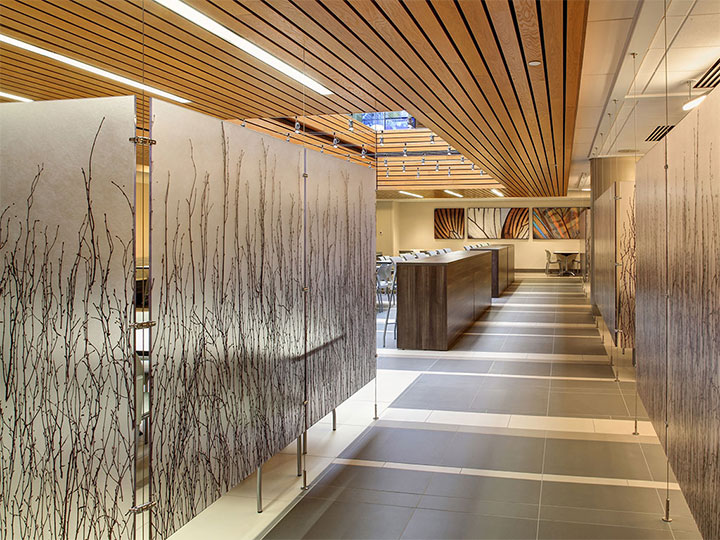
Beyond structural applications, transparent wood is a compelling option for interior design. Designers can use it to create distinctive partitions, shelving units, and decorative femur pieces. The material’s blend of natural wood texture with clear, glass-like qualities offers a new aesthetic that can redefine interior spaces. Transparent wood elements not only provide visual lightness but also contribute additional functionality by enhancing natural illumination.
Innovative Furniture Solutions
Furniture crafted from transparent wood brings a modern twist to traditional wooden designs. By manipulating the material’s transparency, designers can produce furniture that appears lightweight and ethereal while retaining robust mechanical strength. This duality offers the potential for a range of applications—from sleek, modern tables and chairs to bespoke installations in luxury homes and public spaces.
Photonic and Solar Energy Applications
Enhanced Solar Cell Efficiency
Transparent wood’s capacity to control light is also being utilized in the arena of solar energy. Researchers are experimenting with integrating the material into solar panels to improve light scattering and absorption. This not only increases the effective surface area for photon interaction but also enhances the efficiency of solar cells. The application is particularly promising in building-integrated photovoltaics, where the dual role of structural support and energy generation can be fully leveraged.
Development in Photonic Devices
The optical clarity and tunable light transmission characteristics of transparent wood are driving innovations in photonic and laser technologies. By adjusting the thickness or combining it with other optically active compounds, scientists are able to modify its light scattering properties, making it useful in device applications that require precision light management. This exploration is paving the way for second-generation displays and advanced lighting technologies that blend functionality with design aesthetics.
Electronics and Display Innovations
Sustainable Alternatives to Glass
In addition to its role in architecture, transparent wood is being considered as a sustainable alternative in the manufacture of electronic displays and touch-sensitive surfaces. Due to its durability and reduced weight relative to conventional glass, transparent wood can be integrated into various electronic devices, ensuring device robustness while decreasing environmental impact.
Integration in Smart Devices
The transition to more sustainable design in consumer electronics has led to the investigation of transparent wood in the production of screens and smart panels. Its clear optical nature allows for innovation in interactive device menus and augmented reality displays, which can leverage the unique material properties for enhanced user interfaces.
Comparative Analysis: Transparent Wood Versus Traditional Materials
When compared with common materials such as glass and plastic, transparent wood offers several advantages that pave the way for its adoption in modern building design. Below is a table summarizing the main differences and benefits:
| Material | Transparency & Light Transmission | Thermal Insulation | Structural Strength | Eco-Friendliness |
|---|---|---|---|---|
| Transparent Wood | High; diffused light transmission creates ambient lighting | Superior thermal insulation; reduces energy loss | Enhanced durability and impact resistance | Renewable and biodegradable |
| Glass | Very high; clear, focused light transmission | Low; high thermal conductivity can lead to energy inefficiency | Brittle; susceptible to breakage | Energy intensive production; recycling challenges |
| Plastic | Good; moderate light diffusion | Variable; often lower than wood | Generally weaker; dependent on composition | Non-biodegradable; high environmental impact |
As illustrated in the table, transparent wood outperforms traditional materials in several key areas that are essential for sustainable construction. While glass offers superior clarity, its thermal inefficiency and fragility can be significant drawbacks in certain applications. In contrast, transparent wood not only provides similar levels of light transmission but also offers improved energy saving and enhanced durability.
Challenges and Future Directions
Scalability and Cost
Despite its many advantages, the widespread adoption of transparent wood in building design faces certain challenges. One major obstacle is the scalability of its production. Achieving consistent transparency while producing thick or large panels poses technical challenges. Moreover, the cost of production remains higher compared to conventional materials. Continued research and industrial innovation are necessary to streamline the processing techniques and bring down manufacturing costs.
Material Optimization and Integration
Future advancements are likely to concentrate on optimizing the properties of transparent wood to meet specific architectural needs. Ongoing studies focus on the interplay between light transmission, mechanical strength, and thermal insulation. Moreover, integrating transparent wood with other smart technologies – such as embedded sensors or solar cells – will be critical to developing multifunctional building components. Joint research efforts by material scientists, architects, and engineers are expected to unlock even greater potential for transparent wood.
Environmental Impact and Lifecycle Assessment
A critical aspect of adopting any innovative building material is ensuring its overall cleaner lifecycle or lower environmental impact from production to disposal. Transparent wood’s natural origin gives it inherent advantages over many synthetic materials. However, assessing the complete lifecycle impact is important in guaranteeing that the production processes remain truly eco-friendly. Research continues to improve the regeneration methods, reduce waste and energy use during fabrication, and ensure the material’s full recyclability or biodegradability.
Exploring Multi-Disciplinary Applications
Architectural Innovations
The multi-disciplinary appeal of transparent wood stretches well into architectural innovations where form meets function. Designers appreciate its ability to fuse energy efficiency with aesthetic elegance—a combination critical in modern architecture. The integration of transparent wood in building models has led to dynamic design solutions that extend beyond static applications. In various pilot projects, transparent wood is generating visions of smart, adaptive constructions that overcome the conventional limitations faced by traditional materials.
Large-Scale Urban Projects
In urban planning, the potential of transparent wood is being explored for use in large-scale facades and external installations. Its lightweight yet robust qualities allow for the design of expansive walls and roof elements that can sustain environmental loads while contributing to energy conservation. Projects in smart cities increasingly favor such innovations to mitigate the carbon footprint of urban centers while enhancing connectivity between built environments and natural surroundings.
Synergy with Renewable Energy
The synergy between transparent wood and renewable energy technologies illustrates another promising application avenue. In building-integrated photovoltaics, the innovative material enables wider deployments of solar cells that simultaneously serve as structural elements and energy generators. This synergy not only fosters the development of more efficient renewable energy applications but also aligns with broader sustainable design initiatives that prioritize reduced environmental impact.
Interdisciplinary Research and Future Outlook
The future of transparent wood in building design is tightly linked with interdisciplinary research efforts that span several domains. Material scientists are continuously refining treatment processes to optimize the delicate balance between transparency and mechanical performance, while architects are reimagining building facades and interior spaces through innovative design solutions. The collaborative exchange between engineering laboratories and construction experts is accelerating the commercial viability of transparent wood. In addition to its current uses, advanced research in embedding interactive digital interfaces into wood surfaces, along with improved photovoltaic integration, points toward a future where building materials are not just passive constructs but actively participate in energy management and communication networks.
As these research outputs mature, transparent wood is expected to become a cornerstone material in the quest for sustainable, energy-efficient, and smart building designs. Its successful integration into mainstream construction practices would mark a significant step forward in the drive towards eco-friendly, multifunctional building solutions that harmonize technology, design, and environmental responsibility.
References
- Transparent Wood Innovation - Nature
- Transparent Wood Applications - Architecture Lab
- Transparent Wood Benefits - USC Illumin
- Scientific Insights on Transparent Wood - ReHack
- Smart Building with Transparent Wood - The Constructor
Recommended Related Queries
Last updated March 6, 2025