
Comprehensive Content Topics and Clusters for Enhancing Lead Response, Conversions, and Sales
Empowering Business Owners with Actionable Marketing Strategies
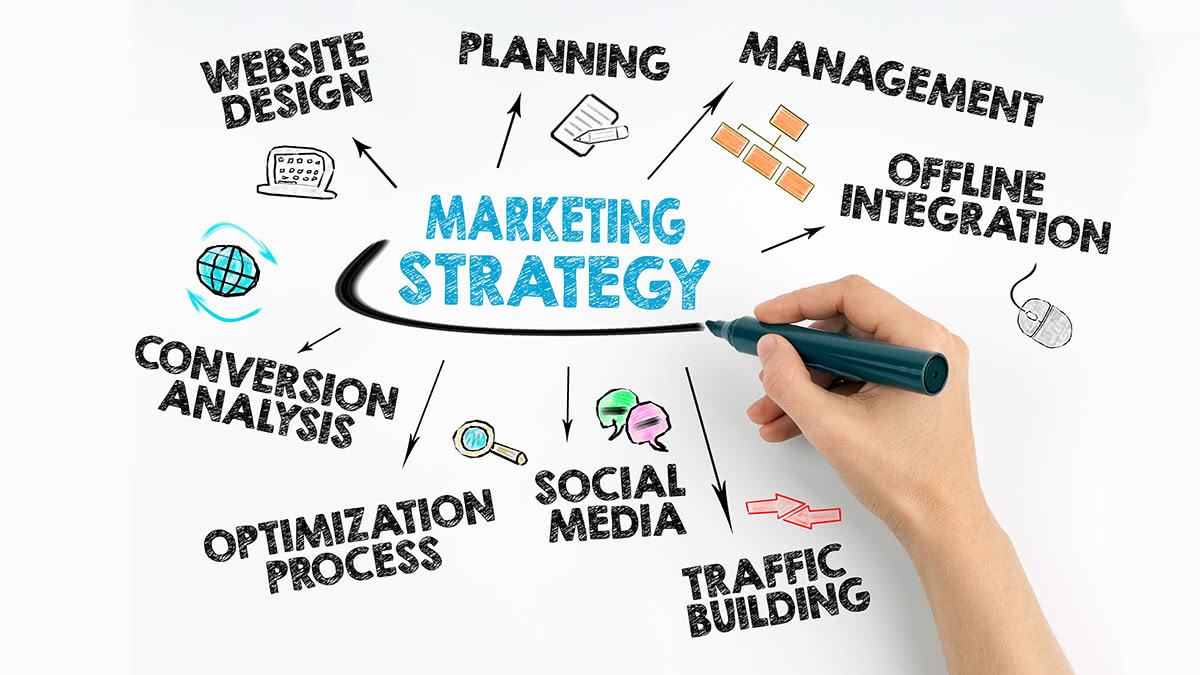
Key Takeaways
- Optimize Lead Qualification: Implement robust strategies to identify and nurture high-quality leads effectively.
- Leverage Marketing Automation: Utilize advanced tools to streamline marketing processes and enhance efficiency.
- Align Sales and Marketing: Foster seamless collaboration between sales and marketing teams to boost conversion rates.
1. Lead Qualification and Nurturing Strategies
Effective Engagement Techniques
Develop comprehensive methods to engage and qualify prospects, ensuring that efforts are focused on leads with the highest potential for conversion. Techniques include personalized email campaigns, targeted content delivery, and proactive follow-ups.
Cold Lead Conversion Methods
Implement strategies to transform cold leads into sales-ready opportunities. This involves creating informative content that addresses common pain points, leveraging social proof, and providing value through free resources or consultations.
Best Practices for Follow-Up and Nurturing
Establish a consistent follow-up regimen using automated email sequences and timely communications. Personalize interactions based on lead behavior and preferences to maintain engagement and guide leads through the sales funnel.
2. Conversion Rate Optimization (CRO)
Landing Page Optimization
Create high-converting landing pages by focusing on clear and compelling headlines, persuasive copy, and strong calls-to-action (CTAs). Conduct A/B testing to identify elements that resonate most with your audience.
Call-to-Action (CTA) Strategies
Design effective CTAs that prompt immediate action. Use action-oriented language, ensure visibility, and place CTAs strategically within your content to maximize conversions.
User Journey Mapping
Analyze and optimize the user journey to remove friction points that may hinder conversions. Ensure a seamless transition from initial interest to final purchase through intuitive navigation and relevant content.
3. Marketing Automation and Technology
Implementation of Automation Tools
Leverage marketing automation platforms to streamline lead management processes. Tools such as CRM systems, email automation, chatbots, and lead scoring can enhance efficiency and improve lead nurturing.
Integration of Sales and Marketing Platforms
Ensure seamless integration between marketing and sales tools to facilitate smooth lead handoffs and real-time tracking. This alignment helps maintain consistent communication and improves overall conversion rates.
Advanced Analytics and Reporting
Utilize analytics tools to monitor key performance indicators (KPIs) and gather actionable insights. Regularly review data to refine marketing strategies and optimize campaign performance.
4. Sales Funnel Optimization
Detailed Funnel Analysis
Conduct thorough analyses of each stage of the sales funnel—awareness, consideration, and decision—to identify areas for improvement. Use data-driven insights to refine strategies and enhance conversion rates at every stage.
Lead Nurturing Best Practices
Design effective lead nurturing programs that include automated email sequences, personalized content delivery, and targeted retargeting campaigns. These practices help maintain engagement and move leads closer to conversion.
Data-Driven Decision Making
Base your marketing decisions on robust data analysis. Select relevant KPIs, set up comprehensive dashboards, and use metrics to guide both marketing campaigns and internal processes for continuous improvement.
5. Content Marketing Strategies
Addressing Audience Pain Points
Create content that directly tackles the challenges and concerns of your target audience. This approach builds trust and positions your business as a solution provider, making potential customers more likely to engage.
Utilizing Trending Topics
Incorporate current industry trends and hot topics into your content to keep it relevant and engaging. This ensures that your content resonates with a broader audience and addresses contemporary issues.
Showcasing Team Expertise
Highlight key members of your team through blog posts and feature articles. Sharing their expertise, backgrounds, and experiences personalizes your brand and enhances credibility.
6. Data-Driven Decision Making and Analytics
Selection of Key Performance Indicators (KPIs)
Identify and track essential KPIs that align with your business goals. Metrics such as lead conversion rate, customer acquisition cost, and lifetime value provide insights into the effectiveness of your marketing strategies.
Setting Up Comprehensive Dashboards
Create dashboards that consolidate data from various sources, allowing for real-time monitoring and analysis. This centralized approach facilitates quicker decision-making and more effective strategy adjustments.
Using Metrics to Refine Strategies
Regularly review and analyze metrics to identify trends, successes, and areas for improvement. Use these insights to continuously refine and optimize your marketing campaigns for better performance.
7. Customer Engagement and Retention
Personalized Customer Experiences
Map out the customer journey to create personalized experiences across all touchpoints. Tailor your communications and interactions based on individual preferences and behaviors to enhance engagement.
Implementing Loyalty Programs
Develop effective loyalty programs that reward repeat customers and encourage continued engagement. Incentives such as discounts, exclusive offers, and early access to new products can boost retention rates.
Managing Feedback and Reviews
Establish best practices for collecting and managing customer feedback. Use reviews and testimonials to build trust and showcase the positive experiences of your satisfied customers.
8. Personalization and Segmentation
Advanced Segmentation Techniques
Segment your leads based on detailed buyer personas and behavioral data. This allows for more precise targeting and personalized communication, increasing the likelihood of conversion.
Dynamic Content Delivery
Deliver content dynamically tailored to the specific needs and interests of different segments. This approach ensures that your messaging is relevant and engaging to each audience group.
Behavioral Targeting
Use behavioral data to inform your marketing strategies. Analyze how leads interact with your content and adjust your approach to meet their evolving preferences and behaviors.
9. Social Proof and Trust Building
Leveraging Customer Testimonials
Incorporate authentic customer testimonials into your marketing materials. Testimonials provide social proof and can significantly influence potential customers' decision-making processes.
Showcasing Success Stories
Develop detailed case studies that highlight the success stories of your clients. These stories demonstrate your ability to deliver results and build credibility within your industry.
Highlighting Unique Value Propositions
Clearly articulate your unique value propositions to differentiate your business from competitors. Emphasize the specific benefits and solutions you offer to address your customers' needs.
10. Alignment and Collaboration Between Marketing and Sales
Effective Communication Strategies
Establish robust communication channels between marketing and sales teams. Regular check-ins, shared goals, and unified messaging ensure that both teams work towards common objectives.
Creating Unified Lead Qualification Criteria
Develop consistent lead qualification criteria that both marketing and sales teams agree upon. This alignment ensures that leads are appropriately nurtured and handed off, improving overall conversion rates.
Developing Collaborative Conversion Processes
Foster collaborative processes for lead conversion, where marketing and sales teams work together to refine strategies and share insights. This cooperation leads to more effective and efficient conversion efforts.
Performance Metrics and ROI Analysis
Tracking Key Performance Indicators (KPIs)
Monitor essential KPIs such as lead conversion rate, customer acquisition cost, and return on investment (ROI) to assess the effectiveness of your marketing strategies.
ROI Calculation Methods
Implement accurate ROI calculation methods to measure the financial impact of your marketing campaigns. Understanding ROI helps in making informed budget allocation decisions.
Budget Optimization Strategies
Optimize your marketing budget by allocating resources to high-performing channels and strategies. Regularly review and adjust your budget based on performance data to maximize outcomes.
Table: Key Performance Indicators (KPIs) for Lead Conversion
| Metric | Description | Importance |
|---|---|---|
| Lead Conversion Rate | The percentage of leads that convert into customers. | Measures overall effectiveness of lead nurturing and sales processes. |
| Customer Acquisition Cost (CAC) | The total cost of acquiring a new customer. | Helps in assessing the profitability of marketing campaigns. |
| Return on Investment (ROI) | Revenue generated compared to the marketing investment made. | Determines the financial success of marketing strategies. |
| Lifetime Value (LTV) | The total revenue expected from a customer over their relationship with the business. | Assesses the long-term value of customer acquisition efforts. |
| Lead Response Time | The average time taken to respond to a new lead. | Impacts the likelihood of converting leads into customers. |
Conclusion
By implementing a comprehensive suite of content topics and clusters, business owners can significantly enhance their response to leads, improve conversion rates, and drive sales growth. Focusing on lead qualification, marketing automation, sales funnel optimization, and data-driven decision making ensures that marketing efforts are both strategic and effective. Additionally, fostering alignment between marketing and sales teams, leveraging social proof, and personalizing customer experiences are critical components for building trust and driving sustained business success.
References
Last updated February 9, 2025