
Unveiling the Vaping Reality: Is It Truly Safe?
Dispelling myths and uncovering the complex health implications of e-cigarettes.
Key Insights into Vaping Safety
- Not Safe, But Potentially Less Harmful Than Smoking: While vaping is generally considered less harmful than traditional combustible cigarettes due to the absence of combustion and tar, it is unequivocally not safe and carries significant health risks.
- Significant Health Risks: Vaping poses various dangers, including severe nicotine addiction, respiratory issues (like COPD and EVALI), cardiovascular problems (such as high blood pressure and impaired blood vessel function), and exposure to harmful chemicals and heavy metals.
- Heightened Risks for Youth and Non-Smokers: For adolescents and individuals who have never smoked, vaping is particularly hazardous, potentially leading to lifelong nicotine addiction, impaired brain development, and gatewaying to other tobacco products.
The question of "Is vaping safe?" is a crucial one that demands a nuanced and evidence-based answer. As of June 2025, a consensus among leading health organizations and scientific research firmly establishes that vaping is not safe. While often marketed or perceived as a "safer" alternative to traditional cigarette smoking, this perception can be misleading. Vaping involves inhaling an aerosol, not a harmless water vapor, which contains a cocktail of potentially toxic substances that can have detrimental effects on human health.
The distinction between "less harmful" and "safe" is paramount. While vaping does eliminate exposure to tar and many carcinogens associated with the combustion of tobacco, it introduces its own unique set of risks. These risks extend beyond mere addiction, impacting critical bodily systems such as the respiratory and cardiovascular systems, and posing particular dangers to vulnerable populations like youth and pregnant women. Understanding these risks is vital for making informed health decisions.
Understanding Vaping: Beyond the "Vapor"
Vaping devices, often called e-cigarettes, vape pens, or mods, heat a liquid—commonly referred to as "e-liquid" or "vape juice"—to create an aerosol that users inhale. This liquid typically contains nicotine, flavorings, propylene glycol, and other additives. The term "vapor" is a misnomer; the inhaled substance is an aerosol composed of fine particles, not a true vapor.
Unlike traditional cigarettes, which burn tobacco and produce thousands of chemicals, including many known carcinogens, vaping heats the e-liquid without combustion. This fundamental difference is often cited as the reason why vaping is considered "less harmful." However, the absence of combustion does not equate to the absence of harm. The aerosol produced by vaping devices can still contain harmful substances, including heavy metals, volatile organic compounds (VOCs), and ultra-fine particles that can be inhaled deep into the lungs.
The Multifaceted Health Risks of Vaping
Scientific evidence continues to mount, illustrating the diverse and significant health risks associated with vaping. These risks are not theoretical but are increasingly supported by comprehensive studies and clinical observations.
Nicotine Addiction: A Pervasive Threat
The vast majority of e-cigarettes contain nicotine, a highly addictive substance. Nicotine addiction is a primary concern, especially for adolescents and young adults, whose brains are still developing. Exposure to nicotine during critical developmental periods can disrupt brain pathways responsible for attention, learning, mood, and impulse control, potentially leading to long-term cognitive and behavioral issues. Addiction to nicotine can manifest as increased anxiety, stress, depression, and significant challenges in quitting. The behavioral aspect of vaping, such as the hand-to-mouth habit, can also contribute to dependency, making cessation difficult even in the absence of nicotine.
The image below illustrates the concerns around teen vaping and its potential to lead to addiction and other health issues.
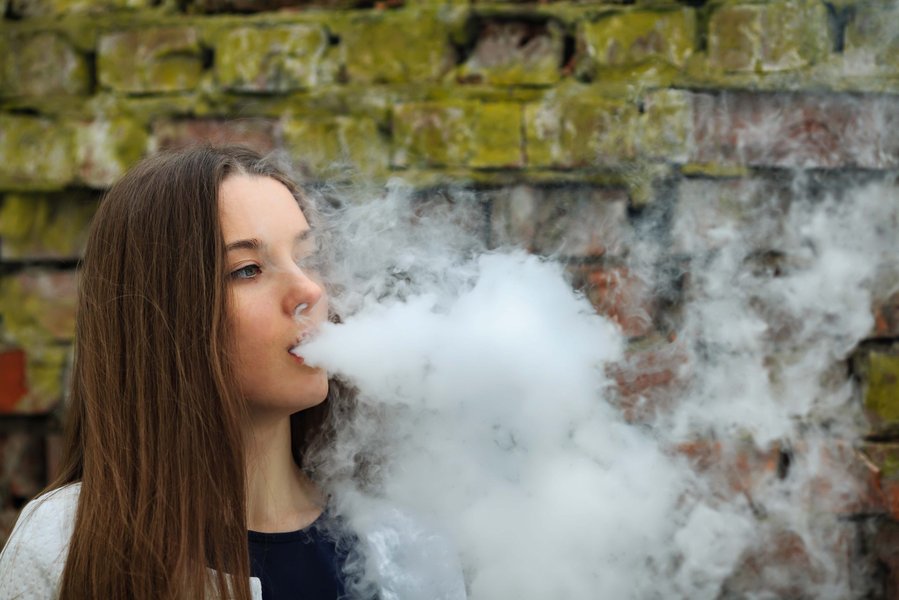
An illustration representing the rising concern of teen vaping.
Respiratory System Damage: Lungs Under Siege
Vaping has been directly linked to various respiratory problems and lung damage. A significant concern is Chronic Obstructive Pulmonary Disease (COPD), a debilitating lung condition characterized by obstructed airflow from the lungs. Recent analyses, including one in April 2025, have found a significant association between exclusive e-cigarette use and a higher risk of developing COPD. This indicates that vaping is not merely an irritant but can cause irreversible lung damage.
Furthermore, rare but severe cases of lung injury, collectively known as E-cigarette or Vaping Use-Associated Lung Injury (EVALI), gained prominence in 2019-2020, with many linked to products containing THC or vitamin E acetate. While steps have been taken to address these specific culprits, the risk of lung damage from inhaled chemicals in e-liquids, including flavoring chemicals, remains. Some flavorings, like diacetyl, have been linked to "popcorn lung" (bronchiolitis obliterans), which causes inflammation and scarring in the small airways of the lungs.
Cardiovascular System Concerns: A Burden on the Heart
Beyond the lungs, vaping poses risks to cardiovascular health. Research indicates that chronic e-cigarette users may experience impaired blood vessel function, which could increase their susceptibility to heart disease. Studies have also associated exclusive e-cigarette use with a higher risk of high blood pressure, a known contributor to heart conditions. The combined use of e-cigarettes and traditional cigarettes ("dual use") is considered to pose an even greater risk to cardiovascular health than using either product alone, negating any perceived harm reduction benefits.
Exposure to Harmful Chemicals: An Unknown Future
The aerosol from vaping devices contains a myriad of chemicals, many of which are not fully identified or tested for their long-term inhalation effects. These include:
- Heavy Metals: Traces of heavy metals like lead, nickel, and chromium can be found in the aerosol, originating from the heating coil or device components.
- Volatile Organic Compounds (VOCs): Chemicals such as formaldehyde and acetaldehyde, known carcinogens, can be produced when e-liquids are heated.
- Carbonyl Compounds: These toxic compounds, including acrolein, are irritating to the respiratory tract and can cause cell damage.
- Flavoring Chemicals: While "food-grade" flavorings are generally safe for ingestion, their safety when inhaled is largely unknown and a subject of ongoing research. Some have already been linked to lung damage.
The long-term effects of inhaling these substances are still under investigation, but initial findings suggest potential for chronic disease development, including cancer and adverse reproductive outcomes.
Other Health Concerns and Risks
- Accidental Injuries: Malfunctioning batteries in vaping devices have been known to explode or catch fire, causing severe burns, often to the face, hands, and other body parts.
- Poisoning: E-liquids, especially those containing nicotine, can be toxic if ingested, posing a significant risk to young children and pets.
- Pregnancy Risks: Vaping is not safe during pregnancy. Nicotine exposure can harm the developing fetus's brain and other organs.
- Mental Health: Some studies suggest a link between youth vaping and symptoms of anxiety and depression, potentially due to nicotine's effects on brain chemistry or withdrawal symptoms.
Vaping's Unique Impact on Youth and Non-Smokers
For individuals who have never smoked, particularly children, teenagers, and young adults, initiating vaping introduces a significant health hazard. It exposes them to nicotine addiction without any prior habit of combustible tobacco use, potentially acting as a "gateway" to traditional smoking.

A visual representation of the increasing trend of vaping among teenagers.
The allure of appealing flavors and sleek device designs has contributed to the widespread adoption of vaping among youth, making e-cigarettes the most commonly used tobacco product among U.S. adolescents. This trend threatens to reverse decades of progress in reducing tobacco use among young people.
The Gateway Effect: From Vaping to Smoking
Research indicates that young people who vape but have never smoked traditional cigarettes are more likely to take up combustible tobacco smoking later. This "gateway effect" is a serious concern, as it can lead to a lifetime of nicotine dependence and associated health problems.
Regulatory Landscape and Safety Precautions
Regulatory bodies worldwide are increasingly addressing the risks of vaping. While the FDA has not approved any e-cigarette as a safe and effective smoking cessation aid, regulations are evolving to control nicotine levels and product formulations. Consumers are generally advised to:
- Purchase vape products only from reputable, licensed retailers or dispensaries.
- Avoid modifying devices or e-liquids.
- Steer clear of illicit or unregulated products, as these are more likely to contain harmful additives like vitamin E acetate or undisclosed substances.
Even with these precautions, the inherent risks associated with inhaling aerosolized chemicals and nicotine remain.
Comparing Vaping and Smoking: A Nuanced Perspective
When assessing the safety of vaping, it is often compared to traditional cigarette smoking. While vaping is generally considered less harmful than smoking due to the absence of combustion and the thousands of toxic chemicals released from burning tobacco, it is crucial to reiterate that "less harmful" does not mean "safe."
The table below provides a comparative overview of the health risks associated with vaping versus traditional smoking:
| Risk Category | Vaping (E-cigarettes) | Traditional Smoking (Combustible Cigarettes) |
|---|---|---|
| Nicotine Addiction | High risk, especially for youth; can affect brain development. | Very high risk; primary driver of continued use. |
| Chemical Exposure | Nicotine, flavorings, heavy metals, VOCs, carbonyl compounds. Long-term effects of many chemicals unknown. | Thousands of chemicals, including tar, carbon monoxide, and over 70 known carcinogens. |
| Lung Damage | Associated with COPD, EVALI, "popcorn lung" (bronchiolitis obliterans), lung inflammation, irreversible damage. | Causes COPD, emphysema, chronic bronchitis, lung cancer, and other respiratory diseases. |
| Cardiovascular Risk | Impaired blood vessel function, increased risk of high blood pressure, potential for heart disease. | Significantly increased risk of heart attack, stroke, peripheral artery disease, heart failure. |
| Cancer Risk | Plausible increased risk from certain chemicals; long-term studies ongoing. | Directly causes multiple types of cancer (lung, throat, mouth, bladder, etc.). |
| Pregnancy Risks | Nicotine can harm fetal brain development. | Significant risks including premature birth, low birth weight, birth defects, SIDS. |
| Explosion/Fire Risk | Yes, due to faulty batteries. | Yes, fire hazard from lit cigarettes. |
| FDA Approval for Cessation | No e-cigarette is FDA-approved as a safe and effective smoking cessation aid. | Several nicotine replacement therapies (NRTs) and medications are FDA-approved. |
This comparison highlights that while vaping may present a different profile of harm, it is not a benign activity. For non-smokers, starting to vape means introducing avoidable health risks.
Assessing Vaping's Harm Profile: A Radar Chart Analysis
To further illustrate the multifaceted nature of vaping's health risks, we can visualize key concerns on a radar chart. This chart provides an opinionated analysis of the severity of various health risks associated with vaping based on current scientific understanding. Each axis represents a specific health risk, with higher scores indicating a greater degree of concern. This visual aims to convey that while some risks might be lower than traditional smoking, vaping is far from risk-free across multiple dimensions.
As the chart illustrates, while traditional smoking often scores higher on immediate and well-established risks like respiratory damage and cardiovascular impact due to combustion products, vaping presents significant concerns, particularly in nicotine addiction, chemical exposure toxicity (where long-term effects are still emerging), and the high vulnerability it poses to youth and non-smokers who may become newly addicted.
A Mindmap of Vaping's Health Impact
To further contextualize the discussion, this mindmap visually outlines the key aspects of vaping and its impact on health, highlighting the central theme that vaping is not safe, along with its various associated risks and considerations.
(No, it's not safe!)"] HealthRisks["Significant Health Risks"] NicotineAddiction["Nicotine Addiction"] AdolescentBrain["Adolescent Brain Development Affected"] BehavioralAddiction["Behavioral Addiction"] RespiratoryIssues["Respiratory Issues"] COPD["COPD Risk"] EVALI["EVALI (Lung Injury)"] PopcornLung["'Popcorn Lung' (Bronchiolitis Obliterans)"] LungInflammation["Lung Inflammation"] CardiovascularRisks["Cardiovascular Risks"] ImpairedBloodVesselFunction["Impaired Blood Vessel Function"] HighBloodPressure["High Blood Pressure"] HeartDiseaseRisk["Increased Heart Disease Risk"] ChemicalExposure["Chemical Exposure & Toxicity"] HeavyMetals["Heavy Metals (Lead, Nickel, Chromium)"] VOCs["Volatile Organic Compounds (Formaldehyde)"] CarbonylCompounds["Carbonyl Compounds (Acrolein)"] FlavoringChemicals["Untested Flavoring Chemicals"] OtherConcerns["Other Concerns"] ExplosionRisk["Device Explosion/Fire Risk"] Poisoning["E-liquid Poisoning"] PregnancyRisks["Risks During Pregnancy"] MentalHealth["Mental Health (Anxiety, Depression)"] ComparisonToSmoking["Compared to Traditional Smoking"] LessHarmful["Less Harmful (No Combustion, Tar)"] NotHarmless["NOT Harmless (Still Harmful Chemicals)"] YouthNonSmokers["Risks for Youth & Non-Smokers"] GatewayToSmoking["Gateway to Smoking"] NewAddiction["New Nicotine Addiction"] BrainDevelopment["Impact on Brain Development"] RegulatoryAspects["Regulatory & Safety Advice"] NoFDAApproval["No FDA Approval for Cessation"] ReputableSources["Buy from Reputable Sources"] AvoidIllicitProducts["Avoid Illicit/Modified Products"] Conclusion["Overall Consensus"] NotSafe["Vaping Is Not Safe"] AvoidIfPossible["Avoid If Not a Smoker"] ConsultProfessionals["Consult Professionals for Cessation"]
This mindmap clearly illustrates that while vaping might be positioned as an alternative, its inherent risks, particularly concerning chemical exposure, addiction, and the long-term impact on vital organs, underscore that it is not a safe option for health.
A Doctor Explains Vaping's Dangers
For a deeper understanding of the health risks associated with vaping, particularly for teenagers, this video features a medical professional explaining the impact of vaping on the lungs and body. It underscores the severity of the health concerns that medical experts are observing.
This video delves into the clinical perspective, providing a professional assessment of how vaping affects the body, particularly highlighting the vulnerable adolescent population. It reinforces the message that despite popular perception, vaping is far from benign.
Frequently Asked Questions (FAQ)
Is vaping safer than smoking traditional cigarettes?
What are the main health risks associated with vaping?
Can vaping help me quit smoking?
Is vaping safe for teenagers and young adults?
Are flavored e-liquids safe?
Conclusion
In summary, the pervasive notion that vaping is entirely safe is a dangerous misconception. While it may reduce exposure to some of the most harmful combustion products found in traditional cigarettes, vaping introduces its own unique and significant array of health risks. From severe nicotine addiction and its profound impact on brain development, particularly in adolescents, to potential irreversible damage to the lungs and cardiovascular system, the evidence is clear: vaping is not benign. For non-smokers and youth, initiating vaping is an unnecessary health hazard that can lead to lifelong dependence and serious health complications. Health authorities worldwide consistently advise against vaping, emphasizing the importance of evidence-based smoking cessation methods for those looking to quit tobacco. The long-term consequences of widespread vaping are still unfolding, but current research points towards a future where its health impacts will be as clearly understood and detrimental as those of combustible tobacco.
Recommended Further Exploration
- What are the long-term health effects of chronic vaping?
- How does nicotine from vaping affect adolescent brain development?
- What are the FDA-approved methods for smoking cessation?
- How are different countries regulating vaping products and e-liquids?