
Navigating the Climate Crossroads: Impacts and Solutions by 2050 and Beyond
Understanding the Projected Future and Our Collective Path Forward
Key Insights into Our Climate Future
- Escalating Impacts: By 2050, the world is projected to experience significant increases in global temperatures, sea levels, and the frequency and intensity of extreme weather events like heatwaves, droughts, floods, and wildfires. These changes will have profound consequences for human health, economies, and ecosystems.
- Urgency of Action: What humanity does between now and 2030 will critically determine whether warming can be slowed enough to avert the most severe climate change impacts. Swift and substantial reductions in greenhouse gas emissions are essential, with a goal of achieving "net zero" carbon emissions by 2050 or sooner.
- Multi-faceted Solutions: Addressing climate change requires a comprehensive approach encompassing rapid decarbonization of energy and transportation sectors, increased investment in renewable energy, sustainable land management, improved energy efficiency, and a societal shift towards more sustainable practices. Both mitigation (reducing emissions) and adaptation (coping with impacts) are crucial.
Climate change is not merely a distant threat; it is a present reality with far-reaching consequences that are already impacting human and natural systems worldwide. Projections for the coming decades, particularly leading up to and beyond 2050, highlight an intensification of these impacts, underscoring the critical need for urgent and comprehensive action. The severity of future effects hinges directly on the decisions and efforts undertaken today to reduce greenhouse gas emissions and enhance resilience.
The Unfolding Landscape of Climate Change by 2050
As the planet continues to warm due to increased human emissions of heat-trapping gases, scientists project a significant transformation of Earth's climate system. These changes are expected to manifest across various environmental parameters, leading to a cascade of societal and ecological challenges.
Temperature Trends and Heat Extremes
Global average temperatures are predicted to continue their upward trajectory. By 2050, global temperature is projected to warm by approximately 1.5 degrees Celsius (2.7 degrees Fahrenheit) above pre-industrial levels, with potential increases of 2-4 degrees Celsius (3.6-7.2 degrees Fahrenheit) by the end of the century if emissions continue at current rates. This seemingly small shift in average temperature translates to substantial increases in regional heat extremes.
Many cities in the United States, for instance, are expected to experience significantly warmer winters and summers. Midwestern cities like Chicago, Cleveland, and Detroit could see winter low temperatures rise by about 5.5°F. The number of days with high temperatures above 90°F is projected to increase across the U.S., particularly towards the century's end. Summertime temperatures that were historically among the hottest 5% between 1950-1979 could occur at least 70% of the time by 2035-2064 under scenarios of continued greenhouse gas growth.
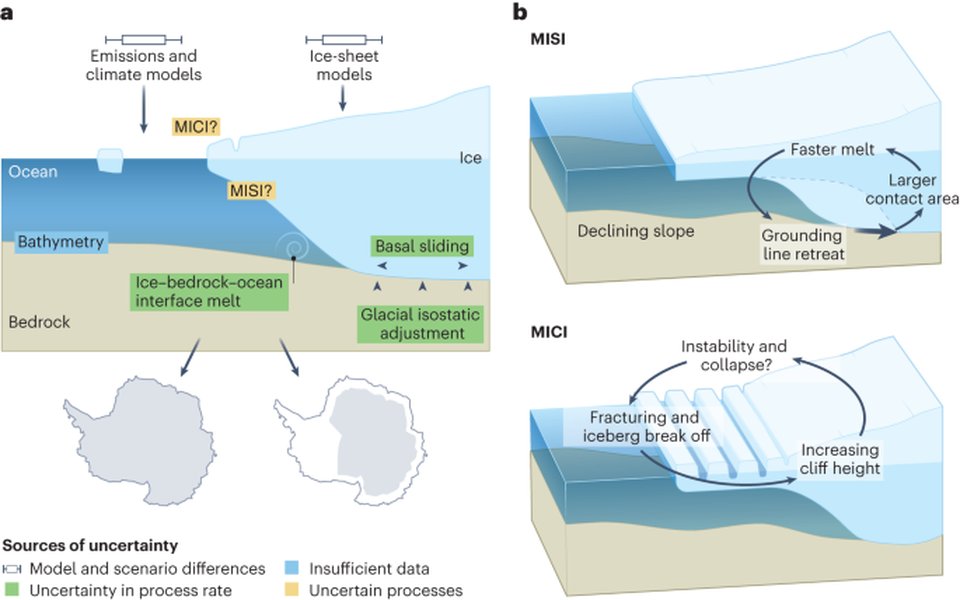
Projected global temperature changes under various emissions scenarios.
Rising Sea Levels and Coastal Impacts
One of the most direct and concerning consequences of a warming planet is the rising sea level. This phenomenon is driven by two primary mechanisms: the melting of glaciers and ice sheets (adding water to oceans) and the thermal expansion of ocean water as it warms. Since 1870, global sea level has risen by approximately 7.5 inches. Projections indicate that the U.S. coastline could see an average rise of 10 to 12 inches in just the next 30 years (2020 to 2050), a rate equivalent to the rise observed over the entire last century (1920 to 2020).
By 2050, coastal properties valued at up to $106 billion are likely to be below sea level. This poses significant risks to coastal communities, infrastructure, and ecosystems, necessitating the development of flood defenses and better-draining pavements to manage increased stormwater and floods.
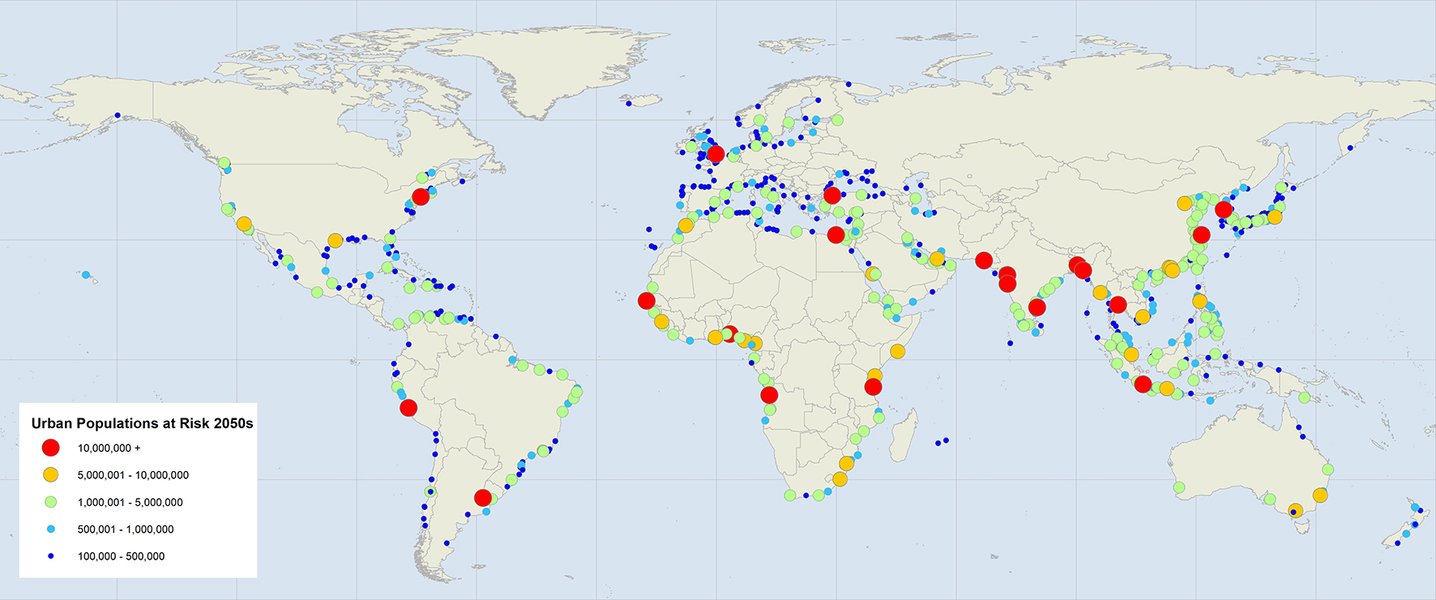
Visualizing the impact of sea level rise on coastal cities by 2050.
Extreme Weather and Environmental Degradation
Climate change is intensifying extreme weather events. The frequency and severity of heatwaves, droughts, floods, and wildfires are projected to increase. Wildfires in Western states, for instance, are anticipated to consume two to six times more land by around 2050. Precipitation patterns will also shift, leading to more frequent and intense heavy rainfall in some regions while others experience prolonged droughts. These shifts can exacerbate issues like soil erosion, desertification, and biodiversity loss.
The Arctic is particularly vulnerable, warming at least twice as fast as the global average, with melting land ice contributing significantly to global sea level rise. Beyond direct impacts, ocean ecosystems are also changing as sea-surface temperatures rise and oceans absorb excess carbon dioxide, leading to ocean acidification that can have irreversible consequences for marine life over centennial to millennial timescales.
Societal and Economic Consequences of a Changing Climate
The environmental changes projected for 2050 and beyond will have profound and widespread impacts on human societies, economies, and public health.
Health and Human Well-being
The health implications of climate change are dire. By 2050, the climate crisis could lead to an additional 14.5 million deaths, primarily from heat-related illnesses, malnutrition due to disruptions in food production, and insect-borne diseases exacerbated by changing weather patterns. Economic losses could reach $12.5 trillion, with an additional $1.1 trillion in extra healthcare costs globally.
Specific health impacts predicted include:
- Increases in summer heat-related mortality and morbidity.
- Increased risk of accidents and impacts on well-being from extreme weather events like floods, fires, and storms.
- Disruption of healthcare access, especially in vulnerable regions.
- Changes in the distribution of disease vectors like mosquitoes, leading to shifts in areas affected by vector-borne diseases.
Economic Disruption and Migration
The economic costs of climate change are already substantial and are projected to escalate dramatically. By 2049, annual costs from climate change effects could exceed $38 trillion. These costs stem from property damage due to extreme weather, disruptions to agriculture and food security, increased healthcare expenditures, and decreased labor productivity due to heat stress.
Climate change is also expected to drive significant human migration. By the middle of the century, estimates suggest that 200 million people could be permanently displaced "climate migrants," seeking shelter in areas better equipped to handle the changing environment. This will undoubtedly lead to security stresses and put pressure on social institutions globally.
The Path Forward: Solutions to Mitigate and Adapt
Despite the daunting projections, there is still time to mitigate the worst impacts of climate change and adapt to the changes that are already inevitable. This requires a concerted effort from individuals, communities, governments, and industries.
Decarbonizing Energy and Transportation
The cornerstone of climate action is ending reliance on fossil fuels and vastly raising ambitions for emissions reductions. Key strategies include:
- Investing in Renewable Energy: Scaling up wind, solar, and other renewable energy sources is paramount. This is highlighted as one of the most cost-effective and impactful solutions.
- Phasing out Fossil Fuels: Keeping fossil fuels in the ground and transitioning away from oil, gas, and coal-powered energy for homes and industries is crucial.
- Sustainable Transportation: Switching to electric vehicles (EVs) and developing sustainable public transport options can significantly reduce emissions. Many countries are setting targets to phase out gas-powered vehicles by 2035.
Enhancing Efficiency and Sustainable Practices
Beyond energy sources, improving efficiency and adopting sustainable practices across various sectors is vital:
- Energy Efficiency: Making homes and buildings more energy-efficient can reduce carbon footprints. This includes better insulation, efficient appliances, and smart energy management.
- Reducing Food Waste and Shifting Diets: Addressing food waste and promoting plant-rich diets can significantly lower agricultural emissions.
- Sustainable Agriculture and Land Use: Improving farming practices, encouraging regenerative agriculture, protecting natural habitats, and afforestation (planting trees) can absorb and store billions of tons of carbon.
Adaptation and Resilience Building
While mitigation is about preventing further warming, adaptation focuses on coping with the impacts that are already occurring or are unavoidable. This includes:
- Building flood defenses and installing better-draining pavements.
- Planning for heatwaves and higher temperatures, especially in urban areas.
- Developing early warning systems for extreme weather events.
- Investing in resilient infrastructure that can withstand future climate risks.
- Supporting vulnerable communities, particularly in developing countries that are disproportionately affected.
Here's a table summarizing key solutions and their potential impacts:
| Solution Category | Key Actions | Expected Climate Impact |
|---|---|---|
| Energy Transition | Invest in solar and wind power, phase out fossil fuels, develop smart grids. | Significant reduction in greenhouse gas emissions, decreased air pollution. |
| Sustainable Transportation | Promote electric vehicles, expand public transport, encourage walking/cycling. | Reduced transportation emissions, improved urban air quality. |
| Building & Infrastructure | Increase energy efficiency in homes and buildings, implement green building codes. | Lower energy consumption for heating and cooling, reduced carbon footprint of urban areas. |
| Land Use & Agriculture | Protect forests, reforestation, regenerative agriculture, reduce food waste. | Enhanced carbon sequestration, improved soil health, biodiversity protection. |
| Carbon Capture & Storage | Develop technologies to capture CO2 from industrial sources and the atmosphere. | Direct removal of CO2 from the atmosphere, critical for hard-to-abate sectors. |
| Adaptation Measures | Build flood defenses, develop early warning systems, climate-resilient infrastructure. | Increased resilience to extreme weather, protection of lives and assets. |
Projected Climate Impact by Sector: A Radar Chart Analysis
To better understand the multifaceted nature of climate change impacts and the areas where solutions are most critical, we can analyze the projected impact across different sectors. This radar chart visualizes the expected severity of climate change impacts on various aspects of our world by 2050, assuming a moderate emissions scenario where current policies continue without drastic new interventions.
The chart demonstrates how different facets of society and the environment are likely to be affected. For instance, "Health and Human Well-being" and "Coastal Infrastructure" are expected to face very high impacts due to heatwaves, disease spread, and sea level rise, respectively. "Food Security" is also highly vulnerable to droughts and changing precipitation patterns. "Ecosystem Health" is severely threatened by rising temperatures, ocean acidification, and habitat loss. "Economic Stability" will be undermined by increased disaster costs and disruptions to various industries. While "Energy Reliability" might see some stress from extreme weather, the transition to renewables could offer some resilience compared to sectors directly exposed to environmental shifts.
A Glimpse into Our Climate Future: Video Perspective
To further contextualize the urgency and potential impacts of climate change by 2050, it is beneficial to explore visual representations and expert discussions. The following video offers a compelling look at what our world could look like if we continue on the current trajectory of climate change, emphasizing the importance of immediate action to shape a more sustainable future.
This video, "Climate Change: What Will Our Lives Look Like in 2050?", provides a scenario-based overview of potential future climate impacts, from health crises to food shortages. It underscores the critical crossroads humanity faces and the stark choices that will determine the quality of life for future generations. The video serves as a powerful reminder that while the future is not yet set, the consequences of inaction are severe, compelling us to consider how our daily decisions contribute to the larger climate narrative.
Frequently Asked Questions About Future Climate Change
What specific changes in temperature are expected by 2050?
How will sea level rise impact coastal areas by mid-century?
What are the main health impacts expected from climate change by 2050?
Can technology provide all the solutions to climate change?
Recommended Further Exploration
- How to achieve net-zero carbon emissions by 2050?
- What are the projected impacts of climate change on global food security?
- What are effective climate change adaptation strategies for coastal cities?
- What is the role of natural climate solutions in carbon sequestration and biodiversity?
References
Last updated May 21, 2025