
Role of Vigan Empanada in Promoting Cultural Tourism
A culinary journey into Vigan's rich heritage and community spirit
Key Takeaways
- The Vigan Empanada is a powerful cultural symbol: It encapsulates centuries-old culinary traditions and offers visitors an authentic taste of Vigan’s cultural evolution.
- Cultural and economic impact: As a culinary ambassador, the empanada boosts local tourism, supports small businesses, and helps preserve traditional cooking methods across generations.
- Multifaceted role: Beyond being a delicious snack, it narrates historical anecdotes, fosters community engagement through interactive events, and plays a pivotal role in cultural education.
Historical and Cultural Context
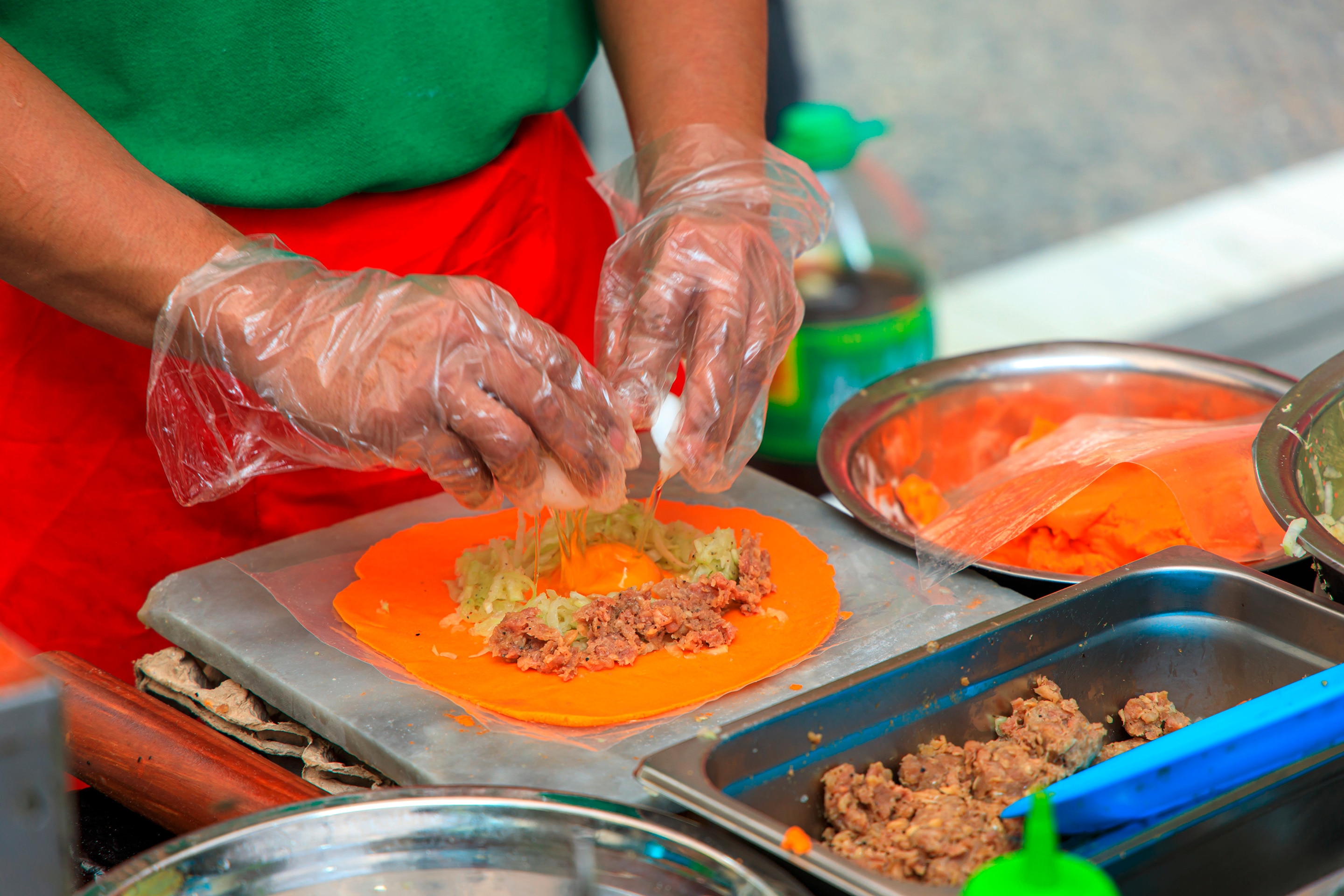
The Vigan Empanada is much more than a local delicacy; it is a culinary artifact that reflects the historical journey and cultural evolution of Vigan City. Its roots lie in the fusion of indigenous culinary practices and Spanish colonial influences, creating a unique blend that serves as a symbol of the region’s identity. The use of rice flour and egg whites for the dough, combined with a mix of regional ingredients like green papaya, mung bean sprouts, cabbage, and carrots, speaks to both resourcefulness and creativity. The occasional inclusion of local sausage, or Vigan Longganisa, further solidifies its status as an emblem of local flavor.
Traditional Roots
Colonial Influences and Indigenous Innovation
The origins of the Vigan Empanada date back to the Spanish colonial period, during which a variety of culinary techniques and ingredients were introduced to the Philippines. Over the centuries, local cooks adapted these influences by integrating available indigenous ingredients, leading to the creation of a distinctive snack that resonates with the region’s history. This evolution not only symbolizes the adaptation of foreign techniques to suit local palates but also highlights the dynamic character of Filipino culinary traditions that continue to be passed down through generations.
Symbol of Local Identity
Serving as an edible representation of Vigan's rich past, the empanada acts as a bridge between the present and the historical narratives of the city. Each empanada is a piece of living history; its preparation, presentation, and consumption are all acts of cultural preservation. Local vendors, many of whom have inherited the recipe from their forebears, play a critical role in ensuring that traditional methods are not lost to modern practices. The dish’s popularity among both locals and tourists underscores its value as a cultural touchstone.
Culinary Storytelling and Sensory Experience
Food is an essential medium for storytelling, and the Vigan Empanada is a key narrative tool in this regard. Its ingredients and preparation techniques tell stories of agricultural abundance, resourcefulness, and community connection. For many visitors, tasting a well-prepared empanada means more than just savoring a crispy, flavorful snack; it is an immersive experience that connects them to a distinctive culinary tradition.
A Sensory Journey into Ilocano Heritage
The sensory experience of biting into a Vigan Empanada – the satisfying crunch of the fried dough, the warm blend of vegetables and meat, and the subtle hints of local seasoning – encapsulates the art of culinary storytelling. Each flavor is intertwined with a historical narrative, providing a tangible connection to the legacy of the Ilocano people. Whether consumed from a bustling street stall along Crisologo Street or at a quiet local market, the empanada offers a multisensory gateway into the history and culture of the region.
Culinary Craftsmanship and Technique
The meticulous process of making the Vigan Empanada preserves the craftsmanship and culinary artistry passed down through generations. Traditional techniques, such as hand-rolling the dough and preparing the unique filling, are valued not only for their culinary outcomes but also for the cultural knowledge they embody. Demonstrations of these techniques during festivals and cooking classes serve to educate tourists about the importance of preserving these practices, while also reinforcing a sense of pride among local artisans.
Economic Impact and Community Engagement
The economic implications of the Vigan Empanada extend far beyond its role as a beloved snack. It acts as an economic stimulant that supports local communities by attracting a steady flow of tourists eager to partake in an authentic cultural experience. Its widespread popularity fosters a thriving street food culture in Vigan, where small vendors, family-run stalls, and local markets benefit from the continual influx of both domestic and international visitors.
Boosting the Local Economy
As a widely recognized and cherished culinary symbol, the Vigan Empanada contributes significantly to the region’s economy. Sales at local food stalls not only generate income for individual vendors but also stimulate the broader market. This economic activity, in turn, helps sustain local agriculture and encourages the continuation of traditional food production practices. Furthermore, tourist spending related to food culture is often re-invested in the community, bolstering infrastructure and preserving historical sites.
Fostering Community Pride and Interaction
Local festivals, culinary tours, and cooking demonstrations centered around the empanada are powerful tools for community engagement. They create platforms where residents can share their heritage with visitors, fostering a sense of pride and belonging. These events not only educate tourists about local culinary practices but also serve as community gatherings that reinforce social bonds and celebrate cultural identity.
Economic and Cultural Benefits Table
| Benefit Facet | Description |
|---|---|
| Cultural Identity | Serves as a culinary icon that encapsulates centuries of tradition and adapts historical influences to present-day tastes. |
| Economic Growth | Stimulates the local economy by supporting small businesses, food vendors, and local agriculture through increased tourism. |
| Community Engagement | Facilitates interactive events, food festivals, and cultural demonstrations that bring together locals and tourists alike. |
| Culinary Innovation | Encourages creative adaptations while remaining rooted in tradition, helping to keep the recipe relevant for new generations. |
| Tourism Diversification | Enhances the overall cultural tourism portfolio of Vigan, making it more attractive as a destination with diverse offerings. |
Marketing and Branding Strategies
The Vigan Empanada has also emerged as a dynamic tool in the realm of culinary marketing and cultural branding. Local tourism boards and cultural promoters often feature this beloved snack in broader campaigns aimed at highlighting the unique aspects of Vigan’s heritage. Its striking appearance, memorable taste, and rich backstory make it an excellent candidate for digital storytelling through social media, travel blogs, and video documentaries.
Leveraging Social Media and Digital Platforms
In today’s digital age, sharing visual and narrative content about the Vigan Empanada has become an effective strategy to attract a global audience. Photographs and videos of street vendors skillfully preparing the empanada, alongside stories of local traditions and historical insights, are widely circulated online. This digital exposure reinforces the empanada's status as a cultural ambassador and stimulates interest in broader cultural tours of Vigan. Bloggers, travel influencers, and culinary experts frequently highlight the empanada as a must-try experience, thereby expanding its reach and appeal.
Integrating with Broader Tourism Campaigns
Beyond digital marketing, the Vigan Empanada is incorporated into comprehensive tourism campaigns that emphasize the city’s rich historical and cultural legacy. Tourist itineraries include stops at renowned empanada stalls, allowing visitors to sample the dish while exploring other cultural attractions in Vigan. Packaging the empanada as an integral part of the overall cultural experience not only increases its visibility but also reinforces the connection between cuisine and heritage.
Educational and Experiential Tourism
An essential aspect of the Vigan Empanada’s contribution to cultural tourism is its role in educational and experiential tourism. By actively engaging tourists in the culinary process, local communities offer immersive experiences that go far beyond passive consumption.
Interactive Cooking Classes and Workshops
Many local establishments and cultural centers now organize cooking demonstrations and hands-on workshops where visitors can learn the art of making the Vigan Empanada. These sessions provide detailed insights into the traditional techniques used to produce the empanada—from preparing the delicate rice flour dough to crafting a filling that harmoniously blends local vegetables and meat. Such interactive experiences transform tourists into active participants, deepening their appreciation for the cultural and culinary heritage of the region.
Heritage Walks and Culinary Tours
Organized heritage walks and culinary tours further enhance this immersive experience. These tours often include stops at historic sites, traditional markets, and artisanal food stalls where the empanada is a featured attraction. Participants learn about the historical significance of various landmarks while also understanding how the Vigan Empanada fits into the broader tapestry of local culinary traditions. This multifaceted approach helps to bridge the gap between historical education and gastronomic delight, leaving visitors with a well-rounded appreciation of Vigan’s cultural richness.
Challenges and Opportunities
Despite its celebrated status, the journey of the Vigan Empanada is not without challenges. Maintaining authenticity while adapting to modern tastes often requires a delicate balance. Local vendors must navigate the pressures of innovation and commercial viability without compromising the traditional recipes that define the empanada’s character.
Challenges in Preserving Authenticity
One of the most significant challenges is ensuring that traditional techniques and authentic ingredients remain at the forefront of production. As tourism grows, there is an increased likelihood that some vendors may experiment with modifications that stray from the traditional methods. While innovation in culinary arts is important, such changes can risk diluting the cultural significance and historical narrative embedded in the recipe. Ensuring quality control and consistency across various vendors is essential to maintain the empanada's reputation as a cultural icon.
Opportunities for Innovation and Expansion
On the flip side, opportunities also abound. There is potential for innovation that stays true to the cultural essence of the dish. For instance, introducing variations like a special empanada with added Vigan Longganisa or incorporating seasonal local ingredients can attract a broader audience without sacrificing authenticity. Moreover, collaborations between culinary experts, local artisans, and tourism promoters can lead to creative initiatives—such as themed culinary festivals and heritage days—that celebrate and rejuvenate interest in traditional dishes.
Conclusion
The Vigan Empanada stands as a vibrant emblem of cultural heritage that plays a multifaceted role in promoting tourism in Vigan City. Its historical roots, culinary craftsmanship, and sensory appeal make it much more than a simple snack; it is an edible narrative of a community’s history, ingenuity, and commitment to preserving its traditions. As both a culinary delicacy and a cultural ambassador, the empanada not only stimulates economic growth and community engagement but also provides visitors with an immersive, educational experience that bridges the past with the present.
By integrating the time-honored tradition of making Vigan Empanada into modern tourism strategies—from culinary classes and heritage walks to impactful social media campaigns—Vigan continues to celebrate its rich cultural identity while fostering economic and social development. The empanada’s role in cultural tourism reaffirms the value of food as a dynamic medium for storytelling and communal interaction, ensuring that the cultural treasures of Vigan remain vibrant and accessible to future generations.
References
- Vigan Empanada and the Gastronomic Treats of Ilocos - Sunstar PH
- Vigan Philippines - Festive Pinoy
- Vigan Empanada - Jon to the World
- Discovering the Rich Culture of Vigan City - Secret PH
- A Walk Through History with the Ilocos Empanada - Make Heritage Fun
- Vigan Empanada - Ang Sarap
- PH: The Ilocos Empanada: What Is It? - Tatler Asia
- Vigan City Food Trip Best Empanada - Zoy to the World
- The Hidden Complexities of the Vigan Empanada - FNB Report
- Rainy Day Recipes - Knorr Philippines
- The Happy Home Cook: Vigan Empanadas - Positively Filipino
- Ilocos Empanada Dissecting Batac and Beyond - Ivan Henares
Related Queries
Last updated February 18, 2025