
The Role of Vigan Empanada in Promoting Cultural Tourism
Exploring National Perspectives and Studies on Cultural and Economic Impact
Key Takeaways
- Cultural Identity: The Vigan Empanada represents a fusion of Spanish colonial influences and indigenous culinary traditions, contributing to the distinct cultural identity and heritage of Vigan City.
- Economic and Tourism Impact: Studies and national issues highlight the empanada's role in boosting local economies by attracting domestic and international tourists, while also stimulating community engagement and entrepreneurship.
- Preservation and Policy Challenges: Maintaining authenticity against the pressures of commercialization is a recurring concern, with recommendations emphasizing quality control, cultural mapping, and supportive local government policies.
Introduction
The Vigan Empanada is far more than a popular local snack; it is a powerful emblem of cultural identity and a cornerstone of cultural tourism in Vigan City, Ilocos Sur, Philippines. Over the past several years, academic studies and national issues have increasingly recognized its role in promoting the unique culinary heritage of the region while also contributing significantly to economic development. In this comprehensive analysis, we will explore the multifaceted contributions of the Vigan Empanada to cultural tourism, examine the national issues related to its preservation and commercialization, and present policy frameworks that underscore its importance as both a culinary delight and a cultural ambassador.
Cultural Significance and Identity
Historical and Culinary Heritage
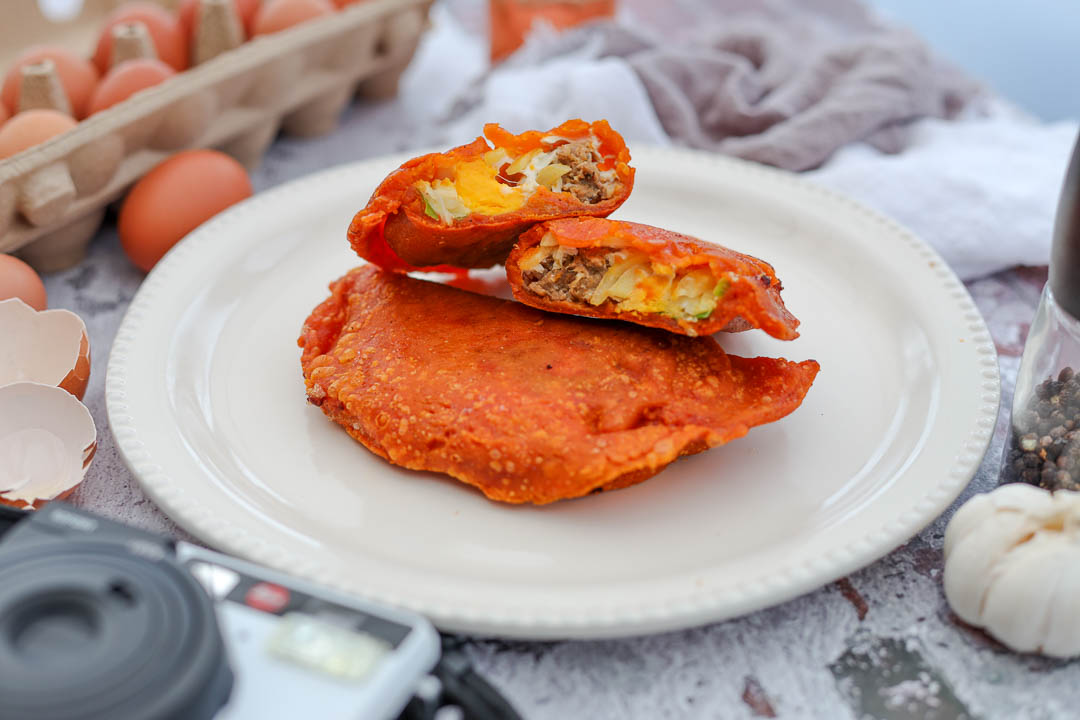
At the heart of Vigan’s cultural tourism lies the Vigan Empanada, a culinary masterpiece emblematic of the city’s rich historical tapestry. This iconic pastry is not merely a food item; it is a narrative of cultural synthesis. Its creation blends Spanish colonial culinary techniques with indigenous ingredients and flavors that have been refined over generations. The empanada’s distinctive characteristics—such as its rice-flour dough tinged with egg whites, bright orange coloration, and its savory filling featuring local vegetables, egg, and sometimes indigenous sausages—encapsulate the essence of Ilocano ingenuity and tradition.
National studies have documented the empanada as a living tradition. Its recipe, often passed down through families and safeguarded by local food vendors, serves as a cultural record. Researchers emphasize that preserving the traditional methods of preparation is crucial if the city is to retain its unique culinary narrative. This preservation is not only vital for maintaining the authenticity of the empanada but also works as a pedagogical tool for visitors who gain insight into regional history through gastronomic experiences.
Cultural Mapping and Identity Formation
Vigan integrates the empanada into broader cultural mapping initiatives that catalog and promote its rich heritage. Initiatives led by local cultural organizations and government units prioritize the documentation of traditional recipes and preparation techniques. This strategy elevates the empanada from a snack to a cultural artifact, thereby enhancing its appeal as an educational and tourism resource. By aligning the culinary tradition with the city’s identity as a UNESCO World Heritage site, studies suggest that the empanada reinforces a strong sense of cultural pride among residents and inspires a deeper appreciation among tourists.
Economic Impact and Tourism Enhancement
Stimulation of Local Economies
Beyond its cultural significance, the economic contributions of the Vigan Empanada to local tourism are profound. Research indicates that the empanada acts as a magnet for visitors, drawing food enthusiasts and cultural tourists alike. As tourists flock to Vigan specifically to sample this delicacy, there is a notable increase in revenue for local vendors, food stalls, and restaurants. This localized economic stimulation supports a wide network of small-scale enterprises, fostering entrepreneurship within the community.
National tourism studies underscore that the economic flow generated by the empanada extends beyond immediate sales. By integrating the empanada into food tours and culinary festivals, the local government has successfully positioned Vigan as a destination where cultural heritage and gastronomy mutually reinforce each other. The influx of tourists not only boosts local business but also contributes to the wider regional economy, influencing areas such as transportation, accommodation, and other tourism-related sectors.
Promoting Cultural Tourism and Branding
The Vigan Empanada is frequently at the center of efforts to brand Vigan as a cultural tourism hub. Its presence in tourism guides, promotional materials, and digital platforms reinforces the city’s image as a place where culinary tradition meets historical richness. Policy frameworks developed by local government bodies integrate the empanada into broader cultural festivals and events—most notably, events that celebrate Vigan’s art and heritage. These efforts are twofold: they enhance the country's international culinary reputation while also ensuring that visitors experience local traditions in an immersive manner.
Marketing studies have noted that the distinctive appeal of the empanada supports longer visitor stays and broader explorations of the city’s heritage sites, including famous streets and historic plazas. The strategic incorporation of the empanada in cultural tours not only elevates visitor engagement but also transforms a simple culinary encounter into an experiential journey that integrates food, history, and local art.
Community Involvement and Economic Development
Integral to the empanada’s success in promoting cultural tourism is robust community involvement. Local residents are not merely passive custodians of a culinary tradition; they actively participate in the production, innovation, and marketing of the empanada. This participation fosters a deep sense of ownership and pride, which reflects positively on Vigan’s cultural narrative. Academic analyses have highlighted that when communities are involved in preserving their culinary heritage, the benefits extend to social cohesion and sustainable economic development.
Economic studies suggest that the empanada offers a blueprint for other regional specialties to be similarly integrated into local tourism strategies. By harnessing the collective passion of the community, Vigan has created a self-sustaining model where cultural preservation and economic growth mutually reinforce one another. The results are evident through increased local employment, enhanced artisanal skills, and a broadened appeal to a diverse tourist demographic.
Challenges of Commercialization and Quality Control
Balancing Authenticity and Mass Production
Despite the numerous benefits, the commercialization of the Vigan Empanada brings forth unique challenges. Rapid commercialization can sometimes lead to the dilution of traditional culinary practices. Studies and national issues have raised concerns that modern adaptations and profit-driven modifications may compromise the authenticity of the empanada. As demand increases, there is a tendency for vendors to introduce shortcuts or modify recipes, which may result in a product that strays from its historical and cultural roots.
The central challenge lies in striking a delicate balance: while commercialization is necessary to meet tourist demand and generate economic benefits, it is critical to uphold the core elements that make the empanada culturally significant. Research has strongly recommended the development of stringent quality control protocols and certification processes that guarantee authenticity. Such measures would allow Vigan to capitalize on the empanada’s appeal while ensuring that its traditional essence remains intact.
Policy Recommendations and Sustainable Practices
In response to these challenges, national studies have proposed a range of policy frameworks aimed at protecting the integrity of the Vigan Empanada. Recommendations include the establishment of a local regulatory body or quality assurance committee responsible for monitoring production practices. This organization would work collaboratively with local food artisans to ensure that only empanadas meeting traditional standards are marketed as authentic.
Additionally, policies that promote sustainable tourism are increasingly vital. Such policies advocate for a model of tourism that not only generates economic benefits but also contributes to cultural preservation. Initiatives aimed at integrating the empanada into cultural festivals, culinary workshops, and heritage trails are seen as effective ways to lead sustainable growth. Policy frameworks also emphasize the importance of infrastructure development at tourism hotspots, ensuring that the local community benefits directly from increased tourist activity while maintaining cultural integrity.
Consumer Perceptions and Digital Influence
Impact of Social Media and Digital Marketing
In today’s digital age, consumer perceptions play a pivotal role in shaping the narrative around traditional foods like the Vigan Empanada. Studies analyzing digital marketing trends reveal that social media platforms and food blogs have substantially amplified the empanada’s reach on both a domestic and international level. Visually appealing content, combined with compelling storytelling around the empanada’s heritage, has resulted in a surge of interest from a global audience.
Digital promotion has become a key driver for cultural tourism. Photos, videos, and blog posts about the Vigan Empanada encourage potential visitors to experience its unique flavors and cultural authenticity firsthand. These digital narratives enhance consumer perceptions, positioning the empanada as not only a culinary delight but also a symbol of cultural pride and historical continuity.
Tourist Engagement and Cultural Education
Furthermore, tourist interactions with the empanada experience tend to be highly educational. Food tours that include demonstrations of empanada preparation allow visitors to witness the intricate process that has been honed over generations. These immersive experiences provide tangible insights into local culinary techniques and the broader historical narrative of the region.
The combination of visual art, culinary practice, and storytelling creates a learning experience that deepens visitor appreciation for the region's heritage. Such engagement not only reinforces the cultural value of the empanada but also promotes longer stays and increased spending in the local economy.
Comparative Analysis Table
Key Attributes of Studies and National Issues
| Aspect | Description | Impact on Tourism and Economy | Policy Recommendations |
|---|---|---|---|
| Cultural Preservation | Maintaining traditional recipes and culinary methods is vital for authentic identity. | Enhances visitor experience by offering genuine cultural insights. | Implement quality control measures and certification processes. |
| Economic Contribution | The empanada attracts food tourism and supports local businesses. | Generates revenue through increased sales and tourism activities. | Promote small-scale enterprises and community involvement. |
| Digital Influence | Social media and digital marketing amplify its reach. | Boosts international and domestic tourist engagement. | Utilize digital platforms to highlight culinary heritage. |
| Commercialization Challenges | Mass production risks diluting traditional practices. | Potential loss of cultural authenticity that could affect tourism appeal. | Develop policies balancing commercialization with preservation. |
| Government and Community Policy | Integrative policies support sustainable tourism and cultural events. | Encourages economic growth and cultural pride. | Invest in cultural festivals and heritage mapping initiatives. |
Integrating National Perspectives
Broader Implications for National Cultural Tourism
The national debates, studies, and policy discourses surrounding the Vigan Empanada illustrate a multi-layered approach to cultural tourism. The empanada serves as a microcosm for how culinary traditions can drive both cultural preservation and economic development. With the rising global interest in experiential travel, traditional food products like the Vigan Empanada are increasingly viewed as essential components of a region’s tourism identity.
The integration of cultural heritage into national tourism strategies involves incorporating local culinary traditions into broader initiatives. National policymakers have recognized that sustainable tourism is intricately linked to the preservation of heritage. Consequently, the success of the Vigan Empanada as a tourist attraction has prompted recommendations for similar approaches to be adopted in other regions. This strategy ensures that cultural tourism is not only a tool for economic gain but also a means to foster cultural exchange and historical education.
Challenges Addressed by National Policies
One of the recurring issues on the national agenda is the tension between commercialization and cultural integrity. As tourism flourishes, there is constant pressure to scale up production and simplify artisanal processes. National issues identified in several studies highlight the risk of losing the distinctive qualities that have made the Vigan Empanada a cultural icon. The need to balance economic benefits with cultural preservation is central to current policy recommendations.
Policymakers are challenged with creating frameworks that not only protect traditional methods but also encourage innovation that remains true to the cultural essence. Proposals include forming regulatory partnerships between government agencies and local artisanal groups. These partnerships aim to certify products, ensuring that they maintain authenticity even as they reach larger markets. Such policies are seen as essential for sustainable cultural tourism.
Conclusion
In conclusion, the Vigan Empanada is a multifaceted symbol of cultural heritage that plays a pivotal role in promoting cultural tourism in Vigan City. National studies and issues emphasize its contribution to cultural identity, economic dynamism, and community empowerment. However, the benefits that come with increased commercialization also bring challenges that must be managed carefully to preserve the tradition’s authenticity.
Strategic policy interventions, quality control mechanisms, and digital marketing efforts are all key to ensuring that the empanada continues to serve as both a culinary delight and a cultural ambassador for the region. By integrating these diverse perspectives, Vigan stands as a model for leveraging traditional foods to enhance cultural tourism, fostering both local pride and international appeal.
References
- A Walk Through History With the Ilocos Empanada - Make Heritage Fun
- Discovering the Rich Culture of Vigan City - Secret PH
- Vigan Empanada and the Gastronomic Treats of Ilocos - SunStar
- Vigan Empanada - Vigan Official Website
- Vigan Culture - Adventure Backpack
- The Impact of Tourism on Vigan City and Cultural Preservation - ResearchGate
- The Awareness and Authenticity of Gastronomic Tourism in Ilocos Region - ResearchGate
- Vigan City Food Trip: Best Empanada - Zoytotheworld
- Vigan City Food Trip: What to Eat - Zoytotheworld
- Cultural and Tourism Study (Scribd Document)
- The Timeless Beauty of Vigan - Medium
- Participation of the Residents of Vigan City in Promoting Heritage Tourism - LPU Laguna
- 5 Must-Try Delicacies in Vigan - Philippine Tourism USA
More
Last updated February 18, 2025