
National Studies on the Role of Vigan Empanada in Promoting Cultural Tourism
An in-depth exploration of cultural symbolism, economic contributions, and community empowerment
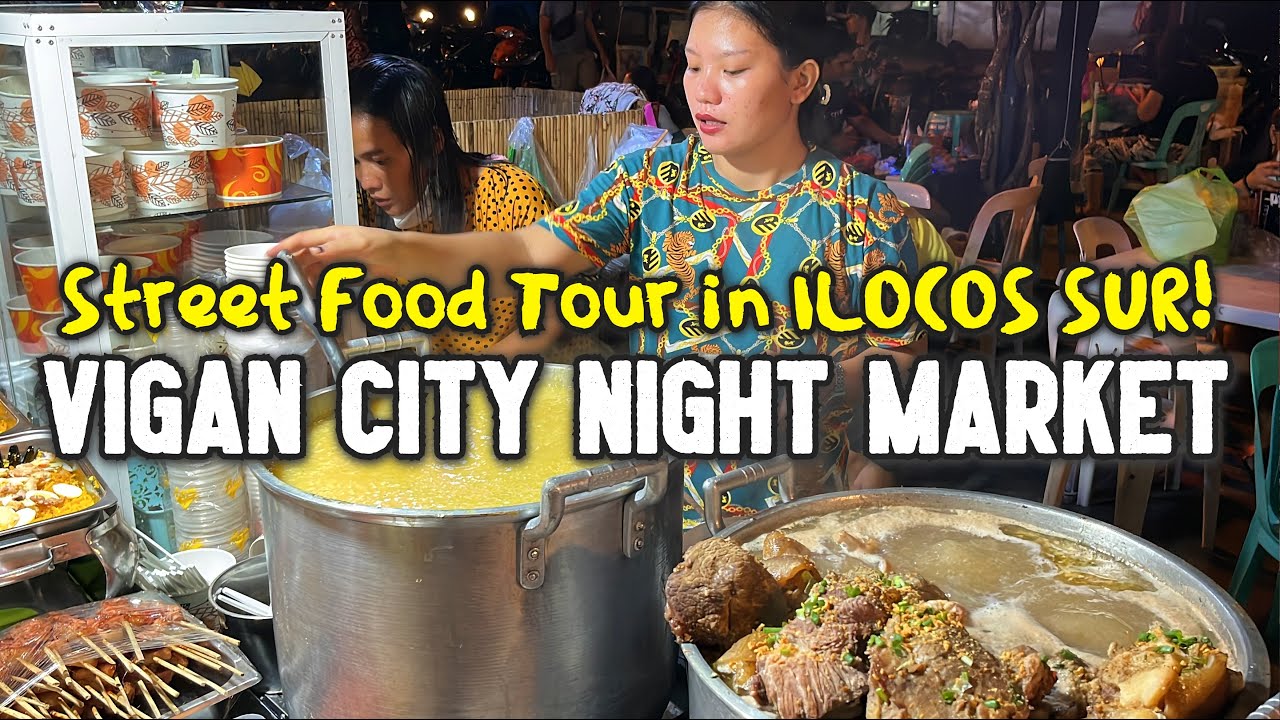
Key Takeaways
- Cultural Symbolism and Heritage Preservation: Vigan Empanada embodies centuries-old culinary traditions that represent a blend of Spanish and Filipino influences.
- Economic and Social Impact through Gastronomy Tourism: The delicacy drives economic growth by fostering local business and attracting both domestic and international tourists.
- Community Involvement and Sustainable Tourism Development: Production and sale of the empanada mobilize local communities, ensuring the longevity and authenticity of cultural practices.
Introduction
The Vigan Empanada is far more than a popular street snack; it is a cultural artifact that encapsulates the historical synthesis of culinary traditions in Vigan City—the heart of Ilocos Sur in the Philippines. National studies and research efforts have underscored its significance as a strategic tool for promoting cultural tourism. This extensive review highlights findings from studies on gastronomic tourism, cultural identity preservation, and community-based economic developments, emphasizing the multifaceted role of the Vigan Empanada. Integrating insights from scholarly research, tourism analyses, and culinary heritage studies, this paper presents an in-depth exploration of how Vigan Empanada drives cultural tourism.
Cultural Symbolism and Heritage Preservation
Historical Context and Culinary Evolution
Vigan Empanada is deeply rooted in Vigan’s history, tracing its origins to the Spanish colonial period when culinary practices were heavily influenced by both Eastern and Western traditions. The unique blend of Spanish, Chinese, and indigenous Filipino elements is reflected in the empanada’s ingredients and preparation techniques. Research shows that this delicacy has been reinterpreted over time, while its core attributes—such as the use of rice flour for the dough, the incorporation of local ingredients like green papaya and Vigan longganisa, and the bright orange hue from annatto seeds—remain largely intact. This steadfast commitment to authentic preparation is recognized as an essential factor in preserving cultural heritage.
Symbol of Local Identity
Studies indicate that the Vigan Empanada acts as a symbol of local identity. Its continued popularity is a testament to the community’s dedication to preserving an age-old culinary tradition. When tourists sample the empanada, they are not only experiencing a unique taste but also engaging with the history and cultural narratives embedded within the dish. It serves as a tangible link to Vigan’s rich historical tapestry, where indigenous culinary methods meet colonial influences, forming a distinctive gastronomic identity. Scholars argue that adopting and showcasing indigenous recipes is a robust method to safeguard and promote the region’s cultural identity.
Cultural Narratives and Storytelling
The Vigan Empanada is frequently used in cultural narratives and storytelling by local community leaders, tourism promoters, and cultural historians. It is often featured in festivals and cultural events as an “edible ambassador” that illustrates the fusion of local and foreign influences. This narrative reinforces Vigan’s reputation as a UNESCO World Heritage City, further boosting its profile on both national and international tourism circuits. Through food tours and cooking demonstrations, tourists gain insight into the culinary arts and local traditions, thereby deepening their understanding of the region’s cultural legacy.
Economic Impact and Gastronomy Tourism
Boosting Local Economy
A significant body of recent research emphasizes the economic benefits derived from the popularity of Vigan Empanada. Gastronomy tourism has emerged as a potent force in stimulating local economies, and Vigan Empanada is one of the iconic products that epitomizes this trend. The snack's popularity has spurred the development of a vibrant ecosystem of vendors, restaurants, and street food markets. Increased tourist footfall driven by culinary explorers has led to job creation, increased local investments, and the flourishing of ancillary services—ranging from guided food tours to culinary workshops.
Direct Economic Benefits
Local businesses benefit directly from the prosperity of Vigan Empanada. Many establishments have reported an upsurge in sales and increased tourist visits when the empanada is featured prominently in promotional materials and food festivals. This direct economic impact reinforces the significance of the empanada as a valuable tourism product in its own right. From small street vendors to established eateries, the production and sale of the empanada contribute significantly to the regional economy while supporting sustainable, community-driven economic growth.
Indirect Economic Contributions
In addition to direct benefits, the widespread popularity of the Vigan Empanada indirectly bolsters other sectors such as transportation, lodging, and cultural services. Tourists drawn by the allure of authentic Ilocano cuisine tend to explore other cultural and historical attractions within the city, creating a ripple effect that promotes overall tourism. Furthermore, government and private sector collaborations, such as culinary festivals and cultural exhibitions, increasingly incorporate the empanada as a staple event, ensuring that the local community gains both cultural and economic dividends.
Gastronomy Tourism and Branding
Scholars and national studies highlight the strategic role of gastronomy tourism in destination branding. Vigan Empanada is often branded as an “edible ambassador” that not only represents the local food culture but also enhances the overall experience of visiting Vigan. This branding initiative is central to diversifying Vigan’s tourism portfolio, making it a leading example of how culinary traditions can be leveraged to create robust and multifaceted tourism strategies. Marketing strategies, including digital promotions, traditional food fairs, and culinary tours, have been identified as key drivers in amplifying the empanada's appeal to both local and international markets.
Community Involvement and Sustainable Tourism Development
Empowering Local Artisans and Vendors
National investigations into cultural tourism consistently underscore the importance of community involvement in the promotion and preservation of culinary heritage. In Vigan, the production of empanadas is largely managed by local artisans and small-scale vendors. This grassroots production model not only preserves traditional culinary techniques but also empowers community members by creating employment opportunities and fostering entrepreneurial spirit. The role of the empanada in local festivals, street food markets, and pop-up culinary events demonstrates that cultural tourism is a community-led, sustainable model of economic development.
Social Cohesion and Knowledge Transmission
The making of Vigan Empanada is generally a family or community-centric activity, where age-old recipes and cooking techniques are passed from one generation to the next. Several national studies have highlighted that such knowledge transmission is vital for cultural preservation. This intergenerational sharing of expertise ensures that the authenticity of the empanada is maintained over time, contributing to the social cohesion of the community. Tourists often value the opportunity to witness these traditional practices firsthand, which enhances their appreciation of the local culture and fosters a sense of belonging.
Policy Support and Future Directions
Research also points out that for the sustainability of cultural tourism, policy-level interventions are essential. Local government units have been actively involved in safeguarding the authenticity of the Vigan Empanada. Policy initiatives have focused on regulating production methods, promoting best practices among local vendors, and supporting infrastructure development for culinary tourism. These policies not only preserve the heritage of Vigan’s culinary traditions but also stimulate ongoing improvements in tourism management, ensuring that the empanada continues to be a viable economic asset.
Comparative Analysis: National Studies Overview
A review of various national studies illustrates a broad consensus on several critical aspects regarding the role of the Vigan Empanada in promoting cultural tourism:
| Aspect | Description | Impact |
|---|---|---|
| Cultural Identity | Embodies a unique historical synthesis of Spanish and Filipino influences, preserves traditional culinary practices, and is integral to local identity. | Strengthens cultural narratives and promotes heritage preservation. |
| Economic Contribution | Attracts both domestic and international tourists through food tourism initiatives and supports local businesses and vendors. | Drives revenue and stimulates sustainable economic development. |
| Community Empowerment | Involves community participation in production, ensuring the transmission of cultural knowledge and fostering social cohesion. | Supports local livelihoods and promotes cultural continuity. |
The table above summarizes the core findings that are repeatedly emphasized in studies across the nation. Each of these aspects plays a vital role in ensuring that the Vigan Empanada remains both a culinary delight and a catalyst for cultural tourism.
Integrative Perspectives from National Studies
Sustainable Tourism Models and Gastronomic Experiences
National studies have explored sustainable tourism models that integrate gastronomic experiences with cultural heritage promotion. The Vigan Empanada, in this context, is seen as a microcosm of broader culinary tourism trends. Researchers observe that gastronomic tourism is not limited to food tasting; it is an experiential journey where tourists learn about local traditions, interact with vendors, and witness the preservation of age-old recipes.
These studies propose that effective tourism strategies in regions like Vigan should employ the concept of “edible heritage” – a term used to describe food items that not only provide flavor and nourishment but also serve as repositories of cultural memory. The Vigan Empanada, therefore, becomes a critical asset in developing tourism products that score high in both authenticity and experiential value. Its role as an authentic culinary symbol adds depth to the tourism experience, making visitors more willing to explore other facets of local culture.
Enhancing Tourist Experience through Multi-sensory Engagement
Research indicates that today’s tourists are increasingly seeking multi-sensory experiences in their travels. The Vigan Empanada is more than a taste—it is an experience that engages the senses. Its distinct aroma, texture, and vibrant color evoke a strong sense of place. National studies have demonstrated that when tourists participate in interactive food preparation sessions or engage in guided culinary tours centered on the empanada, their overall satisfaction and cultural appreciation are greatly enhanced.
These interactive experiences not only educate tourists about local culinary practices but also encourage them to share their positive encounters on social media platforms. This digital word-of-mouth further amplifies the visibility of Vigan as a cultural tourism destination. Some researchers predict that future developments in digital marketing and online engagement will continue to bolster the role of traditional dishes like the Vigan Empanada in tourism promotion.
Challenges and Future Research Directions
Ensuring Authenticity Amidst Commercialization
Despite the numerous benefits and the positive impact on cultural tourism, there are challenges associated with the commercialization of the Vigan Empanada. A recurring concern in national studies is the potential dilution of authenticity when traditional dishes are mass-produced for tourism markets. As demand increases, there is a risk that production methods could shift toward commercialization at the expense of preserving traditional techniques.
Researchers emphasize the importance of continuous monitoring and regulatory frameworks that help maintain the empirical presentation of authenticity. It is critical that local stakeholders, government agencies, and tourism promoters work together to strike a balance between economic growth and the preservation of cultural heritage. Future research may focus on developing standardized methods to assess the authenticity of culinary practices, ensuring that even as commercialization expands, the core identity of the Vigan Empanada remains protected.
Expanding the Research Scope
While several national studies have provided comprehensive insights into the role of gastronomy tourism in regional development, a specialized focus exclusively on the Vigan Empanada could yield further valuable findings. Future research directions may include:
- Exploring consumer perceptions of authenticity and how they influence purchase decisions.
- Assessing the impact of digital media on the branding and marketing of traditional dishes like the Vigan Empanada.
- Investigating the socio-economic outcomes for local communities involved in empanada production and sales.
- Developing sustainable tourism models that incorporate culinary heritage without compromising traditional values.
Such research initiatives would not only further validate the empirical findings of current studies but also provide nuanced data that could help refine local policies and tourism strategies. The integration of qualitative insights with quantitative data will be critical in understanding the dynamics of cultural tourism in a rapidly evolving global landscape.
Conclusion
National studies consistently demonstrate that the Vigan Empanada is a powerful symbol of cultural heritage, playing a multifaceted role in promoting cultural tourism in Vigan City. It exemplifies a perfect blend of historical influences, reflects robust community involvement, and drives significant economic benefits through gastronomy tourism. The empirical evidence suggests that the empanada contributes to reinforcing local identity, empowering communities, and generating sustainable economic development.
As tourism trends increasingly favor authentic cultural experiences, the continued celebration, preservation, and promotion of the Vigan Empanada will undoubtedly enhance Vigan’s status as a premier cultural destination. For policymakers, tourism developers, and local communities, understanding the integrated role of culinary heritage in cultural tourism remains vital. The collective insights from national studies provide a valuable blueprint for amplifying cultural identity and ensuring that the Vigan Empanada remains a cornerstone of sustainable tourism.
References
- Vigan City Food Trip: Best Empanada - Zoytotheworld
- A Taste of Vigan: Away from Vigan - Medium
- Wandering the Heritage City of Vigan - Travelfeed
- The Ilocos Empanada: What Is It? - Tatler Asia
- The Awareness and Authenticity of Gastronomic Tourism in Ilocos Region - ResearchGate
- Discovering the Rich Culture of Vigan City - Secret PH
- 5 Must-Try Delicacies in Vigan - Philippine Tourism USA
More
Last updated February 18, 2025