
The Role of Vitamin K2 in Calcium Absorption: Scientific Evidence and Implications
Introduction
Calcium is an essential mineral critical for various physiological processes, including bone formation, muscle contraction, nerve transmission, and blood clotting. The efficient absorption and utilization of calcium within the body are vital for maintaining overall health. Vitamin K2, a lesser-known but crucial nutrient, plays a significant role in the metabolism and distribution of calcium, influencing both bone and cardiovascular health. This comprehensive analysis delves into the scientific evidence surrounding the role of Vitamin K2 in calcium absorption, its mechanisms of action, and its broader health implications.
Understanding Vitamin K2
Vitamin K is a fat-soluble vitamin that exists in two primary forms: Vitamin K1 (phylloquinone) and Vitamin K2 (menaquinone). While Vitamin K1 is predominantly involved in blood clotting, Vitamin K2 has multifaceted roles, especially in bone and cardiovascular health. Vitamin K2 further subdivides into several menaquinones (MK-4 to MK-13), with MK-7 being the most studied due to its extended half-life and superior bioavailability compared to other forms.
Mechanisms of Vitamin K2 in Calcium Metabolism
Activation of Vitamin K-Dependent Proteins
Vitamin K2 facilitates the activation of specific proteins that regulate calcium distribution within the body. Two primary proteins influenced by Vitamin K2 are:
Matrix GLA Protein (MGP)
MGP is a potent inhibitor of vascular calcification. When activated by Vitamin K2, MGP binds to calcium ions, preventing their deposition in blood vessels and soft tissues. This mechanism is crucial for maintaining cardiovascular health, as it reduces the risk of arterial calcification, which is associated with conditions like atherosclerosis and increased cardiovascular events.
Osteocalcin
Osteocalcin is a protein synthesized by osteoblasts, the cells responsible for bone formation. Vitamin K2 activates osteocalcin, enabling it to bind calcium effectively to the bone matrix. This binding enhances bone mineralization, leading to increased bone density and strength. Proper function of osteocalcin reduces the risk of fractures and osteoporosis, particularly in populations vulnerable to bone density loss, such as postmenopausal women.
Scientific Evidence Supporting Vitamin K2's Role in Calcium Absorption
Bone Health
Numerous studies have established a positive correlation between Vitamin K2 intake and bone health. By activating osteocalcin, Vitamin K2 enhances the binding of calcium to the bone matrix, thereby improving bone mineral density (BMD) and reducing the incidence of fractures.
- Postmenopausal Women: A study involving postmenopausal women demonstrated that supplementation with 90 μg/day of Vitamin K2 significantly reduced bone loss, suggesting its potential in managing osteoporosis.
- Fracture Risk Reduction: Meta-analyses have indicated that higher Vitamin K2 intake is associated with a lower risk of hip fractures and improved bone strength.
- Bone Mineralization: Research shows that Vitamin K2 reduces levels of undercarboxylated osteocalcin (uc-OC) while increasing carboxylated osteocalcin (c-OC), thereby enhancing bone mineralization.
Cardiovascular Health
Vitamin K2's role in activating MGP is pivotal in preventing arterial calcification, a risk factor for cardiovascular diseases (CVDs). By directing calcium to the bones and away from the arteries, Vitamin K2 aids in maintaining vascular elasticity and function.
- Arterial Calcification Prevention: The Rotterdam Study highlighted that higher intake of Vitamin K2 is associated with reduced arterial calcification.
- Reduced CVD Risk: Epidemiological studies suggest that individuals with higher Vitamin K2 consumption have a lower incidence of heart attacks and strokes.
- Vascular Elasticity: By inhibiting calcium deposition in the arteries, Vitamin K2 helps maintain vascular elasticity, reducing the stiffness that contributes to hypertension and other cardiovascular conditions.
Combination Therapy with Calcium and Vitamin D
Vitamin K2 often works synergistically with calcium and Vitamin D to optimize calcium metabolism. While Vitamin D enhances calcium absorption in the gut, Vitamin K2 ensures that the absorbed calcium is appropriately utilized in the bones rather than being deposited in soft tissues.
- Enhanced Efficacy: Studies have shown that the combination of Vitamin K2 with calcium and Vitamin D is more effective in reducing bone loss compared to supplementation with calcium and Vitamin D alone.
- Balanced Calcium Utilization: This combination therapy ensures a balanced distribution of calcium, promoting bone health while minimizing the risk of arterial calcification.
Dietary Sources of Vitamin K2
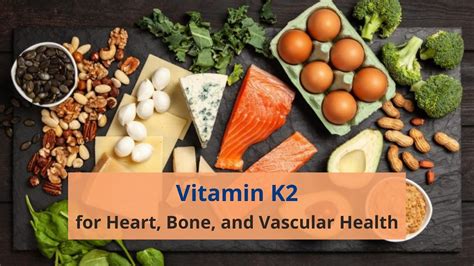
Ensuring adequate intake of Vitamin K2 is essential for optimal calcium metabolism. Natural dietary sources of Vitamin K2 include:
- Fermented Foods: Natto (a Japanese fermented soybean product) is one of the richest sources of Vitamin K2 (MK-7).
- Animal Products: Grass-fed meats, liver, and other organ meats contain significant amounts of Vitamin K2.
- Certain Cheeses: Some cheeses, especially aged varieties like Gouda and Brie, are good sources of Vitamin K2.
- Egg Yolks: Eggs from chickens that are pasture-raised provide higher levels of Vitamin K2.
Recommended Intake and Supplementation
While specific dietary reference intakes (DRIs) for Vitamin K2 have not been universally established, general guidelines suggest the following:
- General Population: A daily intake of 90-120 μg of Vitamin K2 is considered adequate for most adults.
- Supplementation: Individuals at risk of osteoporosis or cardiovascular diseases, such as postmenopausal women, may benefit from supplements. Dosages typically range from 45 μg to 200 μg per day, depending on individual health needs and under medical supervision.
Safety and Potential Side Effects
Vitamin K2 is generally considered safe when consumed in appropriate amounts through diet or supplementation. However, certain considerations include:
- Interaction with Medications: Individuals on anticoagulant medications like warfarin should consult healthcare providers before taking Vitamin K2 supplements, as it can interfere with the medication's efficacy.
- Excess Intake: High doses of Vitamin K2 are not commonly associated with toxicity, but it is advisable to adhere to recommended dosages to avoid any unforeseen effects.
Future Research Directions
While existing studies provide substantial evidence regarding the benefits of Vitamin K2 in calcium metabolism, further research is necessary to fully elucidate its mechanisms and long-term effects. Areas for future exploration include:
-
Optimal Dosage: Determining the most effective dosages for different populations and health conditions.
-
Longitudinal Studies: Conducting long-term studies to assess the sustained impact of Vitamin K2 supplementation on bone and cardiovascular health.
-
Mechanistic Insights: Gaining deeper understanding of the molecular pathways through which Vitamin K2 influences calcium distribution and utilization.
Conclusion
Vitamin K2 plays an indispensable role in the absorption and utilization of calcium within the body. By activating key proteins such as osteocalcin and matrix GLA protein, Vitamin K2 ensures that calcium is effectively deposited in bones, enhancing bone density and strength, while simultaneously preventing its accumulation in soft tissues and arteries, thereby reducing the risk of cardiovascular diseases. The synergistic relationship between Vitamin K2, calcium, and Vitamin D underscores the importance of a balanced intake of these nutrients for optimal health. Incorporating Vitamin K2-rich foods into the diet or considering supplementation, especially for populations at risk of osteoporosis and cardiovascular issues, can be a strategic approach to enhancing calcium metabolism and overall well-being.
References
- https://www.ncbi.nlm.nih.gov/pmc/articles/PMC4848530/ - "Vitamin K2 and Bone Health"
- https://pubmed.ncbi.nlm.nih.gov/22305660/ - "Role of Vitamin K in the Carboxylation of Osteocalcin"
- https://pubmed.ncbi.nlm.nih.gov/15514282/ - Rotterdam Study on Vitamin K2 Intake and Arterial Calcification
- https://pubmed.ncbi.nlm.nih.gov/23246646/ - Study on Vitamin K2 and Bone Mineral Density
- https://pubmed.ncbi.nlm.nih.gov/23246646/ - Vitamin K2 Supplementation and Bone Loss in Postmenopausal Women
- https://www.ncbi.nlm.nih.gov/pmc/articles/PMC4566462/ - Comprehensive Review on Vitamin K2 and Cardiovascular Health
For further reading and exploration of research studies, accessing databases like PubMed with keywords such as "vitamin K2", "calcium metabolism", "matrix GLA protein", and "osteocalcin" can provide a wealth of up-to-date scientific literature on the topic.
Last updated January 1, 2025