
Unraveling Hyperuricemia: The Silent Condition with Profound Health Implications
Explore the intricate balance of uric acid in your body and discover how its imbalance can affect your health.
Key Insights into Hyperuricemia
- Hyperuricemia Defined: It is a medical condition characterized by abnormally high levels of uric acid in the blood, a waste product from purine breakdown.
- Causes and Complications: It arises from either overproduction or under-excretion of uric acid, leading to conditions like gout and kidney stones, and is linked to metabolic and cardiovascular diseases.
- Management Strategies: While often asymptomatic, symptomatic hyperuricemia is managed through lifestyle changes, dietary adjustments (low-purine diet), and targeted medications to lower uric acid levels.
Hyperuricemia, derived from "hyper" (meaning excessive) and "uricemia" (referring to uric acid in the blood), is a pervasive biochemical abnormality affecting a significant portion of the adult population. It's not inherently a disease but rather an indicator of an imbalance in the body's purine metabolism, which, if left unaddressed, can precipitate a cascade of serious health issues. Understanding this condition involves delving into its physiological basis, its myriad causes, the range of potential complications, and the comprehensive strategies for diagnosis, treatment, and prevention.
Uric acid is a natural byproduct of the body's breakdown of purines, which are chemical compounds found in various foods and also synthesized by the body during normal cell turnover. Under healthy conditions, uric acid dissolves in the bloodstream, is filtered by the kidneys, and is efficiently expelled from the body through urine. Hyperuricemia occurs when this delicate equilibrium is disrupted, either due to excessive production of uric acid or inefficient excretion by the kidneys, leading to its accumulation in the blood.
 A diagram illustrating the processes of uric acid production and excretion in the body.
Understanding Uric Acid Levels: What's Considered High?
The definition of hyperuricemia is based on specific serum uric acid concentrations. While levels can fluctuate based on individual factors, general thresholds are established for diagnostic purposes.
Diagnostic Thresholds for Hyperuricemia
Typically, hyperuricemia is diagnosed when:
- For women: Uric acid levels exceed 6 mg/dL (milligrams per deciliter).
- For men: Uric acid levels exceed 7 mg/dL.
- For youth (under 18 years): Levels are generally considered high above 5.5 mg/dL.
It is important to note that these are general guidelines, and a healthcare professional will interpret results in the context of an individual's overall health, symptoms, and risk factors.
The Multifaceted Causes of Elevated Uric Acid
The development of hyperuricemia is rarely attributable to a single factor. Instead, it typically arises from a complex interplay of genetic predispositions, dietary habits, metabolic dysfunctions, and certain medical conditions or medications. These factors can broadly be categorized into mechanisms of increased production or decreased excretion of uric acid.
Increased Production of Uric Acid
The body can generate an excess of uric acid through several pathways:
- Dietary Factors: A diet rich in purine-dense foods significantly contributes to uric acid overproduction. This includes red meat, organ meats (e.g., liver, kidneys), certain seafood (e.g., anchovies, sardines, shellfish), and high-fructose corn syrup commonly found in sweetened beverages. Excessive alcohol consumption, particularly beer, also exacerbates this.
- Endogenous Overproduction: The body can intrinsically produce too much uric acid. This might be due to a high rate of nucleic acid catabolism, increased production of amino acids, phosphoric acid, or ribose.
- Genetic and Metabolic Disorders: Certain inherited enzyme deficiencies can lead to severe overproduction of uric acid. Examples include complete or partial hypoxanthine-guanine phosphoribosyl transferase (HGPRT) deficiency (seen in conditions like Lesch-Nyhan syndrome), adenine phosphoribosyl transferase (APRT) deficiency, and phosphoribosyl pyrophosphate (PRPP) synthetase overactivity. Glycogen storage diseases (Types I, III, V, and VII) can also cause hyperuricemia through excessive degradation of adenosine triphosphate (ATP).
- Rapid Cell Turnover: Conditions characterized by rapid cell proliferation and subsequent cell death, such as leukemias (especially during blast crisis), rhabdomyolysis, or tumor lysis syndrome (often seen during chemotherapy for certain cancers), release large amounts of purines into the bloodstream, leading to elevated uric acid levels.
Decreased Excretion of Uric Acid
In approximately 90% of hyperuricemia cases, the primary issue is the kidneys' impaired ability to excrete uric acid efficiently. This can stem from:
- Kidney Dysfunction: Chronic kidney disease or other forms of kidney impairment directly hinder the kidneys' capacity to filter and eliminate uric acid from the blood.
- Acidosis: Conditions that lead to an acidic environment in the body, such as diabetic ketoacidosis, ethanol or salicylate intoxication, and starvation ketosis, cause the accumulation of organic acids. These acids compete with urate for tubular secretion in the kidneys, reducing uric acid excretion.
- Medication Interference: Certain drugs can interfere with uric acid excretion. These include diuretics (thiazides, loop diuretics), cyclosporine, ethambutol, niacin, and even low doses of aspirin.
- Other Health Conditions: Hypothyroidism, insulin resistance, hypertension, and metabolic syndrome are all associated with reduced uric acid excretion, contributing to hyperuricemia.
Often, hyperuricemia results from a combination of both increased production and decreased excretion mechanisms. For instance, heavy alcohol consumption can not only increase uric acid production but also inhibit its secretion by the kidneys through pseudohypoxia and lactic acidosis.
The Silent Threat: Symptoms and Complications
One of the most concerning aspects of hyperuricemia is its often asymptomatic nature. Many individuals have elevated uric acid levels without experiencing any noticeable symptoms, making routine blood tests crucial for detection. However, if left untreated, persistently high uric acid can crystallize and deposit in various parts of the body, leading to significant health complications.
Common Complications
- Gout: This is the most well-known and painful complication. Gout is a form of inflammatory arthritis caused by the deposition of monosodium urate crystals in joints, leading to sudden, severe pain, swelling, redness, and tenderness. It commonly affects the big toe but can also impact other joints like the knees, ankles, and elbows. Gout progresses through phases, from acute attacks to chronic tophaceous gout, where hard lumps called tophi form under the skin, around joints, and even in the ear.
- Kidney Stones (Uric Acid Stones): High uric acid levels can lead to the formation of uric acid crystals that aggregate into kidney stones. These can cause excruciating pain in the back or side, blood in the urine (hematuria), nausea, vomiting, and frequent, painful urination.
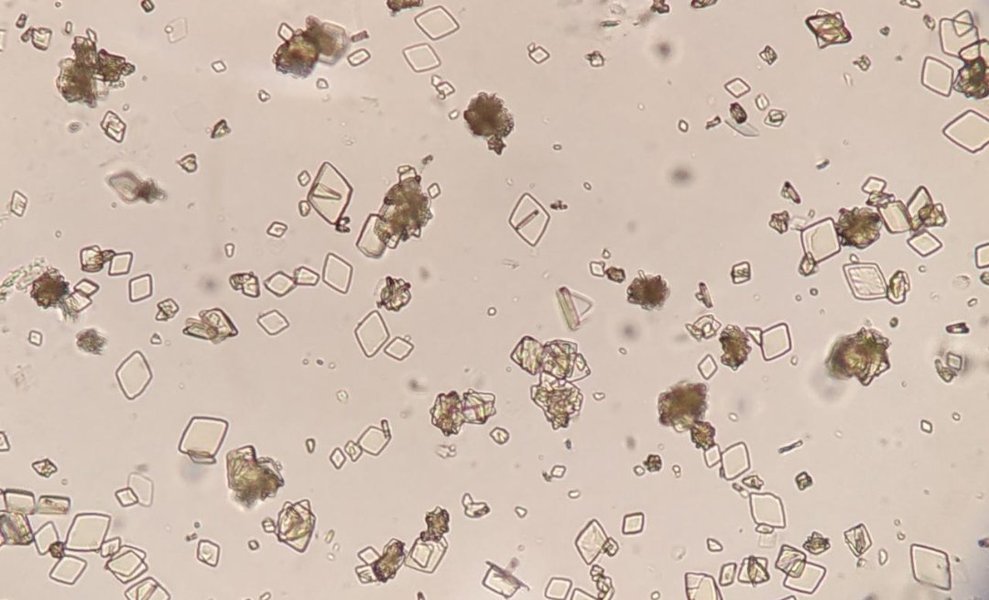 Microscopic view of uric acid crystals found in urine, indicating high levels.
Associated Health Conditions
Beyond gout and kidney stones, elevated uric acid levels have been increasingly linked to a spectrum of other chronic health conditions. While the exact causal relationships are still under investigation, hyperuricemia is considered an independent risk factor or contributor to:
- Cardiovascular Disease: Elevated uric acid is associated with an increased risk of heart disease, potentially due to its role in inflammation and endothelial dysfunction.
- Hypertension (High Blood Pressure): Hyperuricemia is frequently observed in individuals with hypertension and may contribute to its development or severity.
- Diabetes and Metabolic Syndrome: There's a strong correlation between high uric acid levels and insulin resistance, type 2 diabetes, and metabolic syndrome, a cluster of conditions that increase the risk of heart disease, stroke, and diabetes.
- Chronic Kidney Disease: While kidney impairment can cause hyperuricemia, persistently high uric acid levels can also contribute to the progression of kidney disease, creating a vicious cycle.
These associations highlight the importance of managing hyperuricemia not just to prevent gout and kidney stones but also as part of a broader strategy for preventing and managing chronic systemic diseases.
Diagnosing Hyperuricemia: A Clear Picture
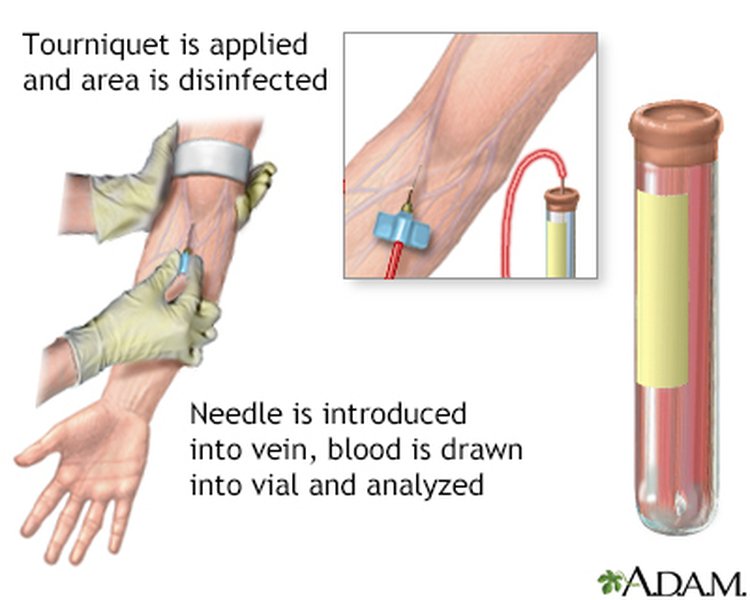
Diagnosing hyperuricemia is straightforward, primarily involving blood tests to measure serum uric acid levels. A healthcare provider typically orders these tests if a patient exhibits symptoms of gout or kidney stones, or as part of a routine health check, especially for individuals with risk factors.
 A vial of blood being collected for a uric acid test.
In addition to blood tests, other diagnostic procedures may be used to assess complications:
- Urine Tests: A 24-hour urine collection can help determine how much uric acid is being excreted by the kidneys, helping to differentiate between overproduction and underexcretion.
- Joint Fluid Analysis: If gout is suspected, fluid from an affected joint can be aspirated and examined under a microscope for the presence of uric acid crystals, which are diagnostic for gout.
- Imaging Tests: For suspected kidney stones, imaging techniques like ultrasound or CT scans can visualize the stones and assess their size and location.
Navigating Treatment and Prevention Strategies
The approach to managing hyperuricemia depends significantly on whether an individual is experiencing symptoms or complications. Asymptomatic hyperuricemia often doesn't require immediate pharmacological treatment, but lifestyle and dietary modifications are always recommended as a primary prevention and management strategy.
Lifestyle and Dietary Modifications
These adjustments are the cornerstone of both prevention and treatment:
- Low-Purine Diet: Limiting or avoiding foods high in purines (red meat, organ meats, certain seafood, high-fructose corn syrup, and excessive alcohol) is crucial.
- Increased Water Intake: Staying well-hydrated helps dilute uric acid in the blood and promotes its excretion through the kidneys.
- Weight Management: Obesity is a significant risk factor for hyperuricemia, especially in children and adolescents. Achieving and maintaining a healthy weight through regular physical activity can substantially lower uric acid levels.
- Avoidance of Certain Medications: If possible and under medical supervision, avoiding drugs known to aggravate uric acid levels (e.g., some diuretics, niacin, low-dose aspirin) may be beneficial.
Medications for Symptomatic Hyperuricemia
When hyperuricemia leads to conditions like gout or kidney stones, medical interventions become necessary:
- For Acute Gout Attacks: Nonsteroidal anti-inflammatory drugs (NSAIDs) like ibuprofen or naproxen are commonly used to manage pain and inflammation. Corticosteroids (e.g., prednisone) can also be prescribed for severe inflammation. Colchicine is another option for acute gout.
- Uric Acid-Lowering Medications: These prescription drugs are designed to reduce the amount of uric acid in the blood.
- Allopurinol: A xanthine oxidase inhibitor, it works by reducing the body's production of uric acid.
- Probenecid: A uricosuric agent, it increases the kidneys' ability to excrete uric acid.
- Other medications, such as febuxostat (another xanthine oxidase inhibitor) or pegloticase (for severe, refractory gout), may be used depending on the individual's condition and response to initial therapies.
For cancer patients undergoing chemotherapy, medications like allopurinol may be prescribed preventatively to lower uric acid levels and avert serious complications like tumor lysis syndrome, even in the absence of symptoms.
Insights into Management Strategies
The following radar chart offers a comparative perspective on different aspects of hyperuricemia management strategies, illustrating their perceived effectiveness and applicability. These values are based on general consensus regarding typical management approaches, where higher values indicate greater impact or commonality.
This chart illustrates that while Uric Acid-Lowering Medications have the highest perceived impact on directly reducing uric acid levels and significantly managing symptoms, lifestyle interventions like Dietary Modification, Hydration, and Weight Management also play crucial roles in overall uric acid reduction and symptom prevention. Regular Monitoring is essential for tracking progress and adjusting treatment plans.
A Mindmap of Hyperuricemia
This mindmap visually organizes the key aspects of hyperuricemia, showcasing its definition, causes, symptoms, complications, and treatment approaches in a structured format.
Insights from Experts: A Video Perspective
To further deepen your understanding of hyperuricemia and its implications, particularly regarding its connection to gout and new perspectives on an old disease, we highly recommend watching the following video:
This video provides an expert perspective on how hyperuricemia relates to gout, shedding light on the historical understanding of the disease versus modern insights. Dr. Mattar discusses the pathological mechanisms, clinical manifestations, and evolving treatment paradigms, offering valuable context that complements the information provided here. It emphasizes the importance of a nuanced approach to managing this complex condition, moving beyond just symptomatic relief to addressing the underlying biochemical imbalance.
Summary of Key Aspects of Hyperuricemia
To consolidate the information, here's a table summarizing the vital aspects of hyperuricemia, from its definition to management strategies.
| Aspect | Description | Key Considerations |
|---|---|---|
| Definition | Abnormally high levels of uric acid in the blood. | Uric acid is a purine breakdown product. |
| Diagnostic Levels | > 6 mg/dL (women), > 7 mg/dL (men), > 5.5 mg/dL (youth). | Diagnosed via blood tests; thresholds may vary. |
| Causes | Imbalance between uric acid production and excretion. | Increased production (diet, genetics, cell turnover) or decreased excretion (kidney issues, meds, acidosis). |
| Symptoms | Often asymptomatic; symptoms emerge from complications. | Not a disease itself, but a risk factor for others. |
| Major Complications | Gout (painful arthritis), Kidney Stones. | Caused by uric acid crystal deposition. |
| Associated Conditions | Cardiovascular disease, hypertension, diabetes, metabolic syndrome, chronic kidney disease. | Hyperuricemia can be a contributing factor or comorbidity. |
| Diagnosis Methods | Serum uric acid blood test, urine tests, joint fluid analysis, imaging. | Confirms high levels and identifies complications. |
| Treatment Pillars | Lifestyle/Dietary modifications, Medications. | Tailored to presence/absence of symptoms and complications. |
| Preventative Measures | Low-purine diet, hydration, healthy weight, regular check-ups. | Proactive steps to manage risk factors. |
Frequently Asked Questions (FAQ) About Hyperuricemia
What is the main cause of hyperuricemia?
Can hyperuricemia be present without any symptoms?
What are the most common complications of hyperuricemia?
How is hyperuricemia treated?
Is hyperuricemia a lifelong condition?
Conclusion
Hyperuricemia, while a silent condition in many cases, carries significant health implications if left unmanaged. It represents a fundamental disruption in the body's purine metabolism, leading to a buildup of uric acid that can precipitate painful conditions like gout and kidney stones, and contribute to systemic diseases such as cardiovascular disease, hypertension, and diabetes. Early detection through routine blood tests is crucial, as is a proactive approach to management. By understanding its causes—whether overproduction or under-excretion—and implementing comprehensive strategies involving dietary modifications, healthy lifestyle choices, and, when necessary, appropriate medications, individuals can effectively control uric acid levels, prevent complications, and safeguard their long-term health. A multidisciplinary approach, often involving primary care physicians, nephrologists, and rheumatologists, is essential for optimal patient care and improved quality of life.
Recommended Further Reading
- How does diet impact uric acid levels and gout risk?
- What are the latest advances in gout treatment and prevention?
- Explore the link between hyperuricemia and cardiovascular disease.
- Understanding the role of kidneys in uric acid excretion.