
Revolutionizing Musical Expression: How Widex Specialized Settings Transform Hearing for Musicians
Discover the breakthrough technology helping musicians with hearing loss reclaim their sonic world and maintain their artistic edge
Essential Benefits for Musicians
- Superior Sound Processing: Widex's PureSound technology provides zero-delay processing, ensuring musicians hear notes with authentic timbre and precise timing
- High Dynamic Range Tolerance: Advanced input headroom up to 113 dB SPL allows musicians to experience the full dynamic range of instruments without distortion
- Personalized Music Programs: AI-powered SoundSense Learn technology creates customized settings specifically for different musical environments and instruments
The Musician's Challenge with Hearing Loss
For musicians, hearing is their primary instrument—regardless of what they play. When hearing loss occurs, it threatens not just their ability to perform but their very identity as artists. Traditional hearing aids often fall short for musicians because they're optimized for speech, not musical nuances. The compression, feedback suppression, and noise reduction that work well for conversation can drastically alter the timbre, dynamics, and harmonics that define musical expression.
Musicians face unique challenges that standard hearing solutions fail to address:
- Need for wider frequency response to capture both fundamental tones and overtones
- Requirement for higher input ceilings to handle dynamic performances without distortion
- Preservation of timing relationships between sounds that create musical coherence
- Ability to distinguish between instruments in ensemble settings
Professional Impact on Musical Careers
Many professional musicians have had to adapt their careers or even consider leaving music altogether due to hearing difficulties. Notable artists like Steve Lukather (guitarist of Toto) have shared their struggles with hearing loss and how specialized hearing technology has allowed them to continue their artistic journey. Without proper hearing assistance, musicians lose not only their technical abilities but also the emotional connection to their art that inspired them initially.
Widex's Specialized Technology for Musicians
PureSound Technology: Preserving Musical Integrity
At the core of Widex's approach for musicians is their patented PureSound technology. Unlike conventional hearing aids that introduce processing delays of 7-10 milliseconds (creating a "comb filtering" effect that distorts music), Widex Moment hearing aids reduce this delay to a mere 0.5 milliseconds. This near-zero delay means musicians can hear direct sound and amplified sound in perfect synchronization, preserving the integrity of complex musical tones.
Enhanced Dynamic Range Capabilities
Widex hearing aids, particularly the DREAM and Moment series, feature an impressive maximum input level of up to 113 dB SPL—significantly higher than the typical 100-106 dB SPL limit in standard hearing aids. This expanded headroom is crucial for musicians who regularly encounter high sound levels during performances, allowing them to experience the full dynamic range from the subtlest pianissimo to the most powerful fortissimo without distortion or compression artifacts.
Dedicated Music Programs
Recognizing that music requires different processing than speech, Widex has developed specialized music programs that disable or minimize many of the advanced speech-enhancing features that would otherwise interfere with music perception. These programs reduce compression ratios, expand frequency responses, and minimize noise reduction and feedback suppression that could alter musical tones.
AI-Powered Personalization
The SoundSense Learn technology in Widex Moment hearing aids represents a significant advancement for musicians. Using artificial intelligence and machine learning, these hearing aids can create highly personalized sound settings based on a musician's preferences. Through a series of A/B comparison tests conducted via smartphone app, the system learns exactly how the musician prefers to hear different musical contexts and instruments.
This personalization is particularly valuable for musicians who may need different settings for:
- Practice versus performance environments
- Acoustic versus amplified settings
- Different musical genres with varying frequency characteristics
- Solo practice versus ensemble playing
Comparing Widex Music Performance Features
The radar chart above illustrates how Widex's specialized hearing aids compare to standard hearing aids across key performance dimensions important to musicians. The Widex Moment provides exceptional performance in latency and sound authenticity, which are critical for accurate musical perception.
Musician Success Stories with Widex
The video above showcases why musicians and audiophiles consider the Widex Moment hearing aids revolutionary for musical applications. It explains the technological advances that make these devices particularly effective for musicians with hearing loss.
Several prominent musicians have shared their success stories with Widex hearing aids:
Steve Lukather (Guitarist, Toto)
Grammy-winning guitarist Steve Lukather has been open about his hearing loss journey and how Widex Moment hearing aids have been "life-changing." He particularly values the ability to switch between settings depending on whether he's performing, recording, or in everyday environments. "They've given me my life back," Lukather has stated, noting that he can now hear the specific frequencies of his guitar with clarity that was previously lost.
Tom Coyle (Former Queensland Symphony Orchestra)
As a professional orchestral musician, Tom Coyle faced career-threatening hearing challenges. With Widex hearing aids, he's been able to reconnect with the subtle nuances of classical music and continue his passion. The specialized music program allows him to enjoy the full dynamic range of symphonic works without the distortion that plagued his experience with other hearing solutions.
Scott Simons (Composer/Performer)
Songwriter and producer Scott Simons has praised the natural sound quality of his Widex hearing aids, particularly when working in studios. The ability to create personalized settings for different recording environments has been crucial to his continued success in the industry. He emphasizes that the hearing aids allow him to hear the "true sound" of instruments without artificial coloration.
Key Features That Benefit Musicians
The mindmap above illustrates the comprehensive benefits that Widex specialized hearing aids provide for musicians, from technical sound processing advantages to practical performance benefits.
Widex Settings Specifically Optimized for Musicians
Musicians require specific adjustments to their hearing aids that differ significantly from everyday settings. Here's how Widex addresses these unique needs:
| Feature | Standard Setting | Music Setting | Benefit for Musicians |
|---|---|---|---|
| Compression Ratio | Higher (1.5:1 to 3:1) | Lower (1.1:1 to 1.3:1) | Preserves natural dynamics and transients of instruments |
| Attack/Release Times | Fast attack, moderate release | Slower attack, longer release | Maintains natural envelope of musical notes |
| Noise Reduction | Aggressive | Minimal to none | Prevents removal of important harmonic content |
| Feedback Suppression | Strong | Moderate | Avoids artifacts that can distort sustained notes |
| Frequency Response | Speech-focused (emphasis on 1-4kHz) | Extended (100Hz-10kHz, flatter response) | Captures full range of instruments and harmonics |
| Microphone Directionality | Directional (focused forward) | Omnidirectional | Allows awareness of all instruments in ensemble settings |
| Signal Processing Delay | 7-10ms | 0.5ms (PureSound) | Eliminates comb filtering and phase issues |
Musician Testimonial Images
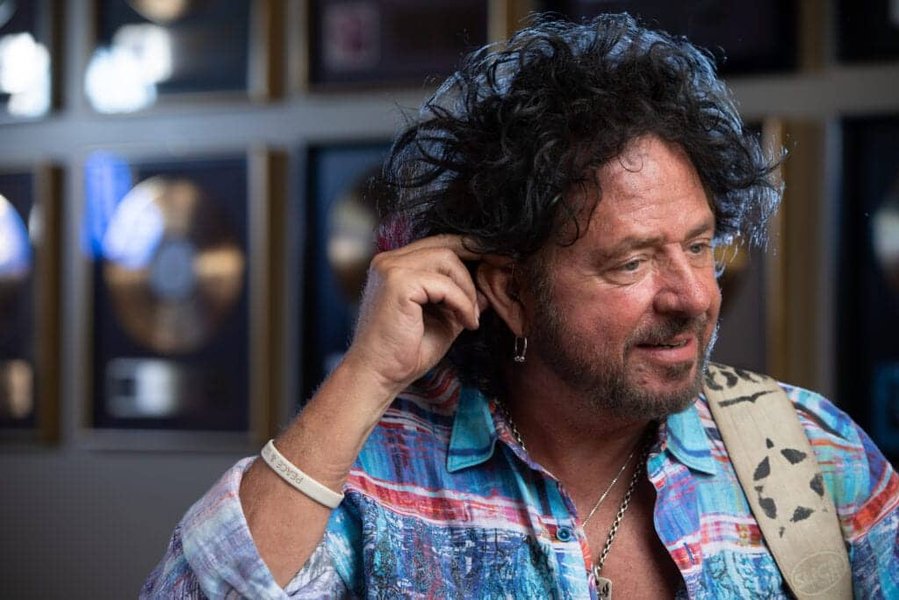
Guitarist Steve Lukather discussing his experience with Widex Moment hearing aids

Musician Scott Simons using Widex Moment hearing aids for studio work
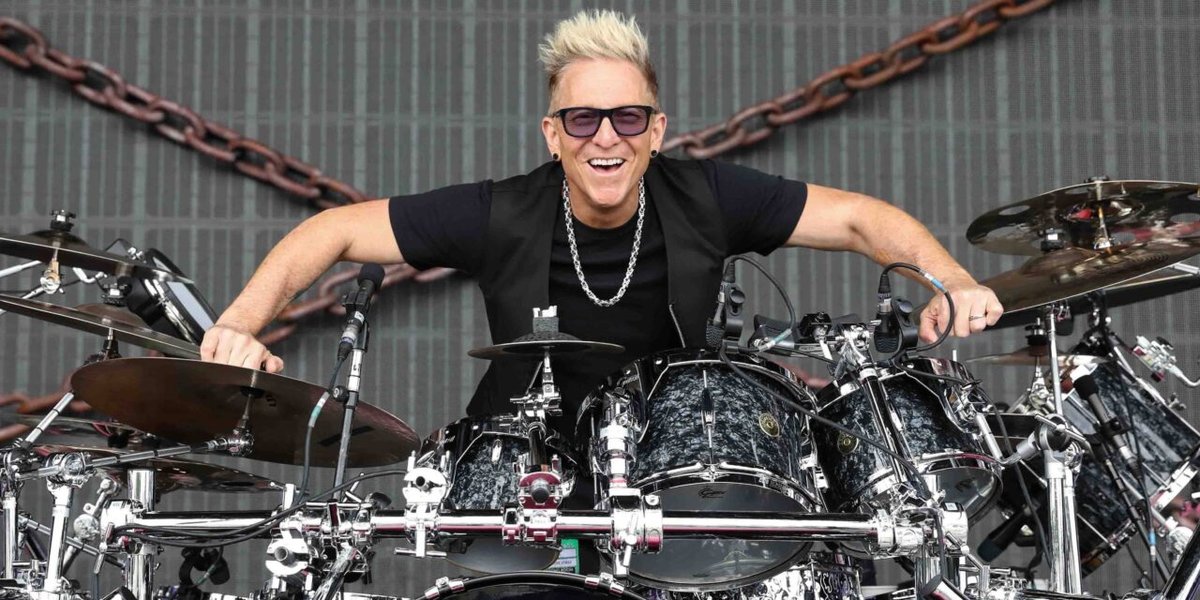
Professional drummer benefiting from Widex SmartRIC hearing aids
These professional musicians have all shared how Widex specialized music settings have enabled them to continue their careers despite hearing challenges. Their testimonials provide real-world evidence of the effectiveness of these hearing solutions for musical applications.
Frequently Asked Questions
References
- Musician Steve Lukather Discusses Experience with Widex Moment Hearing Aids - The Hearing Review
-
Hearing aids and music - a tricky combination - Widex Pro
- Hearing Aids and Music Overview - Hearing Tracker Forum
- Best Hearing Aids for Music of 2025: OTC & Rx Options - Hearing Tracker
- Musicians with hearing loss - Widex
- Best Hearing Aids for Musicians: Enhance Your Music - Hearivo
- Best Hearing Aids for Music - Soundly
Recommended
Last updated April 5, 2025