
Crafting Effective Win-Back Emails for SaaS Customers
Strategies and Templates to Re-engage Former Subscribers
Key Highlights for Winning Back Customers
- Understanding the "Why": The most crucial first step is to understand why a customer canceled their subscription. This insight allows for personalized and relevant win-back efforts.
- Timely and Targeted Communication: Reaching out at the right time with a message tailored to their specific needs or past usage can significantly increase the chances of reactivation.
- Offering Value and Addressing Concerns: Highlight product improvements, new features, or offer incentives that directly address the reasons for their departure.
As a customer success manager, re-engaging customers who have canceled their software subscription is a critical part of reducing churn and increasing customer lifetime value. While a customer may have left, they are often still familiar with your product and brand, making them potentially easier to win back than acquiring entirely new customers. A well-crafted win-back email campaign is a powerful tool in this process. This guide will provide strategies and templates to help you reconnect with former subscribers and encourage them to return.
Understanding Why Customers Cancel
Identifying the Root Causes of Churn
Before you can effectively win back a customer, you need to understand the reasons behind their cancellation. Customers leave for a variety of reasons, including product limitations, pricing issues, poor customer service, lack of understanding of the product's value, or simply a change in their needs or circumstances. Gathering feedback during the cancellation process is invaluable for informing your win-back strategy.
Exit surveys on the cancellation page are a great way to collect this information directly from the customer. Automated interviews using AI can also provide deeper insights into their decision-making process. Analyzing patterns in cancellation reasons can help you segment your churned users and tailor your win-back messages accordingly.
Common Reasons for SaaS Churn:
- Lack of perceived value or ROI
- High cost compared to alternatives or budget constraints
- Poor user experience or difficulty using the product
- Insufficient customer support or slow response times
- Missing features or functionality
- Change in business needs or strategy
- Competitive offerings
Developing a Win-Back Strategy
Crafting Your Approach
A successful win-back strategy involves more than just sending a single email. It typically involves a series of targeted communications designed to remind the customer of the value they received (or could receive) from your service and address any pain points that led to their departure. Personalization is key; generic emails are less likely to resonate with former users.
Consider the timing of your win-back efforts. Sending an email too soon after cancellation might feel intrusive, while waiting too long could mean the customer has already found an alternative solution. The optimal timing will vary depending on your business and the typical customer lifecycle.
Key Elements of a Win-Back Strategy:
-
Segmentation: Group churned customers based on their cancellation reason, usage patterns, or time since cancellation.
-
Personalization: Tailor your messaging to the individual customer, referencing their past usage or the specific reason they left.
-
Value Proposition Reinforcement: Remind them of the benefits they experienced or the problems your product solved for them.
-
Addressing Concerns: Directly address the reasons for their cancellation, explaining how things have improved or offering solutions.
-
Incentives: Consider offering discounts, access to new features, or a limited-time offer to encourage them to resubscribe. However, use discounts judiciously to avoid devaluing your product.
-
Clear Call to Action: Make it easy for them to reactivate their subscription or learn more.
Win-Back Email Templates and Examples
Putting Strategy into Practice
Here are some templates and examples of win-back emails that you can adapt for your own use. Remember to customize these templates with details specific to your customer and your product.
Template 1: The "We Miss You" Email
This classic win-back email expresses that you've noticed their absence and would like to welcome them back. It's a good starting point for customers whose cancellation reason isn't immediately clear.
Subject: We Miss You, [Customer Name]!

Hi [Customer Name],

We noticed you haven't been using [Your Product Name] lately, and we wanted to reach out. We've missed having you as part of our community.

Since you left, we've been working hard to make [Your Product Name] even better. We've [mention 1-2 key improvements or new features].

We understand that circumstances change, but if you're open to it, we'd love to welcome you back.

[Optional: Offer a small incentive, e.g., "Use code WELCOMEBACK for 10% off your first month back."]

If you're interested in giving us another try, you can easily reactivate your subscription here: [Link to Reactivation Page]

We'd also love to hear any feedback you might have about your experience. You can reply directly to this email.

Best regards,

The [Your Company Name] Team
This template is simple and focuses on re-establishing a connection. It hints at improvements without going into excessive detail, prompting the user to explore further.
Template 2: Addressing Specific Cancellation Reasons (Example: Price)
If you know the customer canceled due to pricing, your win-back email should address this directly. You might offer a different plan, a temporary discount, or highlight the value proposition more strongly.
Subject: An Update on [Your Product Name] & A Special Offer for You

Hi [Customer Name],

We noticed you recently canceled your subscription to [Your Product Name]. We understand that pricing can be a significant factor in these decisions.

We wanted to let you know that we've recently [mention any changes to pricing structure, new, more affordable plans, or enhanced features that add more value].

We truly believe in the value [Your Product Name] provides in helping you [mention a key benefit]. To show you we're committed to your success, we'd like to offer you a special [percentage]% discount on your first [number] months if you choose to reactivate your subscription now.

This is a limited-time offer, so don't miss out!

Reactivate your subscription here: [Link to Reactivation Page]

If you'd like to discuss your specific needs or explore different options, please feel free to schedule a call with our team here: [Link to Scheduling Page]

Sincerely,

The [Your Company Name] Team
This email directly addresses the likely reason for churn and offers a concrete solution or incentive related to pricing. It also provides an alternative way to connect if the customer wants a more personalized discussion.
Template 3: Highlighting New Features or Improvements
If your product has significantly improved since the customer left, highlighting these updates can be a powerful win-back tactic. Focus on features that might address their previous pain points or offer new value.
Subject: See What's New at [Your Product Name]!

Hi [Customer Name],

Since you last used [Your Product Name], we've been busy! We've released some exciting new features and made significant improvements based on user feedback.

We thought you'd be particularly interested in [mention a specific new feature or improvement that is relevant to their past usage or industry]. This new addition can help you [explain the benefit of the new feature].

We've also [mention another key improvement, e.g., "improved our user interface for a smoother experience" or "added new integrations with X and Y"].

We believe these updates could make a real difference for you. If you're curious to see them in action, we'd love to offer you [e.g., a free trial period to explore the new features].

Click here to explore the new [Your Product Name]: [Link to Product Page or Free Trial]

We're always evolving, and we hope you'll consider rejoining our community!

Best,

The [Your Company Name] Team
This template creates intrigue by focusing on what's new and improved. It ties the new features back to potential benefits for the customer.
Template 4: Seeking Feedback (with a Subtle Win-Back)
Sometimes, the goal isn't immediate reactivation but gathering feedback to improve your service and potentially win back the customer later. This approach can feel less sales-driven and more customer-centric.
Subject: Quick Question About Your Experience with [Your Product Name]

Hi [Customer Name],

We noticed you're no longer using [Your Product Name], and while we understand you've moved on, we'd be incredibly grateful for a few minutes of your time to share your feedback.

Understanding your experience helps us improve our product and service for everyone. Your insights are invaluable to us.

Would you be willing to answer a quick [number]-question survey about your time with [Your Product Name]? It should only take [number] minutes.

[Link to Feedback Survey]

We're constantly working to make [Your Product Name] the best it can be, and your feedback plays a huge role in that.

[Optional: Briefly mention a key improvement made recently based on feedback, e.g., "Thanks to feedback like yours, we recently streamlined our onboarding process."]

Thank you for your time and honesty.

Sincerely,

[Your Name/CEO Name], [Your Title] at [Your Company Name]
This email positions the request as a genuine effort to improve, which can be well-received. It also subtly reminds the customer of your product and that you are actively making changes.
Visual Elements to Enhance Your Win-Back Efforts
Adding Impact with Imagery and Data
Incorporating visual elements into your win-back communications can make them more engaging and effective. This could include images of your product's new features, a simple infographic showing the value of your service, or even a personalized image if possible.
For SaaS products, showcasing the user interface or key functionalities can remind former users of how the product works and its potential. Consider using screenshots or short animated GIFs to highlight specific improvements.
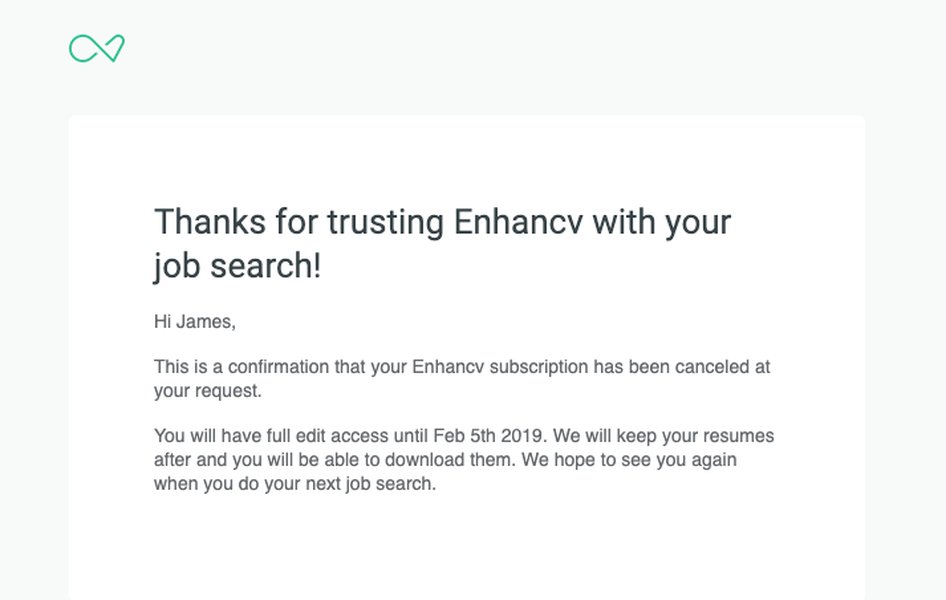
An example illustrating the potential design of a subscription cancellation email, highlighting a clean and simple layout.
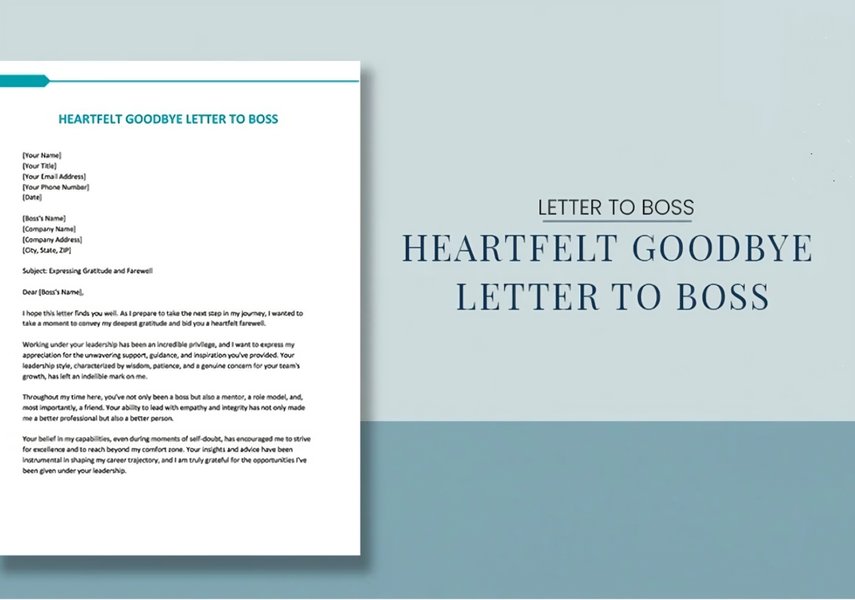
A professional email template example, demonstrating a clean and well-structured layout suitable for customer communication.
While a full infographic might be too much for a single email, a small, relevant image can break up text and draw the reader's eye to key information. For example, if you're highlighting a new reporting feature, an image of a sample report could be effective.
Analyzing and Optimizing Win-Back Campaigns
Measuring Success and Iterating
Tracking the performance of your win-back emails is crucial for understanding what works and what doesn't. Key metrics to monitor include open rates, click-through rates, and most importantly, the reactivation rate – the percentage of churned customers who resubscribe after receiving your win-back communications.
A/B testing different subject lines, email content, offers, and sending times can help you optimize your win-back campaigns over time. What resonates with one segment of churned customers might not work for another, so continuous testing and refinement are essential.
Key Metrics for Win-Back Campaigns:
| Metric | Description | Why it's important |
|---|---|---|
| Open Rate | Percentage of recipients who opened the email. | Indicates the effectiveness of your subject line and sender reputation. |
| Click-Through Rate (CTR) | Percentage of recipients who clicked on a link in the email. | Measures how engaging your email content and call to action are. |
| Reactivation Rate | Percentage of churned customers who resubscribe after receiving the email. | The primary measure of your win-back campaign's success. |
| Cost of Reactivation | The cost associated with winning back a customer. | Helps assess the ROI of your win-back efforts compared to customer acquisition. |
Beyond these metrics, qualitative feedback from customers who respond to your emails or surveys can provide valuable insights into their decision-making process and how you can improve your win-back strategy.
Legal and Ethical Considerations
Ensuring Compliance and Trust
When sending win-back emails, it's important to adhere to email marketing regulations and best practices. Ensure you have the right to email former customers and provide a clear and easy way for them to unsubscribe if they do not wish to receive further communications.
Be transparent in your messaging and avoid misleading subject lines or offers. Building trust with former customers is crucial if you hope to win them back and retain them in the long term.
Frequently Asked Questions
How soon after cancellation should I send a win-back email?
The ideal timing varies, but a common approach is to send the first email a few days to a week after the subscription ends. This allows the customer a little time while still being relatively fresh in their mind. Subsequent emails can be sent at longer intervals.
What kind of incentives are most effective for win-back?
Effective incentives often include a discount on their next billing cycle, access to a higher tier of service temporarily, or a personalized offer based on their past usage. The best incentive will depend on your product and the customer's reason for leaving.
Should I send the same win-back email to all churned customers?
No, segmenting your churned customers based on their cancellation reason or other relevant factors allows you to send more personalized and effective messages. A generic email is less likely to resonate than one that addresses their specific situation.
What if a customer doesn't respond to my win-back emails?
If a customer doesn't respond after a few attempts, it's best to respect their decision and stop sending win-back emails. You can keep them on a separate list for future, less frequent communications about major company updates or new product launches, but avoid bombarding them.
Is it always worth trying to win back churned customers?
While it's generally more cost-effective to retain a customer than acquire a new one, not all churned customers are good candidates for win-back. Customers who had a consistently negative experience or were not a good fit for your product in the first place may not be worth the effort. Focus your efforts on those with the highest potential for reactivation and long-term value.
References
 cdn2.hubspot.net
Last updated May 5, 2025