
Causes of World War I from a U.S. Perspective
An in-depth exploration of the multifaceted factors behind America's entry into WWI
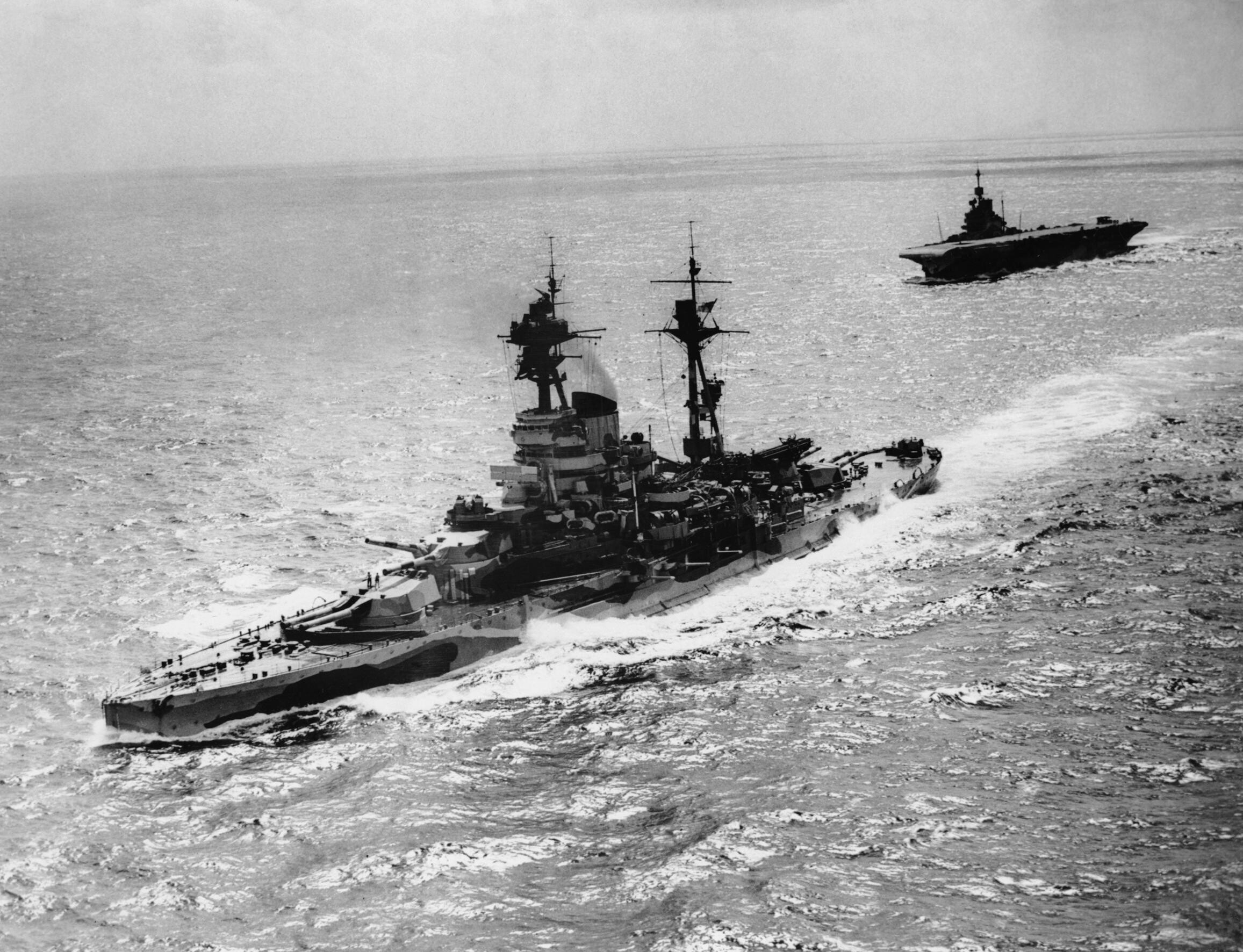
Key Highlights
- Unrestricted Submarine Warfare – Germany’s aggressive naval tactics endangered American lives and commerce.
- The Zimmermann Telegram – A diplomatic provocation that threatened U.S. national security.
- Economic and Ideological Interests – Financial stakes and cultural affinities pushed America towards the Allied cause.
Introduction
The United States' entry into World War I is a subject of enduring historical significance. From an initially neutral stance based on isolationism, the nation was eventually compelled to join the conflict due to a confluence of strategic, diplomatic, and economic pressures. This comprehensive analysis explores the primary causes from the U.S. perspective, examining not just isolated events but an interconnected network of developments that led to the country's involvement. Key aspects such as Germany's unrestricted submarine warfare, the incendiary Zimmermann Telegram, economic investments in Europe, and the impact of propaganda are scrutinized here.
Foundations of U.S. Neutrality and Isolation
The Initial Stance
In the early years of World War I, the United States maintained an official policy of neutrality. Rooted in centuries of isolationist sentiment, American policymakers were initially reluctant to engage in European conflicts. The prevailing belief was that entangling alliances and foreign wars would distract from domestic issues and economic development. This ideology had deep historical roots, influenced by the country's founding principles and a cautious approach to international engagements.
Political and Social Isolationism
Several factors contributed to this isolationist position. Firstly, the United States had developed a distinct identity separate from the traditional European powers. The vast geographical distance, along with the relatively recent birth of the nation, encouraged a focus on domestic growth and expansion westward. American political leaders and citizens alike were wary of foreign entanglements that could jeopardize the nation's hard-won sovereignty and democratic ideals.
Catalysts That Shifted U.S. Policy
Unrestricted Submarine Warfare
A pivotal turning point in U.S. foreign policy was Germany’s adoption of unrestricted submarine warfare. Initially, Germany's naval strategy involved targeted actions primarily aimed at British shipping. However, in a calculated attempt to strangle the economic lifeline of Britain, Germany resumed and expanded these tactics, not sparing American commercial and civilian ships.
Impact on American Maritime Interests
The unrestricted use of submarines meant that American merchant ships, which were pivotal for trade and economic growth, were increasingly under threat. The sinking of vessels like the British ocean liner Lusitania in 1915, which tragically resulted in the loss of 128 American lives, served as a stark reminder of the dangers posed by modern naval warfare. Although the incident initially generated outrage without immediately catalyzing a war declaration, it set a precedent. The resumption of such attacks in 1917 left little doubt among policymakers that American lives and financial interests were being directly jeopardized.
The Zimmermann Telegram
Another significant event contributing to the shift in U.S. policy was the interception of the Zimmermann Telegram. This secret diplomatic communication, sent by Germany to Mexico, proposed an alliance against the United States should it join the war against Germany. The proposal promised Mexico the recovery of territories lost during the Mexican-American War.
National Security Concerns
The revelation of the telegram not only shocked American policymakers but also the public at large. It underscored the possibility of a coordinated effort by a European power to undermine U.S. security. The message’s implications—that foreign powers were not only willing to use force overseas but were actively targeting American territorial interests—helped seal the public opinion in favor of intervention. This diplomatic insult was one of the catalysts that transformed isolationist sentiment into support for entering the war.
Economic and Financial Interests
The economic dimension played an equally crucial role in the United States’ decision to enter World War I. In the years preceding the war, American financial institutions and businesses had become heavily enmeshed in European economic affairs, particularly with the Allied powers. Major banks and investors, such as those led by J.P. Morgan, had funneled significant capital into loans and trade with Britain and France.
Economic Dependencies and Strategic Investments
The economic prosperity of the American industrial and financial sectors was intimately linked to the stability and success of these European economies. The continuation of unrestricted submarine warfare threatened these financial investments by potentially crippling the trade routes and economic stability in favor of the Allied nations. With American lives and considerable economic interests at stake, the risk of continued neutrality was increasingly untenable. The pressure to safeguard financial assets, coupled with a sense of duty towards democratic allies, compelled the U.S. government to reconsider its isolationist stance.
The Role of Propaganda and Public Opinion
Atrocity Propaganda
The role of media and propaganda in shaping public opinion cannot be underestimated. Throughout the early years of the war, the propagation of exaggerated and often brutal accounts of German military actions played a critical role in forging a hostile public sentiment. By portraying the Germans as ruthless aggressors, the U.S. media effectively mobilized public opinion against them.
Cultural Affinities and the Allied Narrative
Many Americans identified culturally and politically with the Allied cause, largely due to shared values of democracy, liberty, and rule of law. Propaganda further amplified this alignment, positioning the conflict as not merely a European skirmish but a battle between civilization and barbarism. The moral imperative to protect democratic ideals resonated deeply with American citizens, thereby reinforcing the decision of policymakers to champion the Allied cause.
Shifts in U.S. Foreign Policy
From Neutrality to Active Engagement
The cumulative effect of these events—unrestricted submarine warfare, the provocative Zimmermann Telegram, significant economic ties to Allied powers, and effective propaganda—created a perfect storm that compelled the United States to abandon its longstanding policy of neutrality. President Woodrow Wilson, who had until then been an ardent advocate for isolationism, found himself the architect of a new strategic vision.
Emergence of a Global Policeman
In April 1917, President Wilson asked Congress for a declaration of war against Germany, marking a strategic pivot in U.S. foreign policy from isolationism to active global engagement. This decision was underpinned by the belief that a victory of the Central Powers would not only threaten American interests abroad but also imperil democratic values globally. By joining the war effort, the United States intended to play a pivotal role in shaping the post-war international order and ensuring a balance of power that would prevent future conflicts.
Analysis of the Contributing Factors
Interconnected Dynamics
When analyzing these causes from a comprehensive perspective, it is clear that American entry into World War I was not the result of a single event but rather a culmination of strategically interconnected factors. Each factor played into the broader narrative of national security, economic interdependence, and moral obligation.
Interdependency and Strategic Calculations
Unrestricted submarine warfare directly threatened crucial trade routes and, by extension, the economic fabric of the nation. The resulting casualties, including the sinking of passenger liners like the Lusitania, brought the distant conflict emotionally closer to American shores. Simultaneously, the Zimmermann Telegram offered a glimpse into a potential scenario where foreign powers might collaborate against American interests. Coupled with a strong economic interconnectedness that tied American prosperity to European stability, these events made neutrality increasingly precarious.
Economic and Geopolitical Imperatives
Economic interests provided another strong impetus for involvement. The significant investments made by American businesses in the Allied war effort highlighted a critical dependency that transcended mere ideology. Financial institutions and industrial magnates were deeply concerned with the risks associated with continued conflict, which could disrupt not only trade but also the burgeoning global economic order that the U.S. was instrumental in shaping. At the same time, many policymakers began to realize that by staying neutral, America risked ceding influence to other powers who would shape the post-war world order—a scenario that could have long-term strategic repercussions.
Propaganda’s Role and Moral Dimensions
Equally important was the role of propaganda in transforming individual perceptions and political will. At a time when communication channels and printed media were the predominant means of information dissemination, the narrative constructed by journalistic accounts served as a powerful tool in aligning public sentiment with government policy. The portrayal of the Central Powers as barbarous—especially with vivid descriptions of wartime atrocities—encouraged a moral imperative to act. This narrative not only galvanized public support but also contributed significantly to the larger strategic justifications for intervention.
Comparative Overview: U.S. Motivations vs. European Causes
A Comparative Table of Critical Factors
| Factor | U.S. Perspective | European Context |
|---|---|---|
| Unrestricted Submarine Warfare | Direct threat to American lives and commerce; led to public outrage. | Used to economically strangle Britain and disrupt Allied supply lines. |
| The Zimmermann Telegram | Exposed potential for an enemy alliance against the U.S.; undermined national security. | A strategic diplomatic move by Germany; aimed at distracting and dividing U.S. influence. |
| Economic Interests | Financial investments and trade links with the Allies; economic stability at risk. | Critical economic dependency on global trade and financing to sustain war efforts. |
| Propaganda | Mobilized public opinion through depictions of German atrocities; moral imperative for intervention. | Contributed to shaping public narratives and bolstering Allied solidarity. |
| Isolation vs. Global Engagement | Shift from strict neutrality to active involvement to safeguard national interests. | Entanglement in complex web of alliances and geopolitical rivalries among European powers. |
This table illustrates how both the U.S. and European countries were influenced by interrelated strategic, economic, and cultural forces. While the European conflict was rooted in long-standing territorial and dynastic rivalries, the American motivations were shaped more by pragmatic considerations of national security and economic interdependence, combined with the influence of public sentiment and propaganda.
The Role of Leadership and Decision Making
Presidential Leadership
President Woodrow Wilson's leadership was a decisive factor in steering the United States from neutrality toward engagement in World War I. Wilson's decision-making process was informed by a mixture of economic imperatives, security concerns, and a vision for a new world order based on democratic principles. His speeches and public addresses emphasized the need to "make the world safe for democracy," a rhetorical strategy that resonated powerfully with both the American public and international allies.
Articulating a Moral Vision
By framing the conflict in moral and ideological terms, Wilson shifted the debate from one of isolated economic losses to a struggle for fundamental democratic values. This framing helped justify the war not just as a defense of economic interests but as part of a larger mission to promote peace and stability through collective security mechanisms. The articulation of these ideals would later influence the formation of international bodies designed to prevent future conflicts.
Impacts of U.S. Involvement in the War
Immediate Military and Economic Effects
Upon entering World War I in April 1917, the United States mobilized a substantial military presence and activated its vast industrial capacity. American intervention proved instrumental in tipping the balance of power towards the Allies. The infusion of fresh manpower and resources not only mitigated the severe strains experienced by the Allied nations but also set the stage for significant shifts in the global order.
Economic Mobilization and Post-War Influence
The war effort accelerated industrial production in the United States and fostered technological innovation. Post-war, the U.S. emerged as a leading economic and military power, with an expanded role in global finance and governance. The experience of transitioning from neutrality to active global intervention had a lasting impact on U.S. foreign policy, marking the beginning of a more interventionist stance that would continue to shape international relations in subsequent decades.
Long-Term Strategic Outcomes
The decision to enter World War I resonated beyond the immediate military outcomes. It reshaped American diplomacy, setting precedents for the country's future involvement in international conflicts. Furthermore, the post-war period was characterized by efforts to reorganize global power structures, as seen in initiatives aimed at establishing collective security arrangements. The lessons learned during this period would ultimately influence policies and strategies during future crises, including World War II and the Cold War era.
Synthesis and Final Insights
Interlaced Causes and a Changing Global Landscape
In synthesizing the multifaceted causes that led the United States to join World War I, it becomes clear that the decision was not driven by a singular trigger, but by a confluence of interrelated factors. The cumulative impact of unrestricted submarine warfare, the chilling implications of the Zimmermann Telegram, deep-seated economic investments in the Allied cause, and the moral force of propaganda coalesced into a profound strategic shift. This shift saw the transformation of American isolationism into a proactive campaign to defend national security and promote democratic values on the global stage.
The United States' eventual involvement in World War I not only influenced the immediate course of the conflict but also redefined its role in international affairs for decades to come. As a nation that had long prided itself on its independence from European entanglements, the move to join a continental war underscored the complexity of global interactions. It highlighted how economic imperatives, combined with geopolitical threats and ideological commitments, can converge to alter the course of history.
Conclusion
In summary, the decision of the United States to enter World War I was the result of an intricate interplay of factors that challenged its traditional isolationist policies. Key events—such as the resumption of unrestricted submarine warfare that threatened maritime commerce, and the provocative Zimmermann Telegram that directly attacked U.S. national security—served as catalysts. These events were compounded by significant economic interests in the outcome of the conflict and powerful propaganda campaigns that portrayed the war as a moral struggle against tyranny. President Woodrow Wilson’s leadership, characterized by a blend of pragmatism and idealism, became central to reframing the conflict as a fight for democracy and peace. The United States’ involvement not only shaped the outcome of World War I but also laid the groundwork for its future role as a global leader. The complex tapestry of events remains a testament to how interconnected strategic interests, economic dependencies, and moral imperatives can redefine a nation's path in times of crisis.
References
- U.S. Entry into World War I - History
- 5 Reasons the United States Entered WW1 - History Hit
- U.S. Enters the War - The World War
- Looking Back: 100 Years Since U.S. Enters WWI - University of Rochester
- American Entry into World War I - Wikipedia
Recommended Queries
Last updated February 26, 2025