
The Inception and Evolution of the Xbox
A Comprehensive Timeline for Precision-Driven Film Narratives
Key Takeaways
- Strategic Vision: Microsoft's deliberate transition from software to hardware, leveraging DirectX technologies.
- Innovative Features: Introduction of a built-in hard drive and robust online capabilities that set the Xbox apart from competitors.
- Cultural Impact: The Xbox not only established Microsoft as a gaming powerhouse but also revolutionized online multiplayer experiences.
1. Genesis of the Xbox: Late 1990s to Early 1998
Microsoft's Strategic Entry into Gaming
In the mid to late 1990s, Microsoft, predominantly recognized for its software dominance, identified an opportunity within the burgeoning console gaming market, dominated by giants like Sony's PlayStation and Nintendo. Executives Don Mattrick and Robbie Bach, alongside visionary leaders such as Seamus Blackley and Ed Fries, spearheaded initial discussions about extending Microsoft's footprint into hardware.
The convergence of advanced PC gaming technology and evolving graphics capabilities prompted Microsoft to envision a console that could rival existing market leaders by leveraging their robust software ecosystem. Early feasibility studies and internal memos deliberated on Microsoft's capacity to compete in a hardware-centric arena, considering the company's established prowess in software development.
2. Project Initiation: "DirectX Box" (Early 1998 – Mid 1998)
Formation of the Core Development Team
By early 1998, the project received the green light internally and was codenamed "DirectX Box," underscoring the pivotal role of Microsoft's DirectX APIs in the console's architecture. A specialized team, often referred to as the "Four Musketeers," comprised Seamus Blackley, Kevin Bachus, Ted Hase, and Otto Berkes, was assembled to lead the development.
The team's objective was to create a versatile entertainment system that blurred the lines between PC and console gaming. Emphasis was placed on utilizing standard PC components, integrating a hard drive for enhanced storage capabilities, and ensuring seamless compatibility with Windows-based development tools to facilitate easier porting of PC games to the new console.
3. Development and Technological Innovations (Mid 1998 – Late 1999)
Overcoming Challenges and Pioneering Features
Hardware Architecture
The engineering team chose a custom-designed Intel Pentium III processor paired with an Nvidia GeForce 3 graphics unit, setting a precedent for high-performance gaming consoles. This combination allowed the Xbox to deliver superior real-time 3D rendering and robust processing power, crucial for developing visually engaging and resource-intensive games.
Innovations such as the integration of a built-in 8GB hard drive were groundbreaking, enabling functionalities like downloadable content, faster load times, and expanded storage beyond traditional optical media limitations.
Operating System Development
Discussions ensued regarding the optimal operating system structure. The consensus leaned towards a customized, stripped-down version of the Windows NT kernel, balancing the need for a stable and updatable system while maintaining performance efficiency. This decision capitalized on Microsoft's existing OS expertise, facilitating easier updates and patches post-launch.
Online Connectivity and Xbox Live
A forward-thinking feature was the incorporation of online gaming capabilities. Early prototypes included modem-based connectivity, laying the foundation for what would evolve into Xbox Live. This online platform was designed to support multiplayer gaming, voice chat, and downloadable content, significantly enhancing the gaming experience and fostering a robust online community.
4. Prototyping and Rigorous Testing (Early 2000 – Fall 2000)
Refining the Console Through Iterative Feedback
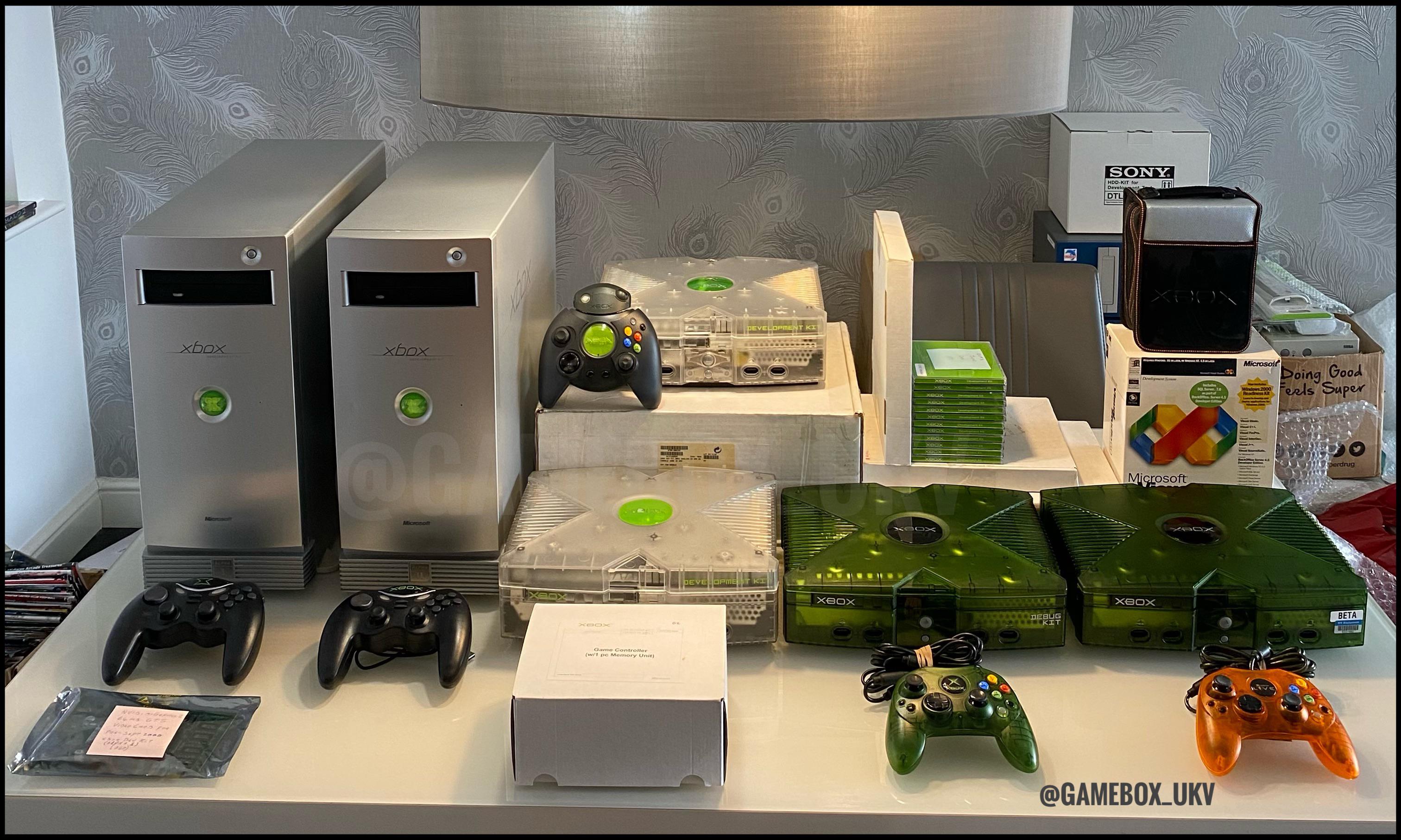
By early 2000, the first prototypes emerged, showcasing the Xbox's potential. These models, while rudimentary, impressed internal stakeholders and key partners through their advanced hardware specifications and innovative features.
Prototype Features
The prototypes featured a 733 MHz Intel Pentium III CPU and a 233 MHz Nvidia GeForce 3 (NV2A) GPU, providing competitive processing speeds and graphical capabilities. The inclusion of an 8GB hard drive was a novel aspect, enabling features previously unseen in consoles.
Testing Regimes
The prototypes underwent extensive stress tests, including prolonged gameplay sessions, overclocking trials, and comprehensive security assessments. Challenges such as heat management and power consumption were meticulously addressed through enhanced cooling systems and optimized firmware.
Developer Collaboration and SDK Refinement
Feedback from internal focus groups, including game developers, was instrumental in refining the developer tools. Early Software Development Kits (SDKs) were iteratively improved to ensure ease of porting PC titles to the console, fostering a strong relationship with the gaming community.
5. Corporate Endorsement and Branding (Late 2000 – Early 2001)
Securing Executive Support and Finalizing the Brand
After nearly two years of development, the project garnered full corporate backing, with executives like Bill Gates taking a keen interest in ensuring the console's market viability. The internal name "DirectX Box" was rebranded to "Xbox" to convey a modern, dynamic image.
Naming the Xbox
The name "Xbox" was selected through a marketing survey, chosen for its punchy, memorable quality. The "X" symbolized the console's innovative edge and the pursuit of an 'x-factor' in gaming technology, while "box" evoked the idea of an all-in-one entertainment hub.
Marketing and Pre-Launch Strategy
Marketing teams coordinated with industry partners to prepare for the console's official announcement. Strategic public relations efforts were implemented to generate buzz and position the Xbox as a revolutionary entrant into the gaming market.
6. Public Reveal and Launch (Early 2001 – November 2001)
From Concept to Market Leadership
The culmination of years of development was marked by a series of high-profile demonstrations and the commercial launch of the Xbox.
Public Unveiling
In early 2001, Microsoft officially unveiled the Xbox at the Game Developers Conference in San Jose, California. The presentation highlighted the console's advanced hardware, built-in hard drive, and nascent online capabilities, garnering significant attention from tech analysts and gamers alike.
Pre-Launch Demonstrations
Throughout the spring of 2001, the Xbox was showcased at various gaming expos, allowing attendees to experience its capabilities firsthand. These events served as both promotional activities and testing grounds to gauge public reception and refine the final product based on real-time feedback.
Launch Day: November 15, 2001
The Xbox launched in North America on November 15, 2001, priced at $299. The release was supported by a robust lineup of titles, including the flagship game "Halo: Combat Evolved," which played a pivotal role in establishing the console's early success and defining its identity within the gaming community.
7. Post-Launch Developments and Legacy
Shaping the Future of Gaming
The successful launch of the Xbox set the stage for Microsoft's continued evolution in the gaming industry, leading to the development of subsequent generations of consoles and innovative services.
Xbox Live and Online Gaming
In November 2002, Microsoft introduced Xbox Live, a subscription-based online gaming service that revolutionized the multiplayer gaming experience. Features such as friend lists, voice chat, and downloadable content fostered a vibrant online community and set new standards for console gaming connectivity.
Evolution of the Xbox Family
The original Xbox's success paved the way for the Xbox 360 in 2005, which enhanced online capabilities and introduced achievements and gamer scores. Subsequent models, including the Xbox One and the latest Xbox Series X and Series S released in November 2020, continued this legacy of innovation, offering improved performance and integrating seamlessly with Microsoft's broader entertainment ecosystem.
Cultural and Industry Impact
The Xbox not only established Microsoft as a formidable player in the console market but also influenced the broader gaming industry's trajectory. The introduction of services like Xbox Game Pass and the strategic acquisition of game studios solidified the Xbox ecosystem, fostering a diverse and expansive gaming landscape.
8. Technical Specifications and Innovations
Detailed Breakdown of Xbox Hardware
| Component | Details |
|---|---|
| CPU | 733 MHz Intel Pentium III |
| GPU | 233 MHz Nvidia GeForce 3 (NV2A) |
| RAM | 64 MB |
| Storage | 8 GB Hard Drive |
| Operating System | Customized Windows 2000 |
| Launch Price | $299 |
The Xbox's technical prowess was further exemplified by innovations such as the bulky "Duke" controller design and the inclusion of a built-in Ethernet port, underscoring its PC-inspired architecture and emphasizing connectivity and user experience advancements.
Conclusion
The creation of the Xbox was a meticulously orchestrated endeavor that combined strategic vision, technological innovation, and relentless dedication. From its inception as the "DirectX Box" to its evolution into a gaming titan, the Xbox's journey reflects Microsoft's successful pivot from a software-centric company to a multifaceted technology leader. The console's introduction of groundbreaking features like a built-in hard drive and Xbox Live not only redefined the gaming experience but also set new industry standards. For film writers, the Xbox's narrative is rich with themes of innovation, corporate strategy, and the transformative power of visionary leadership, offering a compelling story of ambition and achievement in the competitive world of gaming.
References
Last updated February 6, 2025