
Research Proposal: Advancing the State-of-the-Art in 3D Printing of Human Heart Models for Enhanced Drug Screening
A comprehensive exploration into bioprinting innovation for personalized cardiac drug screening
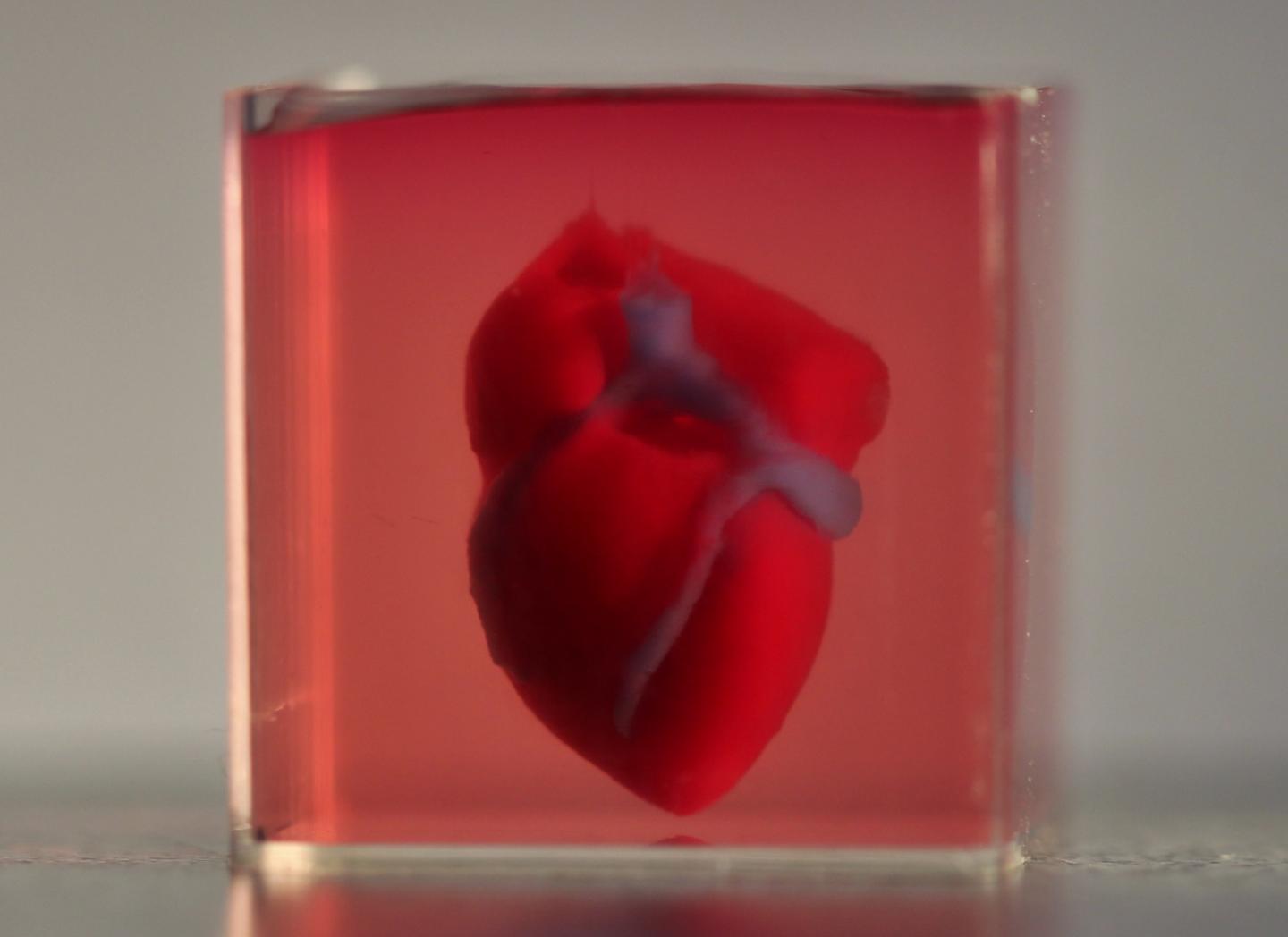
Highlights
- Integration of iPSCs in Bioink: Employ induced pluripotent stem cells to develop bioinks that enable personalized and physiologically relevant heart models.
- High-Fidelity 3D Bioprinting: Utilize advanced bioprinting techniques to replicate the intricate microarchitecture and mechanical properties of native cardiac tissue.
- Enhanced Drug Screening Platform: Develop innovative models for accurate drug response predictions and improved therapeutic discovery.
Introduction
The emergence of 3D bioprinting as a transformative technology in tissue engineering and regenerative medicine provides a platform to address significant challenges in drug development. Traditional two-dimensional (2D) cell culture systems and animal models often fail to emulate the complexity of human cardiac tissue, leading to discrepancies in drug screening outcomes. The proposed research focuses on advancing the state-of-the-art in 3D printing of human heart models, specifically designed to enhance drug screening precision. A key component of this project is the formulation and integration of induced pluripotent stem cells (iPSCs) into bioinks, laying the foundation for establishing physiologically relevant, patient-specific cardiac constructs.
Research Objectives
The primary goal of this research proposal is to develop sophisticated 3D-printed heart models that can significantly improve the predictive accuracy of drug screening assays. To achieve this, multiple objectives have been defined, which not only target the technical feasibility of 3D bioprinting but also address critical aspects such as cellular heterogeneity, functional maturation, and regulatory compliance.
Primary Objectives:
-
Development of Novel Bioink Formulations
A central aspect of this project is the creation of novel bioink formulations incorporating induced pluripotent stem cells (iPSCs). iPSCs are derived from adult somatic cells, ensuring an ethically sound and immunologically compatible cell source. Their pluripotency allows differentiation into various cardiac-specific cell types, including cardiomyocytes, fibroblasts, and endothelial cells, which are essential for replicating the complexity of heart tissue. The proposed bioink formulation aims to strike a balance between mechanical support and a microenvironment conducive to cell viability, proliferation, and functional maturation.
-
Optimization of the 3D Bioprinting Process
The 3D bioprinting process will be optimized to achieve high spatial resolution and precise placement of cellular components. This involves leveraging techniques such as extrusion-based printing, where control over deposition parameters is critical, as well as inkjet printing, which may enhance the resolution and ensure the integrity of the printed structure. A suite of imaging and biomechanical testing methodologies will be employed to verify that the printed constructs accurately mimic the native tissue architecture and functional properties.
-
High-Throughput Drug Screening Platform
An integral part of this research is the application of these 3D printed heart models in drug screening assays. By exposing the models to a variety of pharmacological agents, the platform will evaluate drug efficacy, cardiotoxicity, and potential side effects. The functionality of the heart models, including contractile behavior and electrophysiological properties, will be monitored dynamically. This approach promises to reduce dependency on animal models and improve the translatability of preclinical findings to human clinical outcomes.
-
Evaluation and Validation
This project's success hinges on rigorous validation of the 3D printed heart models. Experimental validation will include optical imaging, biomechanical stress testing, and computational modeling. These methods will ascertain that the tissue constructs exhibit accurate cellular organization and replicable functional performance over time. The comprehensive evaluation will also examine the models’ responsiveness to various drugs, thereby ensuring they provide a reliable platform for future drug screening initiatives.
-
Regulatory and Ethical Considerations
Integrating patient-specific iPSC-derived bioink overcomes several ethical issues usually associated with the use of embryonic stem cells. The proposal recognizes the need to align with ethical guidelines and regulatory standards governing biomedical research. Early collaboration with regulatory bodies will ensure that the fabricated tissues and subsequent research protocols adhere to the required safety and quality standards.
Methodology
The methodology integrates advanced bioprinting technologies with cell biology to produce human heart tissue models that are both structurally and functionally representative of native cardiac tissue. The research will be executed through the following steps:
1. Bioink Development and iPSC Integration
This phase focuses on the formulation of a robust bioink. The key aspects include:
- Cell Sourcing and iPSC Differentiation: Obtain patient-specific iPSCs and differentiate them into relevant cardiac cell types such as cardiomyocytes, fibroblasts, and endothelial cells.
- Bioink Composition: Combine differentiated cells with biocompatible polymers such as alginate, GelMA, or fibrin. These biomaterials will provide the necessary support while facilitating nutrient diffusion and cellular communication.
- Rheological Testing: Optimize the viscosity and crosslinking properties of the bioink to ensure smooth extrusion and structural integrity post-printing.
- Functional Testing: Ensure the bioink provides a microenvironment that supports the viability and functional maturation of the embedded cells.
2. 3D Bioprinting Process Optimization
The bioprinting process will involve:
- Technology Selection: Utilize extrusion-based printing complemented by inkjet technologies. This combination ensures high spatial resolution while preserving the bioactivity of the cells.
- Parameter Optimization: Adjust extrusion pressure, printing speed, and nozzle diameter. These parameters are optimized to achieve precise deposition of the bioink, maintaining a structure that emulates the native heart tissue microarchitecture.
- Multimaterial Printing: Incorporate multiple cell types simultaneously to recapitulate the graded complexity found in the natural heart tissue organization.
- Post-Printing Conditioning: Employ dynamic culture systems, such as perfusion bioreactors, to nurture the printed constructs and encourage cellular maturation and connectivity.
3. Drug Screening Assay Development
Once the heart models are printed and matured, the subsequent focus will be on establishing their utility in drug screening:
- Designing Screening Protocols: Develop standardized protocols for assessing drug effects, including contractility assays and electrophysiological measurements.
- Pharmacological Testing: Expose the models to a range of drugs to measure effects on viability, contractile function, and cellular response profiles.
- Data Analysis: Evaluate responses using quantitative metrics and compare against clinical data to establish the predictive accuracy of the printed constructs.
4. Validation and Characterization
Comprehensive validation is fundamental to confirming the functional fidelity of the printed heart models:
- Structural Analysis: Utilize advanced imaging techniques such as confocal microscopy and optical coherence tomography (OCT) to verify the structural integrity and cell distribution within the constructs.
- Functional Assays: Perform biomechanical testing to assess contractile functionality and stress responses under simulated physiological conditions.
- Computational Modeling: Integrate computational tools to simulate hemodynamic and electrophysiological conditions, thereby benchmarking the performance of printed models against known biological standards.
Timeline and Budget Overview
To ensure smooth execution, the project will span over a 24-month period with clearly defined phases:
| Phase | Duration | Key Activities |
|---|---|---|
| Bioink Development | 0-6 Months |
|
| 3D Bioprinting Optimization | 6-12 Months |
|
| Drug Screening Assay Development | 12-18 Months |
|
| Validation & Finalization | 18-24 Months |
|
The proposed project will require a total budget of approximately $1,000,000, allocated to personnel, equipment, consumables, and operational costs. Strategic funding and collaboration with regulatory bodies will ensure smooth progress and compliance with international standards.
Incorporating iPSC Cells in Bioink Preparation
One of the standout objectives of this research is the inclusion of iPSC-derived cells in bioink preparation. The use of human iPSCs offers multiple benefits, including:
- Ethical Advantages: Eliminates ethical dilemmas associated with embryonic stem cell sources.
- Immunological Compatibility: Provides a customizable platform based on patient-specific genetic backgrounds, reducing the risk of immunological rejection.
- Functional Versatility: iPSCs possess pluripotency; hence, they can differentiate into cardiomyocytes and supporting cell types, which are critical for replicating the cellular heterogeneity inherent in heart tissue.
- Drug Response Accuracy: Personalized models derived from iPSCs facilitate accurate drug screening, promising to enhance the prediction of clinical outcomes and improve the safety and efficacy of newly developed therapeutics.
The process will involve:
- Extracting patient-specific somatic cells and reprogramming them into iPSCs.
- Differentiating the iPSCs into target cardiac cell types, ensuring high fidelity to native tissue phenotypes.
- Integrating these differentiated cells into bioink formulations that combine optimal biomaterial choices to ensure suitable structural support and biochemical cues.
- Optimizing the printing and post-printing conditioning processes to facilitate cell maturation and integration.
Expected Outcomes and Implications
Upon successful completion, this research is expected to realize several critical outcomes:
-
Highly Representative Heart Models
The 3D printed heart models will closely mimic the structural and functional attributes of native tissue, thereby providing a robust platform for preclinical drug testing.
-
Enhanced Drug Screening Efficacy
With improved predictive accuracy, the models are anticipated to accelerate the identification of effective and safe therapeutic interventions, reducing the reliance on animal testing.
-
Personalized Medicine
The incorporation of patient-specific iPSC-derived cells opens avenues for tailored treatment strategies, offering a transformative impact on personalized healthcare.
-
Advancements in Bioprinting Technologies
This project will contribute novel insights into bioink chemistry, printing parameter optimization, and post-fabrication tissue maturation techniques, thus informing future research in tissue engineering and regenerative medicine.
References
-
3D bioprinting of functional tissue models for personalized drug screening - NCBI PMC
-
3D bioprinting of cardiac tissues for drug screening - NCBI PMC
-
Advances in 3D printed heart tissue models - NCBI PMC
- Cellink Heart Tissue Model - Cellink
-
Applications of 3D Bioprinted iPSC-derived Tissues - NCBI PMC
Recommended Further Reading
Last updated March 22, 2025