
The Environmental Impact of Artificial Intelligence
Understanding the Ecological Footprint of AI Technologies
Key Takeaways
- AI's significant energy consumption contributes heavily to global carbon emissions.
- Water usage for cooling data centers exacerbates water scarcity in vulnerable regions.
- Electronic waste from AI hardware poses serious environmental hazards if not properly managed.
1. Energy Consumption
Understanding the Scale of Energy Use
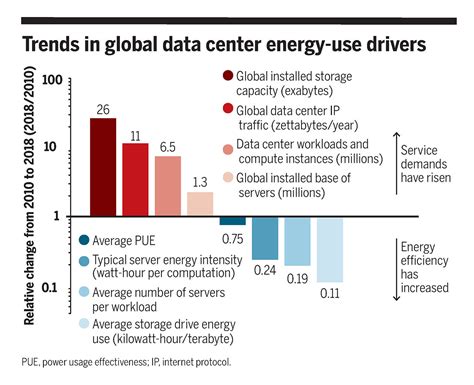
Artificial Intelligence (AI) systems, particularly large-scale models like generative AI, demand vast amounts of energy for both training and operational phases. Data centers, which house the servers running these AI algorithms, are the primary consumers of electricity. The energy required is not only substantial in quantity but also varies depending on the geographical location and the sources of electricity.
a. Training and Inference Energy Costs
Training a single AI model can consume thousands of megawatt-hours (MWh) of electricity. For instance, developing a state-of-the-art language model can result in energy consumption comparable to multiple round-trip flights across the United States. Once trained, these models continue to consume energy during inference, which involves processing user queries and executing tasks in real-time. The continuous operation of AI systems means that energy costs are not one-time but ongoing.
b. Regional Variations in Energy Impact
The environmental impact of AI's energy consumption is heavily influenced by the energy mix of the region where data centers are located. In areas where electricity is primarily generated from fossil fuels, the carbon emissions associated with AI operations are significantly higher. Conversely, regions investing in renewable energy sources like wind, solar, and hydroelectric power can mitigate some of the negative impacts by reducing the carbon footprint of their data centers.
Energy Efficiency Measures
To counteract the high energy demands, several strategies are being implemented:
- Optimizing Algorithms: Developing more efficient AI algorithms that require less computational power can significantly reduce energy consumption.
- Hardware Improvements: Advances in hardware technology, such as more energy-efficient processors and cooling systems, contribute to lower energy use.
- Data Center Design: Modern data centers are increasingly designed with energy efficiency in mind, incorporating features like improved insulation, advanced cooling systems, and energy management software.
2. Carbon Footprint
AI's Contribution to Greenhouse Gas Emissions
The extensive energy consumption of AI systems directly translates to a substantial carbon footprint, particularly when the energy is derived from non-renewable sources. Data centers are responsible for a significant portion of global greenhouse gas emissions. The reliance on fossil fuels in many regions exacerbates this issue, making AI a notable contributor to climate change.
a. Data Center Emissions
Large-scale data centers, essential for AI operations, often depend on electricity generated from coal, natural gas, and other fossil fuels. This dependency results in high levels of carbon dioxide (CO₂) and other greenhouse gas emissions. Despite efforts by some companies to transition to renewable energy, the majority of AI infrastructure still relies heavily on conventional energy sources.
b. Generative AI Models
Generative AI models, due to their complexity and size, are among the most energy-intensive AI technologies. Training and deploying these models can require energy consumption comparable to that of entire industrial facilities operating for months. This heightened energy use significantly increases their carbon footprint, making sustainability a critical concern in AI development.
Mitigation Strategies
Addressing AI's carbon footprint involves multiple approaches:
- Transition to Renewable Energy: Shifting data centers to renewable energy sources can substantially reduce the carbon emissions associated with AI.
- Carbon Offsetting: Investing in environmental projects such as reforestation can help offset the carbon emissions produced by AI operations.
- Energy-Efficient Practices: Implementing best practices for energy efficiency in both software and hardware can minimize unnecessary energy use.
3. Water Usage
The Role of Water in AI Infrastructure
AI's reliance on data centers extends beyond electricity to massive water consumption. Water is predominantly used for cooling purposes to dissipate the heat generated by servers. In regions where water resources are already limited, this increased demand can exacerbate water scarcity and lead to environmental stress.
a. Cooling Systems and Water Use
Data centers employ various cooling techniques, many of which require significant amounts of water. Traditional cooling methods involve large-scale water use, leading to high rates of evaporation and reduced freshwater availability. This is particularly problematic in arid regions where water is a precious resource.
b. Environmental Impact of Water Consumption
The substantial water usage by AI infrastructure can have several negative environmental effects, including:
- Local Ecosystem Disruption: Excessive water withdrawal can alter local water tables and disrupt ecosystems dependent on that water.
- Resource Strain: Competing demands for water from agriculture, industry, and residential use can lead to shortages and conflicts.
- Increased Temperature: Water-intensive cooling can lead to higher temperatures in surrounding areas, affecting local biodiversity and climate conditions.
Sustainable Water Management
To mitigate the water-related impacts of AI, the following strategies can be employed:
- Advanced Cooling Technologies: Implementing cooling systems that require less water, such as air-cooled or liquid-cooled systems, can reduce water consumption.
- Water Recycling: Recycling and reusing water within data centers can minimize the overall demand for freshwater sources.
- Location Selection: Building data centers in areas with abundant water resources or cooler climates can lessen the need for extensive water-based cooling.
4. Electronic Waste (E-Waste)
The Lifecycle of AI Hardware
The hardware components essential for AI, such as Graphics Processing Units (GPUs) and Tensor Processing Units (TPUs), are resource-intensive to produce and have relatively short lifespans. The eventual disposal of these components contributes to the growing problem of electronic waste, which poses significant environmental hazards if not properly managed.
a. Production and Resource Extraction
Manufacturing AI hardware involves the extraction of rare earth metals and other critical materials. Mining activities for these resources often result in soil erosion, habitat destruction, and pollution due to the use of toxic chemicals in the extraction process. Additionally, the energy-intensive nature of semiconductor manufacturing further amplifies the environmental impact.
b. E-Waste Generation
As AI technology evolves rapidly, hardware becomes obsolete quickly, leading to increased electronic waste. E-waste contains hazardous materials like mercury, lead, and cadmium, which can leach into soil and waterways, posing health risks to both humans and wildlife. The lack of efficient recycling programs exacerbates the issue, making proper disposal a critical challenge.
Mitigation and Recycling Efforts
Addressing the e-waste problem associated with AI requires concerted efforts in several areas:
- Extended Hardware Lifespan: Designing durable hardware with longer operational lifespans can reduce the frequency of replacements and subsequent e-waste.
- Recycling Programs: Implementing comprehensive recycling programs and promoting the use of recycled materials in new hardware can mitigate e-waste impacts.
- Responsible Disposal: Ensuring that obsolete electronics are disposed of in environmentally safe ways prevents hazardous substances from entering ecosystems.
5. Agricultural and Industrial Impacts
AI in Agriculture
AI applications in agriculture aim to optimize farming practices, but they can inadvertently lead to environmental challenges. The precision and efficiency provided by AI-driven systems might result in the overuse of pesticides and fertilizers, which can contaminate soil and water bodies, harming biodiversity and disrupting ecosystems.
AI in Industry
In industrial settings, AI can enhance the efficiency of processes such as drilling and mining. While this optimization leads to increased productivity, it can also result in heightened environmental degradation if not managed responsibly. For example, more efficient drilling might encourage over-extraction of fossil fuels, exacerbating carbon emissions and habitat disruption.
Balancing Efficiency and Sustainability
To ensure that AI contributes positively to both agriculture and industry without harming the environment, the following measures can be implemented:
- Sustainable Practices: Incorporating sustainability into AI-driven processes can help balance efficiency with environmental preservation.
- Regulatory Oversight: Establishing regulations that limit the environmental impact of AI applications in sensitive sectors can prevent overexploitation of resources.
- Environmental Monitoring: Utilizing AI for continuous monitoring of environmental parameters can help detect and mitigate negative impacts promptly.
6. Potential for Mitigation and Positive Contributions
AI as a Tool for Sustainability
Despite the various environmental challenges posed by AI, the technology itself holds significant potential to drive sustainability and mitigate its own impacts. AI can be leveraged to optimize energy use, enhance resource management, and develop innovative solutions to pressing environmental issues.
a. Optimizing Energy Consumption
AI algorithms can analyze and predict energy usage patterns in data centers, allowing for dynamic adjustments that reduce overall consumption. Techniques such as load balancing, predictive maintenance, and real-time optimization can lead to substantial energy savings.
b. Climate Modeling and Prediction
AI-driven models can simulate and predict climate change impacts with high accuracy, providing valuable insights for policymakers and researchers. These models can help in designing effective environmental policies and strategies to combat climate change.
c. Innovations in Renewable Energy
AI can enhance the efficiency and integration of renewable energy sources into the power grid. By predicting energy production from sources like wind and solar, AI can facilitate better energy storage and distribution, making renewable energy more reliable and widespread.
d. Resource Management and Conservation
AI technologies can optimize the management of natural resources, ensuring their sustainable use. Applications include precision agriculture, which minimizes resource waste, and conservation efforts that protect endangered species and ecosystems through targeted interventions.
Advancing Environmental Technologies
The integration of AI into environmental technologies can lead to breakthroughs that significantly reduce human impact on the planet. For example, AI can enhance the capabilities of sensors used for environmental monitoring, improve the efficiency of recycling processes, and support the development of eco-friendly materials.
Promoting Sustainable AI Development
To fully realize AI's potential in fostering sustainability, the following practices should be adopted:
-
Green AI Initiatives: Encouraging research focused on developing AI technologies that prioritize energy efficiency and minimal environmental impact.
-
Collaborative Efforts: Fostering partnerships between technology developers, environmental organizations, and policymakers to create comprehensive strategies for sustainable AI.
-
Ethical AI Development: Ensuring that ethical considerations, including environmental sustainability, are integral to the AI development lifecycle from inception to deployment.
Conclusion
The environmental impact of artificial intelligence is multifaceted, encompassing significant energy consumption, carbon emissions, water usage, and electronic waste. These challenges are exacerbated by the rapid growth of AI technologies and their increasing integration into various sectors. However, AI also holds immense potential to contribute positively to environmental sustainability through optimized resource management, climate modeling, and innovations in renewable energy.
To mitigate the harmful effects of AI on the environment, it is crucial to adopt responsible practices such as transitioning to renewable energy sources, enhancing energy efficiency in AI operations, and implementing effective recycling programs for electronic waste. Additionally, leveraging AI's capabilities to address environmental challenges can create a synergistic relationship where technology not only minimizes its own footprint but also actively contributes to the preservation and restoration of the planet.
Ultimately, a balanced approach that addresses the environmental costs of AI while harnessing its potential for sustainability is essential for ensuring that the benefits of artificial intelligence do not come at an unsustainable ecological price.
References
Last updated January 19, 2025