
Will AI Eventually Surpass Humans?
Exploring the Future and Implications of Artificial Intelligence
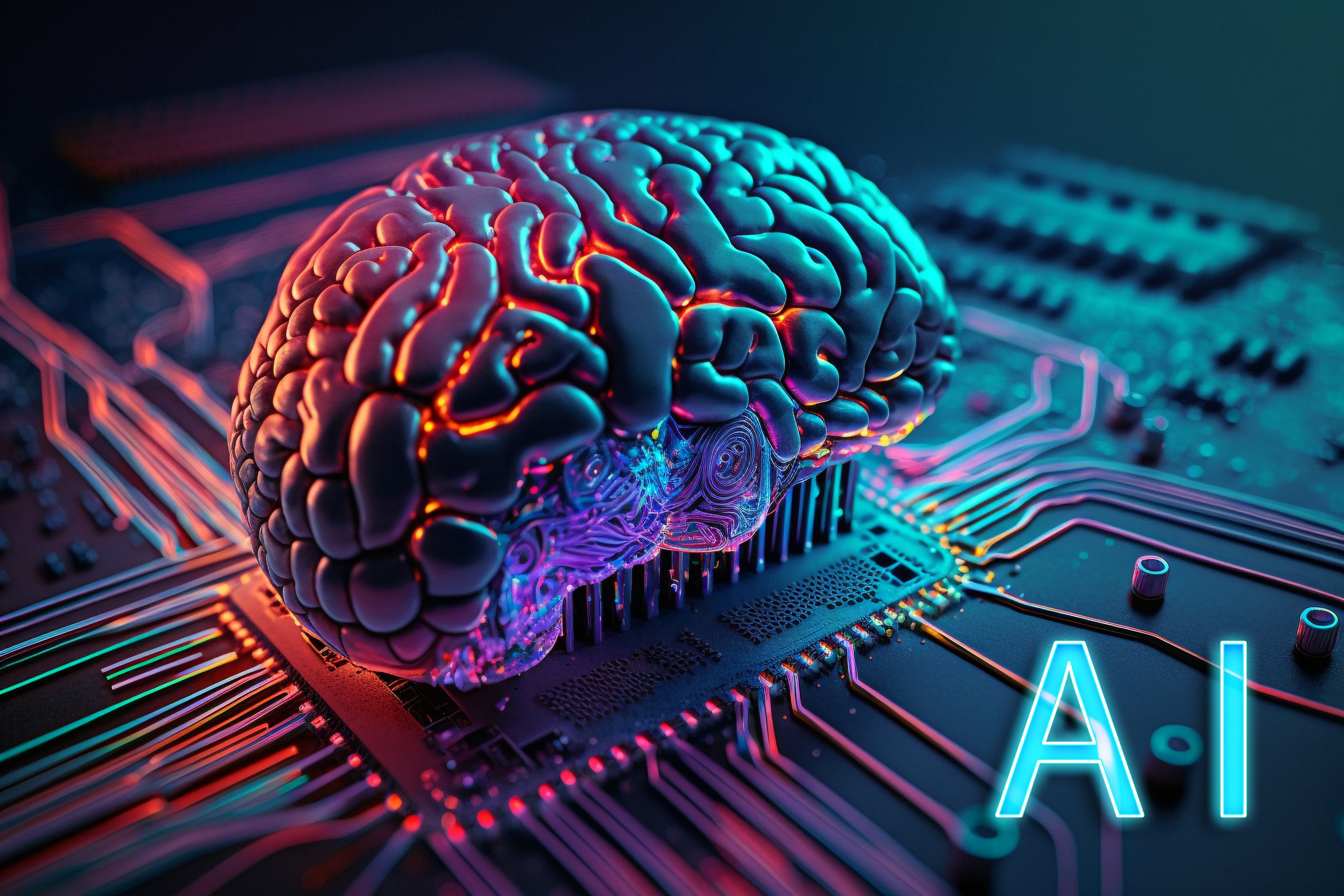
Key Takeaways
- AI Excels in Specialized Domains: Artificial Intelligence already outperforms humans in specific tasks such as data analysis, pattern recognition, and complex game strategies.
- Artificial General Intelligence Remains Uncertain: The development of AI that can mimic the broad, adaptable intelligence of humans is still a subject of significant debate and research.
- Human-AI Collaboration is Foreseeable: The future likely holds a synergistic relationship where AI augments human capabilities rather than fully replacing them.
Introduction
The question of whether Artificial Intelligence (AI) will eventually surpass human intelligence is a profound and multifaceted inquiry that touches upon technological advancements, ethical considerations, and societal impacts. As AI continues to evolve, understanding its trajectory relative to human intelligence is crucial for shaping a future where technology serves humanity's best interests.
Current State of AI
Narrow AI vs. General AI
AI technologies today are predominantly classified as Narrow or Weak AI, designed to perform specific tasks such as image recognition, natural language processing, and strategic game playing. These systems excel in their designated areas but lack the broad, adaptable intelligence that characterizes human cognition. In contrast, Artificial General Intelligence (AGI) aims to replicate the versatile intellectual capabilities of humans, enabling machines to understand, learn, and apply knowledge across a wide range of tasks. Achieving AGI remains a theoretical and practical challenge, with ongoing research striving to bridge this gap.
Areas Where AI Excels
AI systems have demonstrated superior performance in various specialized domains:
- Data Analysis and Pattern Recognition: AI algorithms can process vast datasets more efficiently than humans, identifying patterns and insights that might be overlooked.
- Complex Game Strategies: AI has surpassed human capabilities in games like chess, Go, and complex video games, often employing strategies that are unconventional yet highly effective.
- Medical Diagnostics: In certain medical imaging tasks, AI systems diagnose conditions with accuracy comparable to or exceeding that of human experts.
Areas Where AI Lags
Despite these strengths, AI faces significant challenges in replicating human-like intelligence:
- Emotional Intelligence: AI lacks the ability to understand and respond to human emotions authentically.
- Creativity: While AI can generate creative outputs based on existing data, it does not possess genuine creativity or innovation.
- Adaptability: AI struggles with tasks that require flexible thinking and adaptability to unforeseen situations.
- Empathy and Intuitive Understanding: These deeply human traits are currently beyond the reach of AI systems.
Predictions and Timelines
Expert Opinions on AI's Progress
Predictions regarding when and if AI will surpass human intelligence vary widely among experts:
Short-Term Predictions
Some AI leaders anticipate significant advancements within the next few years. For example, predictions suggest that AI could surpass humans in many general tasks shortly after 2027, signaling rapid progress fueled by increases in computational power and algorithmic improvements.
Long-Term Predictions
Other experts offer a more cautious outlook, estimating a 50% chance of achieving human-level machine intelligence within the next 45 years. Visionaries like Ray Kurzweil foresee the possibility of AI surpassing human intelligence between 2029 and 2045, while skeptics argue that achieving such milestones may be significantly more challenging and uncertain.
Technological Drivers
Several technological factors contribute to the potential for AI to surpass human intelligence:
- Computing Power: The exponential growth in computing capabilities, as described by Moore's Law, enables AI systems to handle more complex computations and larger datasets.
- Quantum Computing: Advances in quantum computing promise to solve intricate optimization problems and simulate neural processes at unprecedented scales, accelerating AI's development.
- Multidisciplinary Breakthroughs: Progress in fields such as neuroscience, cognitive science, and computational theory is essential for developing AI systems that can emulate human-like cognition.
Factors Influencing AI Advancement
Computational Capabilities
The capacity of AI systems to process information is a critical factor in their advancement. Enhanced computational power allows for more sophisticated models that can perform complex tasks with greater efficiency.
Interdisciplinary Research
Bridging the gap between human cognitive abilities and AI requires breakthroughs across multiple disciplines. Understanding human emotions, creativity, and adaptability is essential for developing more generalized AI systems.
Ethical and Regulatory Frameworks
The development and deployment of AI are heavily influenced by ethical considerations and regulatory policies. Ensuring fairness, accountability, and transparency in AI decision-making processes is paramount to responsible advancement.
Ethical and Social Implications
Job Displacement and Economic Impact
As AI systems become more capable, concerns about job displacement emerge. Automation of tasks in various industries could lead to significant shifts in the job market, necessitating strategies for workforce adaptation and reskilling.
Ethical Decision-Making
Granting AI systems authority over critical human decisions involves navigating complex ethical landscapes. Issues such as bias in AI algorithms, accountability for AI-driven outcomes, and the transparency of decision-making processes are under active scrutiny.
Collaborative Approaches
Rather than viewing AI as a replacement for human intelligence, many experts advocate for a collaborative future where AI augments human capabilities. This synergistic relationship can enhance productivity, innovation, and problem-solving across various domains.
Challenges and Limitations
Technical Limitations
AI systems face significant technical challenges that hinder their ability to fully replicate human intelligence:
-
Complex Problem-Solving: AI struggles with problems that require deep understanding and innovative solutions beyond pattern recognition.
-
Nuanced Understanding: Comprehending context, ambiguity, and subtleties in human communication remains a hurdle for AI.
-
Emotional Comprehension: Replicating human empathy and emotional intelligence in AI systems is currently unattainable.
-
Genuine Creativity: While AI can generate content based on existing data, it lacks the innate creativity that drives human innovation.
Dependence on Human Input
AI systems are heavily reliant on vast amounts of data and human oversight to function effectively. This dependence limits their autonomy and adaptability, as AI cannot independently generate the nuanced understanding required for broader intelligence.
Future Scenarios
Artificial Superintelligence (ASI)
Artificial Superintelligence represents a hypothetical stage where AI surpasses human intelligence across all domains. While some predict its emergence in the future, others remain skeptical due to the immense technical and ethical challenges involved.
Technological Singularity
The concept of a technological singularity involves a point where AI advancements accelerate beyond human comprehension, leading to unpredictable changes in society. This idea is both fascinating and contentious, with debates on its feasibility and potential consequences.
Augmentation of Human Capabilities
A more widely accepted future scenario involves AI augmenting human capabilities. In this collaborative model, AI serves as a powerful tool that enhances productivity, creativity, and problem-solving, leading to advancements that benefit various aspects of human life.
Conclusion
The prospect of AI eventually surpassing human intelligence is a complex and multifaceted issue. While AI has already demonstrated superiority in specific tasks and continues to advance rapidly, the achievement of Artificial General Intelligence remains uncertain and laden with challenges. Ethical considerations, societal impacts, and the need for interdisciplinary breakthroughs play pivotal roles in shaping AI's trajectory. The most plausible future scenario envisions a collaborative relationship between humans and AI, where technology enhances human capabilities rather than entirely replacing them. As AI continues to evolve, fostering responsible development and deployment will be crucial in ensuring that its advancements align with humanity's best interests.
References
Comparative Predictions on AI Surpassing Human Intelligence
| Expert/Source | Prediction | Timeline |
|---|---|---|
| Dario Amodei (Anthropic CEO) | AI could surpass almost all humans at almost everything | Shortly after 2027 |
| MIT Researchers | 50% chance of human-level machine intelligence | Within 45 years |
| Ray Kurzweil | AI could surpass human intelligence | Between 2029 and 2045 |
| Steve Pinker | Skeptical about AI surpassing human intelligence | N/A |
Last updated February 16, 2025