
Emotion-Inducing Elements in Architecture
Exploring how design shapes feelings and experiences
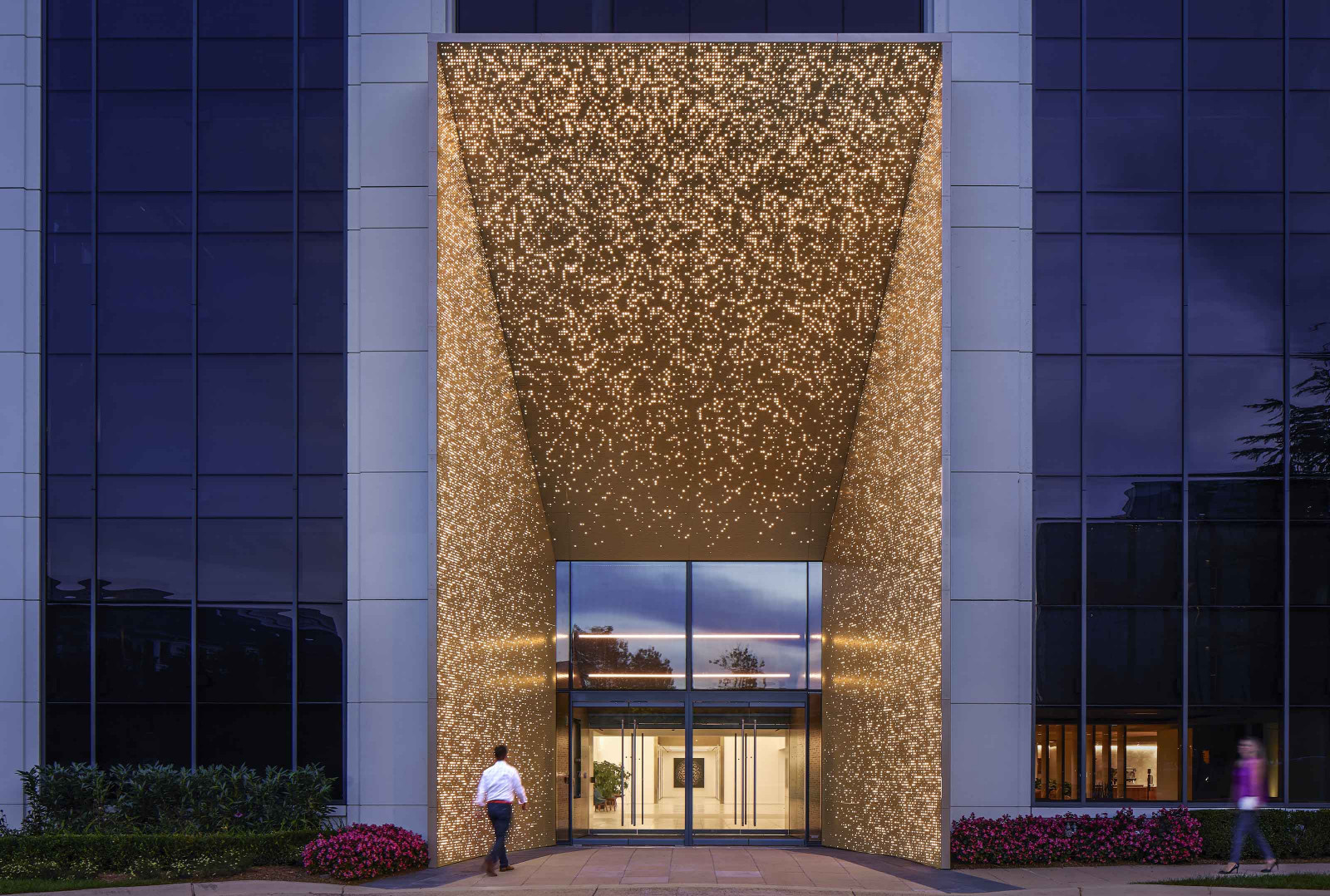
Key Insights
- Understanding Emotion Through Design: Architectural elements such as light, color, form, and material contribute significantly to the emotional resonance of a space.
- Impact of Natural Elements: Natural light and organic influences, paired with careful spatial configuration, evoke feelings from comfort and freedom to mystery and introspection.
- Cultural and Psychological Connections: Architecture not only solves functional needs but also taps into cultural, historical, and psychological dimensions that shape our experience.
Detailed Exploration of Architectural Elements that Evoke Emotion
Architecture is more than the creation of shelter or the facilitation of specific functions; it is an art form that has the inherent power to influence how we feel, think, and interact with our environment. When designers consider emotional responses as part of the overall architectural process, every design element—from the shape of walls to the quality of light and sound—plays a role in shaping our mood and well-being.
Interplay Between Form and Space
Shapes and Geometric Elements
One of the most influential aspects of architecture in terms of emotion is the use of both curved and straight lines. Curved forms often evoke organic, nurturing feelings that can mimic natural shapes. These forms have the potential to provide a sense of warmth and safety, easing our perception of space and reducing stress. In contrast, straight lines and geometric precision create feelings of order, stability, and strength. However, overly rigid forms without balance may contribute to a feeling of severity or detachment.
Scale, Proportion, and Spatial Arrangement
Size and proportion within a space can significantly determine its emotional impact. Large, open spaces with high ceilings tend to stimulate awe and wonder, granting occupants the freedom to feel expansive, while more confined spaces can create a sense of intimacy or, if poorly designed, anxiety. Architects use spatial configuration deliberately to promote either social interaction or solitude, depending on the intended purpose of the building. For instance, open plazas and communal areas invite connectivity, whereas private corners and nooks can enhance contemplation and personal reflection.
The Role of Light and Shadow
Natural Light as an Emotional Catalyst
Light stands out as one of the most potent tools in an architect's palette. Natural light, when harnessed effectively, breathes life into a space. Sunlight streaming through carefully positioned windows or skylights can infuse a room with warmth and an inviting glow, thereby uplifting mood and energy. This interplay also accentuates textures and forms, highlighting architectural details that might otherwise go unnoticed.
Manipulation of Artificial Lighting and Shadows
Equally important is the strategic use of artificial lighting. Architects deploy light to define areas and create depth. Dim lighting and the deliberate casting of shadows can instill a sense of mystery and intimacy, transforming a functional space into an evocative environment. The contrast between brightness and shadow does more than simply delineate physical space; it can also set the tone and emotional background of an environment, guiding the experience of its occupants.
Emotional Influence of Color
Warm vs. Cool Tones
Color psychology is a well-documented phenomenon in architecture. Warm tones such as reds, oranges, and yellows can stimulate feelings of excitement, passion, and energy. These colors are often employed in spaces designed to foster creativity and activity. Conversely, cool tones like blues, greens, and purples are known for their calming effects. Such colors are typically used in environments where relaxation and focus are paramount. By thoughtfully selecting color palettes, architects can subtly influence the emotional state of a building's users.
Cultural and Contextual Color Use
Beyond the immediate psychological impact, colors can also evoke cultural and historical symbolism. A building characterized by color schemes that reference local traditions, significant historical periods, or the natural surroundings can foster a deeper sense of place and belonging. This connection not only enriches the aesthetic experience but also strengthens the community's identity and pride.
Materiality and Texture in Design
Natural Materials and Their Emotional Resonance
The tactile quality of a building can play a pivotal role in affecting emotions. Natural materials such as wood, stone, and water features introduce textures that provide warmth and authenticity to modern design. These elements evoke a connection to nature, encouraging feelings of calm and rootedness. The presence of natural surfaces often creates an atmosphere that is both inviting and nurturing.
Contrast and Harmony in Material Selection
In addition to using natural elements, architects often contrast these materials with smoother, more artificial textures like polished marble or sleek glass. This juxtaposition can evoke a spectrum of emotions—from the tactile comfort of nature to the cool detachment of modernity. The careful orchestration of such materials aids in creating dynamic spaces that are visually intriguing and emotionally responsive.
Sound and Acoustics as Subtle Emotional Influencers
Private versus Public Sounds
While visual elements tend to dominate discussions on emotion in architecture, sound plays an understated yet significant role. The acoustics of a space, whether in a bustling public area or a quiet private room, can profoundly affect our emotional state and concentration levels. Spaces designed with excellent acoustical properties promote comfort—quiet environments tend to invite focus and introspection, while lively, well-managed spaces can enhance communication and social interaction effectively.
Interplay Between Sound and Spatial Design
Incorporating sound-absorbing materials or designing spaces to enhance natural acoustics showcases how architects consider the orchestration of sound. The interplay between sound and space is not solely aesthetic; it influences how individuals feel within a room, whether it’s the comfort of a library or the vibrancy of a community center.
Integral Role of Cultural and Historical Context
Reflecting Social Identity and Memory
Architecture is deeply intertwined with culture and history. Buildings that reference traditional motifs, regional styles, or landmarks of historical significance evoke a spectrum of emotions tied to identity and memory. When a space incorporates elements that resonate with local cultural narratives, it not only serves as a functional structure but also as a living monument to a community’s collective experience.
Creating Spaces of Belonging
By drawing from historical and cultural elements, architects create a “feeling of place” that carries depth and meaning. Such design choices invoke emotions linked to belonging, pride, and nostalgia. For residents and visitors alike, these elements serve as touchstones that anchor memory and incite a deeper connection to the environment.
Synthesis of Elements in Architectural Practice
Integrating the various emotional elements requires an approach that balances functionality, aesthetics, and psychological impact. Architects achieve this through a deliberate design process:
| Design Element | Emotional Impact | Key Considerations |
|---|---|---|
| Shapes & Forms | Curves inspire comfort; straight lines suggest order. | Balance organic forms with geometric precision. |
| Light & Shadow | Natural light lifts mood; artificial lighting sets tone. | Utilize skylights, windows, and deliberate shadow play. |
| Scale & Proportion | Large spaces evoke awe; smaller areas encourage intimacy. | Ensure spatial harmony and context-appropriate layout. |
| Color | Warm colors energize; cool colors relax. | Incorporate culturally resonant palettes. |
| Materials & Textures | Natural materials create warmth; polished surfaces suggest luxury. | Contrast different textures to maintain both interest and harmony. |
| Acoustics | Quiet enhances focus; vibrant sound fosters social interaction. | Plan for soundproofing or sound-enhancing design as needed. |
| Cultural Context | Enhances identity and belonging. | Incorporate local history and traditions into design language. |
The architectural process is as much about psychology as it is about engineering. When these elements coalesce seamlessly, they create spaces that do more than simply house activities; they evoke vivid emotional responses that can transform everyday interactions and shape the experience of both inhabitants and visitors.
Design Strategies for Evoking Targeted Emotions
Creating Impact Through Intentional Design
For architects and designers looking to create spaces that resonate on a deeper emotional level, several strategies have proven effective:
Holistic Integration
The most impactful designs consider every element—from spatial configuration to lighting, materiality, and acoustics—as parts of a larger, coherent narrative. An integrated approach ensures that each detail reinforces the overall emotional atmosphere, allowing users to feel both the functionality and the subtle emotional storytelling embedded within the space.
User-Centered Design
Effective architectural design also takes into account the users’ experiences. By understanding the needs, cultural backgrounds, and psychological triggers of the target audience, architects can tailor environments that nurture desired emotional responses. For example, workspaces designed with ample natural light, soothing color schemes, and open layouts promote creativity and reduce stress.
Experimentation with Materials and Technology
Innovations in materials and building technologies provide architects with new tools for creating dynamic emotional responses. Interactive lighting systems, adaptive facades, and mixed-media installations allow for real-time modulation of a space’s atmosphere. When combined with traditional design principles, these technologies can create environments that are not only beautiful and functional but also emotionally engaging.
Case Studies: Architecture that Moves Us
History is rich with examples of buildings that harness design elements to evoke strong emotions. Iconic structures combine thoughtful spatial design, dramatic use of light, cultural storytelling, and material choices that resonate with their surroundings. Each of these case studies serves as a reminder of architecture's power as both a scientific discipline and a drive of artistic expression.
From the grand cathedrals of medieval Europe to modern museums and libraries, architectural works demonstrate that space itself can be a source of emotional stimulation. Whether invoking awe through monumental scale or fostering introspection in a quiet courtyard, the emotional capacity of architecture remains one of its most compelling qualities.
References
- The Influence of Architecture on Emotions - Prasoon Design Studio
- Architecture Is a Deeply Emotional Experience - ArchDaily
- Emotional Architecture: How Curves and Lines Influence Human Experience - Architizer
- How Architecture and Interior Design Affect Our Emotions - IMM Cologne
- The Emotional Power of Architecture: How Buildings Move Us - dormakaba Blog
Recommended Queries for Further Exploration
Last updated March 18, 2025