
Comprehensive Overview of Brucella melitensis bv, Candida albicans, and Pseudomonas aeruginosa
Understanding Key Pathogens and Their Treatment Strategies in Modern Medicine
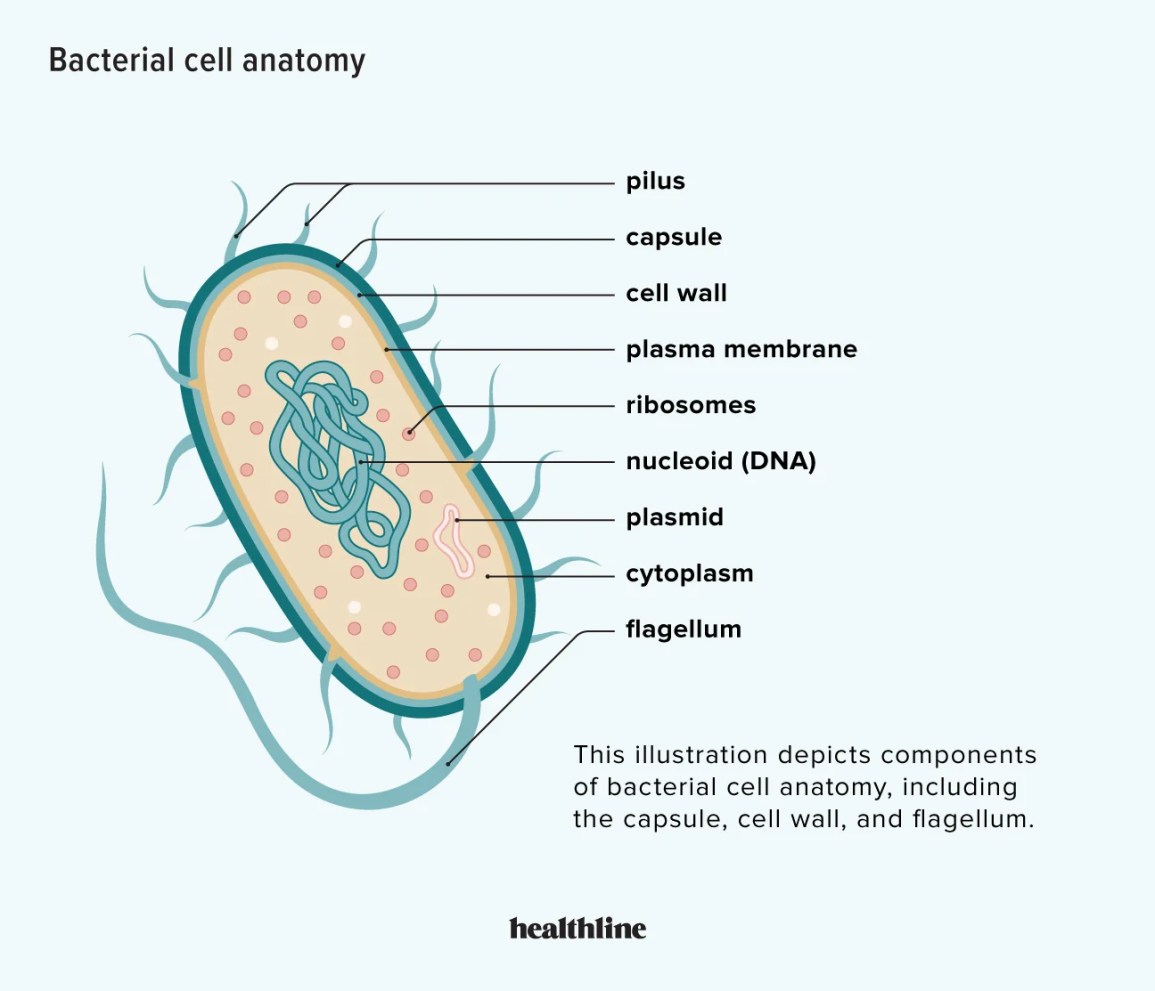
Key Takeaways
- Antimicrobial Resistance: All three pathogens exhibit significant resistance to standard treatments, necessitating alternative therapeutic approaches.
- Pathogenic Mechanisms: Each organism employs unique strategies to evade the host immune system, complicating infection control and eradication.
- Innovative Treatments: Emerging therapies, including nanoparticles and phage therapy, show promise in combating resistant strains.
Introduction
Brucella melitensis bv, Candida albicans, and Pseudomonas aeruginosa are three distinct pathogens that pose significant challenges in clinical settings. Understanding their biology, pathogenicity, and treatment modalities is crucial for effective disease management. This comprehensive overview delves into the characteristics of each pathogen, their interaction with the human host, current and emerging treatment strategies, and the broader implications of antimicrobial resistance.
Brucella melitensis bv
Overview
Brucella melitensis is a Gram-negative coccobacillus belonging to the Brucellaceae family. It is the most pathogenic species within the Brucella genus, primarily responsible for brucellosis in humans. This zoonotic disease is transmitted through direct contact with infected animals or the ingestion of contaminated animal products, particularly unpasteurized dairy goods.
Transmission and Epidemiology
The primary reservoirs for Brucella melitensis are sheep and goats. Humans typically acquire the infection through occupational exposure in agriculture, veterinary practices, or through the consumption of contaminated dairy products. The incidence of brucellosis is higher in regions with limited animal vaccination and control programs.
Clinical Manifestations
Brucellosis presents with a range of symptoms, often resembling influenza, including fever, sweats, malaise, anorexia, headache, and muscle pain. Chronic infections can lead to more severe complications such as arthritis, endocarditis, osteomyelitis, and neurological disorders. The disease can become chronic if not adequately treated, leading to persistent health issues.
Antibacterial Treatments
The standard treatment regimen for Brucella melitensis infections involves a combination of antibiotics to prevent relapse and ensure effective eradication of the pathogen. The most commonly used antibiotics include:
- Doxycycline: Administered at 100 mg twice daily.
- Rifampin: Given at 600-900 mg daily.
- Streptomycin: Administered as 1 g intramuscularly once daily.
Treatment typically extends for at least six weeks to ensure the elimination of intracellular bacteria and to mitigate the risk of relapse.
Antimicrobial Resistance
Resistance in Brucella melitensis is a growing concern, particularly against commonly used antibiotics such as rifampin and doxycycline. Mutations in target sites and efflux mechanisms contribute to this resistance, complicating treatment protocols. Continuous surveillance and susceptibility testing are essential to guide effective antibiotic therapy.
Experimental Therapies
Research into alternative treatments for resistant Brucella melitensis strains includes the use of nanoparticles, such as silver and gold nanoparticles. These nanoparticles have demonstrated minimal inhibitory concentrations (MICs) effective against multidrug-resistant strains in laboratory settings, indicating potential for future therapeutic applications pending further development and clinical trials.
Candida albicans
Overview
Candida albicans is a fungal pathogen commonly found within the human microbiome, particularly in mucosal areas such as the oral cavity, gastrointestinal tract, and vagina. While typically harmless in healthy individuals, it can become opportunistic, leading to infections ranging from superficial mucocutaneous forms to invasive systemic diseases in immunocompromised patients.
Pathogenicity and Virulence Factors
The pathogenicity of Candida albicans is attributed to its ability to transition from yeast to hyphal forms, facilitating tissue invasion. It produces adhesins that mediate attachment to host cells and produces enzymes like proteases and lipases that degrade host tissues. Biofilm formation further enhances its resistance to antifungal treatments and immune clearance.
Clinical Manifestations
Infections caused by Candida albicans vary based on the site of infection:
- Superficial Infections: Oral thrush, vaginal yeast infections, and cutaneous candidiasis.
- Invasive Candidiasis: Bloodstream infections, endocarditis, and organ-specific infections such as nephritis or chorioretinitis.
- Chronic Mucocutaneous Candidiasis: Persistent infections of the skin, nails, and mucous membranes, often associated with immune deficiencies.
Antifungal Treatments
The management of Candida albicans infections involves a range of antifungal agents, selected based on the infection's severity and location:
- Azoles: Including fluconazole and isavuconazole, which inhibit ergosterol synthesis in fungal cell membranes.
- Echinocandins: Such as caspofungin, micafungin, and anidulafungin, which disrupt fungal cell wall synthesis.
- Polyene Antifungals: Amphotericin B, which binds to ergosterol and creates pores in the fungal cell membrane.
- Fluoropyrimidines: Agents like flucytosine, used in combination therapies for severe infections.
For localized infections like vaginal candidiasis, topical antifungal creams or single-dose oral fluconazole are effective. Invasive infections require prolonged therapy, often lasting several weeks, based on clinical response and microbiological clearance.
Antifungal Resistance
Resistance to azoles in Candida albicans is an escalating issue, driven by prolonged antifungal use and genetic mutations. Resistance mechanisms include efflux pump overexpression and alterations in the target enzyme of azoles. Non-albicans Candida species, such as Candida glabrata and Candida auris, also exhibit intrinsic or acquired resistance, necessitating alternative treatment strategies.
Experimental Therapies
Emerging treatments for resistant Candida infections focus on combination therapies that target multiple fungal pathways simultaneously, enhancing efficacy and reducing resistance development. Additionally, novel antifungal agents are under investigation, aiming to introduce drugs with unique mechanisms of action to overcome existing resistance challenges.
Pseudomonas aeruginosa
Overview
Pseudomonas aeruginosa is a motile Gram-negative bacterium renowned for its versatility and adaptability in various environments. It is an opportunistic pathogen, primarily affecting individuals with compromised immune systems, such as those with cystic fibrosis, burn wounds, or undergoing invasive medical procedures.
Pathogenicity and Virulence Factors
The virulence of Pseudomonas aeruginosa is attributed to its diverse array of virulence factors, including:
- Motility: Flagella and pili facilitate movement and surface attachment.
- Biofilm Formation: Biofilms protect bacterial communities from antimicrobial agents and the host immune system.
- Exotoxins: Production of toxins such as pyocyanin and elastase that damage host tissues.
- Secretion Systems: Type III and Type VI secretion systems inject effector proteins into host cells, disrupting cellular functions.
Clinical Manifestations
Infections caused by Pseudomonas aeruginosa are diverse and can be severe, including:
- Pneumonia: Especially prevalent in hospital-acquired settings and among ventilated patients.
- Bacteremia and Sepsis: Systemic infections with high mortality rates.
- Urinary Tract Infections: Often associated with catheter use.
- Skin and Soft Tissue Infections: Including burn wound infections and diabetic foot infections.
- Ophthalmia: Such as keratitis, particularly in contact lens users.
Antibacterial Treatments
Effective treatment of Pseudomonas aeruginosa infections requires a comprehensive approach, often involving combination antibiotic therapy tailored to the pathogen's susceptibility profile:
- Piperacillin-Tazobactam: A broad-spectrum beta-lactam antibiotic combined with a beta-lactamase inhibitor.
- Cefepime: A fourth-generation cephalosporin with enhanced activity against Gram-negative bacteria.
- Meropenem: A carbapenem antibiotic effective against multidrug-resistant strains.
- Aminoglycosides: Such as tobramycin and amikacin, often used in synergistic combinations.
- Polymyxins: Colistin and polymyxin B are considered last-resort antibiotics for extensively drug-resistant strains.
Antimicrobial Resistance
Pseudomonas aeruginosa is notorious for its ability to develop resistance to multiple antibiotic classes. Mechanisms include:
- Efflux Pumps: Actively expel antibiotics from bacterial cells.
- Beta-Lactamase Production: Enzymes that degrade beta-lactam antibiotics.
- Biofilm Formation: Protects bacterial communities from antibiotic penetration.
- Genetic Mutations: Alterations in target sites reduce antibiotic efficacy.
The increasing prevalence of multidrug-resistant (MDR) and extensively drug-resistant (XDR) Pseudomonas aeruginosa strains poses significant therapeutic challenges, often leading to limited treatment options and higher morbidity rates.
Innovative Therapies
To address the rising tide of antibiotic resistance in Pseudomonas aeruginosa, novel therapeutic approaches are under exploration:
- Phage Therapy: Utilizes bacteriophages to specifically target and lyse bacterial cells, offering a potential alternative to traditional antibiotics.
- Antimicrobial Peptides: Short peptides with broad-spectrum antibacterial activity, capable of disrupting bacterial membranes.
- Combination Therapies: Synergistic use of multiple antibiotics or adjunctive therapies to enhance efficacy and prevent resistance development.
- Nanoparticle Antibiotics: Incorporation of nanoparticles to improve drug delivery and overcome resistance mechanisms.
Comparative Analysis and Treatment Considerations
While Brucella melitensis bv, Candida albicans, and Pseudomonas aeruginosa are fundamentally different in their classification and pathogenic mechanisms, they share common challenges in antimicrobial resistance and immune system evasion. Understanding these parallels is essential for developing effective treatment strategies and preventive measures.
Antimicrobial Resistance
All three pathogens have demonstrated significant resistance to conventional antimicrobial agents. This resistance arises from various mechanisms, including enzyme production that degrades antibiotics, efflux pumps that remove antimicrobial agents from the cell, and structural modifications that prevent drug binding. The pervasive nature of resistance in these organisms underscores the need for ongoing research into alternative and adjunctive therapies.
Immune Evasion Mechanisms
Each pathogen employs distinct strategies to evade the host immune system:
-
Brucella melitensis: Intracellular survival within phagocytes, evasion of phagolysosomal fusion, and inhibition of apoptosis in infected cells.
-
Candida albicans: Biofilm formation, antigenic variation, and secretion of enzymes that degrade immune factors.
-
Pseudomonas aeruginosa: Biofilm development, secretion of immunosuppressive toxins, and frequent mutation leading to antigenic variation.
Experimental Therapies and Future Directions
The convergence of resistance issues across these pathogens highlights the importance of innovative treatment approaches:
- Nanotechnology: Application of nanoparticles for targeted drug delivery and overcoming resistance mechanisms.
- Phage Therapy: Especially pertinent for bacterial pathogens like Pseudomonas aeruginosa, offering specificity and reduced impact on beneficial microbiota.
- Combination Therapies: Utilizing multiple agents to target different aspects of pathogen survival and virulence, thereby reducing the likelihood of resistance development.
Additionally, advancements in diagnostic tools, such as rapid susceptibility testing and genomic sequencing, are pivotal in guiding personalized treatment regimens that can effectively address the unique resistance profiles of these pathogens.
Conclusion
The intricate interplay between Brucella melitensis bv, Candida albicans, and Pseudomonas aeruginosa exemplifies the multifaceted challenges posed by emerging and existing pathogens in the modern medical landscape. Antimicrobial resistance remains a paramount concern, necessitating continuous innovation in treatment strategies and a deeper understanding of pathogen biology. Collaborative efforts in research, clinical practice, and public health policy are essential to mitigate the impact of these resilient organisms on global health.
References
- Centers for Disease Control and Prevention. Pseudomonas aeruginosa. https://www.cdc.gov/pseudomonas-aeruginosa/about/index.html
- Cleveland Clinic. Pseudomonas Infection. https://my.clevelandclinic.org/health/diseases/25164-pseudomonas-infection
- UpToDate. Principles of Antimicrobial Therapy of Pseudomonas aeruginosa Infections. https://www.uptodate.com/contents/principles-of-antimicrobial-therapy-of-pseudomonas-aeruginosa-infections
- PMC. Antibacterial and Antibiofilm Activities of Ceragenins against Pseudomonas aeruginosa. https://pmc.ncbi.nlm.nih.gov/articles/PMC7227877/
- NCBI Bookshelf. Brucella Species. https://www.ncbi.nlm.nih.gov/books/NBK8572/
- Frontiers in Cellular and Infection Microbiology. [Article on Candida albicans]. https://www.frontiersin.org/journals/cellular-and-infection-microbiology/articles/10.3389/fcimb.2020.550505/full
- Sciencedirect. Brucella melitensis Antimicrobial Susceptibility. https://www.sciencedirect.com/science/article/pii/S2213716522000406
- PMC. Nanoparticle Antibacterial Effects on Brucella melitensis. https://pmc.ncbi.nlm.nih.gov/articles/PMC9282596/
- Sciencedirect. Tetracycline Resistance in Brucella melitensis. https://www.sciencedirect.com/science/article/abs/pii/S0882401023003546
- CDC. Candidiasis Treatment. https://www.cdc.gov/candidiasis/treatment/index.html
- Emedicine. Treatment of Candida Infections. https://emedicine.medscape.com/article/213853-treatment
- Frontiers. [Article on Brucella melitensis]. https://www.frontiersin.org/journals/cellular-and-infection-microbiology/articles/10.3389/fcimb.2020.550505/full
- Health Hawaii. Brucellosis Information. https://health.hawaii.gov/statelab/bru/
- Academic. FEMS Pathogens. https://academic.oup.com/femspd/article/59/3/364/496784
- CFSPh Iowa State. Brucellosis Factsheet. https://www.cfsph.iastate.edu/Factsheets/pdfs/brucellosis_melitensis.pdf
Last updated January 27, 2025