
Coolest Ancient Inventions
Exploring the Ingenious Innovations that Shaped Civilization
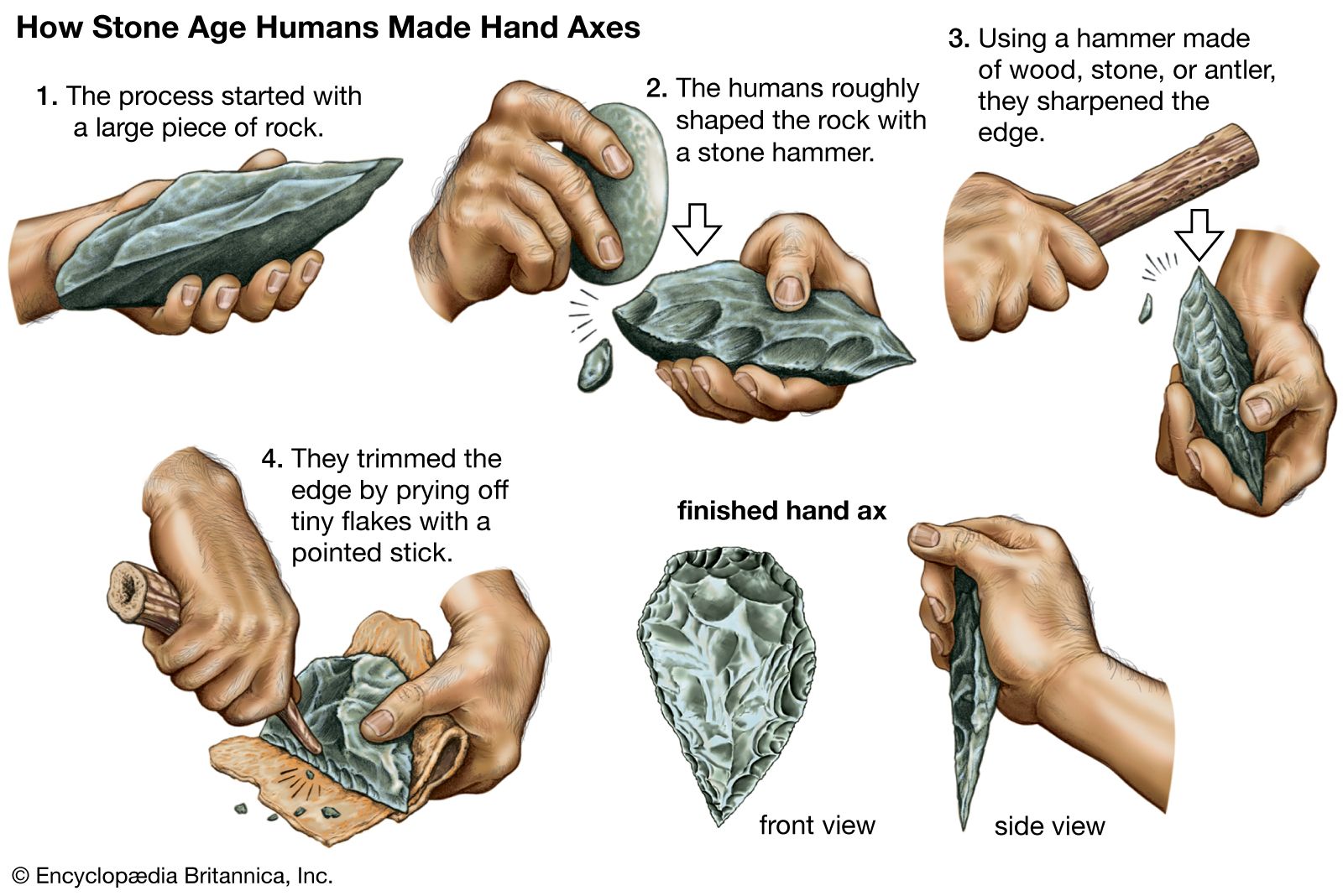
The tapestry of human history is richly woven with the threads of countless inventions that have propelled societies forward. From the dawn of civilization, inventive minds have crafted tools and technologies that not only addressed immediate needs but also laid the groundwork for future advancements. This exploration delves into some of the most remarkable ancient inventions, celebrating the ingenuity and creativity of our ancestors.
Key Takeaways
- Mechanized Precision: Ancient civilizations developed complex mechanisms like the Antikythera Mechanism and water mills, showcasing advanced understanding of mechanical engineering long before modern technology.
- Material Innovation: Innovations such as Roman concrete and Damascus steel highlight the sophisticated knowledge these societies had of materials science, enabling the construction of enduring structures and superior weaponry.
- Communication and Navigation: The invention of paper and the magnetic compass revolutionized communication and navigation, facilitating the spread of knowledge and the expansion of trade and exploration.
1. The Wheel
Revolutionizing Transportation and Machinery
One of humanity's most transformative inventions, the wheel, originated around 3500 BCE in Mesopotamia. Initially used for pottery, its application soon expanded to transportation, enabling the creation of carts and chariots that significantly boosted mobility and trade. The wheel's design also paved the way for advancements in machinery, influencing various sectors from agriculture to industry.
2. The Antikythera Mechanism
The World's First Analog Computer
The Antikythera Mechanism, dating back to circa 100 BCE in ancient Greece, is often hailed as the world's first analog computer. This intricate device was used to predict astronomical positions, eclipses, and even track the cycles of the Olympic Games. Its complex gear system demonstrates a level of mechanical sophistication that wouldn't be matched for over a millennium, highlighting the advanced scientific understanding of the time.
3. Roman Concrete
Durable Construction Material Ahead of Its Time
The Romans developed pozzolana concrete, a groundbreaking construction material made from volcanic ash. This concrete was incredibly durable and resistant to weathering, allowing for the construction of monumental structures like the Pantheon, aqueducts, and the Colosseum. The inclusion of volcanic ash gave the concrete self-healing properties, contributing to the longevity of Roman architecture that still stands today.
4. The Magnetic Compass
Navigational Breakthrough from Ancient China
Invented during China's Han Dynasty (206 BCE–220 CE), the magnetic compass revolutionized navigation. Initially used for divination, it later became an essential tool for sailors, enabling long-distance sea travel and exploration. The compass's ability to indicate direction using lodestone was a pivotal advancement that facilitated trade expansion and cultural exchanges across continents.
5. Papermaking
Transforming Communication and Record-Keeping
Developed by Cai Lun around 105 CE during the Han Dynasty in China, papermaking was a revolutionary advancement. By replacing cumbersome materials like bamboo and silk, paper made writing and record-keeping more accessible and efficient. This innovation laid the foundation for written culture, education, and the dissemination of knowledge, greatly influencing subsequent civilizations.
6. The Seismoscope
Early Earthquake Detection by Zhang Heng
Invented by the Chinese polymath Zhang Heng in 132 CE, the seismoscope was the world's first earthquake detection device. Utilizing a pendulum mechanism, it could indicate the direction of seismic activity from hundreds of miles away. This ingenious device showcased advanced scientific understanding of natural phenomena and was a critical tool in disaster management for ancient civilizations.
7. The Astrolabe
Versatile Instrument for Astronomy and Navigation
The astrolabe, developed by the ancient Greeks and later refined by Islamic scholars, was a multifaceted instrument used for solving problems related to time, astronomy, and navigation. It allowed ancient explorers and astronomers to determine latitude, track stars, and perform complex calculations, playing a crucial role in the Age of Exploration.
8. Aqueducts
Engineering Marvels of Ancient Rome
The Romans built an extensive network of aqueducts around 312 BCE to supply water to cities, revolutionizing urban infrastructure and sanitation. These structures relied on gravity to transport water seamlessly over large distances, enabling the development of public baths, fountains, and efficient irrigation systems that supported large urban populations.
9. Cuneiform Writing
One of the Earliest Writing Systems
Originating around 3100 BCE in Mesopotamia, cuneiform writing was one of the earliest known writing systems. It allowed for the recording of laws, trade transactions, and literary works, revolutionizing communication and preserving knowledge for future generations. This innovation was fundamental in the administration and cultural development of early civilizations.
10. Greek Fire
Advanced Incendiary Weapon of the Byzantine Empire
Greek fire, developed in the 7th century CE by the Byzantine Empire, was a mysterious and potent incendiary weapon used in naval warfare. It could continue burning on water, making it highly effective against enemy ships. The exact formula remains unknown, but its strategic impact was significant in defending the empire against numerous invasions.
11. Hypocaust
Ancient Roman Central Heating System
The hypocaust was an innovative underfloor heating system developed by the Romans. It circulated warm air beneath the floors of homes and public baths, providing efficient and comfortable heating. This system is considered one of the earliest examples of central heating, demonstrating the Romans' advanced engineering capabilities.
12. Water Mill
Harnessing Water Power for Industrial Use
The water mill, developed by the Greeks, utilized flowing water to drive mechanical processes such as grinding grain into flour. This application of water power significantly influenced agricultural industries and marked a crucial step towards industrialization, showcasing an early understanding of renewable energy sources.
13. The Great Pyramids of Giza
Monumental Engineering Feats of Ancient Egypt
Constructed between 2600–2500 BCE, the Great Pyramids of Giza are among the most iconic and enduring structures from ancient Egypt. The precision with which they were aligned with astronomical points and the methods of their construction remain subjects of fascination and study. These pyramids exemplify the remarkable engineering skills and organizational capabilities of ancient Egyptian civilization.
14. Printing and Gunpowder
Catalysts for Cultural and Military Evolution
Part of China's Four Great Inventions, printing and gunpowder had profound impacts on global development. Printing enabled the mass production of texts, facilitating the spread of knowledge and literacy. Gunpowder revolutionized warfare, leading to the development of firearms and altering military strategies worldwide.
15. Locks
Advancements in Security and Mechanism Design
The earliest evidence of locks dates back to around 4000 BCE in the ruins of Nineveh, ancient Assyria. These early locks demonstrated an advanced understanding of mechanical systems and were essential for security in both private residences and public buildings. The evolution of locks continued to influence modern security mechanisms.
16. Chocolate
Ancient Mesoamerican Beverage with Cultural Significance
Developed over 3000 years ago by the Maya, Aztec, and Toltec peoples, chocolate was originally consumed as an energy drink and mood enhancer. Beyond its culinary appeal, chocolate held significant cultural and ceremonial importance, symbolizing wealth and serving as tribute for rulers. Its enduring popularity underscores the lasting legacy of this ancient invention.
17. Metallurgy Innovations
Pioneering Techniques in Metalworking
Ancient civilizations made significant strides in metallurgy, exemplified by the Iron Pillar of Delhi (400 CE) that showcases advanced rust-resistant technology. Additionally, the development of blast furnaces in China during the 3rd-2nd century BCE marked a leap in metal production capabilities. These innovations not only enhanced weapon and tool making but also contributed to architectural advancements.
Comparative Overview of Ancient Inventions
| Invention | Origin | Impact |
|---|---|---|
| The Wheel | Mesopotamia, circa 3500 BCE | Transformed transportation, trade, and machinery development. |
| Antikythera Mechanism | Ancient Greece, circa 100 BCE | Pioneered mechanical engineering and astronomical predictions. |
| Roman Concrete | Ancient Rome, circa 200 BCE | Enabled construction of durable and monumental structures. |
| Magnetic Compass | Han Dynasty, China, 2nd Century BCE | Revolutionized navigation and maritime exploration. |
| Papermaking | Han Dynasty, China, 105 CE | Facilitated communication, education, and cultural dissemination. |
| Seismoscope | Ancient China, 132 CE | Advanced earthquake detection and disaster management. |
| Astrolabe | Ancient Greece, refined by Islamic scholars | Aided in astronomy and navigation, crucial for exploration. |
| Aqueducts | Ancient Rome, 312 BCE | Enhanced urban infrastructure and water supply systems. |
| Cuneiform Writing | Mesopotamia, 3100 BCE | Enabled record-keeping, administration, and cultural preservation. |
| Greek Fire | Byzantine Empire, 7th Century CE | Revolutionized naval warfare with potent incendiary capabilities. |
| Hypocaust | Ancient Rome | Introduced central heating in homes and public baths. |
| Water Mill | Ancient Greece | Harnessed water power for industrial processes like grinding grain. |
| Great Pyramids of Giza | Ancient Egypt, 2600–2500 BCE | Showcased advanced engineering and architectural prowess. |
| Printing and Gunpowder | China | Facilitated knowledge dissemination and transformed military technology. |
| Locks | Ancient Assyria, circa 4000 BCE | Enhanced security and demonstrated mechanical sophistication. |
| Chocolate | Mesoamerica, 3000+ years ago | Held cultural significance and became a global culinary staple. |
| Metallurgy Innovations | Various, including China and India | Advanced metalworking techniques influencing tools, weapons, and construction. |
Conclusion
The annals of history are replete with remarkable inventions that underscore the inventive spirit of ancient civilizations. From the practical utility of the wheel and the revolutionary precision of the Antikythera Mechanism to the enduring legacy of Roman concrete and the navigational prowess enabled by the magnetic compass, these innovations illustrate a profound understanding of science, engineering, and materials. Additionally, advancements in communication through papermaking and writing systems like cuneiform, as well as strategic military technologies like Greek fire, demonstrate the multifaceted nature of ancient ingenuity.
These inventions not only resolved the immediate challenges of their time but also set the stage for subsequent advancements, influencing modern technology, infrastructure, and culture. The enduring structures, tools, and technologies from antiquity continue to inspire and inform contemporary scientific and engineering endeavors, highlighting the timelessness of human creativity and problem-solving.
References
Last updated January 21, 2025