
Unlock the Secrets to Ads That Don't Just Get Seen, But Get Results: Your Ultimate Design Blueprint!
Dive into the art and science of crafting advertising elements that captivate, convert, and conquer in today's dynamic market.
Essential Insights: Key Takeaways
- Audience-First Approach: The most effective ad creatives are born from a deep understanding of your target audience's needs, preferences, and journey stage. Tailoring your message and visuals accordingly is non-negotiable.
- Strategic Design & Clarity: Successful ads balance compelling visuals with clear, concise messaging. Elements like visual hierarchy, typography, color, and a singular focus ensure your ad communicates effectively in seconds.
- Iterate and Innovate: The digital landscape is ever-evolving. Continuous A/B testing, leveraging AI insights, refreshing content regularly, and embracing emerging design trends are crucial for sustained performance and avoiding ad fatigue.
Understanding Your Foundation: Audience and Objectives
Before a single pixel is placed or a word is written, the bedrock of any successful advertising creative lies in a profound understanding of whom you're trying to reach and what you aim to achieve. This foundational knowledge will illuminate every subsequent design decision.
Defining Your Target Audience
Go beyond basic demographics. Delve into the psychographics of your ideal customer: their lifestyle, values, interests, pain points, and motivations. Create detailed personas to embody your target segments. Knowing what truly resonates with them—their aspirations, challenges, and even their online behaviors—will enable you to craft messages and visuals that feel personal and relevant.
Setting Clear Campaign Goals
What do you want your ad to accomplish? Your objectives will significantly shape the creative. Common goals include:
- Awareness: Introducing your brand or product to a new audience.
- Engagement: Encouraging interaction, such as likes, shares, comments, or website visits.
- Lead Generation: Capturing contact information from potential customers.
- Conversion/Sales: Driving direct purchases or sign-ups.
Each goal may necessitate a different creative approach, tone, and call to action.
Mapping the Customer Journey
Recognize that potential customers interact with your brand at various stages: awareness, consideration, and decision. Your ad creatives should be tailored to match their current stage:
- Cold Audiences (Awareness): Focus on grabbing attention, introducing your brand, and highlighting unique value propositions.
- Warm Audiences (Consideration): Provide more detailed information, showcase benefits, build trust with social proof, and differentiate from competitors.
- Hot Audiences (Decision/Conversion): Use strong calls to action, create urgency (e.g., limited-time offers), and make it easy to convert.
The Anatomy of a Compelling Ad Creative
An effective ad creative is a symphony of carefully chosen elements working in harmony. Each component plays a critical role in capturing attention, conveying the message, and prompting action.
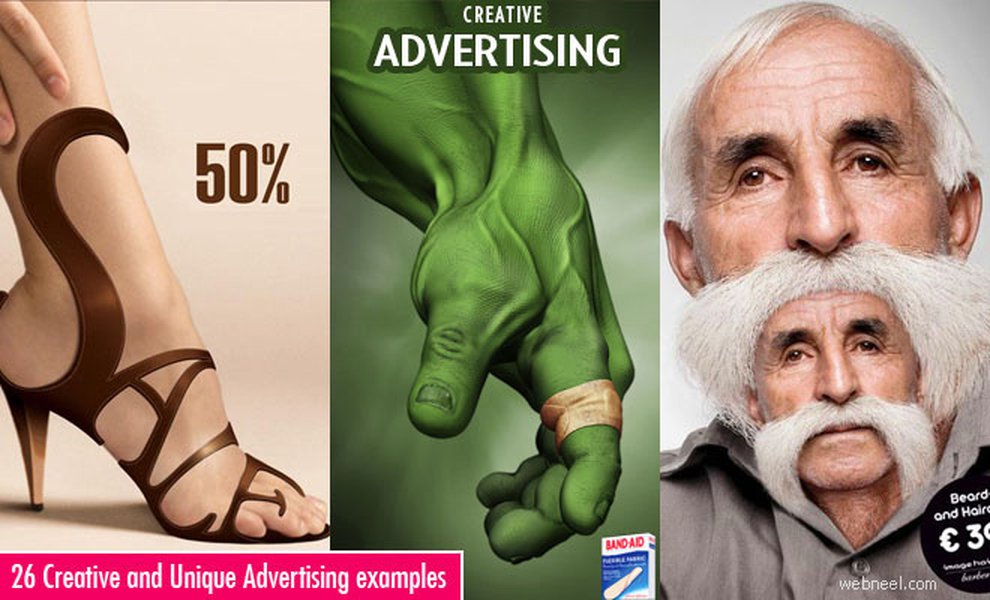
A collection showcasing diverse and imaginative advertising designs.
Core Visual & Design Principles
The visual aspect of your ad is often the first point of contact. It needs to be arresting and aligned with your brand identity.
Visual Hierarchy and Layout
Guide the viewer's eye intentionally. Use contrast, sizing, spacing, and positioning to ensure the most important elements (like the headline, key visual, and call to action) stand out. A well-balanced layout avoids clutter and makes the ad easy to digest quickly.
Impactful Imagery and Graphics
Choose high-resolution images or graphics that are relevant, emotionally resonant, and eye-catching. Faces, product shots in use, or visuals that tell a story tend to perform well. Ensure they align with your brand's aesthetic and message.
Typography that Speaks Volumes
Select fonts that are legible across various devices and sizes. Limit the number of font styles (typically 1-2) to maintain harmony and clarity. Typography should reflect your brand's personality – be it modern, classic, playful, or sophisticated.
Strategic Color Palettes
Colors evoke emotions and can significantly impact perception. Use a color scheme that aligns with your brand identity and the desired mood of the ad. Ensure sufficient contrast between text and background for readability. For example, blue often conveys trust and reliability, while orange can signify energy and enthusiasm.
Space and Value
The use of space (or whitespace) is crucial. Ample space can create a sense of calm, elegance, and focus, while cluttered designs can feel chaotic. Value, referring to the lightness or darkness of a color, helps create contrast, depth, and direct attention.
Crafting Persuasive Messaging
Your ad copy must be concise, compelling, and clear.
Clarity and Conciseness
With limited time to capture attention (often less than a second for digital ads), your message must be instantly understandable. Focus on one primary message per ad to avoid confusing the audience.
Emotional Connection
Effective advertising often taps into emotions. Whether it's humor, aspiration, empathy, or excitement, connecting on an emotional level can make your brand more memorable and persuasive.
The Irresistible Call to Action (CTA)
Tell your audience exactly what you want them to do next. Use clear, action-oriented language (e.g., "Shop Now," "Learn More," "Download Free Guide"). Make the CTA prominent and easy to act upon.
Choosing Your Creative Canvas: Formats and Types
The format of your ad creative plays a significant role in its effectiveness, often dictated by the platform and campaign objectives. Understanding the strengths of different formats allows for more strategic creative development.
Static vs. Dynamic: Making the Right Choice
Static Images
Single, still images are excellent for quick brand recognition and conveying a straightforward message. They emphasize clean design, strong visuals, and critical details. Static ads are versatile and widely supported across platforms.
Video Ads
Video offers a powerful medium for storytelling, product demonstrations, and conveying complex information engagingly. Dynamic content often leads to higher engagement rates and memorability. Short-form videos are particularly popular on social media.
Carousel Ads
These ads allow you to showcase multiple products, features, or tell a sequential story through a series of images or videos that users can swipe through. Carousels are effective for e-commerce or highlighting different aspects of a service.
Leveraging Authenticity and Interaction
User-Generated Content (UGC)
Incorporating content created by your actual customers (with permission) can significantly boost authenticity and trustworthiness. UGC often feels more organic and relatable, leading to higher engagement and conversion rates.
Interactive Formats
Ads that invite active participation, such as polls, quizzes, augmented reality (AR) filters, or shoppable posts, can dramatically increase user engagement and provide a more immersive brand experience.
The following mindmap illustrates how various components interrelate to form an effective advertising creative, centered around audience understanding and strategic execution.
Strategic Application: Tailoring Creatives Across the Funnel
A one-size-fits-all approach to ad creatives is rarely effective. Tailoring your design and message to the specific stage of the customer journey is crucial for maximizing impact and guiding prospects towards conversion.
Top of Funnel (ToFu): Building Awareness
At this stage, your audience may not be familiar with your brand or even aware they have a problem your product solves. Creatives should be:
- Attention-Grabbing: Use striking visuals and intriguing headlines.
- Broadly Appealing: Focus on brand identity, values, and high-level benefits rather than specific product features.
- Educational or Entertaining: Provide value without an immediate hard sell.
Middle of Funnel (MoFu): Fostering Consideration
Audiences here are aware of their problem and are actively researching solutions. Your creatives should:
- Highlight Benefits & Features: Clearly explain how your product or service solves their specific pain points.
- Build Trust: Incorporate testimonials, case studies, expert endorsements, or reviews.
- Differentiate: Showcase what makes your offering unique compared to competitors.
- Offer Value: Lead magnets like webinars, e-books, or guides can be effective.
Bottom of Funnel (BoFu): Driving Conversion
Prospects at this stage are ready to make a purchase decision. Your creatives need to be direct and persuasive:
- Strong, Clear CTAs: Use urgent and compelling language (e.g., "Buy Now, Get 20% Off," "Start Your Free Trial Today").
- Reinforce Value: Remind them of the key benefits and address any final hesitations.
- Create Urgency/Scarcity: Limited-time offers, low stock warnings, or exclusive bonuses can motivate immediate action.
- Simplify Conversion: Ensure a seamless path from the ad to the purchase or sign-up page.
Staying Ahead: 2025 Design Trends & Technological Edge
The world of advertising design is constantly evolving. Staying abreast of current trends and leveraging technological advancements can give your creatives a significant competitive advantage.
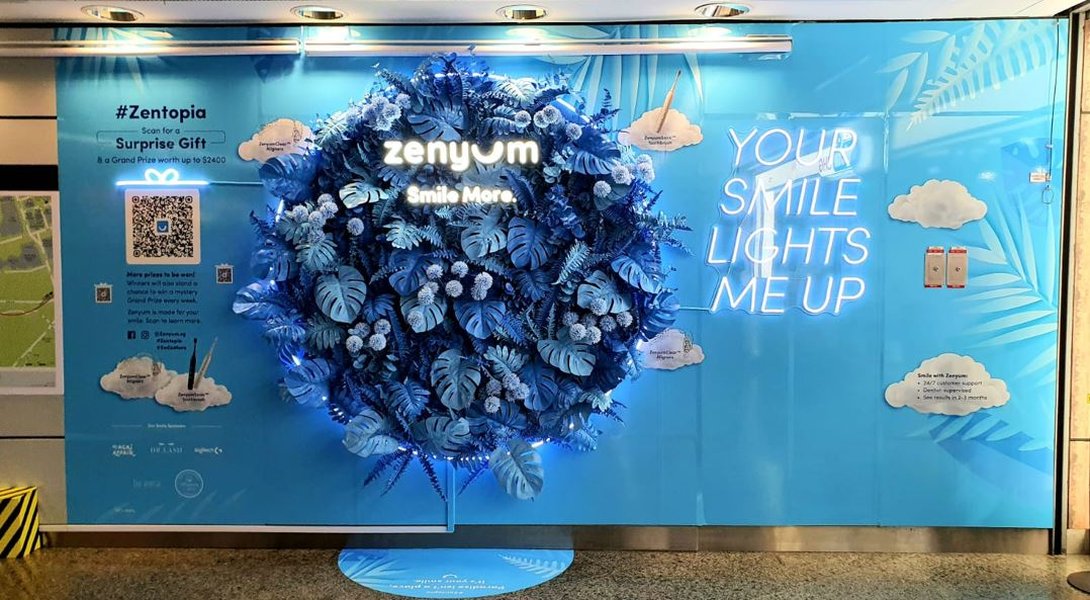
Innovations in display advertising are pushing creative boundaries.
Key Design Trends for 2025
As we look at the design landscape of 2025, several trends are shaping how brands communicate visually:
Minimalism Meets Maximalism
Clean lines, generous white space, and simplicity (minimalism) continue to be popular for clarity and sophistication. However, this is often being punctuated with "maximalist accents"—bold, expressive, and sometimes intricate elements that add a surprising pop of personality and visual interest, creating a dynamic balance.
Typography Takes Center Stage
Bold, expressive typography is no longer just a supporting element; it's often the star. Expect to see more dimensional typography (adding depth, texture, and movement to text) and unique font choices used to make strong statements and emphasize key details.
Immersive 3D and Tactile Experiences
The use of immersive 3D elements is growing, offering depth, realism, and interactivity. This can range from detailed product showcases to interactive virtual environments. Tactile design, which enhances the visual and perceived feel of textures, aims to make digital experiences more tangible.
Retro-Futurism and Nostalgic Appeal
Blending vintage aesthetics (like Art Nouveau or early computer graphics from the 80s and 90s) with contemporary design elements creates a unique appeal. This trend taps into nostalgia for older generations while offering a fresh, intriguing style for younger audiences.
Surprising Colors and Gradients
Brands are using striking, sometimes unconventional color combinations and sophisticated gradients to stand out and enhance user experience. Warm, comforting colors, including honeyed neutrals, earthy reds, and serene blues and greens, are also favored for creating inviting digital spaces.
Eco-Conscious and Sustainable Design
With growing environmental awareness, designs that incorporate eco-friendly themes, natural elements, earthy color palettes, and messaging about sustainability are becoming more prevalent, resonating with ethically-minded consumers.
The radar chart below offers a comparative perspective on the potential strengths of these 2025 design trends across various impact factors. This is an opinionated analysis to illustrate relative perceived strengths, not a definitive data-driven measure.
The Power of AI and Data-Driven Optimization
AI-Powered Creative Insights
Artificial Intelligence is revolutionizing ad creative development. AI tools can analyze vast amounts of data to predict what types of visuals, copy, and formats will resonate best with specific audience segments. AI can also assist in generating design ideas, streamlining repetitive tasks, and even making layout adjustments.
Continuous A/B Testing and Iteration
Never assume you know what works best. Rigorously test different versions of your ad creatives—varying headlines, images, CTAs, colors, and layouts. Analyze the performance data (click-through rates, conversion rates, etc.) to understand audience preferences and iterate based on these insights.
Refreshing Creatives to Combat Fatigue
Audiences can quickly become tired of seeing the same ad repeatedly (ad fatigue), leading to decreased performance. Regularly update your ad creatives with fresh visuals and messaging. For platforms like Meta, a refresh every two weeks is often recommended, though this can vary based on audience size and budget. A/B testing can help determine the optimal refresh cadence for your campaigns.
The following table summarizes these key 2025 design trends, their characteristics, and their potential impact on advertising:
| Trend | Key Characteristics | Potential Impact in Advertising |
|---|---|---|
| Minimalism with Maximalist Accents | Clean layouts, ample white space, punctuated by bold, expressive details. | Enhanced focus, modern appeal, prevents clutter while adding personality. |
| Bold & Dimensional Typography | Large, impactful fonts; text with depth, texture, or movement. | Grabs attention, emphasizes key messages, adds artistic flair. |
| Immersive 3D & Tactile Elements | Realistic 3D visuals, interactive elements, textures that evoke a sense of touch. | Increases engagement, provides richer product experiences, highly memorable. |
| Retro-Futurism & Nostalgia | Blends vintage aesthetics (e.g., 80s/90s graphics, Art Nouveau) with modern design. | Appeals to multiple generations, creates familiarity and excitement. |
| Surprising Color Palettes & Gradients | Unexpected color combinations, dynamic gradients; warm, comforting hues. | Makes brands stand out, enhances visual appeal, influences mood. |
| Sustainable & Eco-Conscious Design | Use of eco-friendly motifs, earthy tones, messaging about environmental responsibility. | Appeals to conscious consumers, builds brand trust and positive image. |
Best Practices for Impactful Ad Creatives
Beyond trends and specific elements, certain overarching best practices are foundational to creating advertising that consistently performs well.
Ensuring Brand Consistency
Your ad creatives should always align with your overall brand identity. Consistent use of logos, color palettes, typography, and brand voice across all marketing materials enhances recognition, builds trust, and reinforces your brand image.
Platform-Specific Customization
Different advertising platforms have unique specifications, audience behaviors, and best-performing formats. Avoid a one-size-fits-all approach. Tailor your creatives to the specific platform where they will appear (e.g., Instagram Stories, Facebook feed, TikTok, Google Display Network) to maximize their effectiveness.
Simplicity and Clarity
In a world saturated with information, simplicity cuts through the noise. Ensure your ad is easy to understand at a glance. Avoid visual clutter and overly complex messages. The core proposition should be immediately apparent.
Focus on a Single Message
Trying to convey too many ideas in one ad can dilute its impact and confuse the audience. Each ad creative should ideally focus on a single, clear message or call to action. This ensures that the most important takeaway is easily absorbed.
For further insights into the ad creation process, the following video offers valuable perspectives on production and examples of effective advertising:
This video delves into the production process and showcases examples of effective ad creation.
Frequently Asked Questions (FAQ)
How often should I refresh my ad creatives?
To combat ad fatigue and maintain relevance, it's generally recommended to refresh your ad creatives regularly. For high-traffic platforms like Meta (Facebook/Instagram), a common guideline is to update content every two to four weeks. However, the optimal frequency can depend on factors such as your audience size, budget, campaign goals, and observed performance. Continuously monitor your ad metrics and A/B test different refresh cadences to find what works best for your specific situation.
What's the single most important element in an ad creative?
While all elements play a role, the most critical aspect is arguably relevance to the target audience. An ad creative, no matter how visually stunning or cleverly written, will fail if it doesn't resonate with the intended viewers and address their needs or interests. This encompasses understanding their pain points, speaking their language, and offering a solution they value. Beyond relevance, a clear message and a compelling Call to Action (CTA) are also vital for effectiveness.
How can AI help in designing ad creatives?
AI offers numerous benefits in ad creative design and optimization:
- Data Analysis & Insights: AI can analyze vast datasets to identify patterns and predict which creative elements (visuals, copy, colors) are likely to perform best with specific audience segments.
- Personalization: AI can help create dynamic ads that tailor elements in real-time based on user behavior and preferences, increasing relevance.
- Content Generation: Some AI tools can assist in generating copy variations, suggesting imagery, or even creating basic design layouts.
- Optimization: AI algorithms can continuously monitor ad performance and make real-time adjustments to bidding, targeting, and even creative components to maximize ROI.
- Streamlining Tasks: AI can automate repetitive tasks in the creative process, freeing up human designers to focus on higher-level strategy and ideation.
Should my ads look different on different platforms?
Yes, absolutely. Each advertising platform has its own unique technical specifications (e.g., image/video dimensions, text limits), user interface, audience demographics, and user behavior patterns. For optimal performance, you should tailor your ad creatives to suit the specific context of each platform. For instance:
- Instagram & TikTok: Often favor visually driven, mobile-first content, short-form videos, and authentic, less polished styles.
- Facebook: Supports a wider range of formats, including carousels, longer videos, and image ads. Text can be more prominent.
- LinkedIn: Typically more professional in tone and visuals, suited for B2B messaging.
- Google Display Network: Requires various ad sizes to fit different website placements, often emphasizing clear branding and CTAs.
Adapting your creatives ensures they look native to the platform, meet technical requirements, and resonate better with the platform's user base.
Recommended
Explore these related queries for deeper insights into enhancing your advertising strategies:
- How can I effectively A/B test my advertising creatives?
- What are the best AI tools for optimizing ad design in 2025?
- Explore examples of successful advertising campaigns that use user-generated content.
- What are the key differences in designing ads for Meta platforms versus TikTok?
References
Last updated May 14, 2025