
Designing the Future: Unveiling an Ultra-Efficient Two-Seater Solar Vehicle
A concept blending peak aerodynamic performance, lightweight construction, and solar power for sustainable mobility.
Highlights of the Design
- Aerodynamic Supremacy: Utilizes a streamlined teardrop shape with integrated features to achieve an exceptionally low drag coefficient (Cd), potentially below 0.15.
- Featherweight Engineering: Employs advanced materials like carbon fiber composites for both the monocoque chassis and body panels, targeting an overall weight under 500 kg.
- Integrated Solar Harvesting: Features extensive coverage of high-efficiency photovoltaic cells seamlessly blended into the vehicle's upper surfaces, enabling significant solar-powered range extension.
Design Philosophy: Merging Efficiency and Practicality
Core Principles
The fundamental goal is to create a solar-powered electric vehicle (SEV) that pushes the boundaries of efficiency without sacrificing essential functionality. This design adheres to three core principles:
- Maximum Efficiency: Every aspect, from the powertrain to the rolling resistance of the tires, is optimized to minimize energy consumption. This includes harnessing solar energy effectively and reducing energy losses through aerodynamics and weight reduction.
- Lightweight Construction: Reducing mass is paramount. Using materials like carbon fiber composites and aluminum for the chassis and body significantly lowers the energy required for acceleration and overcomes rolling resistance.
- Low Aerodynamic Drag: Air resistance is a major consumer of energy, especially at higher speeds. By adopting a highly aerodynamic shape inspired by nature (like a teardrop) and incorporating features like wheel fairings and a smooth underbody, drag is minimized.
Balancing Performance with Two-Seater Functionality
While inspired by single-occupant solar racing cars, this design incorporates practical considerations for everyday use, primarily by accommodating two occupants. The challenge lies in maintaining exceptional efficiency while providing adequate space, safety, and comfort for two people. This requires intelligent packaging of components and a cabin design that integrates smoothly into the overall aerodynamic form.
Overall Vehicle Layout and Architecture
Exterior Geometry: The Aerodynamic Shell
The vehicle's exterior is its defining feature, sculpted primarily by aerodynamic requirements. It features a low-slung, elongated teardrop or airfoil shape when viewed from the side, tapering towards the rear to minimize wake turbulence. The frontal area is minimized to reduce drag, and the overall profile is smooth with minimal protrusions.
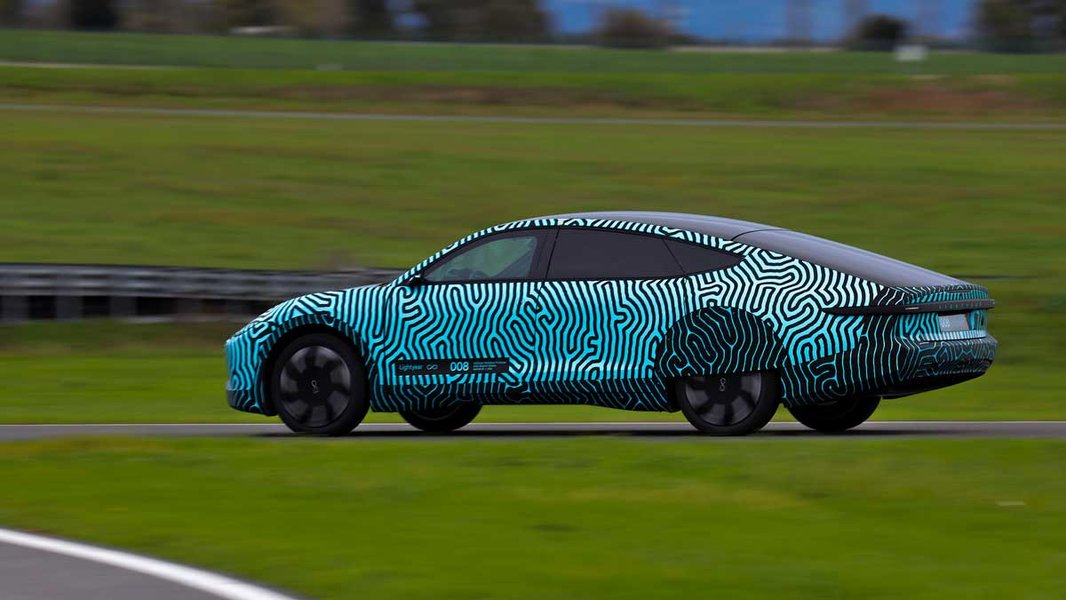
Conceptual aerodynamic design similar to the proposed vehicle, emphasizing smooth lines and integrated solar panels.
The top surface provides the largest area for solar panel integration, curving gently to blend into the overall shape. Wheels are enclosed within aerodynamic fairings or integrated into the bodywork to manage airflow around them. A four-wheel configuration is chosen for stability and practicality, although a three-wheel layout could offer further drag reduction for pure efficiency focus. A low-profile canopy covers the cockpit, designed to blend seamlessly with the body contours.
Interior Configuration: Space for Two
Inside, the cabin is minimalist yet functional. Two lightweight seats are arranged side-by-side or slightly staggered to optimize space within the narrow, aerodynamic body. A reclined seating position helps maintain the low roofline. Controls are essential and driver-focused, utilizing digital displays to save space and weight. Visibility is provided through the wrap-around canopy.
Component Placement Strategy
Strategic placement of components is crucial for weight distribution, center of gravity, and overall efficiency. The following mindmap illustrates the conceptual arrangement of the vehicle's major systems and components:
This layout prioritizes placing the heavy battery pack low and centrally within the chassis to ensure a low center of gravity, enhancing stability. The motor(s) are typically placed near the driven wheels (often rear) for efficiency. Solar panels cover the maximum available upper surface area.
Key Components Deep Dive
The selection and integration of each component are critical to meeting the design goals. The following table summarizes the key components:
| Component | Description & Material | Placement | Rationale & Contribution |
|---|---|---|---|
| Solar Panel Array | High-efficiency (20-40%) flexible/rigid monocrystalline cells. | Integrated into roof, hood, potentially upper side surfaces (~5-7 sq meters). | Maximizes energy harvesting directly from sunlight, reducing reliance on grid charging. Seamless integration maintains aerodynamics. (Efficiency) |
| Chassis & Body | Carbon fiber composite monocoque chassis and body panels. Aluminum subframes where appropriate. | Forms the main structure and aerodynamic shell. | Provides high strength-to-weight ratio, enabling significant weight reduction. Forms the low-drag shape. (Lightweight, Low Drag) |
| Battery Pack | High energy density Lithium-ion battery pack (e.g., 40-60 kWh). | Under the floor, between the axles. | Stores solar and grid energy, provides driving power. Low placement ensures stability and optimal weight distribution. (Efficiency, Lightweight) |
| Electric Motor(s) | High-efficiency, lightweight permanent magnet synchronous motor(s) (e.g., rear hub motors or single rear axle motor, 20-50 kW total). | Near driven wheels (typically rear). | Provides efficient propulsion with minimal energy loss. Hub motors can reduce drivetrain complexity and weight. (Efficiency, Lightweight) |
| Power Electronics | MPPT controller, Battery Management System (BMS), Inverter, DC/DC Converter. | Compactly housed near battery/motor. | Optimizes energy flow from solar panels to battery and motor, manages battery health, enables regenerative braking. (Efficiency) |
| Wheels & Tires | Lightweight alloy or composite wheels. Specially designed low rolling resistance tires. | At corners, enclosed by fairings. | Minimizes rotational inertia and energy lost to tire friction. Fairings reduce aerodynamic drag. (Lightweight, Low Drag, Efficiency) |
| Suspension & Steering | Lightweight independent suspension system. Efficient steering mechanism. | Integrated into chassis design. | Provides ride comfort and control while minimizing weight and energy loss. (Lightweight) |
| Safety Systems | Integrated roll cage (carbon fiber or chromoly steel), crumple zones, seat belts. | Integrated within the chassis/body structure. | Ensures occupant safety despite the lightweight construction. (Practicality) |
Solar Array: Harvesting Sunlight
The solar array is not merely an add-on but an integral part of the vehicle's skin. Using cutting-edge photovoltaic cells with efficiencies potentially exceeding 25-30%, embedded within the curved surfaces of the roof and hood, allows the vehicle to generate a meaningful amount of energy while parked or driving – potentially adding 40-70 km (25-43 miles) of range per day from sunlight alone in optimal conditions, similar to concepts like the Aptera.
Chassis and Body: Lightweight Structure
A carbon fiber monocoque structure, where the body and chassis are a single unit, offers exceptional rigidity and minimal weight (potentially under 100 kg for the structure). This directly translates to lower energy consumption for acceleration and cruising.
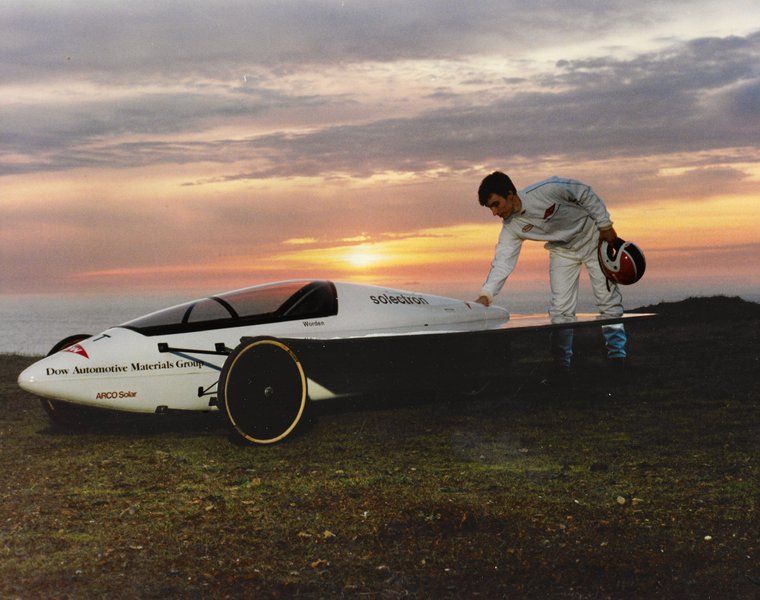
Lightweight chassis construction is fundamental to solar vehicle efficiency.
Battery System: Energy Storage
The battery balances range requirements with weight constraints. A modern lithium-ion pack offers the best compromise in energy density. Its placement under the floor contributes significantly to vehicle stability by lowering the center of gravity.
Powertrain: Efficient Propulsion
Efficiency is key. Using direct-drive hub motors can eliminate transmission losses. Combined with regenerative braking, which recovers energy during deceleration, the powertrain ensures minimal energy wastage.
Wheels and Suspension: Minimizing Resistance
Low rolling resistance tires are crucial, as tire friction is a constant energy drain. Lightweight wheels reduce unsprung mass, improving handling and efficiency. Enclosing the wheels smoothly within the bodywork drastically cuts aerodynamic drag.
Safety Systems
While prioritizing lightness, safety cannot be compromised. An integrated roll cage structure within the monocoque provides occupant protection, adhering to safety standards even with exotic materials.
Aerodynamic Prowess: Taming the Wind
Sculpting for Low Drag: The Teardrop Advantage
Aerodynamic drag increases exponentially with speed, making it a primary focus for efficiency. The vehicle's teardrop shape is inherently low-drag, encouraging smooth, attached airflow (laminar flow) over its surfaces and minimizing the turbulent wake behind it. Features like a smooth underbody, flush canopy, and faired wheels further reduce resistance. The goal is to achieve a drag coefficient (Cd) significantly lower than conventional cars (which are typically 0.25-0.35), aiming for values potentially below 0.15, approaching the levels seen in optimized solar racers and prototypes like the Lightyear 0 or Aptera (which claims a Cd of 0.13).
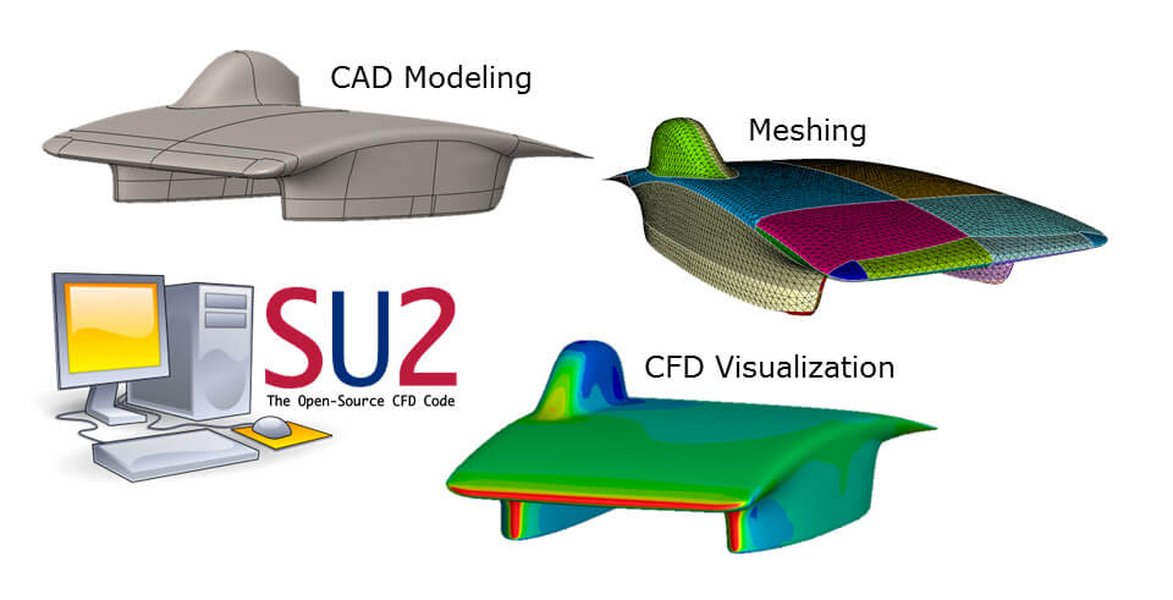
Conceptual visualization of CFD analysis used to refine aerodynamic shapes.
Computational Fluid Dynamics (CFD) Insights (Conceptual)
Computational Fluid Dynamics (CFD) simulations are indispensable tools in designing such a vehicle. A conceptual CFD simulation of this design would visualize airflow patterns around the body:
- Streamlines: Smooth lines following the body contours from front to rear, indicating attached flow with minimal separation, especially over the canopy and down the tapered tail.
- Pressure Contours: High pressure at the very front stagnation point, rapidly decreasing over the curved nose and upper surfaces, with pressure recovery towards the rear. A minimal low-pressure wake area behind the vehicle signifies low pressure drag.
- Velocity Contours: Air accelerating smoothly over the curved surfaces and decelerating gently behind the vehicle. Areas of slow-moving or recirculating air (turbulence) would be minimal.
- Drag Coefficient (Cd): The simulation would aim to confirm a Cd value in the target range of 0.12 - 0.15, validating the aerodynamic efficiency of the shape.
- Lift/Downforce: The simulation would also analyze lift forces, aiming for neutral lift or slight downforce at operational speeds for stability, potentially achieved through the underbody shape and subtle integrated spoiler/diffuser elements at the rear.
These simulations allow designers to iteratively refine the shape, optimizing curves, fairings, and transitions to achieve the lowest possible drag before physical prototyping.
Stability Features
While minimizing drag is primary, stability at speed is also crucial. The low center of gravity, long wheelbase, and aerodynamic shape contribute inherently to stability. Subtle features like a carefully shaped underbody or a small, integrated Kamm tail or rear spoiler/diffuser can be incorporated to manage airflow at the rear, reducing lift and enhancing stability without significantly increasing drag.
Performance Characteristics Radar Chart
This conceptual radar chart visualizes the design's strengths relative to a typical conventional electric vehicle (EV). The scores are qualitative, representing the design priorities and expected outcomes. Higher values indicate better performance in that aspect.
The chart highlights the solar vehicle's projected advantages in aerodynamics, weight, solar integration, and energy consumption. However, it also reflects the trade-offs, particularly in manufacturing cost (due to advanced materials and technology) and potentially passenger/cargo practicality compared to larger conventional EVs.
Real-World Inspirations and Potential
This design draws inspiration from pioneering efforts in solar electric vehicles, such as the Aptera and the Lightyear 0. These vehicles demonstrate the viability of combining extreme aerodynamic efficiency, lightweight construction, and integrated solar panels to create practical vehicles that significantly reduce or even eliminate the need for frequent grid charging for daily commutes.
The embedded video showcases the Aptera, a real-world example embodying many of the principles discussed in this design: extreme efficiency, lightweight three-wheeled design (though our concept uses four), and significant solar charging capability. It highlights the potential for such vehicles to reshape personal transportation by drastically reducing energy consumption and reliance on charging infrastructure.
With its focus on efficiency, this conceptual two-seater solar vehicle could achieve exceptionally low energy consumption figures, potentially well below 100 Wh/km (equivalent to over 160 MPGe). Combined with the daily solar gain, the effective range and sustainability metrics could surpass most EVs currently on the market, making it an attractive proposition for eco-conscious consumers and urban environments.
Frequently Asked Questions (FAQ)
How practical is a solar car for daily use?
The practicality depends heavily on climate, driving habits, and the vehicle's specific design. In sunny regions, the integrated solar panels can significantly offset daily energy consumption, potentially covering average commute distances (e.g., up to 40-70 km/day). However, they still rely on battery storage for night driving, cloudy days, or longer trips, requiring occasional grid charging. The lightweight, aerodynamic design makes them extremely energy-efficient overall. The two-seat configuration limits passenger capacity compared to conventional cars.
Why is aerodynamic design so critical for solar vehicles?
Aerodynamic drag is a primary force opposing motion, especially at speeds above ~40-50 km/h. Since solar vehicles aim for maximum efficiency to make the most of limited solar power and battery energy, minimizing drag is crucial. A low drag coefficient (Cd) means less energy is needed to push the car through the air, directly translating to longer range and better performance from the available solar energy.
What are the main challenges in building such a vehicle?
Key challenges include:
- Cost: Lightweight materials like carbon fiber and high-efficiency solar cells are expensive.
- Manufacturing Complexity: Integrating solar panels seamlessly and manufacturing complex aerodynamic shapes can be challenging.
- Safety Certification: Meeting stringent automotive safety standards with unconventional lightweight structures requires significant engineering and testing.
- Practicality Trade-offs: Achieving extreme efficiency often involves compromises in interior space, comfort features, and cargo capacity compared to conventional vehicles.
- Durability: Ensuring the longevity of integrated solar panels and lightweight structures under real-world conditions.
Can this vehicle operate entirely without grid charging?
For users with short daily commutes (e.g., less than the daily solar range gain) in consistently sunny climates, it might be possible to operate largely without grid charging for extended periods. However, for most users, factors like weather variability, longer trips, night driving, and energy use for heating/cooling will necessitate periodic grid charging to supplement the solar energy harvested.
Recommended
- Explore the latest advancements in flexible solar panel technology for automotive applications.
- Compare the aerodynamic efficiency of different vehicle shapes like teardrop vs Kammback.
- Investigate the cost-benefit analysis of using carbon fiber versus aluminum in lightweight vehicle construction.
- How does battery energy density impact the range and design of solar electric vehicles?
References
 scientificgems.wordpress.com
 cleanenergyfrontier.wordpress.com
Last updated May 1, 2025