
Mastering the Art of Efficient Suitcase Packing
Unlock More Space and Less Stress for Your Travels
Efficiently packing a suitcase is a skill that transforms travel from a logistical headache into a smooth, enjoyable experience. It's not just about fitting everything in; it's about optimizing space, minimizing wrinkles, and ensuring easy access to your essentials. This guide will walk you through proven methods and expert tips to become a packing pro, whether you're embarking on a short weekend getaway or an extended international adventure.
Key Packing Highlights for Your Next Trip
- Strategic Clothing Organization: Employing methods like rolling or bundling, combined with the use of packing cubes, dramatically increases space efficiency and keeps your items wrinkle-free and organized.
- Smart Item Placement: Place heavier items like shoes at the bottom of your suitcase and utilize all available nooks and crannies for smaller items, ensuring a balanced and stable load.
- Curated Wardrobe Selection: Adhere to principles like the 5-4-3-2-1 rule or a travel capsule wardrobe to select versatile, mix-and-match pieces that reduce overall bulk without sacrificing style.
The Foundation of Efficient Packing: Planning and Preparation
Before you even open your suitcase, effective planning is paramount. Understanding your trip's duration, destination climate, and planned activities will dictate what you truly need. Overpacking is a common pitfall, often leading to unnecessary weight, extra fees, and a chaotic travel experience.
Choosing the Right Luggage
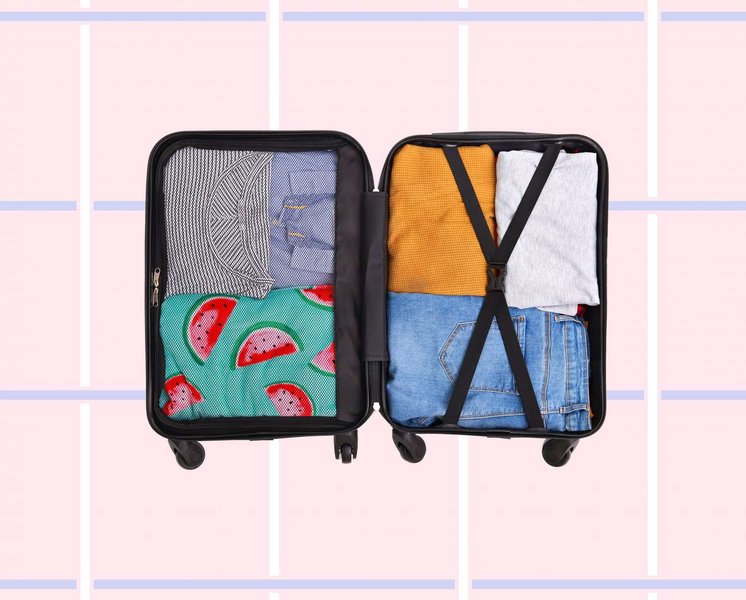
The type of suitcase you choose significantly impacts your packing efficiency. For carry-on travelers, a hard-sided suitcase no more than 22 inches tall is often recommended, as its structured shell prevents overstuffing and helps adhere to airline size limits. For checked luggage, prioritize sturdiness, lockability, and maneuverability.
Curating Your Travel Wardrobe
One of the most impactful strategies for efficient packing is to be selective about your clothing. Many experts suggest a "think big, then edit" approach. Gather all items you *think* you'll need, then aim to put half of them back. Consider versatile pieces that can be mixed and matched to create multiple outfits. The "5-4-3-2-1 rule" is a popular guideline for a weeklong trip:
- 5 sets of socks and underwear
- 4 tops
- 3 bottoms
- 2 pairs of shoes
- 1 outer layer (like a coat or hat)
This rule can be adjusted based on your specific trip, but the principle of versatility remains key. For cooler climates, wearing your bulkiest outerwear on the plane can save significant space in your suitcase.
Maximizing Space with Intelligent Packing Techniques
Once you've decided what to bring, the next step is how to pack it. Various methods exist, each with its own advantages for space-saving and wrinkle prevention.
The Art of Rolling vs. Folding
The debate between rolling and folding clothes is ongoing, but many agree that rolling often provides a significant space advantage. Rolling compresses the fabric, minimizing air traps and allowing for tighter packing. It's particularly effective for softer garments like T-shirts, jeans, cotton pants, and knitwear, and can also help reduce wrinkles if done tightly. For more formal items like suits or gowns, folding flat or using a garment bag and placing them on top might be preferable.

Leveraging Packing Cubes and Compression Bags
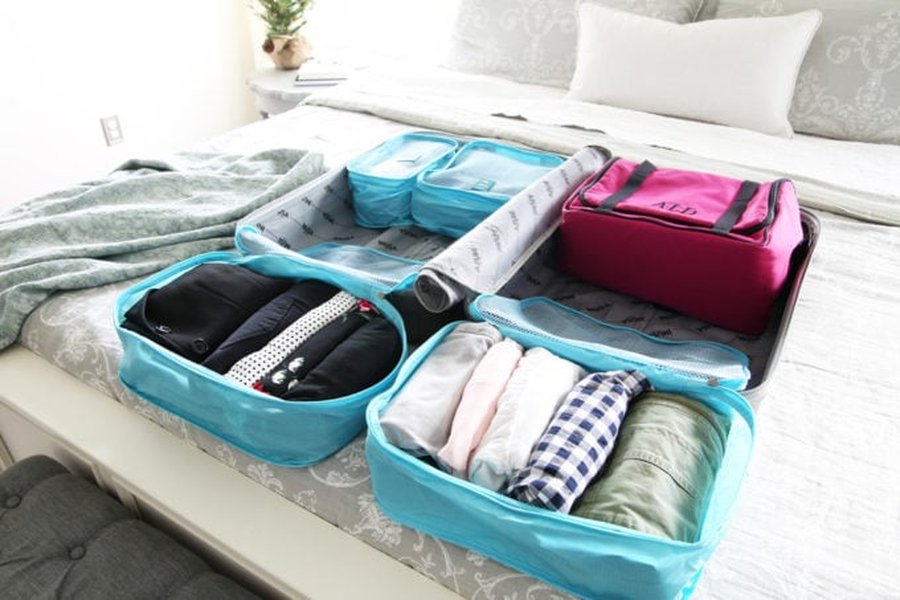
Packing cubes are a game-changer for organization and space efficiency. These smaller bags allow you to compartmentalize your belongings, keeping like items together and making it easier to find things without unpacking your entire suitcase. Compression packing cubes go a step further by allowing you to compress the air out of your clothes, saving even more space. They are particularly useful for separating clean clothes from dirty laundry throughout your trip.
The Bundling Method
An alternative to rolling is the bundling technique, where you neatly wrap smaller clothing items inside larger ones to create a single bundle. This method is effective for maintaining wrinkle-free clothes and can also serve as an excellent way to pre-organize outfits. It works particularly well for flat-laying bags or suitcases.
Filling Every Nook and Cranny
No space should be wasted. Utilize the interior of shoes by stuffing them with socks, underwear, or small accessories. Place shoes, ideally in separate plastic bags to keep clothes clean, along the bottom or sides of the suitcase. Tuck smaller items like chargers, scarves, or swimwear into the corners and gaps between larger items. For bras, place one cup into the other or stuff underwear inside to prevent them from getting crushed.
Strategic Placement and Layering
The order in which you pack items also plays a crucial role in efficiency and accessibility.
Bottom to Top Strategy
A widely recommended approach is to pack heavier items first, typically at the bottom of the suitcase (the end with the wheels if it's a roller). This helps distribute weight evenly and prevents lighter items from being crushed. Shoes, toiletry bags (preferably in a separate, leak-proof bag), and other bulky items go first. Then, layer rolled or folded clothes on top. Items you'll need first upon arrival or that might be subject to TSA checks (like electronics) should be placed closer to the top for easy access.
Handling Toiletries and Valuables
Always pack toiletries in a separate, sealed bag to prevent leaks. Many travelers opt to keep essential toiletries, medications, and valuables like jewelry in their carry-on bag in case checked luggage is delayed or lost. Consider solid toiletries or travel-sized containers to save space and avoid liquid restrictions for carry-ons.
Optimizing Packing Efficiency: A Comparative Analysis
To better understand the strengths of different packing strategies, let's visualize their effectiveness across several key metrics. This radar chart illustrates the perceived benefits of various packing methods, offering a comparative overview to help you choose the best approach for your travel style.
As the radar chart illustrates, each packing method offers a distinct set of advantages. Rolling excels in space maximization and is relatively time-efficient, while bundling is a strong contender for wrinkle prevention. Packing cubes, when combined with rolling or folding, provide an excellent balance across all factors, particularly for organization and ease of access. Vacuum compression bags offer unparalleled space saving, but might compromise on wrinkle prevention and quick access due to the intense compression. The optimal strategy often involves a combination of these methods, tailored to the specific items you are packing and your travel needs.
Beyond the Basics: Advanced Packing Tips
To truly elevate your packing game, consider these additional insights that seasoned travelers often employ.
The Power of a Packing List
Creating a detailed packing list is an essential preliminary step. This not only ensures you don't forget essentials but also helps prevent overpacking. Customize your list based on weather, activities, and trip duration. It's advisable to start building your list and even placing items a week in advance, allowing you to check weather conditions closer to your departure date for more accurate planning.
Digitalizing Documents and Essentials
Reduce paper clutter by digitizing copies of your ID, travel documents, and important reservations. Store them on cloud-based drives, USBs, or your smartphone. This serves as a backup and reduces the need to carry physical copies, streamlining airport security and check-ins.
Consider Travel-Sized and Multi-Use Items
Whenever possible, opt for travel-sized toiletries or decant your favorite products into smaller containers. Look for clothing items that serve multiple purposes, like a scarf that can act as a blanket or a versatile jacket. Minimizing bulk is key, especially for carry-on luggage.
Packing for the Return Journey
Anticipate the return journey. If you plan on doing laundry during your trip, great! If not, consider bringing a cloth laundry bag to keep dirty clothes separate. Remember to leave a little room for souvenirs and unexpected purchases. If you arrive with a full, efficiently packed suitcase, finding space for new items can be a challenge.
Visual Guide: Mastering Your Packing with Expert Techniques
Sometimes, seeing a technique in action can clarify the process better than a description. The video below provides a practical demonstration of how to effectively pack your suitcase, highlighting key strategies for maximizing space and maintaining organization.
This video offers visual insights into various packing methods, from the strategic placement of items to the effective use of packing accessories like cubes and toiletry cases. It reinforces the concepts discussed, providing a dynamic complement to written instructions, helping you implement these tips with greater confidence.
Comparative Overview of Packing Essentials and Strategies
This table summarizes key items and strategies that contribute to efficient packing, along with their primary benefits. It provides a quick reference for integrating these elements into your packing routine.
| Category | Item/Strategy | Primary Benefit | Best Application |
|---|---|---|---|
| Organization Tools | Packing Cubes (Compression) | Space maximization, organization, dirty/clean separation | All clothing types, group items by outfit or category |
| Clothing Methods | Rolling Clothes | Space saving, minimizes wrinkles for casual wear | T-shirts, jeans, knitwear, underwear |
| Clothing Methods | Bundling Clothes | Wrinkle prevention for structured garments | Dress shirts, slacks, dresses |
| Item Placement | Shoes in Bags | Keeps clothes clean, utilizes bottom space | Heavier items, use interior for small items |
| Essentials | Travel-sized Toiletries | Saves space, avoids liquid restrictions | All personal care items |
| Pre-Trip Planning | Detailed Packing List | Prevents overpacking, ensures essentials are included | Pre-trip preparation for any journey length |
Frequently Asked Questions About Efficient Packing
How does rolling clothes compare to folding for space?
Are packing cubes truly worth it?
What should I pack in my carry-on versus my checked luggage?
How many shoes should I pack for a trip?
How can I prevent wrinkles when packing?
Conclusion
Efficient suitcase packing is a strategic endeavor that combines thoughtful planning, clever techniques, and the right tools. By embracing methods like rolling, bundling, and utilizing packing cubes, you can significantly optimize space, keep your belongings organized, and minimize wrinkles. Remember to pack versatile clothing, utilize every available space, and layer items strategically for easy access. Mastering these skills will not only make your travel preparations smoother but also enhance your overall journey, allowing you to focus on the experience rather than the baggage.
Recommended Further Reading
- How to choose the best luggage for international travel?
- What are the best tips for creating a minimalist travel wardrobe?
- Can I pack a carry-on only for long trips, and what are the best strategies?
- What are the best travel accessories for efficient packing?
References
Last updated May 21, 2025