
Mastering the Art of Efficient Suitcase Packing
Optimize your travel experience with expert packing strategies
Key Takeaways
- Create a Comprehensive Packing Plan: Develop a detailed packing list tailored to your trip's duration, weather, and activities to avoid overpacking and ensure you have all essentials.
- Utilize Strategic Packing Techniques: Employ methods like rolling, folding, and bundling to maximize space, minimize wrinkles, and keep your belongings organized.
- Leverage Packing Tools and Accessories: Incorporate packing cubes, compression bags, and other organizational aids to enhance efficiency and maintain order within your suitcase.
1. Pre-Pack Organization
Developing a Packing List
Begin your packing journey by creating a meticulous packing list. This ensures that you bring all necessary items while preventing the temptation to overpack. Categorize your list based on the trip's duration, expected weather conditions, and planned activities to tailor your choices effectively.
Selecting Versatile Clothing
Opt for clothing items that can be easily mixed and matched to create multiple outfits from fewer pieces. This approach not only saves space but also provides flexibility in your wardrobe choices. Consider the color palette carefully to ensure that all pieces complement each other.
Considering Weather and Activities
Research the climate of your destination and plan accordingly. Pack layers for varying temperatures and include attire suitable for the activities you intend to engage in, whether it's formal events, outdoor adventures, or casual sightseeing.
2. Choosing the Right Luggage
Suitcase Size and Type
Select a suitcase that aligns with the length and nature of your trip. For shorter trips, a carry-on may suffice, while longer journeys might require larger checked luggage. Ensure the suitcase is lightweight yet durable to maximize the weight allowance for your belongings.
Features and Compartments
Opt for luggage with multiple compartments and pockets. This facilitates better organization, allowing you to separate different categories of items such as clothing, toiletries, and electronics. Additionally, consider suitcases with built-in compression straps to further optimize space.
Quality and Durability
Invest in high-quality luggage made from durable materials. Features like sturdy zippers, reinforced corners, and quality wheels enhance the longevity of your suitcase and protect your belongings during transit.
3. Packing Techniques
Rolling Clothes
Rolling is an effective method for packing soft garments such as t-shirts, pajamas, and workout clothes. This technique not only saves space but also reduces wrinkles by minimizing folds. Rolled clothes can be neatly stacked or arranged in packing cubes for additional efficiency.
Folding Clothes
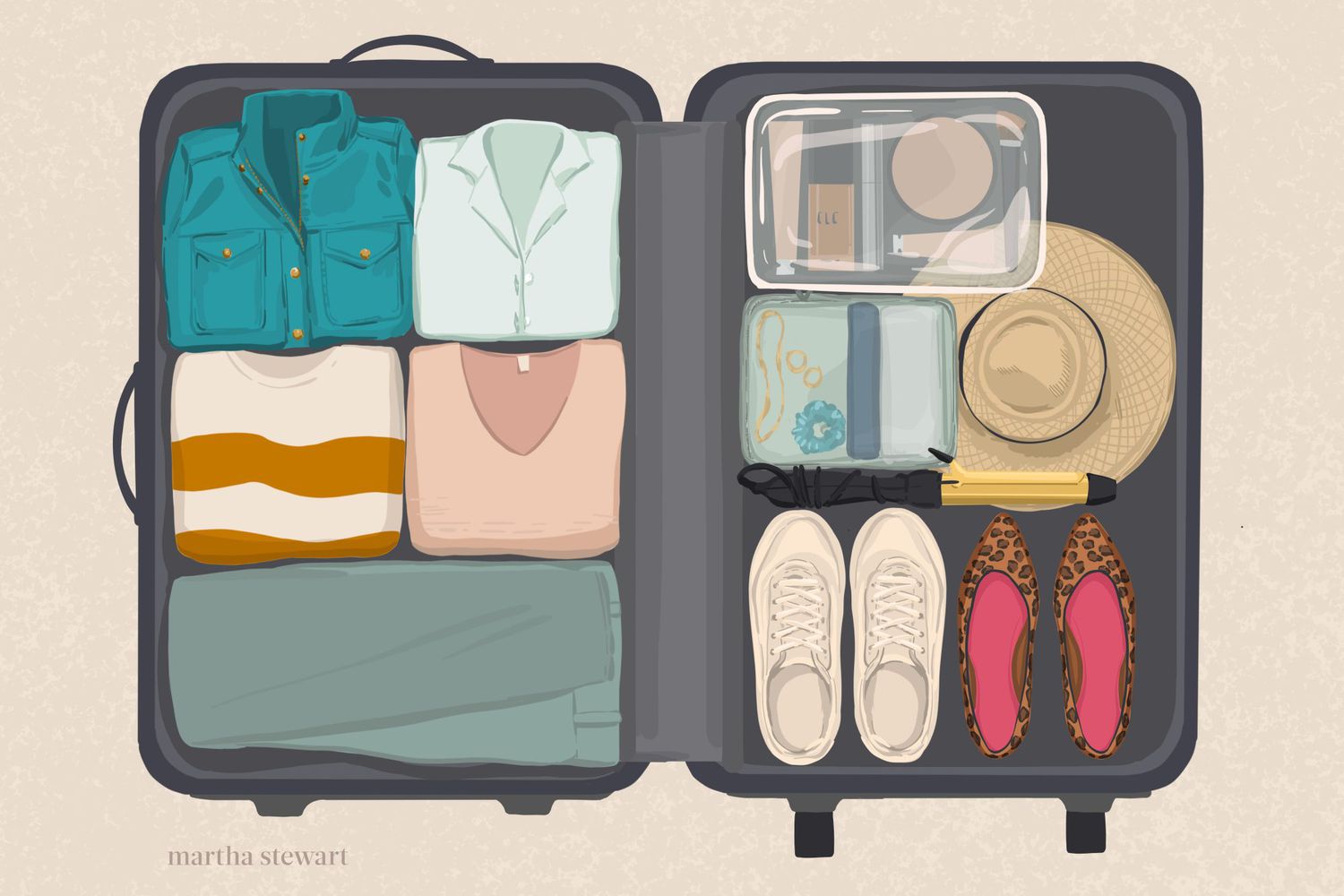
Folding is ideal for bulkier or structured items like jeans, sweaters, and jackets. This method maintains the shape of these garments and prevents creasing. Place folded items strategically at the bottom or sides of the suitcase to streamline the packing process.
Bundling
Bundling involves wrapping clothing items around a central core, such as socks or underwear. This method helps in minimizing creases and keeping outfits together, making it easier to locate specific combinations without unpacking the entire suitcase.
4. Utilizing Packing Tools
Packing Cubes
Packing cubes are indispensable for maintaining organization within your suitcase. They allow you to categorize items, such as separating work attire from casual wear or grouping accessories together. This not only streamlines the unpacking process but also makes it easier to locate items without disturbing others.
Compression Bags
Compression bags are perfect for reducing the volume of bulkier items like coats, sweaters, and jeans. By removing excess air, these bags free up additional space, allowing you to pack more efficiently. They also help in protecting clothes from moisture and dust during travel.
Garment Folders
Garment folders are specifically designed to keep delicate items such as suits, dresses, and blazers wrinkle-free. These tools ensure that your formal wear remains pristine, eliminating the need for ironing upon arrival.
5. Organizing by Weight and Frequency of Use
Distributing Weight Evenly
Place heavier items like shoes, toiletries, and electronics near the suitcase's wheelbase. This not only balances the weight for easier handling but also prevents lighter items from being crushed. An even distribution of weight contributes to the overall stability and manageability of your luggage.
Prioritizing Accessibility
Pack frequently used items, such as travel documents, a light jacket, or a toothbrush, near the top or in external compartments of your suitcase. This ensures quick access without the need to rummage through the entire bag, saving time and reducing congestion.
Strategic Placement of Valuables
Keep valuable items and essential documents in your carry-on or personal bag. This adds an extra layer of security, ensuring that important possessions remain within your immediate reach and are protected from potential mishaps with checked luggage.
6. Maximizing Space
Filling Gaps and Utilizing Nooks
Make use of every available space within your suitcase. Small items like socks, chargers, and accessories can be stuffed inside shoes or placed in gaps between larger items. This not only optimizes space but also prevents items from shifting during transit.
Using Shoes for Storage
Shoes can be a smart storage solution. Insert smaller items such as socks, belts, or toiletries into the inside of shoes. This approach keeps these items organized and saves valuable space within your suitcase.
Layering Strategically
Arrange items in layers, starting with larger and bulkier pieces at the bottom, followed by rolled or folded clothes, and ending with delicate or frequently used items on top. This hierarchical arrangement facilitates easy access and maintains the integrity of your clothing.
7. Minimizing Toiletries
Travel-Sized Containers
Transfer your favorite toiletries into travel-sized containers to save space and comply with airline regulations. This not only reduces the weight of your luggage but also minimizes potential leakage or spills.
Relying on Hotel Amenities
Whenever possible, take advantage of toiletries provided by your accommodation. This practice decreases the number of items you need to pack, allowing for a lighter and more streamlined suitcase.
Organizing Toiletries
Store toiletries in a separate, sealed plastic bag to contain any leaks and maintain cleanliness within your suitcase. This precaution prevents liquids from spilling onto your clothing and other belongings.
8. Preventing Wrinkles and Damage
Rolling Wrinkle-Prone Clothing
To minimize wrinkles in delicate or easily creased garments, roll them tightly and place them strategically within your suitcase. Alternatively, using dry-cleaning bags can create a protective layer around these items, reducing friction and wear.
Layering with Protective Materials
Wrap fragile items in soft clothing or use protective materials like dry-cleaning bags to cushion them from impact and movement. This technique ensures that delicate belongings remain intact and wrinkle-free during your journey.
Dedicated Laundry Bags
Include a separate laundry bag within your suitcase for dirty clothes. This not only keeps your clean items pristine but also organizes used garments, making the unpacking process more efficient.
9. Limiting Footwear
Choosing Versatile Shoes
Pack no more than two to three pairs of versatile shoes that can complement multiple outfits and suit different occasions. This approach reduces bulk and weight while ensuring that you're prepared for various scenarios.
Protective Storage for Footwear
Store shoes in protective covers or disposable bags to prevent them from soiling your clothes. This practice maintains the cleanliness of your garments and optimizes space by containing the shoes neatly.
10. Carrying Essentials in Your Personal Bag
Securing Valuables and Important Documents
Keep fragile items, electronics, travel documents, and medications in your carry-on or personal bag. This ensures that these crucial items are always within your reach and safeguarded against potential losses or delays with checked luggage.
Organizing Personal Items for Accessibility
Arrange personal essentials in easily accessible pockets or compartments of your carry-on. This facilitates swift retrieval during security checks or when you need them during your journey.
11. Practical Tips for Efficient Packing
Choosing Wrinkle-Resistant Fabrics
Select clothing made from fabrics that resist wrinkling and require minimal maintenance. Materials like polyester, merino wool, and nylon are excellent choices for travelers seeking hassle-free attire.
Checking Airline Restrictions
Always verify your airline’s weight and size restrictions for both checked and carry-on luggage. Adhering to these guidelines prevents unexpected fees and ensures a smooth boarding process.
Avoiding Overpacking
Be intentional with your packing choices. Leave room for souvenirs or additional items you might acquire during your trip by not packing your suitcase to its absolute limit. This flexibility enhances your travel experience and reduces stress.
Wearing Bulky Items During Travel
To save space, wear bulky clothing items such as jackets, boots, or heavy sweaters while traveling instead of packing them. This strategy reduces the overall weight and volume of your luggage.
Using Compression Techniques
Employ compression methods, either through packing cubes or compression bags, to maximize space and maintain organization. These techniques are especially beneficial for accommodating bulkier items without compromising space for other essentials.
Final Packing Review
Before zipping up your suitcase, conduct a final review of your packing list. Ensure that all vital items are included and reassess the weight and balance of your luggage. Make necessary adjustments to optimize space and distribution.
12. Additional Recommendations
Leaving Space for Souvenirs
Intentionally leave some empty space in your suitcase to accommodate souvenirs or items you may purchase during your trip. This foresight prevents the need to repack or adjust your belongings on return.
Skipping "Just in Case" Items
Avoid packing items solely on the basis of "just in case" scenarios. Focus on bringing what is necessary and practical, which streamlines your luggage and reduces unnecessary weight.
Organizing with Similar Color Palettes
Pack clothing in similar color schemes to maximize outfit versatility. This approach allows for effortless mixing and matching, enhancing your wardrobe options while keeping your suitcase organized.
Maintaining Cleanliness with Toiletry Storage
Ensure toiletries are packed in separate, sealed bags to prevent leakage and maintain the cleanliness of your clothing and other items. This precaution is crucial for preserving the integrity of your luggage contents.
Recap and Conclusion
Efficient suitcase packing is a blend of strategic planning, organized execution, and the utilization of helpful tools. By developing a comprehensive packing list, selecting the right luggage, employing effective packing techniques, and leveraging organizational aids like packing cubes and compression bags, travelers can maximize space and ensure that their belongings remain protected and accessible. Additionally, prioritizing weight distribution, minimizing toiletries, preventing wrinkles, and limiting footwear contribute to a streamlined and hassle-free travel experience. Incorporating practical tips such as wearing bulky items during transit and avoiding overpacking further enhances packing efficiency. Ultimately, meticulous preparation and thoughtful packing strategies pave the way for a smooth and enjoyable journey.
References
Last updated February 1, 2025