
Exploring the Evolving Horizon of India's Space Sector
A comprehensive analysis of upcoming trends & innovations in India's space initiatives
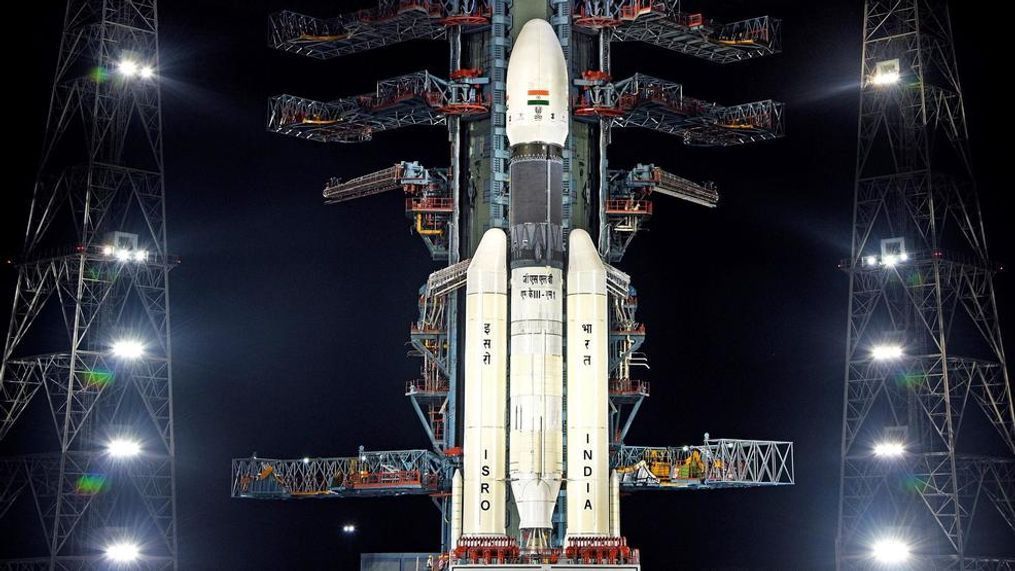
Key Highlights
- Government & Policy Support: Revolutionary reforms, increased investments, and strategic policy initiatives are propelling the sector forward.
- Private Sector Innovation: A surge in private participation driving cost-effective launches and advanced technology development.
- Technological Advances & Global Collaboration: Groundbreaking missions, reusable launch vehicles, and international partnerships mark the future.
Introduction
India's space sector is undergoing a transformative phase marked by rapid technological innovation, robust government reforms, and a dynamic private sector entering the arena. This evolution is not only redefining how space missions are conceptualized and executed but is also positioning India as a crucial player on the global stage. With plans ranging from human spaceflight to reusable launch vehicles, India is setting the stage for an expansive and diversified space economy.
Government Initiatives and Policy Reforms
Strategic Investments and Support
At the heart of India's space expansion strategy lies strong governmental support, evident from significant budgetary allocations and policy reforms. For instance, the Union Budget 2025-26 allocated an impressive Rs 13,416.20 crore to the Department of Space. This landmark investment underscores the government's commitment to driving forward major projects related to satellite development, deep space exploration, and innovative science missions.
Policy Frameworks
The introduction of policies such as the Indian Space Policy 2023 and the New Space Policy of 2023 has been a game changer. These policies are designed to facilitate private sector engagement alongside traditional public activities spearheaded by the Indian Space Research Organisation (ISRO). Significant policy shifts like the liberalization of the Foreign Direct Investment (FDI) rules in the space sector have made it more conducive for startups and established companies to innovate within the ecosystem.
Customs Duties and Competitiveness
In tandem with policy frameworks, measures such as the reduction in customs duties on key satellite components and launch vehicle parts have significantly enhanced the competitiveness of India's space products. These reforms not only reduce the cost structure but also allow greater flexibility and faster time-to-market for new technologies and components, strengthening India's domestic manufacturing capabilities.
Rise of Private Sector Participation
An Era of Collaboration and Innovation
One of the most defining trends in India's space future is the increasing involvement of the private sector. Initiatives such as IN-SPACe (Indian National Space Promotion and Authorization Center) have paved the way for startups and MSMEs to enter into space technology development. Companies like Skyroot Aerospace, Agnikul Cosmos, and Bellatrix Aerospace are emerging as significant contributors to India’s space ambitions.
Commercial Applications and Satellite Launches
With a focus on operational efficiency and cost-effective solutions, private enterprises are now actively engaged in satellite launches and the broader development of launch vehicles. This shift not only accelerates innovation within the sector but also boosts international competitiveness by offering affordable launch services and advanced technology solutions.
Dynamic Innovation Ecosystem
The collaboration between established public entities and agile private players is fostering an environment ripe for innovation. This ecosystem is instrumental in the development of cutting-edge technologies, ranging from reusable launch vehicles to advanced satellite platforms. Moreover, competitive pressures are driving rapid improvements in design, manufacturing efficiency, and cost management.
Advancements in Technology and Mission Developments
Ambitious Missions to Redefine Space Exploration
Innovation in space technology is at the forefront of India's strategy for capturing a larger share of the global space market. Flagship missions like Gaganyaan, the country's ambitious human spaceflight endeavor, signify a bold step into crewed missions, with initial uncrewed projects laying the groundwork. Complementing these are deep-space exploration missions, such as Chandrayaan-3 and Mangalyaan-2, that continue to push the envelope in extraterrestrial exploration.
Reusability and Cost-Effectiveness
A major technological milestone is the development of reusable launch vehicle technology. ISRO’s successful testing of the Reusable Launch Vehicle-Technology Demonstrator (RLV-TD) marks significant progress in reducing launch costs and increasing mission frequency. The transition from expendable rockets to reusable systems has the potential to revolutionize the economics of spaceflight and significantly decrease the overall cost of missions.
Satellite Technology and Small Satellite Market
The expansion of satellite technology is another critical dimension of India’s space future. The rapid growth in the small satellite market is creating new avenues for diverse applications, including Earth observation, communication, navigation, and remote sensing. The development of indigenous satellite systems like the Indian Regional Navigation Satellite System (IRNSS) further emphasizes India's commitment to achieving self-reliance in critical technologies.
Innovative Scientific Projects
Projects such as the NISAR mission, a collaborative effort with NASA, highlight India's growing technological prowess and its contribution to global scientific knowledge. In addition, initiatives such as space-based solar power projects point towards a future where space technology could address terrestrial challenges like energy security by harnessing renewable resources from space.
Global Collaborations and Future Prospects
Strengthening International Ties
Collaboration with global space agencies is a cornerstone of India's forward strategy. By partnering with organizations such as NASA, ESA, and Roscosmos, India is not only enhancing technical expertise but is also gaining access to cutting-edge research and global best practices. These collaborations are essential in fostering an innovation-rich environment that benefits both domestic advancements and international scientific collaborations.
Training and Exchange Programs
Some Indian astronauts are even slated to undergo training abroad, ensuring that the country is well-represented in international crews and space stations. Such exchanges reinforce India’s commitment to global space exploration while also enabling knowledge transfer and the adoption of advanced methodologies.
Economic Implications and Market Expansion
Projections indicate that the Indian space economy could reach valuations as high as USD 44 billion by 2033. This growth is fuelled by increased revenue streams from satellite services, commercial launch contracts, and ancillary space-based technologies. The sector is also generating substantial employment opportunities and driving economic diversification, propelling the country into a key position in the global space industry.
Comprehensive Overview of Future Trends
Summarizing the Path Forward
To synthesize, India's space sector is embarking on a journey marked by several transformative trends:
| Trend | Description | Key Players/Initiatives |
|---|---|---|
| Government Support & Policy Reforms | Strong financial injections from the government, liberalization of FDI policies, and reduction in customs duties bolster the sector. | ISRO, Department of Space, Government Budgets, New Space Policy 2023 |
| Private Sector Participation | Growing involvement of startups and private companies driving innovation and commercial space applications. | Skyroot Aerospace, Agnikul Cosmos, IN-SPACe |
| Technological Advancements | Development of reusable launch vehicles, small satellite markets, and advanced human spaceflight programs. | RLV-TD, Gaganyaan, IRNSS, NISAR |
| Global Collaborations | Strategic partnerships with international space agencies to enhance technological exchange and training. | NASA, ESA, Roscosmos |
| Market Growth & Economic Impact | Projected growth of the space economy driven by commercial launches and increased investment, leading to expanded revenue opportunities. | Global investments, Commercial Launch Services |
This table encapsulates the primary dynamics that are poised to define the evolution of the Indian space industry. Each of these dimensions interplays to foster an environment where technology, policy, and commerce converge, creating a robust ecosystem that is well-prepared for future challenges and opportunities.
Sector-Specific Trends and Future Missions
Focus Areas for Upcoming Years
Several targeted areas promise to distinctly shape the future trajectory of the Indian space sector:
Reusable Launch Vehicles
The development of reusable rockets marks a significant technological advancement. Not only does this innovation help in drastically reducing launch costs, but it also enhances overall mission efficiency. ISRO’s ongoing projects around RLVs indicate a future where space access is more sustainable and frequent.
Human Spaceflight and Lunar Missions
Flagship projects like Gaganyaan, India’s first crewed spaceflight effort, demonstrate a commitment to pushing human frontiers. Alongside these, lunar missions such as Chandrayaan-3 and planned exploration endeavors indicate that human spaceflight will soon become a regular venture, significantly expanding India's scientific reach.
Space-Based Solar Power and Other Innovations
Emerging projects in space-based solar power illustrate the potential for space technologies to contribute to terrestrial energy solutions. This innovative approach, combined with growing advancements in satellite technology and navigation systems, positions India as a multifaceted space power.
Collaboration, Investment, and Market Dynamics
Broader Implications and Industry Impact
The mosaic of reforms, technological advancements, and private sector engagement is setting into motion a period of expansive growth and global visibility for India's space sector. With global collaborations that offer expertise and fresh perspectives, the country is carving out a unique niche in the highly competitive space market.
Economic Forecast and Market Valuation
Analysts predict that the Indian space economy, currently valued around multiple billions of dollars, could expand to capture nearly 8% of the global market share. With projections estimating a potential market size of USD 44 billion by 2033, the momentum is clearly in favor of elevated investment, increased commercial engagement, and breakthrough technological solutions that fuel economic and scientific advancements.
New Market Opportunities
The ecosystem has already begun to nurture new market segments such as the small satellite arena, space tourism, and novel applications like Earth observation services. Startups and emerging players are positioning themselves to tap into these lucrative segments, further diversifying the revenue streams and enhancing India's role in the global space industry.
References
- Shaping the Future of India's Space Sector - Drishti IAS
- Strategic Vision and Innovation Boosting India's Space Economy - WEF
- India's Space Sector: A Transformational Year Ahead - The Financial Express
- The Dawn of the Space Economy in India - EY
- Private Sector in Indian Space Tech: Progress, Challenges, and Future - Business Standard
Recommended Related Queries
Last updated March 24, 2025