
Future Trends in India's Space Sector
Exploring the growth, innovation, and opportunities in India's space industry
Highlights
- Robust Government Initiatives and Investments: Strategic budget allocations and supportive policies drive expansion.
- Rapid Private Sector Adoption: Private firms, startups, and international collaborations are fueling innovation.
- Technological Advancements and Market Growth: Cost-effective launch services and emerging technologies bolster a expanding market.
Overview of India's Space Sector Evolution
The Indian space sector is rapidly evolving as a critical component of national development and global competitiveness. Fueled by significant government investments, pioneering technological advancements, and the increasing participation of the private sector, the industry is poised for transformative growth. India’s space economy is expected to surge from an approximate valuation of US$8.4 billion in 2022 to an impressive US$44 billion by 2033. This transition is underpinned by a series of policy reforms, strategic partnerships, and cutting-edge technological innovations that collectively shape its trajectory.
Government Initiatives and Policy Reforms
The government of India recognizes the strategic importance of the space sector, both for national security and economic development. Key government initiatives include:
Strategic Budget Allocations
The Union Budget for 2025-26 has earmarked substantial funds – amounting to over Rs 13,416.20 crore – for the Department of Space. This financial backing is crucial to furthering research, launching satellite missions, and developing infrastructure that supports both manned and unmanned space missions. The steady rise in budget allocation reflects the government's commitment to maintaining and enhancing India's competitive edge in the global space arena.
The Indian Space Policy 2023
The framework provided by the Indian Space Policy 2023 encapsulates a holistic approach to expanding the space sector. It emphasizes 100% foreign direct investment (FDI) in satellite components, streamlines regulatory processes, and fosters a secure environment for public-private partnerships. This policy is a cornerstone for accelerating technological advancements and attracting international collaborations.
Private Sector Engagement
One of the most significant drivers of change in India's space sector is the growing involvement of the private sector. With over 100 startups establishing themselves in the industry, the private domain is rapidly emerging as a critical contributor to the country's space endeavors.
Rise of Startups
Unlike traditional models that primarily centered around government agencies, the current landscape is dotted with innovative startups specializing in satellite technology, launch services, and space-based applications. These companies benefit from the expertise of former ISRO professionals and a vibrant entrepreneurial ecosystem. By leveraging agile business models and innovative technologies, startups are not only driving down costs but also expanding the range of space-based services and applications.
Collaboration with Global Partners
Increased private sector participation has also catalyzed international collaborations. Indian companies have started partnering with overseas space agencies such as NASA, ESA, and JAXA. These collaborations facilitate technology transfer, joint mission planning, and sharing of critical expertise. Moreover, the competitive pricing of Indian launch services, especially for small and medium satellites, has attracted global customers to the Indian market.
Technological Innovations Shaping the Future
Technological advancements are at the heart of India's ambitious plans for the space sector. The country is investing heavily in research and development to enhance its capabilities in satellite communications, remote sensing, and deep-space exploration.
Cost-Effective Launch Services
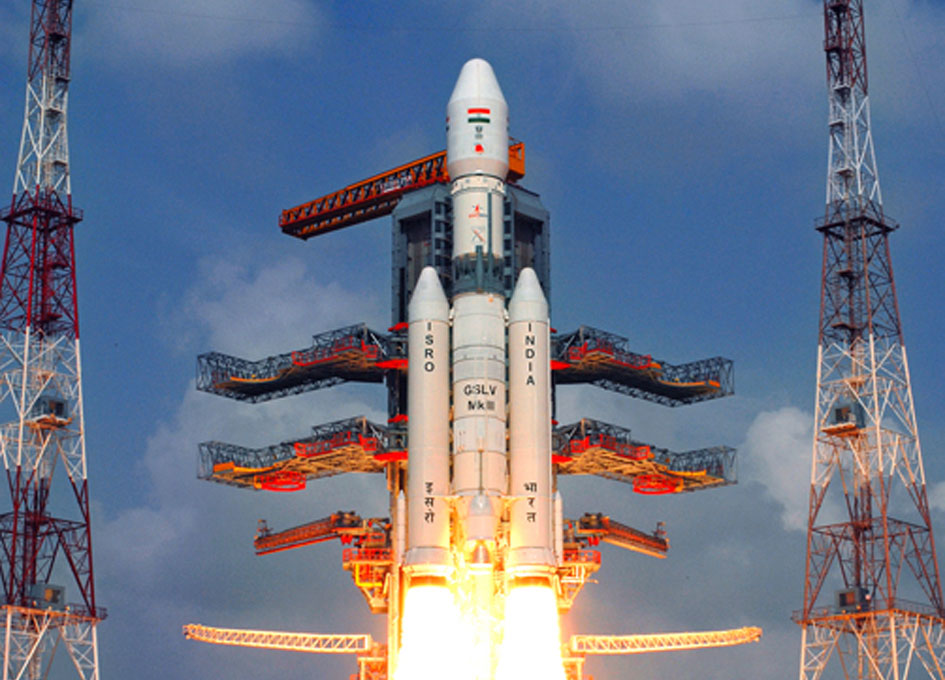
A major highlight of India's technological ascension is its ability to offer low-cost launching solutions. The Indian Space Research Organisation (ISRO) has developed cost-effective launch vehicles that are gaining international recognition. Vehicles like the Small Satellite Launch Vehicle (SSLV) offer reliable access to space at competitive prices. This innovation is propelling India's reputation as a cost-effective launch service provider, capturing a larger share of the global market.
Satellite Miniaturization and Advanced Payloads
In a bid to optimize both functionality and cost, Indian researchers are actively developing smaller, more efficient satellites. This trend not only reduces manufacturing and launch costs but also expands the scope of space applications, including telecommunications, environmental monitoring, and defense. Furthermore, missions such as Chandrayaan-3 and the Aditya L1 mission have demonstrated remarkable technological prowess in lunar exploration and solar observations respectively, consolidating India’s standing on the international stage.
Market Growth and Economic Impact
The burgeoning space sector is set to become a major pillar of India's economy. Forecasts suggest that the sector will not only grow in terms of market size but will also contribute significantly to employment, foreign exchange earnings, and technological innovation.
Economic Projections
The Indian space economy is projected to experience a fivefold growth in the next decade, reaching approximately US$44 billion by 2033. In tandem, the export potential is expected to be robust, with estimates forecasting exports worth US$11 billion by 2033. These figures underscore the pivotal role the space sector is expected to play in India’s broader economic landscape.
Job Creation and Industrial Growth
Expansion in the space domain is anticipated to create numerous job opportunities and encourage the development of ancillary industries. From manufacturing high-tech components to developing ground systems and data analytics, the sector is nurturing a diverse ecosystem that supports innovation and skill development. Initiatives aimed at fostering advanced education and specialized training in space sciences further ensure the growth of a highly skilled workforce.
| Aspect | Key Developments | Future Projections |
|---|---|---|
| Government Investment | Increased budget allocations, supportive policies, and strategic reforms. | Continuous rise in funding and policy updates, driving long-term growth. |
| Private Sector Participation | Emergence of 100+ startups and increased global collaborations. | Expansion into diverse segments including satellite manufacturing, data analytics, and launch services. |
| Technological Innovations | Reusable technology, cost-effective SSLVs, and satellite miniaturization. | Further reduction in costs with advanced payloads and breakthroughs in deep-space technology. |
| Economic Impact | Boost in job creation, industrial partnerships, and foreign investments. | Sector growth contributing significantly to GDP with robust export potential. |
Challenges and Opportunities
While the prospects for India's space sector are largely optimistic, the industry does face a number of challenges that must be addressed to sustain its growth trajectory. Balancing the rapid pace of technological innovation with robust regulatory frameworks, ensuring long-term partnerships, and managing competitive pressures from established space economies remain key areas of focus.
Regulatory and Legal Framework
One of the challenges confronting the space sector is the need for comprehensive regulatory frameworks. Issues related to intellectual property rights, liability in case of failures, and the establishment of a unified national space law are subjects of intense discussion. Developing a robust legal structure is essential to provide clarity to both government agencies and private companies and to streamline space missions and commercial ventures.
Global Competition and Market Entry
As countries worldwide invest in their space capabilities, India must continue to innovate and remain competitive. The success of low-cost launch vehicles and advancements in satellite technology are factors that contribute to India’s appeal. However, managing competitive pressures from nations with similar ambitions necessitates continuous innovation and strategic international partnerships.
Opportunities in Emerging Technologies
The dynamic environment of the space sector opens significant opportunities for developing new technologies. From the refinement of reusable rocket technology to breakthroughs in satellite miniaturization, research and development efforts can lead to substantial cost savings and enhanced efficiency. Moreover, expanding the applications of space technology into areas such as telemedicine, environmental monitoring, and smart agriculture could further drive industrial growth.
Educational and Research Initiatives
A thriving space sector relies heavily on a strong foundation in education and research. India has taken proactive measures to nurture talent and promote a culture of innovation in space sciences.
Specialized Courses and Training Programs
Institutions across the country are increasingly offering specialized courses in space technology, satellite engineering, and remote sensing. These academic programs, coupled with government-backed fellowships and internships, ensure that the next generation of engineers and scientists is well-equipped to tackle the challenges of space exploration.
Research Collaborations
Collaborative research efforts, both with international partners and between public and private entities, are essential to drive innovation. Multi-disciplinary research initiatives are paving the way for advancements in areas such as materials science, propulsion, and artificial intelligence applications in space missions. These efforts are not only enhancing India's technological prowess but also positioning the nation as a significant research hub in the global space community.
Future Roadmap and Strategic Vision
The trajectory of India’s space sector is defined by its strategic vision that integrates policy frameworks, technological innovation, and market expansion. The future roadmap involves:
Deep-Space and Manned Missions
Looking ahead, India is setting its sights on ambitious missions that extend beyond low Earth orbit. Plans for deep-space exploration, manned space missions, and advanced lunar exploration are being developed with a view to establishing a sustained presence in outer space. These projects aim to showcase India’s evolving capabilities and strengthen its position in the international space community.
Enhancing Global Collaborations
India is actively seeking partnerships to leverage global expertise. With emerging collaborative frameworks that involve academic, governmental, and private sector investments, future projects are expected to benefit from shared knowledge and resources. Such collaborations will facilitate technology transfers and foster a culture of innovation that transcends geographical boundaries.
Investing in Indigenous Technologies
A core pillar of India's strategic roadmap is the commitment to developing and investing in indigenous technologies. From designing cost-effective launch vehicles to developing state-of-the-art satellite platforms, indigenous innovation not only reduces dependency on foreign technology but also drives down costs and boosts self-reliance. This strategic investment in homegrown technology will be essential to maintain a competitive advantage in the global space race.
Key Takeaways and Future Considerations
The future of India’s space sector lies in the synergy of robust government support, a thriving private ecosystem, progressive policies, and continuous technological innovation. As the industry strives towards achieving milestones like cost-effective launch systems, advanced satellite technologies, and deep-space exploration, it simultaneously addresses challenges through comprehensive regulatory reforms and strategic international collaborations.
The commitment to education, research, and fostering a highly skilled workforce further solidifies a promising outlook for the sector. With anticipated market growth, extensive international partnerships, and sustained investments in innovation, the Indian space sector is well on track to become a major economic driver and a leading force in global space exploration.
References
- India’s Space Economy Set to Reach $44 Billion by 2033 – Entrepreneur
- Indian Space Economy to Reach $44 Billion by 2033 – Economic Times
- Budget 2025-26: Strategic Investments in India’s Space Sector – Financial Express
- ISRO Emerging Initiatives – ISRO
- Indian Space Startups Leverage ISRO Veterans' Expertise – YourStory
Related Queries for Further Exploration
Last updated March 18, 2025