
Future Trends in India's Space Sector
Exploring Growth, Innovation, and Policy Transformations
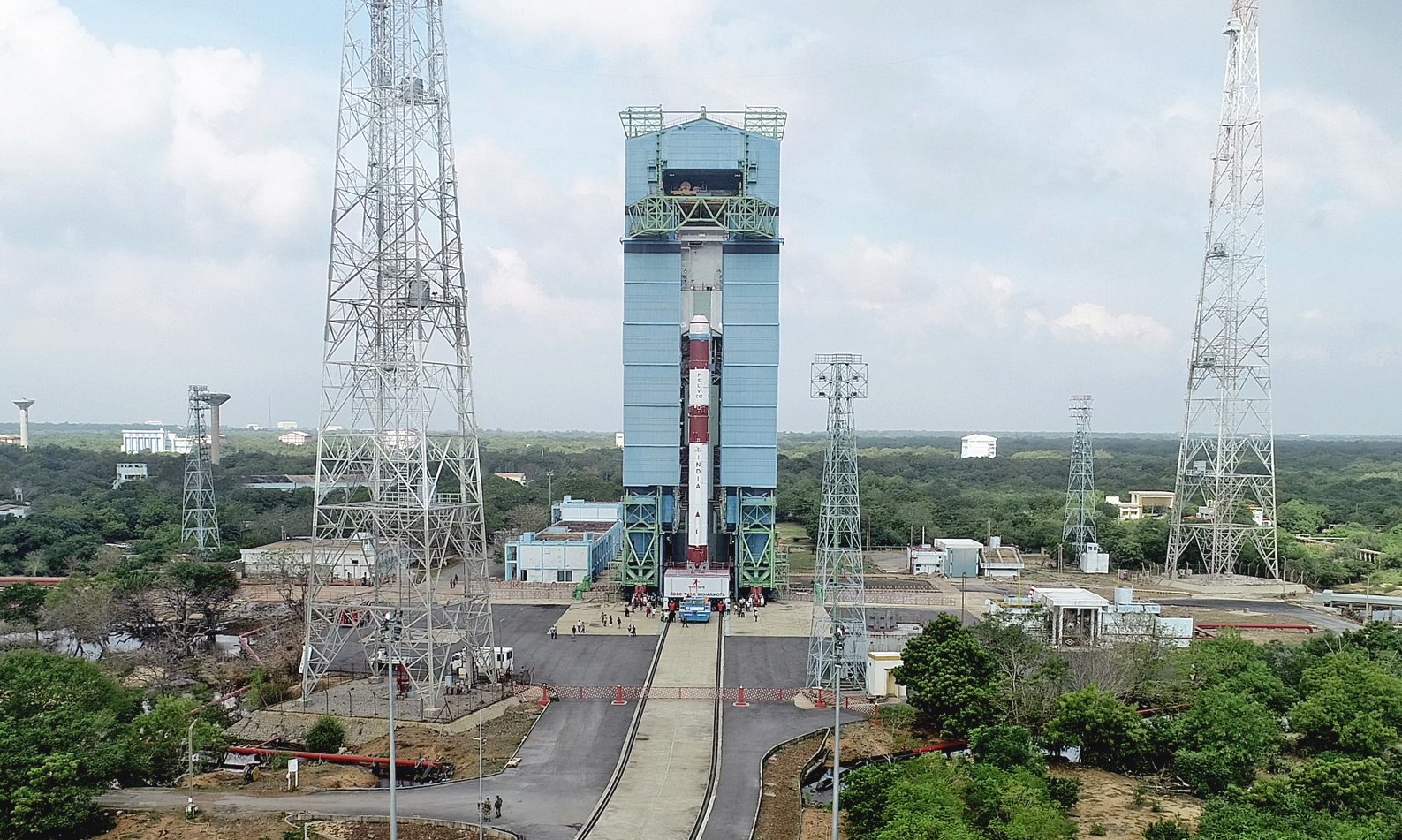
Highlights
- Private Sector and Startup Ecosystem: Increased participation and innovation.
- Government Initiatives and Policy Reforms: Streamlined processes fostering global collaboration.
- Technological Advancements and Mission Targets: New missions, reusable launch vehicles, and enhanced satellite technologies.
Introduction
India’s space sector is undergoing a remarkable transformation driven by a confluence of government initiatives, robust policy reforms, and an emerging privately-led startup ecosystem. With projections that the space economy could soar to a value of USD 44 billion by 2033 and aspirations to capture 8% of the global space market, the sector is attracting significant attention both domestically and internationally. This comprehensive overview examines the key trends shaping the future trajectory of the Indian space industry, the role of private sector involvement, advancements in technological capabilities, and the strategic governmental measures aimed at boosting this dynamic sector.
Government Support and Policy Initiatives
Policy Reforms and Institutional Support
A number of government-led reforms and policy announcements have been central to enabling the rapid growth of the Indian space sector. The introduction of policies such as the Indian Space Policy 2023 has liberalized the field, opening it up to private players and promoting participation across various stages of space activities. This policy framework, along with the establishment of bodies such as the Indian National Space Promotion and Authorisation Centre (IN-SPACe), offers a single-window mechanism for approvals and licensing processes, thus reducing bureaucratic delays and encouraging entrepreneurial ventures.
Additionally, significant budgetary increases—for instance, a 20% boost in space sector funding in FY2023-24—underline the government’s commitment to expanding research, infrastructure, and educational initiatives that support space technology. Strategic policy reforms, such as adjustments in the Foreign Direct Investment (FDI) policy, have also welcomed higher foreign investments, ensuring that India is well-positioned to capture a larger share of the global space economy.
Infrastructure and Technological Investments
Government initiatives are not solely administrative; they also focus on building critical infrastructure. Investments in ground stations, satellite networks, and launch centers are essential for consolidating India’s position as a competitive space agency on the global stage. These infrastructural enhancements are complemented by an emphasis on education and the development of a skilled workforce, which are vital for driving sustained innovation and maintaining technical expertise.
Private Sector Involvement and Entrepreneurship
The Rise of Startups and Private Companies
One of the most transformative aspects of India’s burgeoning space sector is the increased involvement of private companies and startups. Historically dominated by government organizations like ISRO, the landscape is now witnessing the rise of several entrepreneurial ventures, which contribute significantly to both innovation and economic growth. With over 300 space tech startups now active in India, there is a vibrant ecosystem emerging that is focused on reducing costs and fostering the commercialization of space technology.
Startups are not only spearheading innovations in satellite fabrication and launch capabilities but are also engaging in developing novel applications of space technology in agriculture, disaster management, urban planning, and digital connectivity. By leveraging cost-effective technological advancements—such as the utilization of small and micro-satellite launch vehicles—these startups are steadily positioning India as a global hub for space-based services.
Venture Capital and Funding Trends
The influx of venture capital funds specifically targeted at the space sector signals burgeoning investor confidence. A dedicated $120 million fund has been approved to support space startups, further accelerating the pace of innovation. Although funding experiences fluctuations—as seen in the notable dip during 2024—industry experts remain optimistic about a rebound, especially with more focused policy support and demonstrable achievements in mission successes.
Moreover, the private sector is not limited to domestic collaborations; international partnerships are flourishing, resulting in increased access to global markets and advanced technological exchange. This balance of domestic innovation and international collaboration is core to the sector’s growth strategy.
Technological Advancements and Visionary Missions
Advancements in Satellite and Launch Technologies
Rapid technological advancements are a cornerstone of the Indian space sector’s future trajectory. Innovations in satellite manufacturing, especially for small and micro-satellites, have significantly lowered the cost barrier for accessing space. These technological breakthroughs allow for more frequent and diversified missions, ranging from Earth observation and navigation to communication.
India’s accomplishments, such as the cost-effective missions of Chandrayaan-3 and the Mars Orbiter Mission, have not only bolstered national pride but have also demonstrated the country’s ability to execute complex missions with optimized budgets. Emerging projects like the development of the Next Generation Launch Vehicle (NGLV), which aims to be reusable and low-cost by 2032, underscore the commitment to reducing expenses and increasing efficiency in space travel.
Ambitious Mission Goals
Future missions, including planned endeavors like Chandrayaan-5, targeted Venus Orbiter Missions, and the ambitious BharatiyaAntariksh Station (BAS) slated for establishment by 2035, highlight a future marked by pioneering exploration and scientific inquiry. These missions are meticulously planned to gather critical data about lunar and planetary sciences, pushing the boundaries of knowledge and technological capabilities.
Furthermore, the evolution of satellite constellations is anticipated to revolutionize communication, navigation, and even space tourism. These advancements will have significant real-world applications, ranging from improving internet connectivity in remote regions to enhanced services in agriculture and disaster management.
Economic Projections and Global Impact
Financial Growth and Market Potential
Financial projections for India’s space sector are highly optimistic. With an expected market value increase to USD 44 billion by 2033, the sector is poised to make a substantial economic impact. Such growth reflects India’s goal to capture a significant share of the global space market, aiming for an 8% share and exporting space-derived technology and expertise worth nearly USD 11 billion.
This robust financial outlook is underpinned by increased governmental spending, the strategic injection of venture capital, and the rising number of private players that bring a competitive edge to the sector. The symbiotic relationship between the public and private sectors serves as a catalyst for technological and commercial advancements in space technology.
Exports and International Collaboration
Beyond domestic growth, India’s space sector is increasingly positioning itself as a global competitor with significant export potential. Through strategic collaborations with leading international space agencies, India is not only inviting investments but also fostering an environment of knowledge exchange and shared technological innovation. This international outreach is anticipated to further consolidate India's role in the global space economy.
The promise of such collaborations is evident in the numerous bilateral agreements and joint ventures aimed at sharing critical data and combining technological abilities. Such cross-border partnerships could also yield advanced satellite designs and launch service capabilities that are highly attractive to markets worldwide.
Challenges and Opportunities Ahead
Overcoming Funding and Regulatory Hurdles
Despite the promising growth and rapid advancements, the Indian space sector faces significant challenges. Funding constraints, regulatory delays, and supply-chain limitations continue to pose hurdles. While there has been an initial dip in funding observed in 2024, industry experts remain optimistic that these challenges will be addressed through enhanced governmental policies and strategic partnerships.
One of the most persistent challenges relates to creating a robust domestic supply chain. Efforts are underway to nurture local manufacturers and research institutions to build a reliable ecosystem for producing space components. The development of this infrastructure is crucial for reducing dependency on international suppliers and ensuring that the sector remains innovative and cost-effective.
Skilled Workforce and Research Development
A key factor for the flourishing of the space sector is the continuous development of a skilled workforce. With rapid technological advancements, there is an ever-increasing need for professionals trained in aerospace engineering, data analytics, and satellite communications. To meet this demand, educational institutions, along with public and private initiatives, are investing heavily in research and specialized training programs.
Additionally, collaboration with international research organizations not only helps in skill development but also in understanding and integrating global best practices. These efforts, combined with increased funding for research and development, ensure that the Indian space sector remains at the forefront of technological innovation.
Comprehensive Overview Table
| Key Areas | Details |
|---|---|
| Policy & Government Support | Indian Space Policy 2023, IN-SPACe, increased budget allocations, and FDI enhancements pave the way for greater private sector participation and infrastructural investments. |
| Private Sector Growth | Growth of over 300 startups, dedicated venture capital funds, and active participation of private enterprises in satellite manufacturing, launch services, and commercial space applications. |
| Technological Advancement | Development of small and micro-satellites, reusable launch vehicles like the NGLV, and ambitious mission targets such as Chandrayaan-5, Venus Orbiter, and BharatiyaAntariksh Station. |
| Economic Projections | Market valuation projected to reach USD 44 billion by 2033 with 8% of global market share; significant export potential and international collaborations. |
| Challenges & Workforce | Addressing funding fluctuations, enhancing the domestic supply chain, and investing in skilled workforce training through academic and industrial partnerships. |
References
- India's Race to Space - Invest India
- Indian Space Economy to Reach $44 bn by 2033 - Economic Times
- The Dawn of the Space Economy in India - EY
- Strategic Vision: Innovation Boosting India's Space Economy - WEF
- ISRO Emerging Space Initiatives - ISRO
Recommended Related Queries
Last updated March 20, 2025