
Future Trends in India's Space Sector
Exploring the innovation, investments, and initiatives shaping India's journey into space
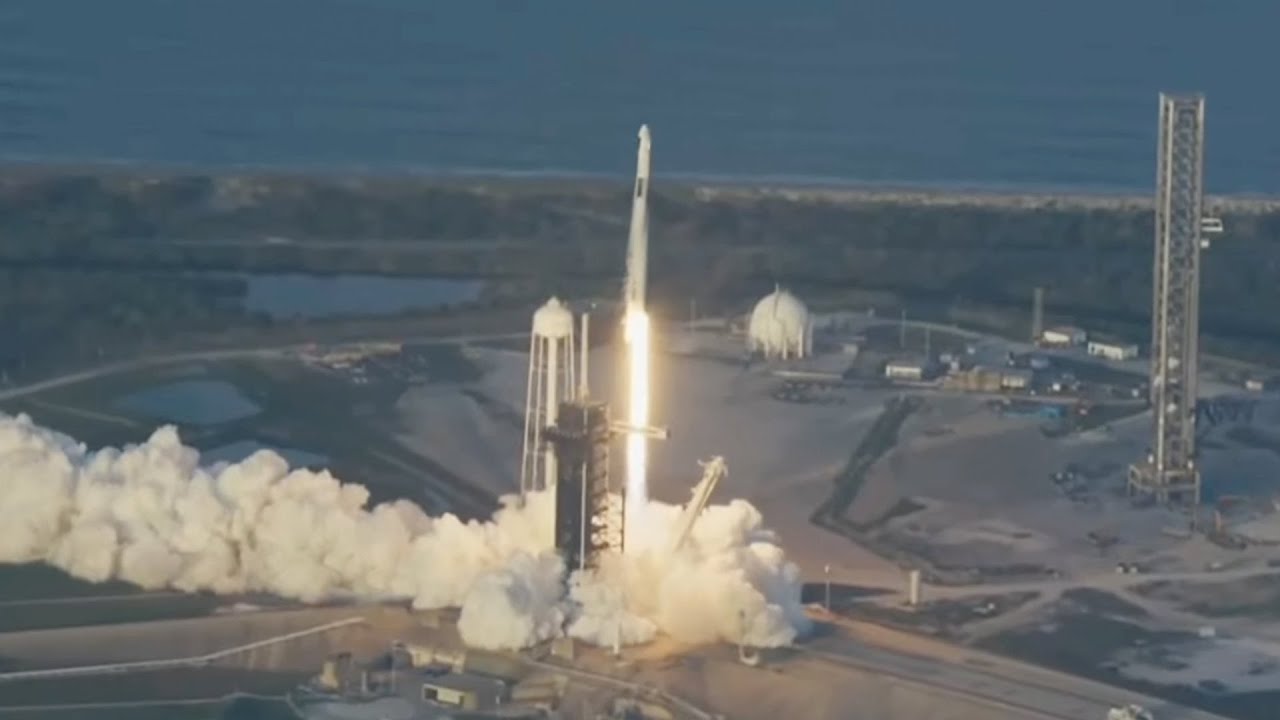
Key Highlights
- Government Reforms & Strategic Investments: Major policy reforms and financial commitments are setting the stage for a robust space industry.
- Private Sector & Technological Innovation: Increased private participation along with breakthrough technologies like reusable vehicles and AI-driven satellite systems are driving growth.
- Global Positioning & Economic Expansion: Ambitious economic targets coupled with international collaborations are positioning India as a serious global player in space exploration.
Government Policies and Strategic Investments
Over the past few years, the Government of India has taken significant steps to redefine and reinforce its space policies. The introduction of the Indian Space Policy 2023, coupled with the establishment of IN-SPACe—an institutional framework to streamline private sector engagements—has laid a strong foundation for a rapidly evolving industry. These initiatives signal an era where strategic investments are coupled with clear regulatory frameworks, fostering innovation and reducing bureaucratic hurdles.
The Union Budget for 2025-26 indicates a significant financial commitment toward space exploration, satellite technology, and research & development. Although specifics regarding individual allocations may evolve, the underlying message is consistent: substantial fiscal support will continue to be a key driver for innovation. This move not only underscores the government’s intent to maintain a leadership role in space exploration but also lays down a roadmap for public-private partnerships which, in turn, catalyze economic growth.
Increased Investment in Research & Development
Budgetary allocations have been earmarked for cutting-edge research in areas such as laser communications and satellite miniaturization, ensuring that India remains at the forefront of technology. Increasing investments in research & development (R&D), particularly in emerging technologies, are setting the stage for India to further leverage new frontiers of space research.
Private Sector Engagement and Innovation
A paradigm shift is underway as India's space sector evolves from being primarily government-driven to rather a vibrant, commercially driven field. Several reforms have been put in place to facilitate private sector participation. Key among these is the revised Foreign Direct Investment (FDI) policy and the Norms Guidelines and Procedure (NGP), which have collectively reduced barriers and streamlined the process for private companies.
Notably, a burgeoning ecosystem of over 100 startups is emerging in the space arena, covering diverse segments such as satellite manufacturing, propulsion systems, and data analytics. Companies like Pixxel and Skyroot Aerospace signify this new wave of entrepreneurial energy, potentially leading to increased market competition and rapid technological evolution.
Investment and Funding Trends
With venture capital funds dedicated to space startups—such as a recently approved $120 million fund—the capital infusions are expected to boost innovation in research, development, and commercialization. This infusion of funds is anticipated to transform the space landscape from a state-funded endeavor into a dynamic competitive market with high export potential and global collaborations.
Technological Advancements and Breakthrough Innovations
India's space sector is on the brink of a technological revolution. Advances in satellite technology, including the production of smaller, more efficient satellites, have already begun to reshape the industry globally. The country's emphasis on developing advanced solar research through satellites like Aditya-L1 demonstrates its commitment to innovation.
Additionally, the exploration and development of reusable launch vehicles (RLVs) are among the most promising pursuits. These innovations are designed to significantly reduce launch costs, with some estimates suggesting up to an 80% reduction. Such cost-effectiveness not only enhances the competitive edge of the Indian space industry but also opens up opportunities for increased international commercial activity.
Adoption of Artificial Intelligence and Machine Learning
The integration of artificial intelligence (AI) and machine learning (ML) into satellite operations has begun to transform how data is managed and analyzed. This integration is expected to optimize satellite performance, allowing for more accurate predictions and enhanced decision-making in mission-critical situations. These technological advancements are fundamental to realizing trajectories toward autonomous operations and superior space-based telecommunication systems.
Economic Expansion and Global Market Positioning
India’s ambitious target to expand its space economy from $8.4 billion in 2022 to $44 billion by 2033 is a driving force behind the ongoing reforms and investments. This explosive growth is not only a testament to India's potential in harnessing space-based technologies for economic development, it also embodies strategic efforts to secure a larger share of the global market. Projections estimate that by 2025 the space economy could grow significantly, with some forecasts even suggesting potential expansion toward $100 billion by 2040.
Beyond domestic innovation, international collaborations are an integral part of this growth strategy. India is looking to forge stronger ties with global space agencies, thereby gaining access to shared expertise, resources, and advanced research methodologies. These partnerships facilitate knowledge transfer, joint ventures, and collaborative missions that enhance both technological and market positioning.
For instance, cost-effective satellite launches by ISRO have attracted significant international interest. With India emerging as a preferred destination for satellite launch services, international customers benefit from affordability without compromising on quality or safety standards. This competitive pricing strategy, combined with robust technological performance, bolsters India's reputation in the global space market.
Detailed Overview Table
| Aspect | Key Developments | Impact |
|---|---|---|
| Government Policies | Indian Space Policy 2023, IN-SPACe establishment, enhanced FDI policies | Simplifies regulations, encourages private sector growth, bolsters investment |
| Private Sector Engagement | Entry of over 100 startups, dedicated VC funds ($120M+), revised norms | Drives innovation, reduces costs, increases competition and market reach |
| Technological Innovation | Reusable Launch Vehicles (RLVs), AI & ML integration, satellite miniaturization, laser communications | Lower launch costs, enhanced operational efficiency, breakthrough communication technologies |
| Economic Growth | Projected growth from $8.4B to $44B by 2033, international market expansion | Strengthens India's global market positioning, boosts export potential |
| International Collaboration | Partnerships with global space agencies, collaborative research projects | Enriches technological knowledge, facilitates shared resources and expertise |
Emerging Research and Future Directives
Beyond the current trends, several anticipated initiatives and research directives are expected to further propel India's space trajectory. One significant area is the development of a new space station, known as the Bharatiya Antriksha Station (BAS). This ambitious project is poised to serve as a cornerstone for future manned missions and deep space exploration.
Concurrently, upcoming missions like Chandrayaan-4 highlight India’s commitment to expanding its lunar exploration capabilities. This mission, along with other planned explorations, seeks to deepen scientific understanding of lunar geology, resource utilization, and to pave the way for interplanetary research.
Space Tourism and Commercial Opportunities
Additionally, space tourism is expected to become a viable commercial frontier. With India’s cost-effective launch capabilities and improved safety records, initiatives geared towards space tourism could unlock new economic potentials. The revenue generated from such endeavors is also likely to reinvest into further research and technological advancements.
Training and developing a skilled workforce remains a critical challenge. Investments in education, specialized training programs, and international exchange initiatives are essential to ensure that India can nurture a new generation of space professionals who are capable of handling advanced missions.
References
- India's Space Sector a Transformational Year Ahead - Financial Express
- Budget 2025-26 Strategic Investments in India's Space Sector - Financial Express
- India's Space Economy Set For A Quantum Leap - The Week
- Strategic Vision and Innovation in India's Space Economy - World Economic Forum
- Tech Trends Impacting Satellite Industry in 2025 - Satellite Today
Recommended Queries
Last updated March 17, 2025