
Future Trends in India's Space Sector
Exploring the transformative journey, innovations, and investments shaping India's space future
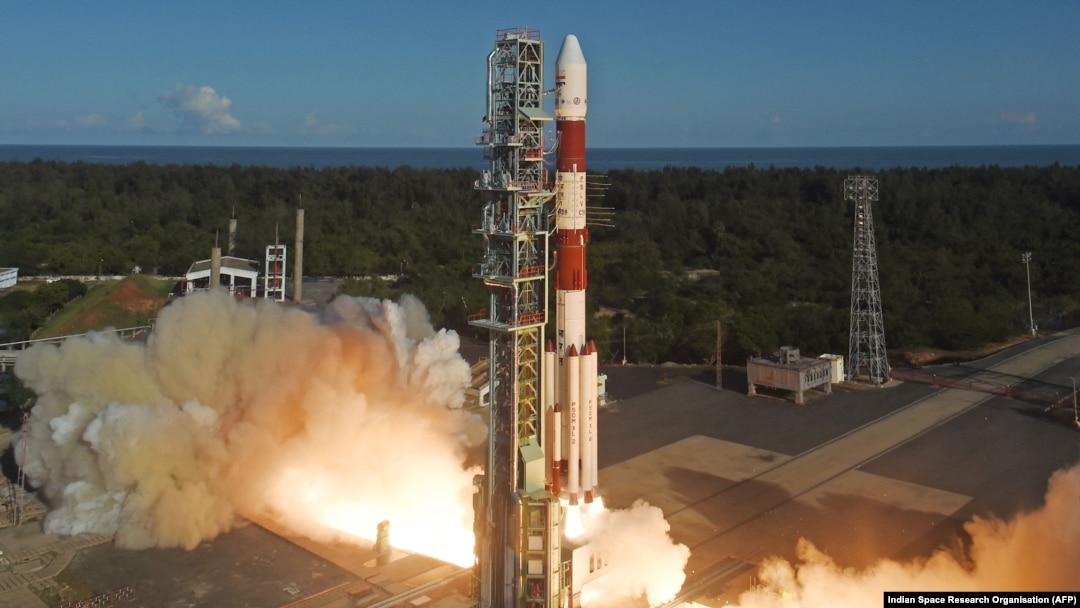
Key Highlights
- Explosive Market Growth: Projections forecast the Indian space economy to reach up to $44 billion by 2033, positioning India as a major global player.
- Government and Private Sector Synergy: Robust policy frameworks, increased budget allocations, and flourishing private sector participation are refining the space ecosystem.
- Technological and Operational Innovations: Advances in reusable launch systems, small satellites, human spaceflight, and emerging technologies such as AI are driving a new era.
Overview and Context
India's space sector, driven by a rich legacy of exploration and innovation, is emerging as a key player in the global space economy. The confluence of increased government support, diversified private sector involvement, and breakthrough technological advancements has set the stage for a transformative era. From ambitious lunar and Mars missions to the commercialization of space tourism and advanced satellite communications, India's strategic approach is multifaceted. Plans and projections indicate that the space economy could potentially cross the $44 billion mark by 2033, fueled by both domestic initiatives and global collaborations.
Growth and Economic Projections
Market Expansion and Investment
The Indian space sector is on an upward trajectory with significant economic potential. Recent projections anticipate that the market will expand rapidly, reaching a valuation of around $44 billion by 2033. This growth is not only a reflection of increased domestic capabilities but is also significantly bolstered by international market integration, with India aiming to secure approximately 8% of the global space market. This growth can be attributed to several factors:
Increased Funding and Investment
While there have been periods of funding fluctuations, such as a noted decline in 2024, industry experts are optimistic about a resurgence in investment as milestones are met in upcoming projects. The government's increase in the space budget by 20% in the fiscal year 2023-24 indicates its commitment to nurturing a competitive and innovative space sector. In collaboration with private ventures, this funding is paving the way for new startups and technological innovations.
Economic Multipliers and Global Opportunities
The overall expansion of the space industry is expected to generate significant economic multipliers. This growth will foster job creation, technological spin-offs, and international collaborations, collectively contributing to India's strategic interest in becoming a space leader. Initiatives like public-private partnerships are driving innovation while also opening up avenues for global market integration.
Government Support and Policy Framework
Policy Reforms and Institutional Initiatives
The Indian government has played a pivotal role in shaping the trajectory of the country's space sector. The introduction of the Indian Space Policy 2023 reflects a clear intent to bolster technology development, promote socio-economic benefits, and foster private sector participation. Among the major initiatives are:
Strategic Budget Increases
In FY2023-24, the government's decision to increase the space sector budget by 20% underscores its commitment to driving innovation, research, and development in space technologies. Enhanced funding is instrumental in mitigating the funding gaps frequently observed in sectors as capital-intensive as space exploration.
Facilitating Private Sector Participation
With agencies like the Indian National Space Promotion and Authorisation Centre (IN-SPACe) and New Space India Limited (NSIL) being established, the government has created a more business-friendly environment. These institutions help streamline regulatory processes and open up the sector to startups and established companies alike. This is reflected in the increasing number of private companies not only in satellite manufacturing but also in launch service provision, satellite data services, and other related fields.
Reforms in Regulatory and Policy Landscape
Policy reforms extend to aspects such as the administrative allocation of the satellite spectrum, which plays a crucial role in expanding communication services. The focus on creating a streamlined policy environment allows for more significant private investment and serves as a catalyst for the rapid deployment of new space-based technologies.
Technological Innovations and Operational Advancements
Implementing Cutting-Edge Technologies
Technological innovation is a cornerstone of India's strategy to elevate its status in the global space arena. Rapid advancements across various domains promise to change the way space missions are planned, executed, and even commercialized. Key areas of technological focus include:
Reusable Launch Vehicles
One major innovation is the development of reusable launch vehicles by the Indian Space Research Organisation (ISRO). Similar to trends in the United States and Europe, reusability is seen as a pathway to significantly reduce the costs of space launches and increase launch frequency. Early tests of reusable rocket technology have yielded promising results and hint at the possibility of regular, cost-effective launches.
Small Satellites and Satellite Constellations
There is a growing focus on the development and deployment of small satellites. These satellites are more cost-effective and offer flexibility in operations, including Earth observation, communication, and navigation. The smaller form factor has encouraged startups and research organizations to hone innovative applications, making India a key player in the small satellite market.
Human Spaceflight and Deep Space Exploration
India's ambitions extend to human spaceflight and deep space exploration. With missions like Chandrayaan-5 and prospective Mars missions on the horizon, ISRO is gearing up for a series of high-profile expeditions meant to not only showcase technological prowess but also inspire future generations of scientists and engineers. Human spaceflight programs are poised to play a crucial role in establishing India as a comprehensive space-faring nation.
Emerging Technological Integrations
Advanced technologies such as artificial intelligence (AI) and machine learning (ML) are being integrated into space operations. These innovations are transforming tasks such as satellite data analysis, mission planning, and satellite operations. The integration of AI helps enhance decision-making capabilities, improves real-time data processing, and optimizes spacecraft performance during missions.
Advanced Propulsion Systems
Cutting-edge propulsion systems, including electric and nuclear propulsion, are under active development. These advanced systems promise to revolutionize space travel by improving efficiency and extending the operational lifespan of spacecraft. The efforts in propulsion advancements highlight India's commitment to staying at the forefront of technological innovation in the global space race.
Diverse Applications and Commercial Opportunities
Expanding the Horizons of Space-Based Services
The application of space technologies extends beyond traditional communication and navigation services. A growing constellation of innovative services is emerging, driven by both the government and private sector. Key application areas include:
Satellite Communications and Internet Services
With an amplified emphasis on connectivity across both urban and rural regions, satellite-based internet services form an integral part of bridging the digital divide. Initiatives to deploy satellite constellations are expected to enhance connectivity across underserved areas, thus fostering socio-economic development.
Space Tourism
As the private space sector flourishes, space tourism is emerging as a feasible and exciting prospect. With technological developments making space travel more accessible, commercial space tourism ventures are likely to see rapid growth. This sector could eventually offer opportunities for both scientific research and luxury tourism ventures, significantly broadening the market.
Space-Based Solar Power
Another promising concept is space-based solar power. By capturing solar energy in space and transmitting it back to Earth, India could revolutionize power generation. Research in this domain is still in progress but could lead to a groundbreaking shift in how energy is harnessed and distributed.
Earth Observation and Climate Monitoring
Innovative use of satellites for earth observation is another high-growth area in the Indian space sector. Advanced imaging technologies and remote sensing capabilities are being deployed to monitor climate change, urban development, disaster management, and environmental degradation. These applications not only benefit public policy but also open up new markets in environmental analytics and geospatial mapping.
Emerging Trends in Operational Strategies
Operational Advancements and Collaborative Models
Operational strategies in the space sector are evolving rapidly, driven by the need for cost-effective, reliable, and frequent space missions. These strategies encompass a variety of initiatives:
Reusable Technology Demonstration
ISRO’s efforts in developing reusable technology for launch vehicles are a game changer in operational strategies. By reducing the cost-per-launch, this technology not only enhances operational efficiency but also contributes to increasing the cadence of launches. It also allows for more robust risk management strategies in space missions.
International Collaborations and Strategic Partnerships
India is actively forging international partnerships with space agencies and commercial counterparts from countries such as the United States, Russia, France, and others. These collaborative models ensure shared expertise, resource pooling, and risk mitigation. They foster synergistic advances in research and development, ultimately pushing the envelope of innovation.
Regulatory Adjustments and Spectrum Management
Crucial to the operational landscape are regulatory adjustments that improve satellite spectrum management and communication services. For instance, the Telecommunications Regulatory Authority of India (TRAI) is considering a structured framework for licensing that could standardize satellite operations on a five-year basis. Such measures are key to reducing bureaucratic delays and enhancing the operational efficiency of space services.
Summary Table of Trends
| Trend Category | Description | Key Drivers |
|---|---|---|
| Market Growth | Expansion of the space economy with a projected valuation of $44 billion by 2033 and global market share ambitions. | Government investment, private sector influx, international collaborations |
| Policy and Regulation | Supportive policies like the Indian Space Policy 2023 and increased budget allocations; streamlined regulatory frameworks. | Government initiatives, IN-SPACe, spectrum management reforms |
| Technological Innovation | Advancements in reusable launch vehicles, small satellites, AI integration, advanced propulsion, and human spaceflight. | ISRO projects, private sector R&D, emerging tech investments |
| Commercial Applications | Growth in satellite communications, space tourism, space-based solar power, earth observation, and climate monitoring. | Diversified investment, market demand, technology breakthroughs |
| Operational Strategies | Focus on cost-effective launch systems, risk management, and international partnerships to bolster frequent mission cadence. | Reusable technology, regulatory adjustments, strategic collaborations |
Additional Insights and Future Possibilities
Broader Implications and Strategic Avenues
The transformation of India's space sector is set to reconfigure various facets of science, technology, and commerce. One pivotal area is the integration of artificial intelligence (AI) and machine learning (ML) to augment data analysis and mission management. As satellites generate vast amounts of data, AI-driven algorithms help in real-time processing, prediction of orbital trajectories, and enhanced situational awareness during operations. With these improvements, turn-around times for decision-making are drastically reduced.
Furthermore, the sector’s expansion will foster a ripple effect in related industries such as telecommunications, manufacturing, information technology, and even agriculture. Enhanced satellite imagery and Earth observation services can empower climate resilience strategies and resource management, ultimately contributing to improved urban planning and disaster response initiatives. Additionally, the potential for space-based solar power experiments could offer new paradigms in renewable energy solutions, echoing a broader commitment to sustainable development.
The evolution of these trends not only highlights the growing interdependence between the public and private sectors but also the need for strategic foresight in policy formulation. India's approach demonstrates a blend of visionary leadership and practical, results-driven policies that have already begun to redefine its global space narrative. As operations mature and technologies mature, India may well serve as a hub for innovation, with its space endeavors inspiring similar initiatives across emerging economies.
References
- India's space sector poised to reach $44 billion - Economic Times
- India's space economy set for a quantum leap - The Week
- Strategic vision boosting India space economy - WEF
- India's space economy projected to grow to $44 billion - Times of India
- India's space sector: A transformational year - Financial Express
Recommended Exploration
Last updated March 22, 2025