
Is Global Warming a Real Threat to Humanity?
A comprehensive exploration of the impacts, challenges, and critical need for action
Key Highlights
- Extreme Weather & Health Risks: Frequent heatwaves, storms, and spread of diseases threaten lives.
- Ecosystem & Socioeconomic Disruptions: Rising temperatures and sea levels impact biodiversity, food production, and infrastructure.
- Urgency for Global Action: Mitigation through renewable energy, policy shifts, and adaptive measures is essential.
Overview of Global Warming as a Threat
Global warming, often interchanged with the broader concept of climate change, is an extensively documented and scientifically verified phenomenon. This process is primarily attributed to human activities, including the burning of fossil fuels and deforestation, which increase atmospheric temperatures by raising the concentration of greenhouse gases such as carbon dioxide and methane. The warming of our planet is not a distant future risk; rather, it is a present-day challenge with profound implications.
Scientific Consensus and Evidences
A robust scientific consensus exists among researchers and leading international organizations that the current trend of increasing global temperatures is both real and alarming. Detailed analyses spanning decades reinforce the conclusion that human-induced emissions are the primary driver of climate change. The consensus is drawn from diverse measurements including satellite observations, atmospheric studies, and climate models that have all consistently pointed to rising trends in average global temperature.
Notably, data shows that the Earth is warming at a rapid rate and experiencing climatic shifts far beyond natural variability. This warming is accompanied by a multitude of ripple effects across the globe, influencing not only natural ecosystems but also human society in multifaceted ways.
In-depth Impacts of Global Warming
1. Extreme Weather Events
Nature and Frequency of Events
One of the most visible impacts of global warming is an increased occurrence of extreme weather events. Rising temperatures contribute to the intensity and frequency of heatwaves, storms, floods, droughts, and wildfires. This is due to the fact that warmer air holds more moisture, leading to heavier precipitation events, while simultaneously, regions may experience prolonged dry spells. As a result, the stability of weather systems is compromised.
For example, heatwaves stress human bodies, enhance evaporation in already dry areas, and lead to record-setting temperature anomalies. Storms and hurricanes have grown more violent as the additional thermal energy in the atmosphere acts as a catalyst for more severe weather systems.
Human and Economic Repercussions
The ramifications of extreme weather are not confined to environmental damage. Human health and safety are directly compromised through exposure to high temperatures and natural disasters. The impact ranges from heat-induced illnesses, such as heat exhaustion and heatstroke, to fatal incidents in vulnerable populations. Economic losses also surge as infrastructure is damaged, communities are displaced, and resources are diverted to disaster recovery.
2. Health Impacts
Direct and Indirect Health Risks
The effects of global warming on human health are multifaceted. Direct health impacts stem from exposure to extreme temperatures. Heatwaves can lead directly to dehydration, heatstroke, and exacerbation of pre-existing cardiovascular and respiratory conditions. Vulnerable groups such as the elderly, children, and those with chronic health illnesses are particularly at risk.
Indirect consequences include the increased spread of vector-borne diseases such as malaria, dengue fever, and Zika virus. Warmer climates extend the habitats of many disease-carrying vectors, thereby expanding the geographical range of these illnesses. Additionally, food and water security is threatened as agriculture and water supply systems suffer from erratic weather patterns.
Projected Mortality and Public Health Challenges
Several health organizations predict a significant increase in mortality related to climate-induced phenomena over the coming decades. Reports indicate that climate change could contribute to hundreds of thousands of additional deaths annually due to causes like malnutrition, heat stress, and climate-sensitive diseases. This looming public health crisis emphasizes the urgent need for adaptation and robust public health measures, particularly in low-income and vulnerable regions.
3. Ecosystem Disruptions and Biodiversity Loss
Impacts on Flora and Fauna
Global warming exerts significant pressure on the natural world. Rising temperatures disrupt delicate ecological balances and contribute to the degradation of habitats. A well-documented phenomenon is coral bleaching, where increased water temperatures stress coral reefs, leading to a loss of symbiotic algae vital for their survival. Similar stresses affect other marine and terrestrial ecosystems.
Moreover, species are forced to migrate or adapt rapidly to new conditions. Some, however, face extinction if they cannot adjust swiftly enough. The disruption of ecological communities reduces biodiversity, which in turn threatens ecosystem resilience and the services that natural environments provide. From pollination to natural water filtration, each loss in biodiversity potentially impacts human wellbeing.
Broader Environmental Changes
The melting of glaciers and polar ice caps, driven by global warming, is leading to noticeable changes such as rising sea levels. Thermal expansion of seawater further contributes to this trend. As sea levels rise, coastal ecosystems are under threat, leading to erosion and loss of habitat for both wildlife and human communities. This confluence of developments underscores significant disruptions within the natural environment.
4. Socioeconomic and Political Ramifications
Global Economic Impact
The socioeconomic effects of global warming stretch far and wide. Rapidly changing climatic conditions disrupt agricultural production, leading to reduced crop yields and food scarcity. The resulting food insecurity has the potential to trigger economic instability and increased prices on a global scale.
Infrastructural damage from extreme weather events places a heavy burden on economies. Countries find themselves investing vast amounts of resources in disaster response and rebuilding efforts, detracting from other vital sectors such as education and healthcare. Climate change thus represents a significant economic threat, particularly in regions with limited financial resources.
Social and Political Stability
Beyond economic concerns, global warming has the potential to exacerbate social inequities and fuel political tensions. Populations in less developed regions are often hit hardest by climate extremes, with limited infrastructure and fewer resources to adapt or recover. This can lead to displacement, resource conflicts, and increased migration pressures.
Political instability is further fanned by the stress placed on government services, healthcare systems, and social safety nets. The potential for conflicts arising from competition over diminishing resources is especially concerning, reinforcing the idea that climate change is not merely an environmental issue but a catalyst for broader societal disruptions.
5. The Role of Feedback Loops
Positive Feedback Mechanisms
A critical aspect of global warming is the existence of feedback loops—processes that can accelerate warming. One of the most concerning of these is the thawing of permafrost, which releases methane, a greenhouse gas significantly more potent than carbon dioxide. As more methane is released, the warming effect is intensified, leading to further permafrost thaw, a process that can amplify climate change exponentially.
Additional feedback mechanisms include the reduction in the albedo effect, where diminishing ice cover reduces the Earth's capacity to reflect sunlight, resulting in additional heat absorption by the planet's surface. Such cyclical phenomena demonstrate how once initiated, global warming can propel itself through self-reinforcing mechanisms.
Data Table: Key Global Warming Impact Metrics
| Impact Category | Description | Examples/Affected Areas |
|---|---|---|
| Extreme Weather | Increased severity and frequency of heatwaves, storms, floods, and droughts | Urban areas, coastal communities, arid regions |
| Health | Direct illnesses such as heatstroke; indirect impacts by vector-borne and waterborne diseases | Elderly populations, low-income communities, tropical regions |
| Ecosystems | Disruption of habitats, biodiversity loss, coral bleaching | Coral reefs, Arctic regions, rainforests |
| Socioeconomic | Economic disruption, food insecurity, displacement and migration | Agricultural zones, coastal regions, developing countries |
| Feedback Loops | Processes that further accelerate warming (e.g., methane release from permafrost) | Arctic permafrost, deforested areas |
Strategies for Mitigation and Adaptation
Mitigation Strategies
Renewable Energy Transition
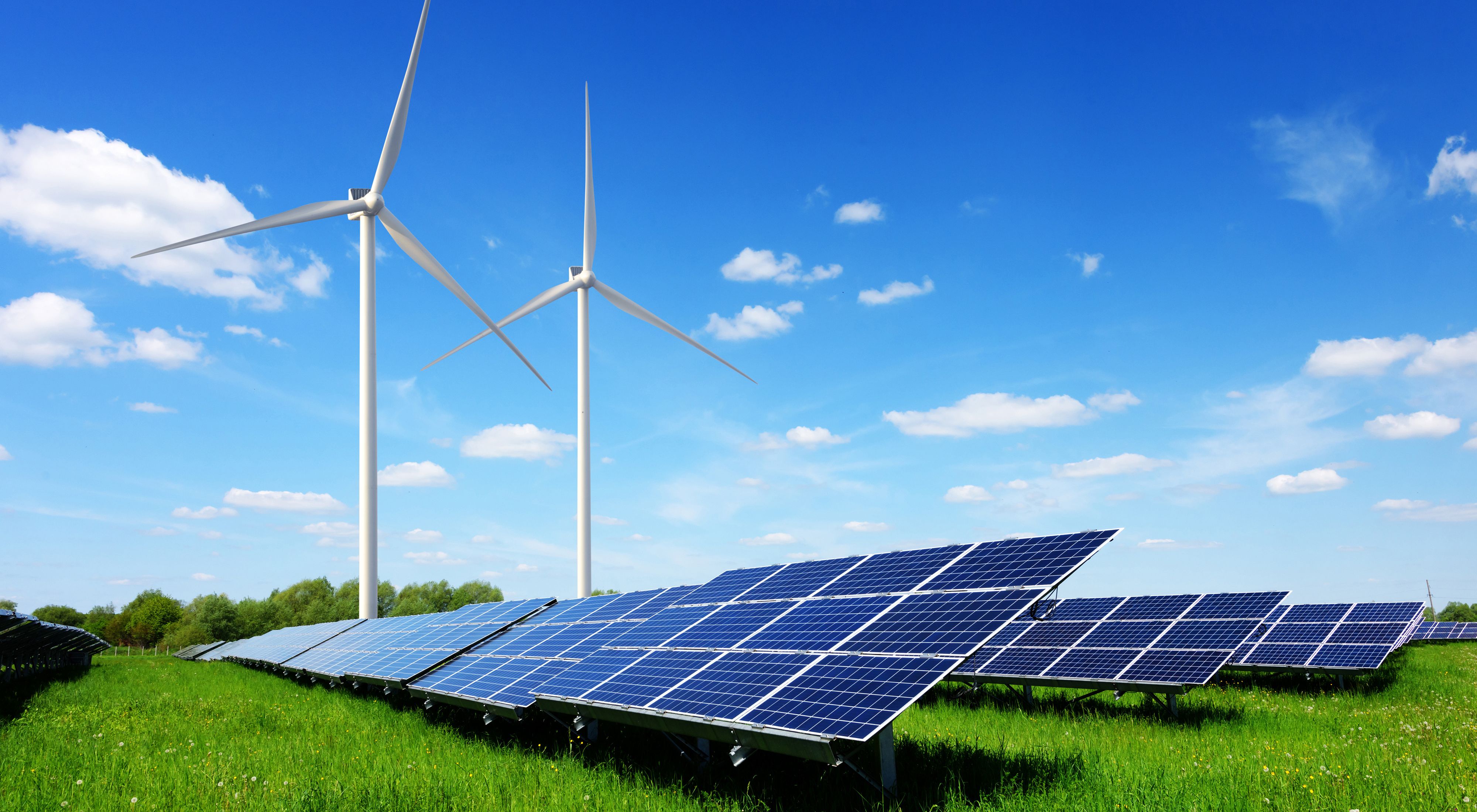
Reducing reliance on fossil fuels is central to mitigating global warming. Transitioning to renewable energy sources, such as solar, wind, and hydroelectric power, mitigates greenhouse gas emissions and supports sustainable long-term energy production. Many nations are progressively shifting their focus towards innovative renewable technologies, accompanied by policy incentives and subsidies to drive these changes.
Furthermore, integrating energy efficiency practices within industrial operations, transportation systems, and urban planning helps to reduce the overall carbon footprint of societies. Investing in research and development in clean energy technologies is also imperative to substitute high-emission energy sources with cleaner alternatives.
Enhancing Carbon Sinks and Reforestation
Another essential mitigation strategy includes the protection and restoration of natural environments that absorb carbon dioxide, such as forests, wetlands, and oceans. Reforestation and sustainable land management play a crucial role in sequestering carbon, thereby partially offsetting carbon emissions from other sources. Such natural sinks are vital for maintaining ecological balance and supporting biodiversity.
Adaptation Measures
Infrastructure and Urban Planning
As global warming continues to manifest, adapting to its inevitable impacts becomes a necessity. Urban planning that includes resilient infrastructure—improved drainage systems, robust building codes, and green spaces—can significantly reduce the harmful effects of flooding, heatwaves, and other climate-related disruptions. The design and retrofitting of existing structures to be more energy efficient also contribute to both mitigation and adaptation efforts.
Public Health and Community Preparedness
Public health initiatives must be overhauled to address the health impacts of a warming climate. This includes early warning systems for heatwaves, weather-related disasters, and disease outbreaks. Investment in healthcare infrastructure that is resilient to extreme weather events is critical, especially in regions most likely to experience severe impacts.
Equally important is community engagement and educational initiatives. Empowering local communities with the necessary knowledge and resources to implement adaptive strategies improves resilience against climate-induced challenges and fosters a proactive stance in facing global warming.
International Cooperation and Policy Frameworks
Global Treaties and Agreements
Addressing global warming transcends national borders, requiring coordinated international efforts. Global treaties, such as the Paris Agreement, emphasize collaborative actions to limit the global temperature rise to well below 2°C, ideally aiming for a 1.5°C limit. These agreements foster a framework in which countries commit to emission reductions, share technological innovations, and support sustainable development projects.
International cooperation is fundamental not only for emissions mitigation but also for supporting adaptation strategies in regions that might lack the financial and technological means to cope with climate impacts.
Economic Considerations and Technological Innovations
Economic Implications and Opportunities
Although global warming challenges economic stability, it also presents opportunities for innovation and growth. The shift towards a low-carbon economy often spurs investments in new technologies and industries. Green technology sectors, including renewable energy, energy storage, electric transportation, and sustainable agriculture, are rapidly expanding. These industries not only contribute to emission reductions but also create new jobs and stimulate economic development.
Equally, the rising costs associated with climate impacts—be it through destruction of infrastructure, loss of agricultural yields, or escalating healthcare expenses—make clear the economic advantages of proactive mitigation and adaptation. In a world increasingly aware of sustainability, financial markets are gradually shifting investment priorities towards environmentally responsible enterprises.
Technological Innovations Driving Change
Advances in Renewable Technologies
Technological advancements are at the forefront of both mitigating and adapting to global warming. Continuous innovations in solar panels, wind turbines, battery storage, and grid modernization have significantly improved the efficiency, reliability, and cost-effectiveness of renewable energy solutions. Moreover, smart grids and energy management systems optimize energy consumption and distribution, reducing waste and lowering overall carbon emissions.
Research in advanced materials and innovative energy storage systems is opening new avenues in energy efficiency. Additionally, the development of carbon capture and storage (CCS) technologies holds promise for mitigating residual emissions from industrial operations while supporting the transition to more sustainable industrial practices.
Digital Innovations and Climate Monitoring
Beyond energy-centric innovations, digital technologies play an increasingly important role in monitoring and responding to climate challenges. Satellite imagery, big data analytics, and machine learning aid in predicting weather events, monitoring environmental changes, and optimizing resource management. Real-time data collection and modeling enable governments and institutions to issue early warnings and manage disaster responses more effectively.
Balancing Mitigation, Adaptation, and Future Prospects
Interlinking Mitigation and Adaptation
A comprehensive response to global warming necessitates that mitigation and adaptation strategies work in tandem. While mitigation efforts aim to reduce the overall trajectory of global warming by targeting greenhouse gas emissions, adaptation measures ensure that communities and ecosystems are resilient to the changes that are already underway. This balanced approach is essential in the context of climate change—a multifaceted phenomenon with ecological, economic, and social dimensions.
As global policies continue to evolve and nations commit to sustainable practices, integrated planning becomes increasingly important. Long-term climate policies must be designed to achieve carbon neutrality, while simultaneously bolstering infrastructure, public health, and community resilience.
Prospects for a Sustainable Future
The pathway to a sustainable future in the face of global warming involves transformative changes in energy use, economic structures, and societal norms. Innovations across industries, combined with strong policy frameworks and international cooperation, offer hope to reverse or at least stabilize some of the dangerous trends associated with global warming.
This vision for the future is underpinned by the understanding that effective action today—through rapid innovation and a commitment to sustainability—can mitigate the worst effects of climate change. While the challenges are formidable, the collective efforts of scientists, policymakers, and communities worldwide underscore the potential to forge a resilient and equitable global society.
Conclusion
In summary, global warming is not merely an environmental concern. It is an urgent and complex threat that impacts human health, ecological systems, economies, and political stability on a global scale. The increasing intensity of extreme weather events, rising sea levels, and consequential shifts in ecosystem dynamics all point towards a pressing crisis demanding immediate action. With scientific consensus firmly establishing the link between human activities and climate change, the need for robust intervention—both in mitigation and adaptation—is undeniable.
Effective strategies to combat global warming include transitioning to renewable energy sources, enhancing energy efficiency, protecting and restoring natural carbon sinks, and enacting policies that support sustainable urban planning and public health adaptation. Simultaneously, the integration of technological innovations and international cooperation creates new prospects for economic growth in a low-carbon future.
Overall, the evidence is clear: global warming constitutes a real, multifaceted threat that demands sophisticated, coordinated global responses. The challenge is immense, but with informed action, it is possible to mitigate the worst impacts, safeguard vulnerable populations, and work collectively towards a sustainable and resilient future.
References
- Billions in Danger from Climate Change - NPR
- What Harm Will Global Warming Cause? - NOAA Climate.gov
- Consequences and Effects of Global Warming - NRDC
- A Degree of Concern: Why Global Temperatures Matter - NASA Science
- The Effects of Climate Change - NASA Science
- Global Warming 101 - NRDC
- Causes and Effects of Climate Change - United Nations
- Effects of Global Warming - National Geographic
- Consequences of Climate Change - European Commission
- Effects of Climate Change - WWF
- Impacts of Climate Change - US EPA
Recommended
Last updated February 20, 2025