
The Duality of Globalization: Unity and Identity Fragmentation in the Modern Era
Exploring the Paradoxical Impacts of Global Integration on Societal Cohesion and Individual Identity
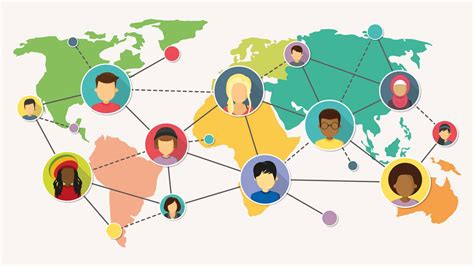
Key Takeaways
- Globalization fosters unprecedented unity through technological integration, economic interdependence, and cultural exchange.
- Simultaneously, it exacerbates identity crises by challenging traditional norms, promoting cultural homogenization, and fragmenting national identities.
- The reformation of identities under globalization leads to hybrid identities and glocalization, balancing global influences with local traditions.
Introduction
In the contemporary landscape, globalization stands as one of the most transformative forces, intricately weaving the social, economic, political, and cultural fabrics of societies worldwide. This phenomenon is characterized by its inherent duality: while it fosters unprecedented unity by connecting disparate regions and cultures, it simultaneously deepens identity crises by challenging and fragmenting traditional norms, values, and ways of life. This paradoxical nature of globalization—its capacity to unify and fragment in equal measure—forms the crux of this study, aiming to elucidate the intricate dynamics that govern modern identity formation in an increasingly interconnected world.
Globalization as a Unifying Force
Technological Integration
Technological advancements have been pivotal in dissolving geographical barriers, thereby fostering global unity. The proliferation of the internet, social media, and communication technologies has created a “global village,” where information, ideas, and cultures traverse borders with unprecedented speed and ease. This interconnectedness is evident in the formation of transnational communities that share common values and goals, exemplified by global movements such as #MeToo and Fridays for Future, which leverage social media platforms to mobilize support and drive collective action (Castells, 1996).
Economic Interdependence
The globalization of markets has woven national economies into a complex web of interdependence. This economic unity signifies a shared destiny, wherein events in one part of the world can have ripple effects globally. The COVID-19 pandemic serves as a stark illustration of this interconnectedness, highlighting the necessity of international cooperation in addressing global crises. Economic interdependence not only facilitates trade and investment but also promotes a sense of global solidarity as nations collaborate to achieve common economic and social objectives (Wang, 2025).
Cultural Exchange and Multiculturalism
Cultural exchange is a fundamental aspect of globalization, promoting multiculturalism and the blending of diverse traditions and practices. The cross-pollination of ideas, cuisines, languages, and artistic expressions enriches societies, fostering mutual understanding and appreciation of cultural diversity. Cities like New York, London, and Singapore exemplify multicultural hubs where divergent traditions coexist harmoniously, creating a vibrant mosaic of human experience. This cultural hybridity not only enhances social cohesion but also stimulates creativity and innovation by integrating diverse perspectives (Appadurai, 1990).
Global Governance and Collective Challenges
Addressing collective challenges such as climate change, public health crises, and cross-border terrorism necessitates global governance and collaborative efforts. Institutions like the United Nations play a crucial role in coordinating international responses, underscoring the importance of unity in tackling issues that transcend national boundaries. The global response to the COVID-19 pandemic, including the development and distribution of vaccines, exemplifies how collective action can address unprecedented challenges, reinforcing the interconnectedness of nations and their dependence on one another for survival and prosperity (Castells, 1996).
The Fragmenting Effects of Globalization on Identity
Cultural Homogenization vs. Local Identity
While globalization promotes cultural exchange, it also fosters cultural homogenization, often leading to the erosion of local traditions and identities. The pervasive influence of Western culture, disseminated through global media and consumer products, can overshadow indigenous cultures, resulting in the loss of cultural heritage and identity crises among affected populations. The concept of “McDonaldization,” introduced by sociologist George Ritzer, encapsulates how global standardization threatens diverse cultural practices by prioritizing efficiency, predictability, and control over cultural uniqueness (Castells, 1996).
Decentering the Nation-State
Globalization challenges the traditional notion of the nation-state by shifting focus from national sovereignty to supranational entities such as the European Union. This shift can lead to identity crises as individuals and communities navigate between national identities and broader, transnational affiliations. Events like Brexit illustrate the resistance to globalization, where segments of society seek to reassert national identity in opposition to perceived threats posed by global interconnectedness (Belamghari, 2025).
Glocalization and Hybrid Identities
The concept of glocalization reflects the simultaneous global and local influences on identity formation. Individuals and communities adopt hybrid identities that blend global cultural elements with local traditions, creating a dynamic interplay between global influences and local customs. This process can be empowering, allowing for greater cultural expression and adaptability, but it can also lead to ontological insecurity as individuals grapple with multiple, sometimes conflicting, identity codes (Pultar, 2025).
Ethnic and Religious Nationalism
In response to globalization’s homogenizing tendencies, there has been a resurgence of ethnic and religious nationalism. This resurgence represents a counter-movement aimed at preserving distinct cultural, ethnic, and religious identities in the face of globalizing pressures. Movements advocating for ethno-nationalism or radical religious adherence seek to maintain traditional identities, often resisting global cultural influences in favor of local or primordial affiliations (Castells, 1996).
Unequal Access to Globalization
The benefits of globalization are not distributed evenly, leading to feelings of marginalization and resentment among disadvantaged communities. Unequal access to globalization reinforces existing social and economic disparities, fostering identity divides between the global North and South. Marginalized groups often perceive globalization as a form of cultural imperialism or neo-colonialism, exacerbating identity crises and contributing to social fragmentation (Language in India, 2025).
Reformation and Fragmentation of Identities
Hybrid Identities
Globalization facilitates the formation of hybrid identities by allowing individuals to integrate diverse cultural influences into their self-concept. Diasporic communities, in particular, exemplify this phenomenon, as second-generation migrants blend aspects of their heritage cultures with those of their host nations. This synthesis creates a "third space" of identity that is neither wholly global nor exclusively local, reflecting the fluid and dynamic nature of identity in a globalized world (Appadurai, 1990).
Fragmentation of Collective Identity
The rise of individualism, propelled by globalization and consumer capitalism, fractures collective identities. As identities become increasingly shaped by personal choice and global networks rather than by communal or national affiliations, the sense of collective heritage diminishes. This shift towards "networked individualism," a term coined by Manuel Castells, highlights how personal identities are constructed through global connections, often at the expense of shared communal ties (Wang, 2025).
Cultural Memory and Conflict
The interplay between cultural memory and globalization-induced change often leads to identity conflicts. Traditional values and practices may clash with globalized ideologies, such as feminism or LGBTQ+ rights, resulting in resistance from cultural conservatives who view these movements as foreign impositions. This resistance underscores the tension between preserving cultural memory and adapting to global reformation, revealing the deep-seated identity struggles facilitated by globalization (Pultar, 2025).
Conclusion
Globalization embodies a complex paradox, simultaneously acting as a unifying force while exacerbating identity crises and fragmenting traditional structures. The interconnectedness it fosters through technological integration, economic interdependence, and cultural exchange creates a global village characterized by shared human experiences and collective endeavors. However, this same interconnectedness challenges and disrupts local identities, leading to cultural homogenization, the decentering of the nation-state, and the resurgence of ethnic and religious nationalism.
The reformation of identities in the globalized context results in hybrid identities and glocalization, where individuals navigate between global influences and local traditions. This fluidity offers opportunities for cultural enrichment and personal growth but also fosters ontological insecurity and identity conflicts as individuals and communities strive to reconcile multiple, often conflicting, identity codes.
Addressing the dual nature of globalization requires a nuanced understanding of its multi-dimensional impacts on identity formation. Policies and practices that promote inclusive identities, preserve cultural diversity, and ensure equitable access to globalization’s benefits can mitigate its fragmenting effects while enhancing its unifying potential. Ultimately, the challenge lies in harnessing the unifying aspects of globalization to build a cohesive global society that respects and celebrates cultural diversity, thereby navigating the complexities of identity in an interconnected world.
References
- Appadurai, Arjun. "Disjuncture and Difference in the Global Cultural Economy." The Global Cultural Economy, 1990, pp. 295-310. https://link.springer.com/chapter/10.1007/978-3-030-14370-1.
- Castells, Manuel. "The Rise of the Network Society." JSTOR, 1996. https://www.jstor.org/stable/23890668.
- Belamghari, Mohamed. “The Fragmentation of Identity Formation in the Age of Glocalization.” SAGE Journals, 2025. https://journals.sagepub.com/doi/full/10.1177/2158244020934877.
- Wang, He. “National Identity in the Era of Globalization: Crisis and Transformation.” Semantics Scholar, 2025. https://www.semanticscholar.org/paper/National-Identity-in-the-Era-of-Globalization%3A-and-Wang-He/73d0126e65181766837fe639a356b2e4b32013e5.
- Pultar, Gonül, ed. Imagined Identities: Identity Formation in the Age of Globalism. OpenEdition, 2025. https://journals.openedition.org/ejas/11177.
- Language in India. “[PDF] LANGUAGE IN INDIA.” 2025. http://www.languageinindia.com/dec2012/v12i12dec2012.pdf.
Last updated January 20, 2025