
Mastering Python Swiftly: Your Accelerated Learning Guide
Unlocking the Power of Python with Efficient Strategies
Python is a widely popular and versatile programming language, known for its readability and extensive applications across various domains, including web development, data science, machine learning, and automation. If you're looking to acquire Python skills efficiently, this guide outlines effective strategies and resources to help you learn Python quickly.
Key Takeaways for Fast Python Learning
- Embrace a Project-Based Approach: The most effective way to solidify your understanding and accelerate learning is by applying concepts to real-world projects.
- Consistency is Crucial: Dedicate consistent time to coding practice, even if it's for short periods daily, to reinforce knowledge and build momentum.
- Leverage Interactive Resources: Online platforms offering interactive tutorials and coding challenges provide hands-on experience that speeds up the learning process.
Why Learn Python? Its Versatility and Demand
Python's popularity stems from its ease of use and broad applicability. It's an excellent first language for beginners due to its clear syntax and a powerful asset for experienced programmers looking to expand their toolkit. Its uses range from creating web applications on servers to complex machine learning algorithms and data analysis.
The demand for Python skills is high in the job market, offering diverse career opportunities in fields like data science, machine learning, artificial intelligence, web development, and automation.
Core Areas Where Python Shines
- Web Development: Frameworks like Django and Flask make building web applications efficient.
- Data Science and Analysis: Libraries such as Pandas, NumPy, and SciPy are fundamental for data manipulation and analysis.
- Machine Learning and AI: TensorFlow, PyTorch, and Scikit-learn are powerful libraries driving innovation in this field.
- Automation and Scripting: Python's simplicity makes it ideal for automating repetitive tasks.
Accelerated Learning Strategies
While the time it takes to learn Python basics can vary, often just a few weeks with a focused approach, truly mastering it involves consistent practice and application. Here are strategies to learn Python fast and effectively:
Start with the Fundamentals
Begin by understanding the basic concepts of Python programming. This includes:
Setting up Your Environment
Before writing code, you need to install Python on your system. Many online platforms offer integrated development environments (IDEs) or interactive notebooks like Jupyter Notebook, which can simplify the setup process.
Basic Syntax and Data Types
Familiarize yourself with Python's syntax, including comments, variables, keywords, and operators. Learn about fundamental data types such as lists, tuples, sets, and dictionaries.
# This is a comment
x = 10          # Integer variable
name = "Ithy"   # String variable
is_python_fun = True # Boolean variable
my_list = [1, 2, 3] # List
my_dictionary = {"a": 1, "b": 2} # Dictionary
Control Flow and Functions
Understand how to control the flow of your programs using conditional statements (if, elif, else) and loops (for, while). Learn to define and use functions to organize your code.
def greet(name):
  return f"Hello, {name}!"

for i in range(5):
  print(i)
Learn by Doing: The Project-Based Approach
Applying what you learn to practical projects is arguably the fastest way to gain proficiency. Instead of just studying syntax, think about what you want to build and use Python to achieve it.
Build Small Projects Regularly
Start with simple projects and gradually increase their complexity. This could involve:
-
Writing a script to automate a simple task.
-
Creating a basic web scraper.
-
Building a simple game.
-
Analyzing a small dataset.
Working on projects forces you to encounter and solve real-world problems, reinforcing your understanding of concepts and libraries.
Consistent Practice and Problem Solving
Regular coding practice is non-negotiable for fast learning. Aim for daily coding sessions, even if they are short.
Solve Coding Challenges
Platforms like HackerRank, LeetCode, and Codewars offer coding challenges that help you practice your problem-solving skills and apply Python concepts in different scenarios.
Don't Be Afraid to Debug
Encountering errors is a natural part of programming. Learning to debug effectively is a crucial skill that will speed up your learning process in the long run.
Leverage High-Quality Resources
Many excellent resources are available, catering to different learning styles. Choose resources that are interactive and focus on practical application.
Interactive Online Tutorials and Courses
Platforms like DataCamp, Codecademy, and learnpython.org offer interactive coding environments where you can learn and practice directly in your browser. Many of these are designed to be fast-paced and hands-on.
Video Tutorials
YouTube is a great source for video tutorials that explain concepts visually. Look for courses designed for beginners or those focused on specific topics you want to learn quickly.
Here is a relevant video that provides a fast-paced introduction to Python:
Learn Python in ~75 Minutes
Documentation and Books
While tutorials are great for getting started, the official Python documentation is an invaluable resource for in-depth information. Books like "Think Python" or "Automate the Boring Stuff with Python" offer structured learning paths.
Focus on Core Libraries for Your Goals
Python has a vast ecosystem of libraries. Once you have a grasp of the basics, focus on learning the libraries most relevant to your interests (e.g., Pandas for data analysis, Django for web development).
Comparison of Learning Resources
Choosing the right resources can significantly impact how quickly you learn. Here's a comparison of different types of resources:
| Resource Type | Pros for Fast Learning | Cons for Fast Learning |
|---|---|---|
| Interactive Online Platforms (Codecademy, DataCamp) | Hands-on coding, immediate feedback, structured paths. | Can sometimes lack in-depth theoretical explanations. |
| Video Tutorials (YouTube) | Visual explanations, can be paused and rewatched, often project-based. | May require setting up your own environment, quality varies. |
| Official Documentation (Python.org) | Comprehensive and accurate information, covers all features. | Can be overwhelming for absolute beginners, less interactive. |
| Books | Structured and in-depth learning, good for foundational knowledge. | Less interactive, can be slower than hands-on methods. |
| Coding Bootcamps | Intensive, structured learning, career focused. | Significant time and financial investment. |
Comparing different learning resources for Python.
Coding bootcamps, while a significant investment, are designed for rapid skill acquisition and career transition.
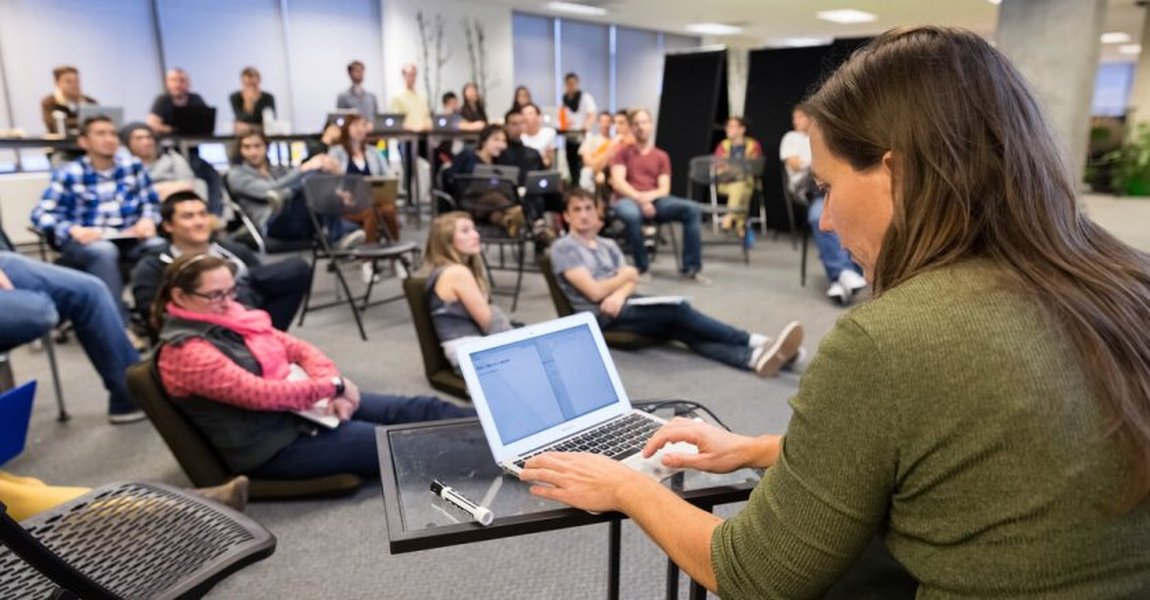
Coding bootcamps offer intensive learning experiences.
Maintaining Momentum and Advanced Topics
Once you have a solid understanding of the basics, continue to challenge yourself and explore more advanced topics relevant to your goals.
Deep Dive into Specific Areas
Whether it's mastering data structures and algorithms, exploring object-oriented programming in depth, or diving into concurrent programming, focus on areas that will enhance your abilities for the type of projects you want to pursue.
Learning about Classes and Objects
Understanding object-oriented programming (OOP) is essential for writing more complex and maintainable Python code. Learn how to define classes, create objects, and utilize concepts like inheritance and polymorphism.
class Dog:
  def __init__(self, name):
    self.name = name

  def bark(self):
    return "Woof!"

my_dog = Dog("Buddy")
print(my_dog.bark())
Working with Files and Databases
Learn how to read from and write to files, and how to interact with databases like MySQL or MongoDB using Python libraries.
Exploring Advanced Libraries
Depending on your interests, delve into libraries for web development (Flask, Django), data analysis (Pandas, NumPy), or machine learning (Scikit-learn, TensorFlow, PyTorch).
Continuous Learning
The world of programming is constantly evolving. Stay updated with new Python features, libraries, and best practices. Engage with the Python community through forums, meetups, and online groups.
Frequently Asked Questions (FAQ)
How long does it take to learn Python fast?
Learning the basics of Python can take a few weeks with dedicated, consistent effort. However, becoming proficient and mastering specific domains within Python takes more time and continuous practice.
What is the best way to learn Python quickly?
A combination of interactive online tutorials, consistent hands-on coding through projects and challenges, and focusing on understanding core concepts rather than just syntax is generally considered the fastest way to learn Python effectively.
Do I need prior programming experience to learn Python fast?
While prior programming experience can help, Python is known for its readability and is often recommended as a first language for beginners. Its intuitive syntax makes it accessible even without a programming background.
Should I focus on theory or practice when learning Python fast?
A balance is important, but leaning towards hands-on practice and applying concepts through projects will significantly accelerate your learning and retention compared to solely focusing on theoretical knowledge.
References
Last updated May 5, 2025