
Unveiling the Hidden Intelligence: A Deep Dive into Embedded Systems
Exploring the specialized computing devices that power our modern world, from smartwatches to spacecraft.

- 1.Key Insights into Embedded Systems
- 2.Defining the Core: What Exactly is an Embedded System?
- 3.A Journey Through Time: The Historical Tapestry of Embedded Systems
- 4.The Pervasive Reach: Application Areas of Embedded Systems
- 5.Dissecting the DNA: Characteristics and Attributes of Embedded Systems
- 6.The Architectural Landscape: Components of an Embedded System
- 7.The Economic and Social Impact of Embedded Systems
- 8.Comparing Embedded Systems to General-Purpose Computers
- 9.Frequently Asked Questions About Embedded Systems
- 10.Conclusion: The Unseen Force Driving Innovation
- 11.Recommended Further Exploration
- 12.Referenced Search Results
Key Insights into Embedded Systems
- Dedicated Functionality is Paramount: Unlike general-purpose computers, embedded systems are meticulously crafted for a specific set of tasks, optimizing their performance and resource utilization for that singular purpose.
- Historical Evolution from Military to Ubiquity: Originating in complex military and space applications like the Minuteman missile and Apollo Guidance Computer, embedded systems have evolved to become indispensable components in almost every modern device, driven by advancements in microprocessors.
- Real-time Responsiveness and Reliability: A defining characteristic is their ability to operate under strict timing constraints, often responding to external events instantaneously, coupled with a high degree of reliability crucial for critical applications.
Defining the Core: What Exactly is an Embedded System?
An embedded system is a specialized computer system meticulously engineered to execute a dedicated function within a larger mechanical or electrical construct. This sophisticated integration of hardware and software/firmware is optimized for its specific role, frequently operating under stringent real-time constraints while contending with limited processing power, memory, and energy resources. Fundamentally, embedded systems diverge from general-purpose computers like personal computers or laptops because their design is purpose-built for specialized tasks, emphasizing reliability, efficiency, and deterministic performance rather than broad versatility.
These systems act as the silent workhorses behind countless modern technologies, bridging the digital and physical domains. They are not merely components but often the "brains" that enable devices to interact with their environment, process data, and execute pre-programmed instructions with precision and autonomy.
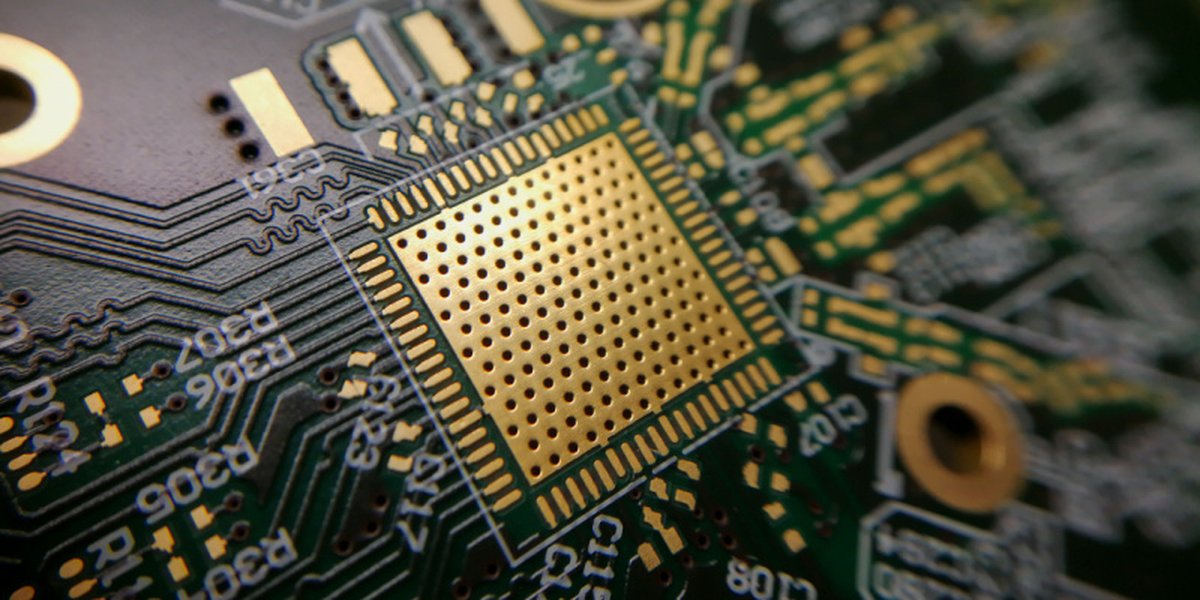
An illustration depicting the interconnected components within an embedded system, highlighting its integrated nature.
A Journey Through Time: The Historical Tapestry of Embedded Systems
The concept of embedding computing capabilities into other systems dates back several decades, marking a fascinating evolution from rudimentary control mechanisms to highly sophisticated integrated platforms. The genesis of embedded systems is rooted in critical, high-stakes applications.
Early Pioneers: Military and Space Endeavors
The early 1960s saw the emergence of some of the first recognizable embedded systems. A notable example is the Autonetics D-17 guidance computer, deployed in the Minuteman missile around 1961. This marked one of the earliest instances of a mass-produced embedded computer, showcasing the potential for dedicated, specialized computational units.
Perhaps even more iconic is the Apollo Guidance Computer (AGC), developed by MIT for NASA's Apollo Program in 1965. The AGC was a monumental achievement, providing essential navigation and control for the Apollo missions, operating under extreme constraints of size, weight, and power. Its development laid crucial groundwork for future embedded system architectures.
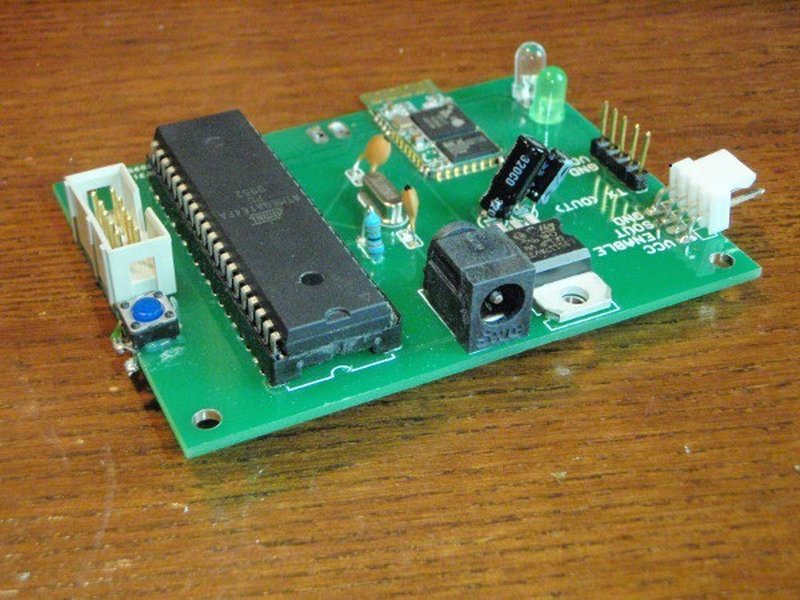
An example of a circuit board, reminiscent of early embedded systems, demonstrating compact electronic integration.
The Microprocessor Revolution and Widespread Adoption
The landscape of embedded systems truly transformed with the advent of the microprocessor. In 1971, Intel introduced the Intel 4004, the first commercial single-chip microprocessor. This innovation dramatically reduced the size, cost, and complexity of computing elements, paving the way for their integration into a broader range of devices. By the 1980s, the introduction of single-chip microcontrollers further democratized embedded technology, integrating CPU, memory, and I/O peripherals onto a single chip.
Automotive applications also saw early embedded system integration, with the Volkswagen 1600 in 1968 featuring an early electronic fuel injection system. These milestones illustrate a clear trajectory: from specialized military and space applications, embedded systems progressively infiltrated industries like automotive and consumer electronics, setting the stage for their ubiquitous presence today.
The Pervasive Reach: Application Areas of Embedded Systems
Embedded systems are virtually invisible yet indispensable, permeating nearly every facet of modern life. Their specialized nature makes them ideal for tasks ranging from the mundane to the mission-critical across a vast array of industries. Here’s a detailed look at their prominent application areas:
Consumer Electronics and Smart Devices
- Personal Devices: Smartphones, smartwatches, fitness trackers, and MP3 players rely heavily on embedded systems for their core functionalities, managing everything from user interfaces to sensor data.
- Home Appliances: Modern washing machines, refrigerators, microwave ovens, and smart TVs integrate embedded systems for control, automation, and intelligent features.
- Entertainment Systems: Gaming consoles and digital cameras are prime examples, leveraging embedded processing for graphics rendering, input handling, and overall system management.
Automotive Industry
- Engine Control Units (ECUs): These are perhaps the most critical embedded systems in a car, managing fuel injection, ignition, and emission control for optimal performance and efficiency.
- Safety Features: Anti-lock braking systems (ABS), airbags, electronic stability control (ESC), and advanced driver-assistance systems (ADAS) like adaptive cruise control and lane-keeping assist are all powered by sophisticated embedded systems.
- Infotainment and Navigation: Modern car dashboards feature complex embedded systems for multimedia, GPS navigation, and connectivity.
Healthcare and Medical Devices
- Implantable Devices: Pacemakers, defibrillators, and insulin pumps are life-sustaining devices that use embedded systems to monitor bodily functions and deliver precise therapies.
- Diagnostic Equipment: Medical imaging systems (MRI, CT scanners), glucometers, and pulse oximeters rely on embedded technology for data acquisition, processing, and display.
- Patient Monitoring: Devices that continuously track vital signs in hospitals and homes are sophisticated embedded systems designed for reliability and accuracy.
Industrial Automation and Manufacturing
- Factory Robots: Embedded systems provide the precision control and coordination necessary for automated manufacturing processes.
- Industrial Controllers (PLCs): Programmable Logic Controllers are robust embedded systems used to automate industrial processes and machinery.
- Smart Manufacturing & Industry 4.0: From sensor networks to advanced analytics in smart factories, embedded systems facilitate interconnectedness and intelligent decision-making.
Transportation and Infrastructure
- Traffic Management: Traffic light controllers and intelligent transportation systems use embedded systems to optimize traffic flow and respond to real-time conditions.
- Avionics: Aircraft control systems, navigation, and communication systems are highly critical embedded applications demanding extreme reliability and real-time performance.
- Public Transit: Fare collection systems and train control mechanisms rely on embedded computing.
Other Diverse Applications
- Financial Services: Automated Teller Machines (ATMs) are complex embedded systems handling transactions and security.
- Retail: Point-of-sale (POS) terminals and inventory management systems utilize embedded technology.
- Security: Surveillance cameras, access control systems, and bodycams are common embedded applications.
The YouTube video below provides a visual overview of some key applications of embedded systems, further illustrating their diverse deployment across various sectors:
A visual exploration of the various domains where embedded systems are actively deployed, highlighting their extensive reach.
Dissecting the DNA: Characteristics and Attributes of Embedded Systems
The defining traits of embedded systems set them apart from general-purpose computing devices. These characteristics stem from their purpose-built nature and the specific environments in which they operate.
Function-Specific Design
One of the foremost attributes is their design for a specific function or a limited set of dedicated tasks. Unlike a personal computer that can run a multitude of applications, an embedded system is optimized for its singular purpose. This specialization allows for highly efficient resource utilization and tailored performance.
Real-Time Operation and Deterministic Behavior
Many embedded systems are required to be real-time, meaning they must respond to events and inputs within strict, predetermined time constraints. A delay, even a slight one, could lead to system failure or critical consequences, particularly in safety-critical applications like medical devices or automotive control. This often necessitates deterministic behavior, where the system's response time is predictable under all operating conditions.
Resource Constraints and Efficiency
Embedded systems typically operate within significant resource constraints. This includes limited processing power, restricted memory (RAM and storage), and often, stringent energy availability, especially in battery-powered or portable devices. Consequently, these systems are designed for extreme efficiency and performance, extracting maximum utility from minimal resources.
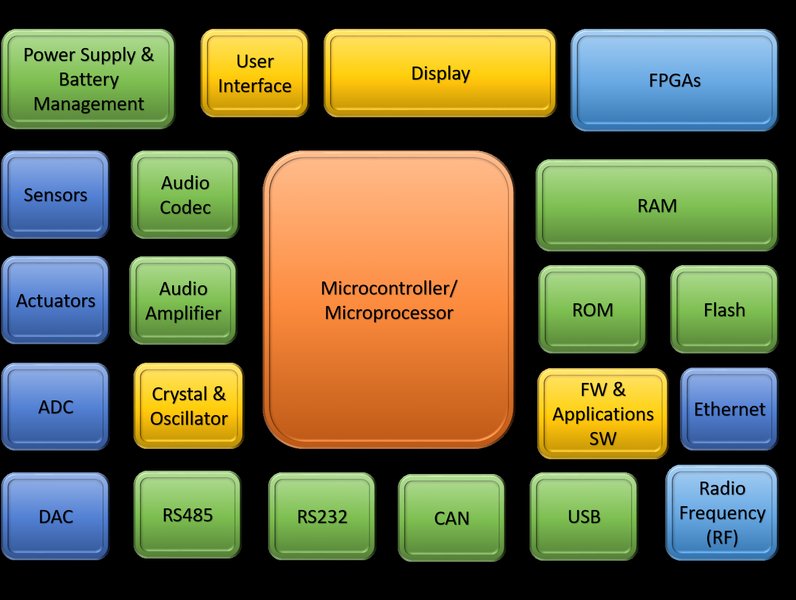
An architectural diagram illustrating the hardware components typically found within an embedded system, emphasizing their interconnectedness.
High Reliability and Stability
Given their often critical roles, embedded systems are engineered for high reliability and stability. Failures can have serious implications, ranging from inconvenience to life-threatening situations. Therefore, robust design, rigorous testing, and fault-tolerant mechanisms are paramount. They are designed for continuous, often unattended operation over long periods.
Compact Size and Integration
To fit seamlessly into larger devices, embedded systems are frequently characterized by their compact size. This small form factor facilitates their integration into a wide range of products without adding bulk. The tight integration of hardware and software/firmware is a hallmark, where both are optimized in tandem for the specific application.
Minimal User Interface and Less Human Intervention
Many embedded systems operate autonomously, requiring minimal or no direct user interface. They perform their tasks in the background, often interacting with sensors and actuators rather than human operators. This design philosophy emphasizes automation and reduced human involvement.
This radar chart vividly contrasts the key attributes of typical embedded systems against those of general-purpose computers, illustrating the specialized nature of embedded designs. While embedded systems excel in specific functionality, real-time operation, resource efficiency, reliability, and compact size, general-purpose computers offer broader usability and more extensive user interfaces.
The Architectural Landscape: Components of an Embedded System
An embedded system is a meticulously orchestrated combination of hardware and software, working in concert to achieve its dedicated function. Understanding its core components is crucial to grasping its operational principles.
Hardware Elements
The hardware forms the physical foundation of the embedded system, providing the necessary computational power, memory, and interfaces for interaction with the physical world.
- Microprocessor or Microcontroller: This is the brain of the system.
- A microprocessor (like those in PCs, but often simpler for embedded use) requires external memory and peripherals.
- A microcontroller (MCU) integrates the CPU, memory (RAM, ROM, Flash), and I/O peripherals onto a single chip, making it highly compact and cost-effective for embedded applications.
- Memory: Essential for storing programs and data.
- RAM (Random Access Memory): For temporary data storage during operation.
- ROM/Flash Memory: For storing the embedded software (firmware) permanently.
- Peripherals and I/O Ports: These enable the system to interact with its environment.
- Sensors: Convert physical phenomena (temperature, pressure, light) into electrical signals that the system can process.
- Actuators: Convert electrical signals from the system into physical actions (motor movement, light illumination, valve control).
- Communication Interfaces: Such as UART, SPI, I2C, USB, Ethernet, Wi-Fi, and Bluetooth for connecting with other devices or networks.
- Timers and Counters: For precise timing and event counting, crucial for real-time operations.
- Power Supply: Provides the necessary electrical energy for all components, often optimized for low power consumption.
Software Elements
The software dictates the behavior and functionality of the embedded system, ranging from low-level code that directly interacts with hardware to higher-level application logic.
- Firmware: This is the core software that is permanently stored in the system's non-volatile memory. It's often written in low-level languages like C or Assembly for direct hardware control and efficiency.
- Operating System (OS) / Real-Time Operating System (RTOS):
- A standard OS might be used in more complex embedded systems (e.g., Linux for embedded devices).
- A Real-Time Operating System (RTOS) is specifically designed for real-time constraints, ensuring tasks are completed within precise deadlines, critical for safety-critical and high-performance embedded applications.
- Application Software: This consists of the specific programs that perform the dedicated tasks for which the embedded system was designed. It utilizes the underlying firmware and OS services to execute its functions.
- Device Drivers: Software components that allow the operating system and application software to communicate with specific hardware peripherals.
The synergy between these hardware and software components allows an embedded system to perform its specialized role with precision, efficiency, and reliability.
This mindmap visually organizes the core concepts of embedded systems, from their fundamental definition and historical progression to their diverse applications, key characteristics, and essential hardware and software components.
The Economic and Social Impact of Embedded Systems
The proliferation of embedded systems has had a profound impact on various aspects of our economy and daily lives. Their ability to automate tasks, enhance efficiency, and provide specialized control has driven innovation and created entirely new industries.
Economic Drivers
- Cost Reduction: By automating processes and optimizing resource use, embedded systems contribute to significant cost savings in manufacturing, energy consumption, and labor.
- Market Expansion: The development of smart devices, IoT ecosystems, and advanced automotive features has opened up vast new markets and created numerous job opportunities in design, development, and maintenance.
- Increased Productivity: In industrial settings, embedded systems in factory automation and robotics have dramatically increased production efficiency and output.
Societal Benefits
- Enhanced Safety: Critical embedded systems in healthcare (pacemakers, diagnostic tools) and automotive (airbags, ABS) have directly saved lives and improved public safety.
- Improved Quality of Life: From smart home devices that enhance convenience to wearable technology that monitors health, embedded systems contribute to a more comfortable and connected lifestyle.
- Environmental Impact: Embedded systems play a role in energy management, optimizing power consumption in devices and buildings, and contributing to greener technologies.
This bar chart illustrates the multifaceted impact of embedded systems on various economic and societal aspects, emphasizing their significant contributions to safety, efficiency, market growth, cost management, and user convenience.
Comparing Embedded Systems to General-Purpose Computers
While both embedded systems and general-purpose computers are computational devices, their fundamental design philosophies, objectives, and operational contexts are vastly different. The table below highlights these distinctions.
| Feature | Embedded System | General-Purpose Computer |
|---|---|---|
| Purpose | Dedicated to a specific function or set of tasks within a larger system. | Designed for a wide variety of tasks and applications. |
| Flexibility | Low; highly specialized and optimized for its intended use. | High; user can install diverse software for different purposes. |
| Resource Constraints | Typically operates with limited processing power, memory, and energy. | Designed with ample resources (CPU, RAM, storage) for broad use. |
| Real-Time Operation | Often critical; requires strict adherence to timing constraints. | Usually non-real-time; delays are generally acceptable. |
| User Interface | Minimal or no direct user interface; operates autonomously. | Rich graphical user interfaces (GUI), keyboards, mice, displays. |
| Reliability | High; critical for continuous, often safety-sensitive operations. | Important, but failures typically less catastrophic than in critical embedded systems. |
| Cost | Often low unit cost due to optimization and mass production. | Higher unit cost due to complexity and broad capabilities. |
| Power Consumption | Optimized for low power consumption. | Generally higher power consumption. |
| Operating System | Often uses an RTOS (Real-Time OS) or no OS; sometimes embedded Linux. | Complex operating systems like Windows, macOS, Linux. |
This table succinctly outlines the fundamental differences between embedded systems and general-purpose computers, clarifying their distinct roles and design considerations.
Frequently Asked Questions About Embedded Systems
What is the primary difference between a microcontroller and a microprocessor in embedded systems?
Why is "real-time operation" so crucial for many embedded systems?
Can an embedded system be updated or reprogrammed after deployment?
Are all embedded systems part of the Internet of Things (IoT)?
Conclusion: The Unseen Force Driving Innovation
Embedded systems, often operating silently in the background, are the unseen forces that power our modern technological landscape. From their humble beginnings in critical military and space applications, they have evolved into ubiquitous components, touching nearly every aspect of daily life. Their defining characteristics—dedicated functionality, real-time operation, resource efficiency, and high reliability—underscore their importance in devices ranging from consumer electronics to life-saving medical equipment. As technology continues to advance, the sophistication and pervasiveness of embedded systems will only grow, further blurring the lines between the digital and physical worlds and driving continuous innovation across all industries.
Recommended Further Exploration
- What is the future outlook for embedded systems, particularly with AI integration?
- What are the primary challenges faced in embedded system design and development?
- How do Real-Time Operating Systems (RTOS) function in critical embedded applications?
- What are the major security concerns and mitigation strategies for embedded systems?