
Historical Incidents of Israeli Attacks on US Armed Forces
A detailed examination of controversial military incidents
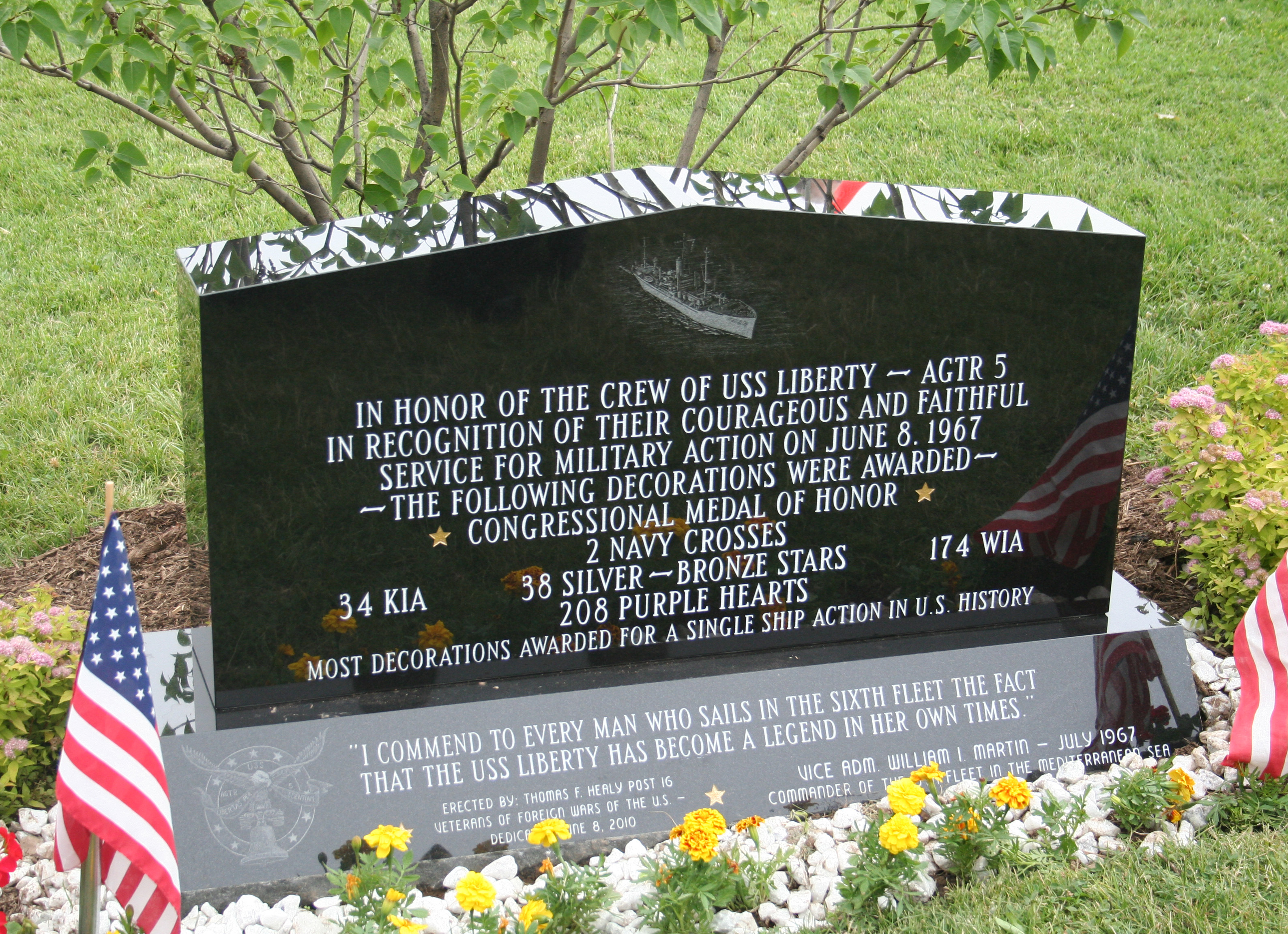
Highlights
- The USS Liberty Incident remains the primary and most discussed event.
- Controversies continue regarding the intent and circumstances surrounding the attack.
- Historical analysis highlights incident investigations and differing interpretations.
Overview
The relationship between international military forces sometimes gives rise to incidents that are subject to intense debate and analysis. One such event is the attack on the USS Liberty during the Six-Day War in 1967. This incident has been at the center of discussions regarding misidentification, mistakes in intelligence, and intentional targeting. While questions continue to be raised by military analysts and historians alike, this incident stands as the primary case where Israel’s military actions directly affected US armed forces.
Detailed Analysis of the USS Liberty Incident
The USS Liberty incident occurred on June 8, 1967, during the broader context of the Six-Day War, a period characterized by rapid military engagements in the Middle East. The USS Liberty was operating as a technical research ship gathering signals intelligence in international waters off the Sinai Peninsula. Historical accounts indicate that both air and naval assets were involved in this tragic encounter.
Background and Context
International Tensions of the Era
The mid-1960s were a period of significant geopolitical tension in the Middle East. The Six-Day War, which spanned from June 5 to June 10, 1967, was a major conflict involving Israel and several neighboring Arab states. In this volatile environment, intelligence and communication failures created opportunities for misinterpretation. The USS Liberty was on a standard mission, monitoring enemy communications and contributing to strategic US intelligence efforts during a critical moment in the conflict.
Events Leading Up to the Incident
Prior to the attack, the USS Liberty had been tasked with gathering sensitive information in what was considered a dangerous operational theater. The rapid evolution of military situations during the war meant that situational awareness was continuously challenged by uncertainties in identification and reconnaissance. Although detailed operational procedures were in place, the chaotic nature of the war contributed to a situation in which a series of miscommunications and poor identification protocols could arise.
Sequence of the Attack
Air and Naval Engagements
On the morning of June 8, 1967, the USS Liberty was located in international waters when Israeli fighter aircraft and torpedo boats initiated an abrupt attack. Both aerial and surface units engaged the ship, leading to significant casualties among the crew. The initial reports indicated an unexpected onboard explosion that was quickly followed by sustained fire from multiple platforms. In the ensuing chaos, 34 United States servicemen lost their lives, and nearly 171 others were injured.
Impact on US Forces
The attack on the USS Liberty starkly highlighted the risks faced by military vessels operating in contested regions. American naval strategy was built on clearly defined communication channels and identification protocols, which under these circumstances failed. The loss of life and the extent of the physical damage fueled a prolonged debate about the accountability of the involved parties and the overall intent behind the assault.
Investigations and Controversies
Official Investigations
In the aftermath of the incident, multiple investigations were carried out by both the United States and Israel. These investigations sought to determine whether the attack was the result of genuine misidentification or if it was a deliberate act. Despite the Israeli government's claim that the attack was a tragic case of mistaken identity, several US military and intelligence officials have voiced criticisms of that narrative. The official investigations revealed a complex mix of errors in communication, evolving wartime realities, and ambiguity in target recognition.
Debate Over Intent
Questions relating to the true intent behind the attack have persisted for decades. There is a faction of researchers and military analysts who argue that the mishap was not entirely accidental. They assert that given the heightened state of alert and the regional military strategies at the time, a more targeted approach may have been feasible. However, other experts emphasize that the intense pace of wartime operations, coupled with technological limitations of reconnaissance and identification, contributed to a high probability of error, rather than premeditated hostility.
Long-Term Effects on Military Protocols
The USS Liberty incident prompted significant changes in military protocols and communications during active conflicts. As nations learned from the incident, adjustments were made to enhance identification, improve rules of engagement, and refine command-and-control structures designed to prevent similar occurrences in the future. Procedures now involve multi-layered verification systems and greater inter-agency communication, particularly in regions of high military activity.
Comparative Insights and Historical Legacy
Impact on US-Israel Relations
The ramifications of the USS Liberty incident have resonated beyond the battlefield—impacting diplomatic and military relations between the United States and Israel. While the long-term alliance between the two nations continued to grow, the incident is frequently revisited in discussions about military cooperation and strategic trust. Debate in political and military circles has sometimes overshadowed the overall security strategy that both countries endorse. Nonetheless, the incident is often cited as a case study in the importance of stringent target identification and the complexities of collaborative defense in a contested strategic environment.
Lessons Learned From the Incident
The analysis of the USS Liberty incident has instigated a number of important lessons. Firstly, it underscores the necessity of thorough verification procedures when dealing with unidentified or potentially hostile entities. Furthermore, it emphasizes the requirement for robust communication channels among allied forces, even in situations where allies are expected to share common objectives. Finally, the incident compelled military establishments to re-examine their approach to intelligence gathering and the natural pitfalls that exist when performing such highly specialized tasks under war conditions.
Public Perception and Media Coverage
Media coverage of the USS Liberty incident has contributed significantly to public perception and historical understanding of military engagements. Initial reporting in the wake of the attack was marked by shock and outrage due to the loss of American lives. Over the years, developments in declassified documents and open investigations have led to an evolving narrative. This narrative encompasses both the view of an accidental miscommunication and the interpretation of a potential error with larger strategic implications. Academic forums and military symposiums continue to analyze the event as part of a broader discussion on the importance of precision in military operations, especially under conditions of rapid conflict.
Summary Table of the USS Liberty Incident
| Aspect | Description |
|---|---|
| Date | June 8, 1967 |
| Location | International waters off the Sinai Peninsula |
| Involved Forces | Israeli Air Force and Torpedo Boats versus US Navy (USS Liberty) |
| Casualties | 34 American service members killed; ~171 injured |
| Context | Occurs during the Six-Day War; amid heightened military tensions |
| Key Controversy | Dispute over whether the attack was a result of mistaken identity or intentional action |
Broader Implications and Continuing Discussions
Although the USS Liberty incident stands as the most acknowledged event in which US armed forces were attacked, it has prompted wider discussions about military engagement rules and international cooperation. The lessons drawn from this unsolved controversy continue to influence how military alliances plan and execute joint operations today. Analysts continue to stress that communications failures during wartime—especially when multiple nations operate in close proximity—can have severe consequences. Consequently, the incident has informed the training and operational protocols of armed forces around the world, ensuring a higher degree of caution in mixed-nationality operational theaters.
Lessons for Future Collaborative Military Operations
Improvements in Communication and Coordination
The primary lesson derived from the USS Liberty incident is the urgent need for enhanced communication and coordination. Modern military forces now incorporate real-time data sharing and cross-agency communication networks to swiftly verify identities and intentions. This heightened level of coordination is critical when operating in geographically and politically sensitive areas, where misidentification can lead to unnecessary and tragic losses.
Integration of Technological Advances
Technological advancements have also played a pivotal role in addressing issues related to situational awareness and target validation. Innovations such as advanced radar systems, automated identification systems, and satellite communications have greatly reduced the likelihood of similar incidents occurring in modern warfare. These technologies contribute to a more secure operational environment by bridging gaps that were prevalent during earlier conflicts.
Ongoing Diplomatic Relationships
Despite the controversies associated with the USS Liberty incident, it is important to note that the long-standing strategic relationship between the United States and Israel has continued to evolve. Diplomatic efforts have often focused on ensuring that both nations benefit from a transparent and cooperative military partnership. This incident, while controversial, has become a reminder of the complex interactions that can occur even among allied forces. In diplomatic dialogues, the emphasis remains on learning from past mistakes to build stronger and more resilient structures for future conflict resolution and defense collaboration.
Historical Context and Interpretations
Over the years, varying interpretations of the USS Liberty incident have surfaced, reflecting the differing perspectives of military officials, historians, and political analysts. Some interpretations suggest that the attack was the result of a series of missteps in identification procedures—an unintentional tragedy born out of the genuine confusion prevalent during the Six-Day War. Others have argued for a more critical view, indicating that a deliberate attack might have been feasible given the situation and tactical decisions made at the time.
Implications for International Military Policy
Reviewing Rules of Engagement
The incident has significantly impacted the formulation and revision of rules of engagement for multinational military operations. By scrutinizing the events and decisions made during the USS Liberty attack, military advisers and policymakers have become more vigilant in their approach to engagement rules. The incident is often cited in training modules as an example of what can go wrong when identification protocols break down amid complex operational circumstances.
Enhancing Intelligence Sharing Protocols
In addition, the episode has led to an increased emphasis on intelligence sharing among allied forces. Enhanced protocols now emphasize real-time communication and verified intelligence data sharing, thereby reducing reliance on assumptions. This heightened operational transparency ensures that allied forces have a unified understanding of ongoing military maneuvers, particularly in areas where multiple actors are present.
Concluding Thoughts and Final Analysis
The USS Liberty incident is the predominant event by which Israel’s military actions have directly affected US armed forces. Despite the passage of decades, the ramifications of this incidence remain deeply embedded in military history and continue to influence the policies adopted by armed services worldwide. Critically, the event reminds military strategists and allies alike of the challenging dynamics of modern warfare – where split-second decisions, communication deficiencies, and misidentifications can lead to significant loss of life.
Furthermore, the analytical evaluations conducted in the aftermath have led to substantial improvements in military protocols. These improvements include extensive revisions in how forces identify and verify targets, heightened technological surveillance, and refined procedures for inter-force communication in conflict zones. While debates concerning whether the attack was a tragic mistake or an intentionally misguided action prevail, what remains undeniable is the lasting impact this incident has had on modern military and diplomatic practices.
It is important to note that while some external references loosely mention additional military-related confrontations in broader regional contexts, the established record of a direct attack on US armed forces by Israeli military elements remains confined to the USS Liberty incident. This reality further reinforces that any historical account must consider the spectrum of evidence and testimonies available from that time, ensuring that lessons learned continue to guide future operational planning and military diplomacy.
Conclusion and Final Thoughts
The analysis of historical military engagements reveals that among the recorded incidents, the USS Liberty attack during the Six-Day War of 1967 is the singular, well-documented case of Israeli forces engaging and attacking US armed forces. The multifaceted discussions surrounding this tragic event underscore not only the complexities of wartime communication but also highlight the transformational changes in military engagement protocols that followed. This incident has left an enduring legacy on international military strategy, demonstrating the critical importance of robust identification mechanisms, coordinated intelligence sharing, and adaptive diplomatic dialogue. The lessons observed from this analysis continue to serve as a reference point for modern military operations where operational clarity and inter-agency trust are paramount. As historical interpretations evolve and technological advancements further smoothen military cooperative mechanisms, it remains essential for military historians, strategists, and policymakers to reflect on such pivotal events to ensure that the challenges of the past inform the security dynamics of the future.
References
- USS Liberty Incident - Britannica
- USS Liberty Incident Documents - U.S. Department of State
- USS Liberty Incident - Wikipedia
Recommended Related Queries
Last updated February 21, 2025