
Workflow Design for Two Letta Agents
Orchestrating Data Collection, Image Analysis, and Filesystem Manipulation
Key Takeaways
- Agent Collaboration: Two Letta agents will work in tandem, with one collecting and analyzing data and the other manipulating the filesystem.
- Data-Driven Manipulation: The filesystem modifications will be based on real-time data about people's movement and image analysis.
- Autonomous Execution: The workflow will run autonomously for four days, aiming to crash the filesystem through continuous modifications.
Workflow Overview
This workflow involves two Letta agents working collaboratively over a four-day period. Agent 1 focuses on gathering and analyzing data related to people's movement within a specified zone and processing a generated image. This information is then passed to Agent 2, which uses it to modify the filesystem, with the goal of inducing a crash. The entire process is designed to run autonomously for the specified duration.
Agent 1: Data Collection and Analysis
Agent 1 is responsible for monitoring and analyzing the movement of people entering a defined zone. It also processes a generated image to extract relevant information. The agent's tasks include:
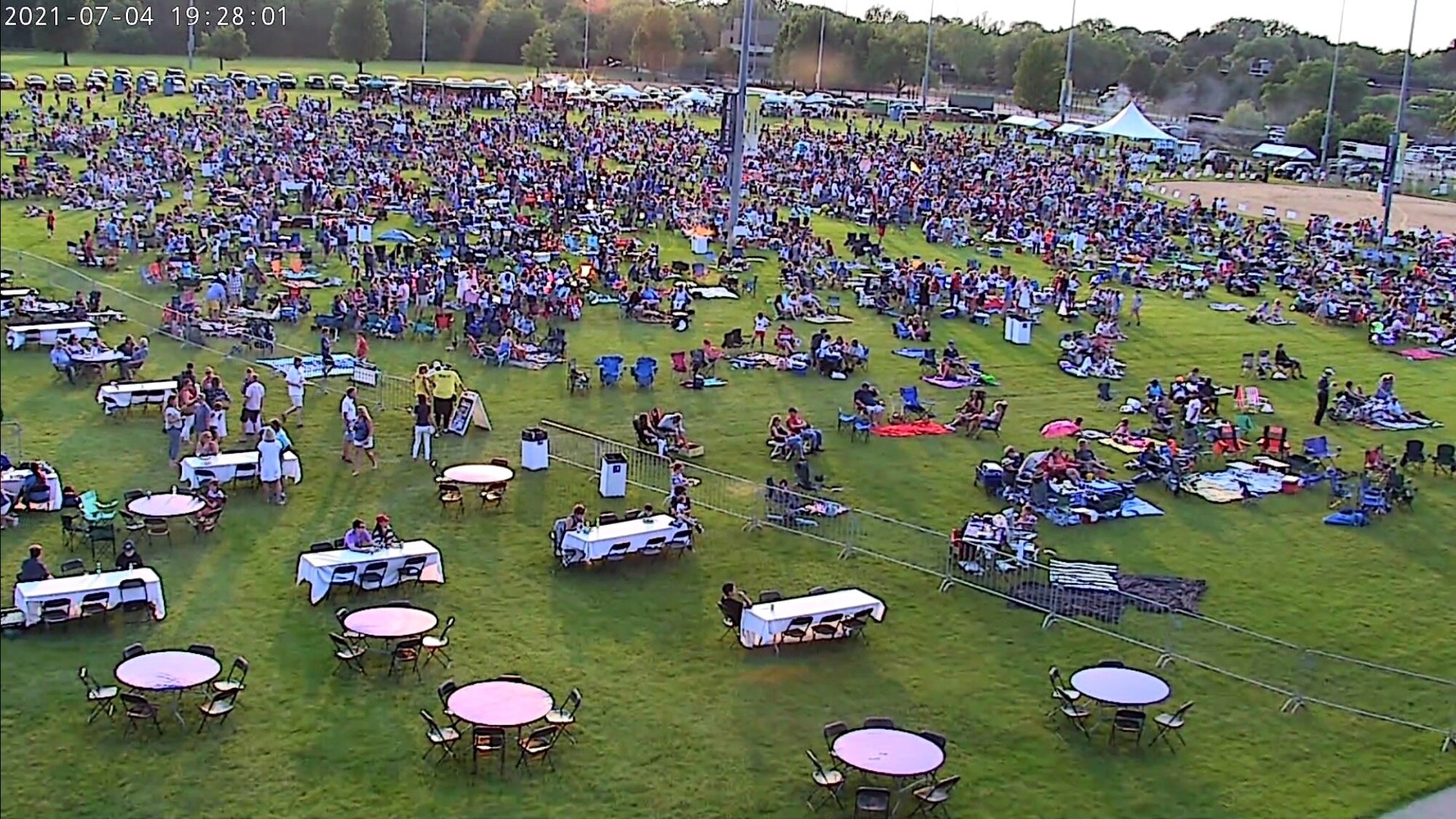
- Real-time Data Collection: Utilizing APIs or sensors to gather data on people entering the specified zone. This could involve various technologies such as RFID, CCTV, thermal cameras, or other tracking devices.
- Image Analysis: Employing computer vision techniques to analyze a generated image. This might include object detection, pose estimation, or other relevant image processing methods. Frameworks like OpenCV, TensorFlow, or PyTorch can be integrated for this purpose.
- Data Combination: Merging the movement data and image analysis results into a structured format. This combined data will serve as the input for Agent 2.
- Structured Output: Formatting the combined data into a structured output, such as JSON, for easy transfer to Agent 2. This output will include timestamps, zone activity, image metadata, and specific observations.
Agent 2: Filesystem Manipulation
Agent 2 receives the structured output from Agent 1 and uses this data to modify the filesystem. The agent's tasks include:
- Data-Driven Modification: Using the data from Agent 1 to determine the scope and intensity of filesystem modifications. This could involve creating, deleting, renaming, or modifying files.
- Continuous Monitoring: Monitoring the filesystem's health and performance to track the impact of the modifications. This includes checking for error logs and failed services.
- Crash Induction: Continuously modifying the filesystem until it becomes unstable or reaches a predefined threshold, leading to a crash.
- Logging: Recording detailed logs of all actions, potential errors, and the final crash conditions.
Execution and Monitoring
The workflow is designed to run for four days, with both agents logging their activities and statuses. A centralized monitoring system will track the performance of the agents and the filesystem. Agent 2 will detect the crash condition and halt operations, generating a report summarizing the workflow's execution and crash details.
Detailed Implementation
Agent 1 Setup
Agent 1 is configured using Letta's Agent Development Environment (ADE). This involves:
- Integrating APIs or sensors for real-time data collection.
- Utilizing Letta's built-in tools for image analysis and data processing.
- Configuring the agent to output structured data in JSON format.
Agent 2 Setup
Agent 2 is configured to receive data from Agent 1 using Letta's multi-agent communication tools. This involves:
- Implementing filesystem manipulation logic using Python or another supported language.
- Using Letta's persistent memory to store intermediate states and crash conditions.
- Configuring the agent to monitor filesystem health and trigger a crash when necessary.
Workflow Orchestration
The two agents are coordinated using Letta's multi-agent collaboration features. This includes:
- Setting up a scheduler to run the workflow continuously for four days.
- Using Letta's REST API or SDKs to integrate with external monitoring tools.
Agent 1: Observation and Analysis
Data Collection
Agent 1 begins by collecting data on the movement of people into the specified zone. This can be achieved through various methods:
- Sensor Systems: Utilizing RFID, CCTV, or thermal cameras to track movement.
- External Tracking Devices: Integrating logs or live feeds from external tracking devices.
Image Analysis
Agent 1 then analyzes real-time images using computer vision models:
- Vision Models: Employing object detection or pose estimation models.
- Framework Integration: Integrating frameworks such as OpenCV, TensorFlow, or PyTorch.
- Data Conversion: Converting visual data into usable formats, such as JSON with bounding boxes marking human movement.
Data Formatting
The collected data is then timestamped and formatted, summarizing:
- The number of individuals entering the zone.
- Specific observations derived from images, such as identifying objects carried by people.
Output
Agent 1 provides structured reports to Agent 2 via inter-agent communication in Letta. The data is structured as follows:
  {
    "timestamp": "...",
    "zone_activity": "...",
    "image_metadata": "...",
    "observations": "..."
  }
Agent 2: Filesystem Manipulator
Filesystem Operations
Agent 2 receives the structured data from Agent 1 and infers actions on the filesystem. These actions include:
- File Creation: Creating new files based on observations, such as a file containing image metadata.
- Anomaly Simulation: Simulating anomalies by duplicating large files or introducing random modifications.
- File Deletion: Randomly deleting critical system files.
Time-Sensitive Changes
Agent 2 introduces time-sensitive changes to avoid immediate crashes:
- Gradual Escalation: Implementing a gradual escalation of modifications over the four days.
- Probabilistic Behavior: Integrating probabilistic behavior to maximize diversity in attacks.
Monitoring and Logging
Agent 2 continuously monitors the impact of manipulations using system health-check scripts:
- Error Log Checks: Checking for error logs or failed services.
- Tactic Adjustment: Adjusting tactics if the system remains stable.
- Detailed Logging: Recording detailed logs of each action, potential errors, and final crash conditions.
Orchestration: Letta Framework
Collaboration Mechanism
Both agents are deployed using Letta's Agent Development Environment (ADE). Each agent is designed as a microservice, allowing lightweight communication through Letta APIs.
- Shared Database: A shared database within Letta persists each agent’s memory and log files across sessions, enabling stateful interactions. For example, Agent 1’s observations are written into the database, which Agent 2 reads for its task execution.
- Iterative Feedback Loops: Agent 2 can send feedback to Agent 1 to refine its observation frequency or add specific focus areas.
Duration and Scaling
The workflow is configured to operate autonomously for four days. A scheduling service (e.g., Cron or time-based triggers inside Letta) handles periodic updates from Agent 1 and ensures Agent 2’s manipulations escalate gradually.
Crash Monitoring
A watchdog tool is used to detect when the filesystem becomes unstable or crashes. Termination conditions are logged for postmortem review.
Security and Ethical Considerations
Given the potential for destructive behavior, careful planning is required:
- Sandboxed Environment: Deploy the workflow in a virtualized or containerized setup to prevent collateral damage. Examples include Docker containers or virtual machines with limited access to critical system components.
- Failover Mechanisms: If possible, implement checkpoints to recover the system for future tests.
- Legal Audit: Ensure compliance with local regulations, as inducing system crashes (even in controlled environments) may have legal ramifications.
Tools and Libraries
Agent 1 (Observation)
- Python libraries: OpenCV, TensorFlow, PyTorch.
- Letta's multi-agent orchestration for integrating vision tools with structured data management.
Agent 2 (Filesystem)
- Python’s
oslibrary for file manipulations. - Logging frameworks like Loguru or Python
logging. - Letta’s ADE for state retention and debugging.
Communication and Monitoring
- Letta’s REST API for inter-agent messaging.
- Supervisory nodes in Letta to periodically check the workflow's status.
Example Code Snippet
Below is a simplified Python example of how Agent 1 might collect data and pass it to Agent 2 using Letta's API. This example assumes you have a basic understanding of Letta's agent framework and Python.
import requests
from datetime import datetime, timedelta

# Agent 1: Data Collection and Image Analysis
def collect_data_and_analyze_image():
    # Collect movement data
    movement_data = collect_movement_data()

    # Generate and analyze image
    image_analysis = analyze_generated_image()

    # Combine data
    combined_data = merge_data(movement_data, image_analysis)

    return combined_data

def send_data_to_agent2(data):
    # Assuming Letta provides an API to send data between agents
    url = "https://letta-api.com/agent2/input"
    response = requests.post(url, json=data)
    if response.status_code == 200:
        print("Data sent successfully.")
    else:
        print("Failed to send data.")

# Agent 2: Filesystem Modification
def modify_filesystem(data):
    # Perform filesystem operations based on data
    while True:
        # Modify files
        modify_files(data)

        # Check if filesystem has crashed or reached limit
        if has_crashed() or has_reached_limit():
            break

# Main Loop
start_time = datetime.now()
end_time = start_time + timedelta(days=4)

while datetime.now() < end_time:
    data = collect_data_and_analyze_image()
    send_data_to_agent2(data)
    # Agent 2 will receive and process the data independently
    time.sleep(3600)  # Wait for 1 hour before next iteration
This example illustrates the basic flow but would need to be adapted to fit Letta's specific APIs and your exact requirements.
Considerations
-
Error Handling: Implement robust error handling to manage potential crashes or errors during filesystem modifications.
-
Monitoring: Continuously monitor the workflow's performance and the filesystem's health.
-
Scalability: Ensure that the workflow can scale if needed, especially if the dataset grows significantly.
References
This workflow leverages Letta's advanced features for multi-agent collaboration, persistent memory, and stateful reasoning to achieve the desired outcome. The references provided offer additional insights into implementing and customizing the workflow.
Last updated January 24, 2025