
Lugol's Iodine and Thyroid Health
Discover how Lugol's iodine supports thyroid regulation, surgery preparation, and radiation protection
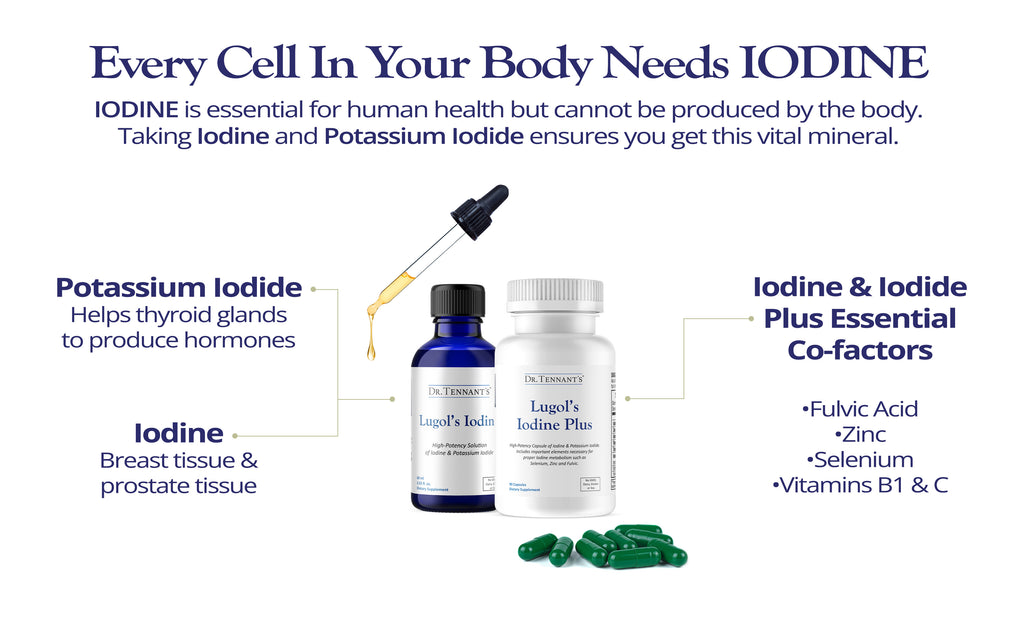
Key Highlights
- Thyroid Hormone Regulation: Lugol's iodine provides the necessary iodine for the production of vital thyroid hormones.
- Surgical Preparation and Vascularity Reduction: It is used preoperatively to minimize blood loss during thyroid surgeries, particularly in Graves' disease.
- Protection from Radiation Exposure: The solution can block radioactive iodine uptake, reducing the risk of radiation-induced thyroid damage.
Understanding Lugol's Iodine in Thyroid Health
Lugol's iodine is a solution containing a precise formulation of elemental iodine and potassium iodide dissolved in water. Its primary significance lies in its ability to directly affect thyroid function through several key pathways. The thyroid gland relies on iodine to produce thyroid hormones – thyroxine (T4) and triiodothyronine (T3) – which regulate the metabolic processes and overall cellular function in the body. Adequate iodine levels are critical to maintain optimal thyroid health and hormone balance.
Thyroid Hormone Production and Regulation
Iodine is an essential micronutrient, and Lugol's iodine is often utilized to correct iodine deficiencies that may contribute to disorders such as hypothyroidism. When the body lacks sufficient iodine, the thyroid is unable to manufacture adequate amounts of T4 and T3, leading to a range of metabolic disturbances. By supplementing with Lugol's solution, iodine levels in the body can be replenished, ensuring the thyroid gland produces hormones at appropriate levels. This supplementation not only aids in preventing the enlargement of the thyroid (goiter) but also helps in maintaining overall hormonal equilibrium.
Mechanism of Action
The active iodine from the solution is taken up by the thyroid gland, where it forms an integral part of thyroid hormone synthesis. The iodine is utilized in the iodination of thyroglobulin, a key step in producing T4 and T3. This fundamental process supports metabolic rate, temperature regulation, and overall energy balance.
Clinical Applications in Thyroid Conditions
Management of Hyperthyroidism
Hyperthyroidism, characterized by an overactive thyroid gland, can lead to symptoms such as weight loss, rapid heartbeat, and irritability. Lugol's iodine is commonly utilized as part of the management strategy for hyperthyroidism. It can temporarily inhibit thyroid hormone synthesis, leading to a decrease in circulating hormone levels. This is particularly useful in cases of thyroid storm or acute hyperthyroid crises. Moreover, Lugol's iodine is often used in conjunction with antithyroid medications, which together help in mitigating the symptoms associated with excessive thyroid hormone production.
Preoperative Use
For patients who require thyroid surgery—for example, those with Graves' disease—Lugol's iodine plays a critical role in preoperative preparation. In these situations, its administration can significantly reduce the vascularity (blood flow) within the thyroid gland. The reduction in blood supply minimizes intraoperative bleeding, thereby creating a safer surgical environment. The practice of administering Lugol's solution before thyroidectomy has been shown to lower surgical risk and facilitate a smoother procedure.
Protection from Radiation Exposure
Apart from its role in managing hyperthyroidism and preparing for thyroid surgery, Lugol's iodine is also employed as a protective measure against radioactive iodine exposure. In the event of a nuclear accident or radioactive exposure incident, administering Lugol's iodine can saturate the thyroid gland with stable iodine. This saturation effectively blocks the uptake of harmful radioactive iodine isotopes, reducing the risk of radiation-induced thyroid cancer and other thyroid-related complications.
Emergency Applications
In cases of nuclear fallout or during medical procedures involving exposure to radioactive substances, timely administration of Lugol's iodine serves as a shield for the thyroid gland. By providing a competitive blockade to the absorption of radioactive iodine, it ensures that the gland remains less susceptible to radiation damage.
Addressing Iodine Deficiency
Iodine deficiency is a major global health concern, particularly in regions where the diet lacks sufficient iodine-rich foods. This deficiency can lead to several thyroid disorders, including goiter and hypothyroidism. Supplementing with Lugol's iodine helps remedy the deficiency by providing the necessary levels of iodine, supporting proper thyroid function and hormone production. This intervention not only corrects the deficiency but also prevents the long-term complications associated with inadequate iodine intake.
Dosage and Recommended Administration
The dosing of Lugol's iodine must be carefully managed to maximize its benefits while minimizing the risk of adverse side effects. Common practice involves the administration of a few drops of the solution (usually between 3 to 5 drops) taken orally, typically three times daily. Some regimens begin with a higher loading dose over several months, gradually reducing to a maintenance dose. It is crucial that all dosing protocols and adjustments be conducted under the supervision of a healthcare professional, as both insufficient and excessive iodine intake can result in thyroid dysfunction, either by precipitating hypo- or hyperthyroidism.
| Clinical Application | Mechanism | Key Benefits |
|---|---|---|
| Hyperthyroidism Management | Suppresses thyroid hormone synthesis temporarily | Alleviates symptoms and aids in crisis management |
| Preoperative Preparation | Reduces thyroid vascularity | Minimizes surgical blood loss and facilitates safer thyroidectomy |
| Radiation Emergency | Blocks uptake of radioactive iodine | Protects thyroid from radiation-induced damage |
| Iodine Deficiency | Replenishes necessary iodine levels | Prevents goiter and supports hormone production |
Considerations and Precautions
While Lugol's iodine offers several benefits for thyroid-related conditions, its administration must be approached with caution. It is not a universal remedy for all thyroid problems, and inaccuracies in dosing can lead to adverse effects. When used improperly, excess iodine may trigger instances of iodine-induced hyperthyroidism or hypothyroidism—particularly in individuals susceptible due to pre-existing thyroid conditions or autoimmune thyroid disease.
Side Effects and Adverse Reactions
Some patients may experience side effects such as gastrointestinal discomfort, allergic reactions, and irritation in the mouth or throat. Long-term use without adequate medical supervision might also contribute to complications including thyroiditis or even affect mood and sleep. Therefore, it is essential to consult a healthcare provider prior to initiating any regimen involving Lugol's iodine.
Interactions with Other Therapies
Lugol's iodine is often administered alongside other treatments, such as antithyroid medications, especially in the context of hyperthyroidism management. Healthcare professionals will usually tailor the integration of these therapies based on the patient's overall health, the nature of their thyroid condition, and the desired therapeutic outcomes.
Practical Applications and Monitoring
In a clinical setting, the use of Lugol's iodine is typically customized based on the individual patient's requirements and existing thyroid pathology. Frequent monitoring of thyroid hormone levels is imperative during treatment to adjust doses and to evaluate the patient’s response to the iodine supplementation. Additionally, diagnostic imaging and laboratory tests may be employed to assess thyroid gland size, vascularity, and overall function during therapy.
Typical Dosage Guidelines
While the exact dosage may vary based on individual medical circumstances, a common regimen includes administering 3-5 drops of Lugol's solution three times daily. In many treatment protocols, an initial loading dose is provided over a period of several months, followed by a switch to a maintenance dose. Adjustments are usually made based on the patient’s iodine levels, thyroid function tests, and clinical symptoms. It is imperative to follow the guidance of a knowledgeable healthcare professional to avoid potential overdose and adverse events.
Administration Tips
To reduce any gastrointestinal discomfort or taste issues, it is recommended to mix Lugol's iodine with water, milk, or juice. It should be taken at least one hour after other medications, particularly antithyroid drugs, to maximize absorption and minimize interference.
Summary of Lugol's Iodine Benefits for Thyroid Issues
Lugol's iodine plays a multifaceted role in supporting thyroid health, whether used to correct iodine deficiency, manage the symptoms of hyperthyroidism, or prepare patients for surgical procedures involving the thyroid gland. Its ability to reduce thyroid vascularity is particularly invaluable in surgical settings, while its use as a protective agent during radiation exposure further bolsters its clinical significance. However, it is essential to ensure that its usage is monitored by a healthcare professional to mitigate potential adverse reactions and to adjust dosages appropriately. The strategic use of this iodine solution provides a crucial therapeutic link in maintaining thyroid function and overall metabolic balance.
References
- Lugol's Iodine - Earth Clinic - Earth Clinic
- Lugol's Oral - WebMD
- Iodine and Potassium Iodide - Mayo Clinic
- Lugol's Iodine - Wikipedia
- Lugol's Iodine - Supplewiki
- Lugol's Solution Uses and Benefits - The Kingsley Clinic
- PubMed - Lugol's Iodine Studies
-
Scientific Article on Thyroid Vascularity - ScienceDirect
- Lugol's Iodine Supplementation - Earth Clinic
- Health Benefits of Lugol's Iodine - The Kingsley Clinic
Recommended Queries for Deeper Insights

Last updated February 28, 2025