
Malnutrition: A Comprehensive Overview
Understanding the Causes, Effects, and Interventions in Malnutrition
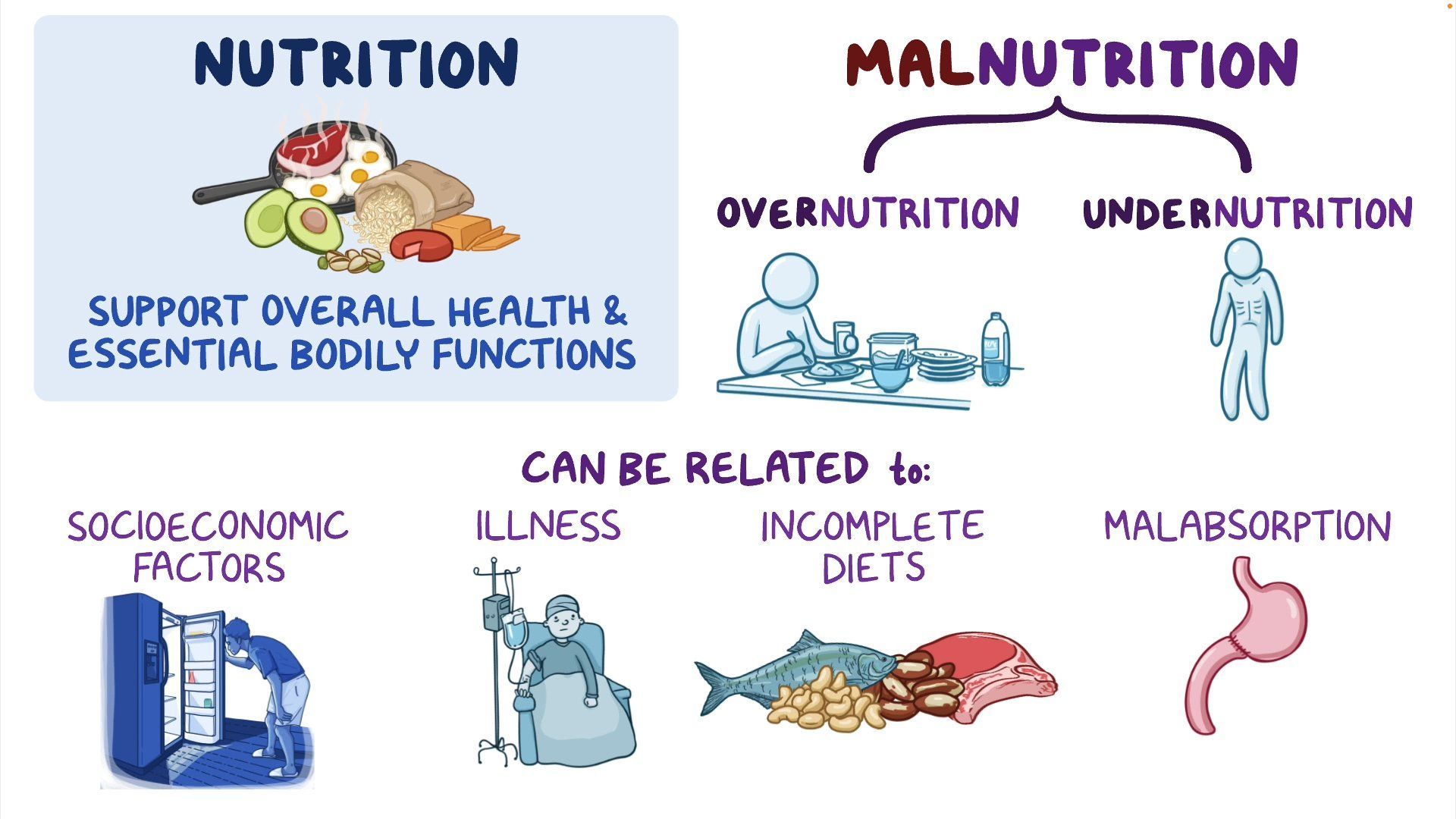
Highlights
- Multifaceted Forms: Malnutrition encompasses undernutrition, micronutrient deficiencies, and overnutrition.
- Wide-ranging Impact: It affects growth, cognitive development, immunity, and overall health across lifespans.
- Strategic Interventions: Prevention and treatment require balanced diet strategies, nutritional education, and policy support.
Introduction to Malnutrition
Malnutrition is a complex medical and public health condition defined by an imbalance in the intake of energy, proteins, vitamins, minerals, and other nutrients required for optimal physiological function. The condition may arise from insufficient, excessive, or imbalanced nutrient consumption. This overview explores malnutrition's multifaceted nature, highlighting its various forms, symptoms, causes, impacts, global relevance, and strategies for prevention and treatment.
Definition and Scope
At its core, malnutrition refers to both nutritional deficiency and the detrimental effects of nutrient excess. It can be broadly classified into three categories:
- Undernutrition: Inadequate consumption of calories and protein, leading to conditions such as wasting (low weight for height), stunting (low height for age), and underweight (low weight for age). In children, undernutrition hampers growth and cognitive development.
- Micronutrient Deficiencies: Even with adequate caloric intake, a lack of essential micronutrients such as vitamins and minerals (e.g., vitamin A, iron, iodine) can lead to significant health issues including anemia, compromised immune function, and impaired neurological development.
- Overnutrition: The excessive intake of calories, fats, or sugars, which results in overweight, obesity, and associated noncommunicable diseases like type 2 diabetes, cardiovascular disease, and metabolic syndrome.
Historical and Global Context
Historically, malnutrition was predominantly associated with insufficient food supply and poverty. Today, however, the landscape of malnutrition is more complex, with both undernutrition and overnutrition co-existing even in the same geographic regions. This phenomenon, often referred to as the “double burden of malnutrition,” is increasingly prevalent as economic and lifestyle transitions alter dietary patterns globally.
In low- and middle-income countries, undernutrition remains a significant public health challenge, contributing to developmental delays, increased vulnerability to infections, and high mortality rates, especially among children. Conversely, in developed regions and urban environments across the globe, caloric overconsumption and sedentary lifestyles are contributing factors to rising obesity rates and chronic illnesses.
Forms and Symptoms of Malnutrition
Undernutrition
Undernutrition is a result of an insufficient intake of nutrients necessary for the maintenance of healthy body functions. Key symptoms and manifestations include:
- Wasting: A low weight-for-height ratio signifying acute weight loss.
- Stunting: Reduced growth in height, often due to chronic malnutrition in children.
- Underweight: Low weight relative to age, which can be a combination of wasting and stunting.
- Micronutrient Deficiencies: Manifesting as specific symptoms like anemia (from iron deficiency) or vision problems (from vitamin A deficiency).
In children, these conditions often lead to impaired cognitive and physical development, making long-term recovery and educational achievement challenging. The inability to combat infections, combined with developmental delays, creates a cycle of vulnerability that can extend into adulthood.
Micronutrient Deficiencies
Micronutrient deficiencies occur when an individual receives insufficient vitamins and minerals despite potentially adequate calorie intake. These deficiencies can have profound impacts including:
- Anemia: Often caused by a lack of iron, leading to fatigue, weakness, and compromised immunity.
- Impaired Cognitive Function: Deficiencies in iodine and vitamin B lead to diminished brain development, particularly in infants and children.
- Immune Dysfunction: Lack of vitamins such as C and D can impair immune responses and heighten susceptibility to infections.
Overnutrition
Overnutrition represents an excess in nutrient intake, particularly calories, that exceeds physiological needs. Its key manifestations include:
- Overweight and Obesity: Excessive body weight that entails an imbalance between caloric intake and expenditure.
- Chronic Diseases: An overabundance of nutrients, especially fats and sugars, often leads to diseases such as diabetes, hypertension, heart disease, and metabolic syndrome.
The clinical presentation of overnutrition is complex as it may coexist with other nutritional challenges, such as micronutrient deficiencies, a situation that underscores the necessity for balanced nutrient intake over simply reducing caloric consumption.
Causes and Risk Factors
Economic and Social Determinants
Malnutrition is deeply intertwined with various socio-economic factors. In many regions, poverty, food insecurity, and limited access to clean water contribute significantly to the prevalence of undernutrition. Factors that influence these conditions include:
- Poverty and Economic Constraints: Lack of financial resources can inhibit access to a diverse and nourishing diet, thereby heightening the risk of undernutrition and micronutrient deficiencies.
- Food Insecurity: In communities where food supply is uncertain or insufficient, individuals may not have consistent access to nutrient-rich foods.
- Education and Awareness: Limited knowledge about balanced diets and healthy eating habits can exacerbate malnutrition trends, both in undernutrition and overnutrition.
Biological and Health-Related Factors
In addition to socio-economic reasons, several biological factors contribute to malnutrition:
- Health Conditions: Chronic illnesses such as gastrointestinal disorders, infections, or metabolic diseases can impair the body's ability to absorb nutrients effectively. Conditions like celiac disease or Crohn’s disease directly affect nutrient absorption, leading to malnourishment even when food intake is normal or adequate.
- Mental Health: Disorders such as depression or eating disorders can result in poor dietary habits and disinterest in food, exacerbating the risk of malnutrition.
- Age-Related Factors: The elderly are at particular risk due to physiological changes, decreased appetite, and difficulties in nutrient absorption. For older adults, malnutrition may be compounded by social isolation and economic constraints.
- Medications and Treatments: Certain medications can affect appetite or metabolism, further contributing to malnutrition in susceptible individuals.
Environmental and Policy Influences
Beyond individual and community factors, the broader environment also plays a role in malnutrition:
- Food System and Agricultural Policies: Shifts in food production, distribution challenges, and changing agricultural practices can affect the availability and diversity of nutrient-rich foods, leading to regional disparities in dietary patterns.
- Public Policy: Investments in public health infrastructure, such as nutrition programs and food fortification policies, can mitigate the effects of malnutrition. Policies aimed at supporting nutritional education and providing social safety nets are crucial for improving overall nutrition.
- Global Crises: Conflicts, natural disasters, and pandemics often disrupt food supply chains, precipitating acute and chronic malnutrition in affected regions.
Clinical Manifestations and Diagnosis
Recognizing the Symptoms
The symptoms of malnutrition can vary widely depending on the type and severity of nutrient imbalance. Common clinical findings include:
- Reduced Appetite: A decreased desire for food, often accompanied by general weakness and fatigue.
- Weight Loss: Notable unintentional weight loss can be a clear indicator, especially in cases of undernutrition.
- Physical Weakness: Muscle wasting, diminished strength, and overall lethargy are frequent findings in malnourished individuals.
- Frequent Illnesses and Slow Recovery: Due to impaired immune function, infections may occur more frequently and recovery times may be prolonged.
- Cognitive and Mood Changes: Inadequate nutrient intake can lead to poor concentration, decreased mental functioning, and low mood or depression.
Diagnostic Challenges
Diagnosing malnutrition requires a thorough clinical examination and careful evaluation of patient history. Key diagnostic measures may include:
- Anthropometric Measurements: Assessment of body weight, height, and body mass index (BMI) to gauge nutritional status. Specifically, measurements such as weight-for-height, height-for-age, and weight-for-age are used to differentiate wasting, stunting, and underweight conditions.
- Biochemical Tests: Blood tests to detect deficiencies in vitamins, minerals, and proteins as well as to evaluate overall organ function.
- Dietary Assessment: Detailed dietary history taking to understand caloric and nutrient intake, lifestyle factors, and potential barriers to adequate nutrition.
- Physical Examination: Evaluation of clinical features like skin integrity, hair condition, and signs of micronutrient deficiency (e.g., dry skin, nail changes).
A Comparative Table of Malnutrition Types and Their Characteristics
| Type of Malnutrition | Key Characteristics | Common Symptoms | Long-Term Effects |
|---|---|---|---|
| Undernutrition | Insufficient calorie and protein intake | Wasting, stunting, underweight, fatigue | Impaired cognitive and physical development, increased infection risk |
| Micronutrient Deficiencies | Lack of essential vitamins and minerals | Anemia, impaired immunity, reduced vision, cognitive delay | Developmental delays, chronic health issues, reduced work capacity |
| Overnutrition | Excess intake of calories, fats, and sugars | Weight gain, obesity, fatigue, high blood pressure | Chronic diseases such as diabetes, cardiovascular diseases, metabolic syndrome |
Prevention, Intervention, and Treatment Strategies
Dietary and Nutritional Interventions
Addressing malnutrition involves multiple strategies aimed at ensuring a balanced nutrient supply for the body. These strategies focus on both preventive measures and therapeutic interventions:
-
Balanced Diet: Encouraging the consumption of diverse food groups is crucial. A balanced diet typically includes:
- Fruits and vegetables for essential vitamins and fiber.
- Proteins from both animal and plant sources to support muscle repair and growth.
- Starchy foods such as whole grains for energy.
- Dairy products or alternatives to provide calcium and vitamin D.
- Supplementation: In cases of identified deficiencies, targeted supplementation can help restore adequate nutrient levels. For example, vitamin A, iron, zinc, and iodine supplements are often used to combat specific deficiencies.
-
Medical and Nutritional Therapy: In severe cases, particularly where malnutrition has led to critical health issues, medical interventions may include:
- Use of nutritional supplements and ready-to-use therapeutic foods (RUTF) for emergency cases.
- The administration of feeding tubes for individuals unable to consume sufficient nutrients orally.
- Individualized nutrition plans provided by dietitians, especially for elderly populations or patients with chronic illnesses.
Public Health Approaches and Policy Initiatives
At the population level, malnutrition prevention and treatment necessitate a robust public health response and proactive policy initiatives:
- Food Security Programs: These programs focus on ensuring consistent access to nutritious food. By improving supply chains, supporting local agriculture, and providing subsidies or food aid, governments and international organizations can reduce the prevalence of malnutrition.
- Nutritional Education: Community-based initiatives and educational campaigns are pivotal. These programs aim to inform the public about the importance of balanced diets, proper food preparation, and the long-term benefits of healthy eating practices.
- Health Infrastructure Development: Enhancing access to healthcare services, including regular nutritional screening and follow-up care, allows for early identification and intervention in malnutrition cases. This is especially critical in low-income regions where healthcare disparities are pronounced.
- Policy Implementation: Governments are increasingly enacting policies that promote food fortification, regulate the marketing of unhealthy foods, and support research into sustainable nutrition practices. Such policies contribute to breaking the cycle of malnutrition and improving overall public health.
Holistic and Personalized Approaches
In addition to broad public health measures, personalized strategies are vital for addressing malnutrition at the individual level. These approaches include:
- Individualized Nutrition Counseling: Tailored dietary advice based on specific health conditions, lifestyle factors, and nutritional needs can bridge the gap between general guidelines and personal dietary requirements.
- Mental Health Support: Given the interplay between mental health and dietary habits, counseling and therapeutic support can help modify eating behaviors, particularly in individuals affected by eating disorders or depression.
- Community Initiatives: Local community programs that incorporate cooking classes, community gardens, and nutritional workshops empower individuals with the skills and knowledge to maintain balanced diets.
- Technology and Telehealth: Innovative approaches such as mobile health applications and telehealth services provide remote nutritional consultations and continuous follow-up, which are especially beneficial in rural or underserved areas.
Impact and Future Directions
Economic and Developmental Implications
Malnutrition not only affects individual health but also has profound socio-economic consequences. The long-term impact includes:
- Economic Burden: Healthcare costs associated with treating malnutrition and its related complications are significant. Inadequate nutrition is linked to reduced productivity, increased absenteeism, and a lower overall economic output.
- Poverty Cycle: Malnutrition and poverty are intimately connected. Poor nutritional status can impede physical and cognitive development in children, limiting educational achievement and future earning potential, thus perpetuating the cycle of poverty.
- Global Development: International organizations and governments recognize malnutrition as a critical barrier to achieving sustainable development goals (SDGs). Addressing malnutrition is integral to reducing inequality, improving health outcomes, and promoting economic growth globally.
Research and Innovative Approaches
Ongoing research in nutrition science is vital for understanding the nuances of malnutrition and developing more effective treatments and interventions. Some of the promising areas include:
- Nutrigenomics: Studying the interaction between genetics and nutrition to create personalized dietary recommendations.
- Food Fortification Technologies: Enhancing the nutrient content of staple foods through fortification can significantly reduce micronutrient deficiencies in large populations.
- Sustainable Food Production: Innovations in agriculture that focus on sustainability not only ensure food security but also improve the nutritional quality of food products.
- Mobile Health Applications: Digital platforms are increasingly being used to track nutritional intake, offer personalized advice, and monitor health indicators in real time.
Global Initiatives and Collaborative Efforts
Tackling malnutrition requires collaborative efforts at both local and international levels. Several initiatives underscore the importance of partnerships between governments, non-governmental organizations, and community groups:
- International Agencies: Organizations such as the World Health Organization and UNICEF coordinate global efforts to tackle malnutrition through funding, policy advising, and emergency nutrition interventions.
- Community-Based Programs: Programs that engage local communities in food education, nutritional supplementation, and sustainable agricultural practices have been successful in reducing rates of malnutrition.
- Research Collaborations: Multi-disciplinary research efforts are critical for understanding the multidimensional aspects of malnutrition and sharing best practices globally.
Conclusion and Final Thoughts
In conclusion, malnutrition is a multifaceted condition with far-reaching impacts on individual well-being and global development. It embodies not only the challenges of undernutrition and micronutrient deficiencies but also the growing problems associated with overnutrition. As a condition, it affects millions of people worldwide and poses significant risks to physical health, cognitive development, and economic productivity.
Effective responses to malnutrition require a comprehensive approach that encompasses both individual and systemic measures. On the one hand, personalized nutritional counseling, dietary interventions, and targeted medical treatments are paramount to address the immediate health concerns of those affected. On the other hand, robust public health policies, food security programs, and community-based initiatives play essential roles in preventing malnutrition and breaking the cycles of poverty and poor health outcomes.
Moreover, holistic research and innovative technological approaches, such as nutrigenomics and mobile health applications, are opening new frontiers in the fight against malnutrition. Future efforts must focus on creating sustainable food systems that ensure access to nutrient-rich foods for all populations, integrating educational initiatives to raise awareness about balanced nutrition, and fostering multi-sectoral policies that address the underlying social and economic determinants of malnutrition.
As governments, healthcare providers, and international organizations continue to invest in nutritional research and policy development, the global burden of malnutrition can be significantly reduced. The ultimate goal is to create an environment where every individual has the opportunity to lead a healthy, productive life free from the many constraints imposed by nutritional imbalances. Through coordinated efforts, global partnerships, and community engagement, we can move towards a future where proper nutrition is not a privilege, but a guaranteed right for all.
References
- Malnutrition Symptoms - NHS
- Malnutrition: Causes and Treatments - Medical News Today
- Malnutrition Overview - Britannica
- Malnutrition Explanation - Verywell Health
-
Symptoms of Malnutrition - New Health Advisor
- Malnutrition Treatment - NHS
- Preventing Childhood Malnutrition - Child Nutrition Fund
- Malnutrition Prevention - NHS
- Child Wasting and Nutrition - UNICEF
- Severe Acute Malnutrition - NCBI
- Understanding Malnutrition - nidirect
- Malnutrition in Older Adults - Eat Right Pro
- Nutrition Interventions in Emergencies - UNHCR
- Malnutrition Fact Sheet - WHO
Recommended Related Queries
Last updated February 20, 2025