
Fun Math Adventures for 1st Graders!
Engaging 10-Minute Math Journey for Young Learners
Highlights of This Lesson
- Interactive Counting: Learn to count numbers and objects with fun games and visual aids.
- Basic Addition & Subtraction: Dive into fundamental concepts using real-life examples and playful exercises.
- Shape & Pattern Exploration: Discover basic shapes and simple patterns through engaging activities.
Introduction
Hello, young mathematicians and curious explorers! Welcome to our fun math adventure specially designed for 1st grade children. I’m thrilled to be your guide as we embark on a journey through the wonderful world of numbers, basic arithmetic, and simple yet fascinating shapes. In this video, we will learn how to count, add, and subtract using interactive methods, and even explore a little bit about shapes and patterns that we see every day.
This video is designed to span approximately 10 minutes, ensuring that every minute is filled with excitement, visual storytelling, and interactive moments where you can participate by counting aloud and solving fun math puzzles. So, grab your imaginary math toolkit, sit back, and get ready to have some math-tastic fun!
Segment 1: Jumping Into Counting and Number Recognition
Learning to Count – A Bright Start
We begin our math journey with the essential skill of counting. Counting helps us understand the concept of numbers and tells us how many items are in a group. Let’s start by counting simple objects, such as stars, apples, or colorful blocks. Look carefully as we display various groups of objects on the screen, and try to count them aloud with me.
Counting By Ones
First, we will count from 1 to 10 using objects. Imagine seeing a row of apples on the table. I will slowly count them: 1... 2... 3... all the way up to 10. Then, we extend this counting up to 20. Repeating numbers together makes counting not only fun, but also reinforces our recognition of each individual number.
Interactive Activity: On your screen, you might see a picture of 10 stars. Count these stars with me. Then, let’s see another set, but this time with 20 colorful balloons. By the end of this exercise, you will be able to recognize numbers even when they are paired with different objects.
Skip Counting for Extra Fun
Now that we’re familiar with counting by ones, let’s try a super fun way known as skip counting. Skip counting means you count by twos, fives, or tens. When you skip count by twos, say: 2, 4, 6, 8, 10, and so on. This helps us learn about even numbers and builds a strong foundation for more complex math later on. Can you try saying those numbers out loud?
To guide you through, our video will show a short clip of objects grouped in twos, illustrating the pattern of even numbers. Practice makes perfect, so feel free to rewind the video and count along until it feels like second nature.
Our counting session is not just about reciting numbers; it’s about letting you become comfortable with recognizing how quantities match with their digits. Think of a basket full of apples – each apple is a part of the whole. Whether you’re counting apples, stars, or toy cars, the principle remains the same.
Segment 2: Exploring Basic Addition
Understanding the Magic of Putting Numbers Together
Addition is like a magical tool that helps us find out what happens when we combine groups of objects. Think about having a few apples in one hand, and then adding some more from your other hand. The total number in both hands gives you the answer!
Simple Addition Using Real-Life Examples
Let’s start with a simple example: Imagine having 3 shiny red apples. Now, suppose a friend gives you 2 more apples. When you put them all together, you have to learn to add – that is, 3 plus 2 equals 5 apples. To help visualize this, we will show pictures where we see three apples on one side and two apples joining them, with the combined total flashing on the screen.
These fun visual aids will help reinforce the idea that addition is nothing more than combining groups into a larger group. The screen will also display colorful animated numbers popping up each time we add two groups together.
Hands-On Addition with Counting Fingers
One fun way to think about addition is using fingers. When you hold up 3 fingers on one hand and 2 on the other, you can count all the fingers to see you have 5 in total. This method is not only entertaining but also helpful in building your mental math skills early on.
Practice with more examples: If I say, “You have 4 yummy cookies and then you get 3 more,” shout out the total – that’s 7 cookies! This part of the video is interactive, inviting you to answer aloud and even try similar problems at home. By watching and participating, you can build confidence in your ability to add numbers easily.
Segment 3: Diving Into Subtraction
Learning to Take Away
Just like addition, subtraction is another building block in understanding numbers. While addition brings numbers together, subtraction helps us see what happens when some objects are taken away from a group. This is very useful when you want to find out how many items are remaining after some are removed.
Subtraction Using Everyday Scenarios
Consider a scenario: You have 5 delicious lollipops and then you give away 2 to a friend. How many lollipops do you have left? Let’s work it out: starting from 5, if you remove 2, you are left with 3. The video will display fun animations of lollipops disappearing one by one to clearly show the subtraction process.
Another example: Imagine you start with 6 colorful balloons and, oh no, 4 of them drift away in the wind! Watch closely as the screen helps you subtract – 6 minus 4 equals 2 balloons left. Every subtraction example is visualized with engaging images and bright, kid-friendly animations.
Interactive Subtraction Games
We invite you to play along with a quick on-screen subtraction game. You will be given pictures of objects (like toys, fruits, or stars), and then a few objects will fade away. Your challenge is to count the remaining items and shout out the answer. This interactive element is designed to cement your understanding of taking away and leave you smiling with pride when you get it right.
Segment 4: An Exciting Journey Into Shapes and Patterns
Discovering Everyday Geometry
Mathematics isn’t only about numbers—it is also about understanding the world around us. Today, we will look at some basic shapes and patterns that we see in our everyday lives. Shapes help us in design, art, and even in solving puzzles!
Identifying Basic Shapes
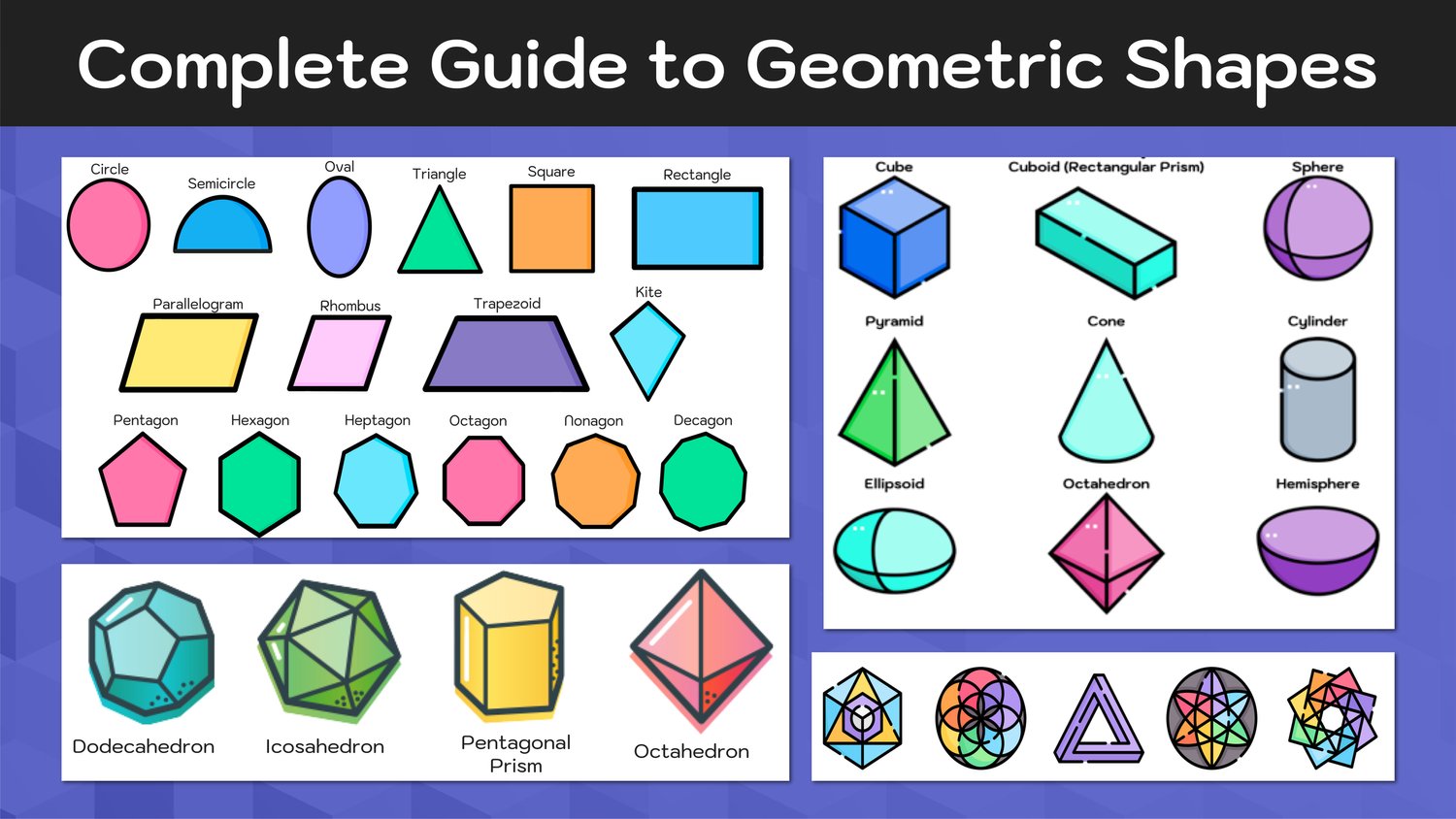
Let’s begin by learning about a circle. A circle is round and looks like a wheel or even like the face of a clock. Next up, we have a square—a shape that has four equal sides and four sharp corners, much like a picture frame or a windowpane. Each shape has its unique properties which are highlighted with simple drawings and animations.
We will also introduce a triangle. With its three sides and three corners, a triangle might remind you of a slice of pizza, which is always a fun comparison for young learners! And of course, the rectangle, with its two pairs of different side lengths, is another common shape found everywhere, from doors to tablets.
Creating and Recognizing Patterns
Once you know your shapes, the next step is recognizing patterns. Patterns are sequences that repeat in a regular order. For example, you can have a pattern like circle, square, triangle, circle, square, triangle, and so on. This helps you predict which shape comes next in the sequence. Look closely at a row of shapes on the screen – can you guess the pattern? The video will pause for a moment so you can think, then reveal the answer with colorful animations.
Pattern recognition not only improves your understanding of shapes and sequences but also enhances your overall problem-solving skills. This segment encourages you to point out patterns you might see around you, like on a tiled floor or a row of trees in a garden.
Segment 5: Interactive Activities and Games
Let’s Play with Math!
Now, let’s mix up everything we have learned so far with some fun interactive activities!
Count, Add, Subtract – Activity Table
Here is a table that outlines the key activities you will experience during this 10-minute math adventure:
| Time Segment | Activity | Description |
|---|---|---|
| 0:00 - 1:00 | Introduction | Welcome message and overview of the math adventure. |
| 1:00 - 4:00 | Counting and Number Recognition | Counting objects from 1 to 20 and skip counting by twos. |
| 4:00 - 7:00 | Basic Addition & Subtraction | Using simple addition and subtraction examples with objects. |
| 7:00 - 9:00 | Shapes and Patterns | Learn about circles, squares, triangles, and rectangles, plus recognize patterns. |
| 9:00 - 10:00 | Fun Activity & Wrap-up | Interactive exercises, a math riddle challenge, and a recap of what was learned. |
This structured activity table helps you follow along with each section. It ensures that by the end of the video, you have engaged with every aspect of early math concepts — from counting to a bit of geometry.
Math Riddle Time
To keep the energy high, we’ve included a “Math Riddle Time” section where you solve fun problems by yourself! For example, if Sally has 5 apples and she gives away 2, how many are left? Pause the video, think it over, and then say “3!” Right on, you are a math superstar.
Another riddle might ask: "If Tom has 8 crayons and he adds 1 more, how many crayons does he have now?" Your answer is 9! These playful challenges are crafted to boost both your confidence and your love for learning math.
Conclusion and Final Thoughts
Wow, we’ve traveled through a fantastic math journey together! We started by learning how to count which is the very foundation of math. By counting objects like apples, stars, and balloons, you learned to recognize numbers from 1 all the way to 20 effortlessly. We then explored basic addition where you discovered that combining groups of objects always makes a larger group – whether it’s adding apples or toy cars.
Our exploration continued into subtraction, where taking away objects taught us to see the change in quantity step by step. Subtraction wasn’t just about disappearing objects; it was a puzzle that you solved through practice and interactive games. Along the way, we took time to recognize basic shapes such as circles, squares, triangles, and rectangles, and even dabbled in finding patterns around us.
Every activity was designed to be fun and engaging, ensuring that the lessons in math are memorable and enjoyable. By the very end, you have sharpened your counting, addition, subtraction, and pattern recognition skills. Remember, the magic of math is in practice and playful exploration!
I hope this math adventure inspires you to keep exploring, questioning, and enjoying every moment of learning. Math is not just a subject in school—it’s a part of your daily life that helps you think, solve puzzles, and see the world in unique ways. Stay curious, keep practicing, and you’ll be amazed at how much fun math can really be!
References
- Kids Math TV - 1st Grade Videos
- Math Mammoth - 1st Grade Math Videos
- Math Chimp - 1st Grade Math Videos
- Generation Genius - 1st Grade Math Videos and Lessons
Recommended Searches for Deeper Insights
 bstockus.wordpress.com
Conclusion
In conclusion, this comprehensive script is designed to deliver a clear, engaging, and educational math video for 1st grade children. The script systematically introduces counting, addition, and subtraction along with a fun exploration into basic geometry. By using interactive examples, real-world analogies, and engaging visual aids, the video creates a rich and memorable learning experience. Through activities like counting games, skip counting, addition using everyday examples, interactive subtraction exercises, and playful shape identification, young learners are motivated to explore math without fear.
Your journey into math does not stop here—what you learn today lays the groundwork for your future in mathematics. Each segment of the video builds on the previous one, ensuring that fundamental math skills are reinforced and made accessible to every child. Keep practicing these skills, and you will continue to grow confident in tackling even more exciting math challenges as you advance!
Last updated February 23, 2025