
Navigating the Initial Storm: Why Challenging Project Kickoffs Can Forge Unprecedented Success
Unpacking the paradox of "messy" beginnings and how young project professionals can thrive amidst early uncertainties.
Key Insights for Young Project Professionals
- Embrace Adaptability: Initial chaos can force teams to be flexible and think creatively, leading to innovative solutions.
- Cultivate Resilience: Overcoming early obstacles strengthens team dynamics and prepares individuals for future challenges.
- Prioritize Communication: Even in disorganized beginnings, clear and continuous dialogue is crucial for aligning goals and fostering collaboration.
For young professionals navigating the dynamic world of project management, the concept that "the projects with the messiest kickoffs often become the biggest successes" presents an intriguing paradox. While conventional wisdom emphasizes the importance of a well-structured kickoff for project success, there's a valuable lesson to be learned from projects that begin with a degree of chaos or uncertainty. This doesn't mean messy kickoffs are inherently desirable; rather, it highlights how challenges encountered at the outset can catalyze growth, resilience, and innovative problem-solving, ultimately paving the way for significant achievements.
The IPMA Young Crew, a global network dedicated to nurturing young talent in project, program, and portfolio management, encourages its members to view these initial hurdles not as roadblocks, but as opportunities for profound learning and development. This perspective is vital for cultivating future leaders who can adeptly navigate the complexities of real-world projects, turning potential setbacks into strategic advantages.
Understanding the "Messy Kickoff" Phenomenon
A "messy kickoff" isn't an endorsement of poor planning, but rather an acknowledgment that not all projects begin with perfect clarity and alignment. Factors such as unclear objectives, last-minute scope changes, or unforeseen technical glitches can contribute to initial disarray. However, it's the response to this disarray—the team's ability to adapt, communicate, and innovate—that can truly define the project's trajectory. This initial turbulence can act as a crucible, forging stronger teams and more robust project plans.
The Catalyst for Innovation and Creativity
When a project starts with a less-than-perfect kickoff, it often signals an environment where boundaries are being pushed, and innovation is a necessity. Without rigid routines from the start, teams are compelled to think outside the box and devise creative solutions to emerging problems. This early uncertainty forces a rapid adaptation, encouraging flexibility that might not develop in a perfectly smooth initial phase. Such an environment can foster a culture of continuous learning and improvement, where mistakes are seen as opportunities to identify blind spots and refine processes.
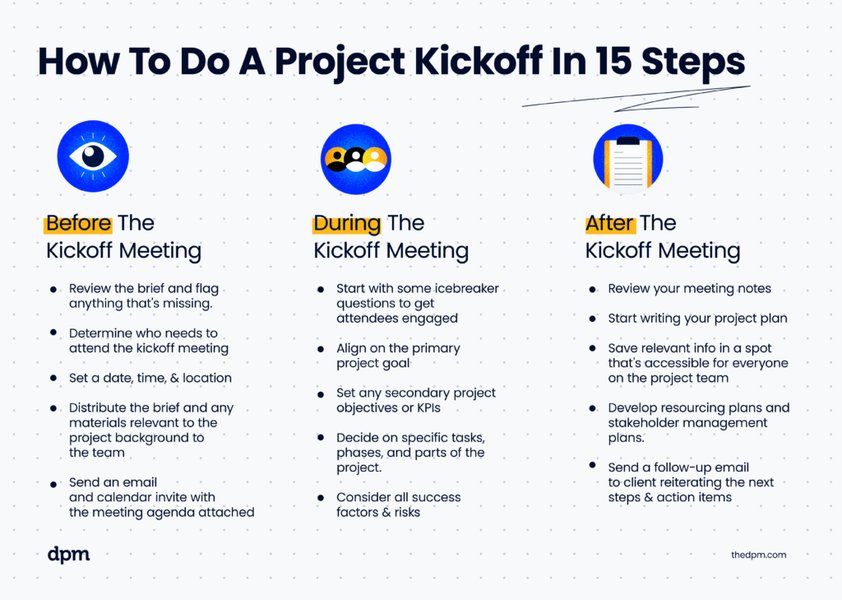
An infographic illustrating the multifaceted benefits derived from effective project kickoffs.
Building Stronger Team Dynamics and Resilience
Navigating a challenging start together can significantly strengthen team dynamics. When team members are forced to collectively address and overcome initial obstacles, it builds trust and resilience. This shared experience fosters a sense of camaraderie and mutual dependency, leading to more cohesive and effective collaboration throughout the project lifecycle. For young professionals, this provides an invaluable lesson in teamwork under pressure, enhancing their ability to lead and contribute to high-performing teams.
The Role of Communication in Mitigating Initial Chaos
Even when a kickoff feels disorganized, prioritizing open dialogue is paramount for aligning everyone on goals. Effective communication skills, such as creating a clear agenda and actively listening, can transform initial confusion into a unified team effort. Messy moments often force young professionals to hone their soft skills, like negotiation and resource allocation, which are crucial for career acceleration. Establishing clear communication channels and agreeing on how often and through what means communication will occur can prevent miscommunication and foster alignment.
Elements of a Successful Project Kickoff – Even When Imperfect
While the initial premise suggests that "messy" kickoffs can lead to success, it is important to understand that a truly successful project still benefits from well-defined foundational elements. The key is how a team responds to imperfections within these elements. Here's a breakdown of crucial aspects:
| Key Element | Description and Importance | How "Messy" Starts Can Still Lead to Success (with adaptation) |
|---|---|---|
| Introductions & Roles | Clearly defining who the team members are and their respective roles. This includes introducing the client team and providing an overview of the agency's experience. | Initial confusion over roles can force proactive communication and self-organization, leading to clearer, more resilient team structures as members step up. |
| Project Background & Briefing | Explaining how the project fits into the broader strategy, detailing the business problem it aims to solve, and addressing customer needs. | An ambiguous background can prompt deeper questioning and critical analysis from the team, potentially uncovering better solutions or clearer problem definitions. |
| Defining Success Metrics | Aligning the client's and project team's vision to ensure all parties understand the metrics by which success will be measured, including quality expectations. | Lack of clear success metrics initially can lead to iterative definition processes, where the team and client collaboratively refine what success means through early deliverables and feedback. |
| Outlining Project Scope & Plan | Presenting a clear project plan, objectives (SMART), scope boundaries, a visual timeline with milestones, and the chosen methodology. | An ill-defined scope or plan forces agile adaptation and flexibility. Teams learn to prioritize and adjust continuously, building resilience to change. |
| Communication & Collaboration | Agreeing on how often and through what channels communication will occur, clarifying effective collaboration practices. | Poor initial communication channels compel teams to actively experiment with various methods until effective ones are found, leading to stronger, more robust communication habits. |
| Next Steps & Action Items | Clearly outlining immediate actions and assigning them to appropriate team members after the kickoff meeting. | Vague next steps can necessitate greater individual initiative and proactive problem-solving, teaching team members to take ownership and clarify tasks independently. |
| Time for Questions & Feedback | Allocating sufficient time for questions and feedback from all attendees to ensure a shared understanding. | When initial meetings lack sufficient Q&A, follow-up mechanisms for clarification become critical, fostering a culture of continuous feedback loops. |
| Interactivity & Engagement | Making the meeting interactive with icebreakers or team-building activities to foster comfort and engagement. | A less interactive kickoff might push team members to seek out individual connections and informal team-building, which can sometimes lead to more genuine relationships. |
Even with a less-than-perfect kickoff, the commitment to these elements—and the willingness to adjust and iterate—is what transforms initial challenges into eventual triumphs. For young professionals, mastering the art of "course correction" is as important as initial planning.
The IPMA Young Crew Perspective: Leveraging Challenges for Growth
The IPMA Young Crew plays a crucial role in developing competencies in project, program, and portfolio management. The organization provides a platform for young professionals to grow and interact globally, fostering future leaders who can successfully navigate complex projects. Promoting best practices from the outset, such as effective kickoff meetings, helps cultivate this leadership. While challenges are inevitable in projects, a strong kickoff mitigates many potential "messy" elements from the start, setting a solid foundation for controlled and strategic execution, leading to genuine success.
The radar chart above illustrates various aspects of project readiness and team dynamics, comparing an ideal scenario to one that starts with a "messy" kickoff. The ideal scenario (blue line) demonstrates strong initial alignment across all axes, from clear objectives to robust communication channels. In contrast, the "messy" kickoff (orange line) shows lower initial scores in areas like objective clarity and defined scope. However, it indicates a surprisingly higher capacity for adaptability and problem-solving, reflecting how initial friction can catalyze these critical skills. The chart visually reinforces that while a smooth start is preferable, the ability to adapt and innovate in the face of early challenges can significantly contribute to overall project success. This suggests that even if initial scores are low, the rapid development in areas like resilience and creative problem-solving can compensate, ultimately leading to a successful outcome.
Actionable Tips for Young Professionals: Turning Challenges into Wins
For young project managers, transforming a less-than-ideal kickoff into a success story requires a proactive and adaptive mindset. Here are key strategies:
- Prepare a Solid Agenda: Always outline key topics, roles, and expectations to minimize surprises. This ensures your team leaves the meeting aligned and motivated.
- Involve Your Team Early: Encourage input from all stakeholders to build buy-in and spot potential issues before they escalate.
- Use Digital Tools Wisely: Leverage platforms for virtual collaboration to track progress and communicate effectively, turning any technical hiccups into learning opportunities.
- Focus on Soft Skills: Hone your listening and problem-solving abilities—skills that IPMA certifications highlight as essential for long-term success.
- Reflect and Iterate: After the kickoff, review what worked and what didn't, using it as a springboard for improvement in future projects.
This video, "Have a Successful Project Kickoff Meeting," offers practical advice and strategies for initiating projects effectively. It highlights the critical components of a well-structured kickoff, such as setting clear expectations, defining roles, and establishing communication protocols. For young professionals, understanding these best practices is essential, even when faced with initial uncertainties. The video complements the discussion by demonstrating how a solid foundation, regardless of early "messiness," is crucial for long-term project success.
The Mindset of a Resilient Project Manager
The ability to adapt and thrive amidst initial chaos is a hallmark of a resilient project manager. This mindset involves not just reacting to problems but actively seeking solutions and learning from every experience. It's about seeing imperfections as opportunities to refine processes and build stronger, more cohesive teams. This approach is particularly valuable for young professionals who are still developing their foundational skills and gaining real-world experience.

A visual representation highlighting key considerations for managing projects with the ultimate goal of success.
The Learning Curve from Early Challenges
Mistakes and uncertainties at the beginning of a project provide a clearer learning curve. They help identify blind spots, improve processes early on, and encourage continuous reflection and adjustment as the project evolves. This iterative approach to project management fosters genuine teamwork, as teams naturally pool their expertise and insights when details are uncertain. Without rigid routines from the start, there is ample room to try creative solutions and build resilience by overcoming early obstacles.
This mindmap illustrates the interconnected concepts surrounding project kickoffs, from essential elements of success to the unique benefits derived from navigating initial challenges. It highlights how factors like adaptability and resilience, often sharpened during "messy" beginnings, align with the core mission of IPMA Young Crew in fostering capable young project professionals. The diagram visualizes the multifaceted advantages of embracing early challenges as learning opportunities that drive innovation and accelerate professional growth.
Frequently Asked Questions (FAQ)
What does "messy kickoff" mean in project management?
Why might a "messy kickoff" lead to success?
What is the IPMA Young Crew?
How can young professionals turn a messy kickoff into a success?
Is it better to have a perfectly planned kickoff or one with initial challenges?
Conclusion
While the notion that "the projects with the messiest kickoffs often become the biggest successes" seems counterintuitive, it underscores a profound truth in project management: success is not solely determined by a flawless start, but by the team's ability to adapt, innovate, and persevere through initial challenges. For young professionals in the IPMA Young Crew, embracing these imperfect beginnings offers a unique opportunity for growth. It cultivates resilience, fosters genuine teamwork, and sharpens critical problem-solving skills, ultimately transforming potential chaos into a springboard for groundbreaking achievements. By adopting a proactive and adaptive mindset, young project managers can master the art of navigating early uncertainties, turning every project, regardless of its start, into a testament to their developing leadership and professional acumen.
Recommended Further Exploration
- How to build resilience in project management teams?
- Strategies for effective communication in agile project kickoffs.
- The impact of early project challenges on team innovation.
- IPMA Young Crew development programs for project managers.