
Microbial Pigments in the Food Industry
Exploring diverse natural pigments and their innovative applications
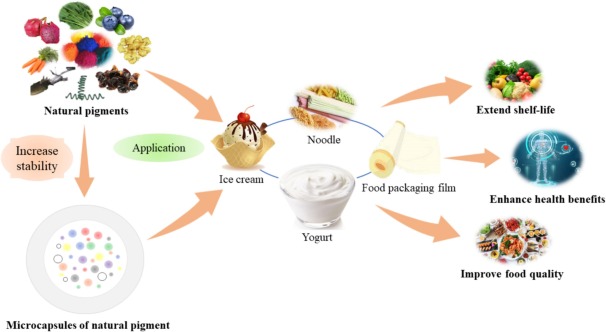
Highlights
- Natural Colorants: Using microorganisms to replace synthetic dyes.
- Nutritional and Functional Benefits: Providing antioxidative, preservative, and potential health-enhancing properties.
- Wide-Ranging Applications: From processed foods and beverages to animal feeds and supplements.
Introduction
Microbial pigments have emerged as an important tool in the food industry, providing a natural and sustainable solution for color enhancement, flavoring, and nutritional supplementation. Derived from bacteria, fungi, algae, and cyanobacteria, these pigments offer an appealing alternative to synthetic colors and additives. Due to growing consumer demand for natural ingredients and cleaner labels, the use of microbial pigments has grown considerably, finding applications not only in human food products but also in animal feed and dietary supplements.
The natural origin of these pigments ensures that they are environmentally friendly and often confer additional health benefits. Some pigments possess antioxidant properties, which contribute to the nutritional value and shelf-life of food products. Moreover, many microbes produce pigments consistently throughout the year regardless of season, allowing for scalability and stable supply. This comprehensive exploration seeks to discuss the various functions and applications of microbial pigments in the food industry, along with detailed examples and the advantages they offer over conventional synthetic colorants.
Diverse Sources and Types of Microbial Pigments
Microbial pigments represent a variety of chemically diverse groups that are naturally synthesized by various microorganisms. These include bacteria, fungi, algae, and cyanobacteria, each with its unique biosynthetic pathway that results in a wide array of pigment colors and properties. Frequently encountered pigments include carotenoids, flavins, melanins, quinones, monascins, and violacein. These compounds not only provide vibrant hues but often contain properties that improve the nutritional and sensory qualities of food products.
Carotenoids
Carotenoids are one of the most significant groups of microbial pigments. They are responsible for producing yellow, orange, and red hues in many food items. For example, β-carotene, a vibrant pigment produced by fungi such as Blakeslea trispora, finds application as a colorant in dairy products, baked goods, and beverages. Moreover, aside from their coloring ability, carotenoids function as antioxidants and can contribute to overall health by neutralizing free radicals.
Monascus Pigments
Pigments produced by the fungus Monascus purpureus are widely used in Asian cuisines. They deliver a rich red tone, essential for traditional foods such as fermented rice products. In addition to adding aesthetic appeal, these pigments have been noted for their potential health benefits, including cholesterol management, making them attractive in both traditional and contemporary functional food applications.
Astaxanthin
Astaxanthin is recognized for its potent antioxidant properties. Derived from various microbial sources including certain yeasts and algae, it is not only used for human supplements but also routinely incorporated into aquaculture feeds to enhance the pigmentation of farmed fish such as salmon. The presence of astaxanthin improves the flesh color of fish, thereby increasing consumer appeal while contributing to overall nutritional benefits.
Applications in the Food Industry
Microbial pigments serve a myriad of applications across different segments of the food industry. They are especially valued as natural colorants, which provide alternatives to synthetic dyes that may be associated with health and environmental concerns. The following sections provide a detailed discussion on the specific applications of these pigments in various food-related sectors.
Color Enhancement and Preservation
Natural Food Colorants
One of the primary uses of microbial pigments is as natural food colorants. Food manufacturers have increasingly adopted pigments like β-carotene, riboflavin, and various forms of Monascus pigments to imbue products with vibrant, stable colors. This is particularly useful in processed foods where maintaining consistent appearance is critical for consumer acceptance. For instance, riboflavin (vitamin B2), produced by Bacillus subtilis, offers not only a distinct yellow coloration but also fortifies the food with nutritional value. Similarly, pigments such as astaxanthin contribute to the red to orange spectrum, essential for applications in dairy, confectionery, and beverage industries.
Antioxidant and Preservation Properties
Beyond mere coloration, many microbial pigments exhibit antioxidative properties that are beneficial in food preservation. The presence of antioxidants such as carotenoids can inhibit oxidative degradation, which is a common cause of spoilage in foods. This dual functionality supports both the visual appeal and the shelf-life of the product. In fermented food products like yogurt and cheese, for example, natural pigments not only enhance flavor and aesthetics but also contribute to the stability and improved storage conditions of these items.
Enhancing Nutritional Value and Functional Foods
Health-Boosting Microbial Pigments
Many microbial pigments are recognized for their additional health benefits. Carotenoids and astaxanthin, for example, are celebrated for their antioxidant activities, which help prevent cellular damage and support overall health. These compounds are integrated into functional foods and dietary supplements, offering dual benefits as both a coloring agent and a nutritional enhancer.
In addition to vitamins and antioxidants, pigments such as riboflavin are essential micronutrients, further raising the profile of these natural additives. Their incorporation into food products not only provides a more natural product appeal but also positions them as functional ingredients that contribute to a balanced diet.
Applications in Fermented Foods and Beverages
Fermented foods have always valued natural colors and flavors. Recent innovations involve the use of lactic acid bacteria, where pigments play a crucial role not only in color but also in the sensory quality of products such as yogurts, cheeses, and fermented rice. Additionally, pigments like phycocyanin extracted from Spirulina (a type of cyanobacteria) have been successfully incorporated into soft drinks and nutritional beverages, offering natural blue hues that are visually appealing and nutritionally beneficial.
Animal Feed and Aquaculture
Enhancing Aesthetics and Growth in Aquaculture
The aquaculture industry particularly benefits from microbial pigments. For example, astaxanthin is commonly included in the diets of farmed fish such as salmon and trout, improving the pink-red coloration of their flesh. This not only meets consumer expectations for visually appealing seafood but also contributes to the health and wellbeing of the fish. In addition, pigments are used to enhance the color of eggs and poultry through feed supplementation, ensuring that animal products meet the quality standards expected by consumers.
Optimizing Animal Growth and Health
The benefits of microbial pigments extend to animal nutrition. Certain pigments have been noted to support growth rates in animals due to their antioxidant effects and nutritional contributions. This is especially important in intensive farming systems where maintaining animal health is paramount. The controlled use of these pigments in feed leads to improved pigmentation of products and may offer enhanced resistance to oxidative stress, which in turn contributes to higher overall productivity and quality.
Commercial Extraction and Industrial Scalability
Commercial interest in microbial pigments has led to the development of scalable extraction techniques that ensure consistent quality and yield. Advances in biotechnological processes have optimized microbial fermentation, extraction, and purification methods, making it economically viable to use these natural pigments on an industrial scale. This scalability supports the production of high-quality natural food colorants that meet regulatory standards and consumer demands.
In addition, innovations in genetic engineering have allowed for the enhancement of pigment production in microorganisms, further increasing yields and diversifying the range of available pigments. These technological advancements reduce reliance on traditional synthetic colorants, leading to more sustainable manufacturing practices and cleaner labels for food products.
Comparative Overview and Summary Table
For clarity, the following table summarizes major microbial pigments and their diverse applications in the food industry:
| Microbial Pigment | Source Microorganism | Primary Color | Key Applications | Notable Functional Benefits |
|---|---|---|---|---|
| β-Carotene | Blakeslea trispora, Dunaliella salina | Yellow-Orange | Processed foods, dairy, baked goods | Antioxidant properties; vitamin precursor |
| Monascus Pigments | Monascus purpureus | Red | Fermented rice, traditional Asian foods | Cholesterol management; flavor enhancement |
| Astaxanthin | Yeasts, algae | Red-Orange | Aquaculture feeds, dietary supplements | Strong antioxidant; enhances flesh pigmentation |
| Riboflavin (Vitamin B2) | Bacillus subtilis | Yellow | Beverages, instant desserts, ice creams | Nutritional fortification; natural dye |
| Phycocyanin | Spirulina (Cyanobacteria) | Blue | Dairy products, soft drinks | High protein content; antioxidant qualities |
Advantages Over Synthetic Colorants
Microbial pigments offer multiple advantages compared to their synthetic counterparts. They provide a natural, potentially safer alternative that aligns with the growing consumer trend favoring clean labels and natural ingredients. The extraction process tends to be more environmentally sustainable, and the stability of microbial pigment production throughout the year ensures continuous supply, thereby reducing dependency on seasonal agricultural products.
Additionally, microbial pigments allow food producers to enhance the nutritional profile of their products. For instance, carotenoids and riboflavin not only impart desirable colors but also offer antioxidant properties and essential vitamins. This multifaceted functionality is particularly significant considering the expanding market for functional foods that deliver enhanced health benefits alongside great taste and appearance.
Regulatory and Market Considerations
One of the key factors driving the adoption of microbial pigments is their alignment with increasingly strict food safety regulations and consumer demands for transparency. Regulatory agencies across the globe are placing greater scrutiny on synthetic additives, prompting manufacturers to seek natural alternatives. Microbial pigments, with their natural origin and proven safety profiles, meet many of these requirements.
Market trends also reflect a growing preference for naturally derived food ingredients. The clean-label movement has spurred innovation in food processing, leading manufacturers to not only replace synthetic additives with microbial pigments but also to market these natural ingredients as a value proposition for health-conscious consumers. In addition, as biotechnology continues to advance, improvements in microbial pigment extraction and production are likely to drive down costs and further cement their place in the global food market.
Future Perspectives and Emerging Trends
The use of microbial pigments is an evolving field, influenced by current technological advances and consumer demands. Looking ahead, research is focused on optimizing fermentation techniques, genetically engineering pigment-producing microbes to boost yields, and exploring new microbial strains that can produce novel pigments with unique functional properties. These developments are expected to streamline production methods and open up new applications in the food industry.
Furthermore, advancements in sustainable production processes are likely to make microbial pigments even more competitive relative to synthetic dyes. The continuing trend towards environmentally friendly manufacturing, combined with the public’s growing awareness of the benefits of natural products, points to a bright future for these pigments in various food applications—from everyday food items to specialized functional foods designed to promote health and wellness.
References
-
PMC Article on Microbial Pigments - NCBI
- Microbial Pigments in the Food Industry – Frontiers in Nutrition
- Sustainable Food Systems Article – Frontiers
-
NCBI Article on Microbial Pigments – PMC
-
ScienceDirect Article on Microbial Pigments
Recommended Queries
Last updated March 7, 2025