
Unveiling the Journey of a Musical Legend: A Comprehension Adventure
Explore the captivating story of a renowned artist from their early days to their rise to stardom.
Highlights of a Musician's Life Story
- Childhood Roots Matter: Understanding a musician's early life and background often reveals the foundational elements that shaped their artistry and career.
- Beyond the Notes: Biographies provide insights into the personal struggles, inspirations, and pivotal moments that define a musician's journey, making their music even more meaningful.
- Crafting the Narrative: A compelling musician's biography isn't just a list of facts; it's a story that engages the reader, highlighting key achievements and the unique identity of the artist.
Welcome, young readers, to an exciting journey into the life of a famous musician! Today, we will explore the early life and incredible path to success of a singer whose music has touched millions. Understanding a musician's background, especially their childhood, can give us a deeper appreciation for their talent and the stories they tell through their songs. This exercise will test your reading skills and help you discover how influential early experiences can be in shaping a person's future. Let's dive in and learn about a true icon!
Reading Passage: The Early Harmonies of Stevie Wonder
From Michigan Prodigy to Global Icon
Stevland Hardaway Judkins, known globally as Stevie Wonder, was born on May 13, 1950, in Saginaw, Michigan. His entry into the world was complicated; he was born six weeks prematurely, which led to a condition that left him blind. Despite this profound challenge, Stevie's childhood was filled with music. His mother, Lula Mae Hardaway, who divorced his father when Stevie was four, encouraged his natural inclination towards music. He was exposed to various sounds from a very young age, absorbing everything around him.
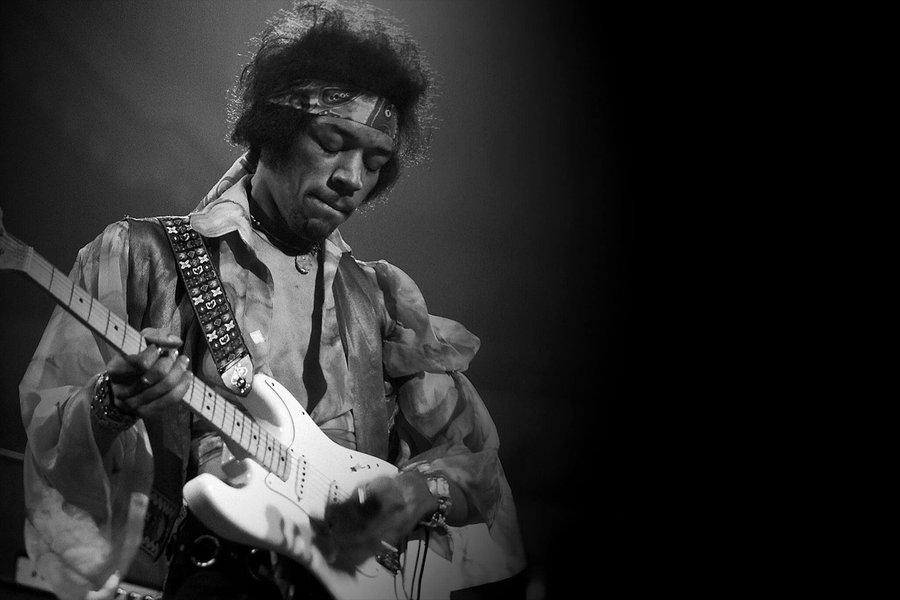
A youthful portrait of Stevie Wonder, highlighting the early days of a musical legend.
Even before he was a teenager, Stevie's talent was undeniable. He taught himself to play several instruments, including the piano, harmonica, and drums, displaying an extraordinary aptitude for melody and rhythm. His passion for music was not just a hobby; it was his way of experiencing and understanding the world. At the age of 11, he was discovered by Ronnie White of the Motown group The Miracles. Impressed by the young boy's raw talent, White introduced him to Berry Gordy, the founder of Motown Records. Gordy quickly signed him, changing his name to "Little Stevie Wonder" because of his incredible abilities. This marked the beginning of an astonishing career that would see him become one of the most celebrated and innovative musicians of all time.
Stevie Wonder's journey from a blind child in Saginaw, Michigan, to a multi-Grammy-winning artist is a testament to his resilience, immense talent, and unwavering dedication to music. His childhood, shaped by early challenges and a deep connection to sound, laid the groundwork for a career that redefined genres and inspired generations.
Comprehension Exercise: Test Your Understanding!
Multiple Choice Questions
-
What is the main context of the reading passage you just read?
- A fictional story
- A news report
- A biography
- A scientific article
-
In the sentence, "Despite this profound challenge, Stevie's childhood was filled with music," what is the closest meaning of the word "profound," and what part of speech is it?
- Simple; Adjective
- Deep; Adjective
- Shallow; Noun
- Sudden; Adverb
-
In the sentence, "White introduced him to Berry Gordy, the founder of Motown Records," what does the pronoun "him" refer to?
- Ronnie White
- Berry Gordy
- Stevie Wonder
- The Miracles
-
Which of the following best describes Stevie Wonder's musical aptitude as a child?
- He was a quick learner who focused on only one instrument.
- He showed little interest in music until he was discovered.
- He displayed an extraordinary talent for playing multiple instruments at a young age.
- He preferred listening to music rather than playing it.
-
Where was Stevie Wonder born?
- New York City, New York
- Detroit, Michigan
- Saginaw, Michigan
- Los Angeles, California
-
What significant event happened when Stevie Wonder was 11 years old?
- He released his first album.
- He was discovered by Ronnie White and signed to Motown Records.
- He started a band with his friends.
- He learned to read music for the first time.
Fill-in-the-Blank Questions (Essay Format)
- Stevie Wonder's early life was marked by the challenge of __________, but he overcame this by developing an extraordinary talent for __________. This shows that even with difficulties, passion and dedication can lead to great achievements.
- When Stevie was four, his mother __________. This early family dynamic, combined with his exposure to music, played a crucial role in shaping his __________.
- Stevie Wonder was discovered by __________ from the Motown group The Miracles when he was __________ years old. This discovery led to him being signed by __________ and renamed "Little Stevie Wonder," marking the beginning of his legendary career.
Answers
Multiple Choice Answers
- C) A biography
- B) Deep; Adjective
- C) Stevie Wonder
- C) He displayed an extraordinary talent for playing multiple instruments at a young age.
- C) Saginaw, Michigan
- B) He was discovered by Ronnie White and signed to Motown Records.
Fill-in-the-Blank Answers
- Stevie Wonder's early life was marked by the challenge of blindness, but he overcame this by developing an extraordinary talent for music/playing instruments. This shows that even with difficulties, passion and dedication can lead to great achievements.
- When Stevie was four, his mother divorced his father and moved with her three children. This early family dynamic, combined with his exposure to music, played a crucial role in shaping his musical inclination/future.
- Stevie Wonder was discovered by Ronnie White from the Motown group The Miracles when he was 11 years old. This discovery led to him being signed by Berry Gordy/Motown Records and renamed "Little Stevie Wonder," marking the beginning of his legendary career.
The Essence of a Musician's Biography
More Than Just Dates and Achievements
A musician's biography is far more than a simple listing of birth dates, albums, and awards. It's a narrative that captures the essence of an artist, delving into the influences, struggles, and triumphs that shape their creative output. As we saw with Stevie Wonder, details about his premature birth and blindness, and his mother's encouragement, are not just facts; they are crucial elements that explain the profound connection he developed with sound and his unique approach to music.
Effective musician bios, whether for established legends or emerging artists, often follow a structured approach. They typically begin with an engaging introduction that hooks the reader, establishing the artist's name and musical identity. This is followed by background information, detailing their early life, upbringing, and the environment that fostered their musical inclinations. Describing their unique sound and genre is vital, allowing readers to understand their artistic style. Career highlights and achievements, such as notable performances, awards, chart success, and collaborations, provide a concrete measure of their impact and journey. Finally, including personal anecdotes or quotes can add depth and personality, making the bio more relatable and memorable. The goal is to tell a compelling story that makes readers want to learn more, listen to their music, or even follow their career. Writing in the third person is generally recommended to maintain a professional and objective tone, making the bio suitable for various platforms like press kits, websites, and promotional materials.
"Frank Sinatra - American Singer, Actor, And Producer | Mini Bio | BIO" - This video offers a concise look into the life of another legendary singer, Frank Sinatra, providing a great example of how key biographical details are presented.
Key Elements of a Compelling Musician Biography
Crafting a compelling musician's biography requires a thoughtful combination of storytelling and factual reporting. Here are the essential components:
Engaging Introduction
Start with a captivating hook that introduces the artist's name and their primary musical identity (e.g., singer-songwriter, guitarist, electronic producer). This sets the tone and immediately tells the reader who the subject is.
Background and Musical Journey
This section explores the artist's origins, including their birthplace, family background, and how they first encountered music. It highlights early influences, formative experiences, and the pivotal moments that led them to pursue music as a career. For instance, in Stevie Wonder's case, his early childhood blindness and his mother's role were fundamental to his development.
Musical Style and Sound
Describe the artist's unique sound, genre, and lyrical themes. This helps readers understand what their music sounds like and what messages or emotions it conveys. Using vivid adjectives and comparisons can be effective here.
Career Highlights and Achievements
Detail significant accomplishments such as album releases, awards (Grammys, etc.), chart successes, notable performances (festivals, tours), and collaborations with other artists. This section provides concrete evidence of their impact and success.
Personal Touch and Vision
Incorporate elements that reveal the artist's personality, philosophy, or vision. This could include quotes from the artist, anecdotes, or insights into their creative process. This humanizes the artist and makes the biography more relatable.
Future Endeavors (Optional but Recommended)
If applicable, mention current projects, upcoming releases, or future plans. This keeps the biography current and generates excitement for what's next.
Understanding a Musician's Journey Through Their Bio
The Narrative Arc of Musical Success
A well-crafted musician's biography offers more than just a list of facts; it tells a compelling story, revealing the narrative arc of their journey. This narrative typically includes:
- The Origin Story: This covers childhood, family, and early exposure to music. For many artists, like Johnny Cash, born to "poor Southern Baptist sharecroppers," or Bob Dylan, growing up in a mining town, these humble beginnings are integral to their persona and art.
- The Spark of Inspiration: What ignited their passion for music? Was it a particular song, an instrument, or a mentor? Ed Sheeran, for example, began writing songs around age eleven.
- Challenges and Perseverance: Every artist faces obstacles. These could be personal, like Stevie Wonder's blindness, or professional, like struggles to break into the industry. Overcoming these challenges often defines their character and resilience.
- Breakthrough Moments: The turning points that launched their careers, such as being discovered by a record label, a hit song, or a memorable performance.
- Evolution and Legacy: How their music and artistry have developed over time, and the lasting impact they've had on the industry and their fans.
Here's a simplified table summarizing key biographical elements for various famous musicians:
| Musician | Notable Childhood/Early Life Detail | Key Musical Contribution/Impact |
|---|---|---|
| Stevie Wonder | Born prematurely, blind from birth; encouraged by mother in Saginaw, Michigan. Self-taught multiple instruments. | Child prodigy at Motown, pioneered soul, R&B, pop fusion; innovation with synthesizers; social activism. |
| Elvis Presley | Musical talents took root during a lonely childhood. | "King of Rock and Roll"; introduced rockabilly music; iconic performer. |
| Johnny Cash | Son of poor Southern Baptist sharecroppers in Kingsland, Arkansas. | "Man in Black"; country music icon; known for rebellion and redemption themes. |
| Bob Dylan | Grew up in Hibbing, Minnesota; father co-owned a furniture company. | Folk music legend; influential songwriter; Nobel Prize in Literature. |
| Johann Sebastian Bach | Born into a musical family; orphaned before age 10, raised by elder brother. | Baroque composer; master of counterpoint; prolific works for various instruments. |
| Michael Jackson | Eighth of 10 children; lead singer of The Jackson 5 as a child. | "King of Pop"; iconic dancer; record-breaking albums and global influence. |
| Ed Sheeran | Born in Halifax, West Yorkshire; raised in Framlingham, Suffolk; began writing songs at age eleven. | Contemporary singer-songwriter; known for acoustic pop and loop pedal performances. |
The Multi-faceted Impact of Musician Biographies
Beyond Entertainment: Education and Inspiration
Musician biographies serve multiple purposes, extending beyond mere entertainment. For young learners, they can be valuable tools for reading comprehension, allowing them to practice identifying main ideas, understanding vocabulary in context, and recognizing cause and effect relationships within a narrative. These biographies also offer historical and cultural insights, illustrating how music reflects and influences society.
Moreover, stories of musicians overcoming adversity, developing their unique talents, and achieving success can be profoundly inspiring. They demonstrate the power of perseverance, creativity, and self-expression. For aspiring artists, these narratives provide a roadmap, highlighting the dedication and hard work required to succeed in the music industry. They show that behind every chart-topping hit or legendary performance is a human story, often filled with challenges, sacrifices, and unwavering passion.
To illustrate the varied dimensions of a musician's life, we can use a radar chart. This chart will visually represent different aspects that are often explored in a comprehensive musician's biography, offering a holistic view of what makes an artist impactful.
The radar chart above visually compares three iconic musicians—Stevie Wonder, Elvis Presley, and Johann Sebastian Bach—across several key biographical dimensions: Musical Talent, Innovation, Resilience, Cultural Impact, Personal Journey, and Performance Charisma. As you can see, each artist excels in different areas, reflecting their unique contributions and life experiences. For example, Bach scores highly in Musical Talent and Cultural Impact due to his foundational influence on classical music, while Stevie Wonder demonstrates high scores across the board, particularly in Innovation and Resilience, reflecting his groundbreaking music despite early life challenges. Elvis Presley, on the other hand, stands out for his immense Cultural Impact and Performance Charisma, which revolutionized popular music.
Frequently Asked Questions
What makes a musician's biography effective?
Why is a musician's childhood often included in their biography?
How can reading biographies improve comprehension skills for primary school students?
Are there different types of musician biographies?
Conclusion
Understanding the life story of a musician, especially their early beginnings, offers a rich tapestry of learning. As we've seen with Stevie Wonder, his childhood challenges and musical inclinations were not just footnotes but integral chapters in his journey to becoming a global icon. Biographies like his provide valuable insights into the human spirit, demonstrating how passion, perseverance, and unique experiences shape artistic expression and impact the world. By engaging with these stories, young readers not only enhance their comprehension skills but also gain inspiration from the lives of those who turned their dreams into legendary legacies.
Recommended Further Exploration
- Explore the captivating lives of famous jazz singers and their musical journeys.
- Discover how childhood influences lay the groundwork for musical genius.
- Learn about the profound cultural and social impact of Stevie Wonder's extraordinary music.
- Uncover professional tips for crafting an engaging and effective musician's biography.
