
Piezoelectric Success Across Countries and Challenges Faced
A Global Perspective on Innovation, Applications, and Obstacles
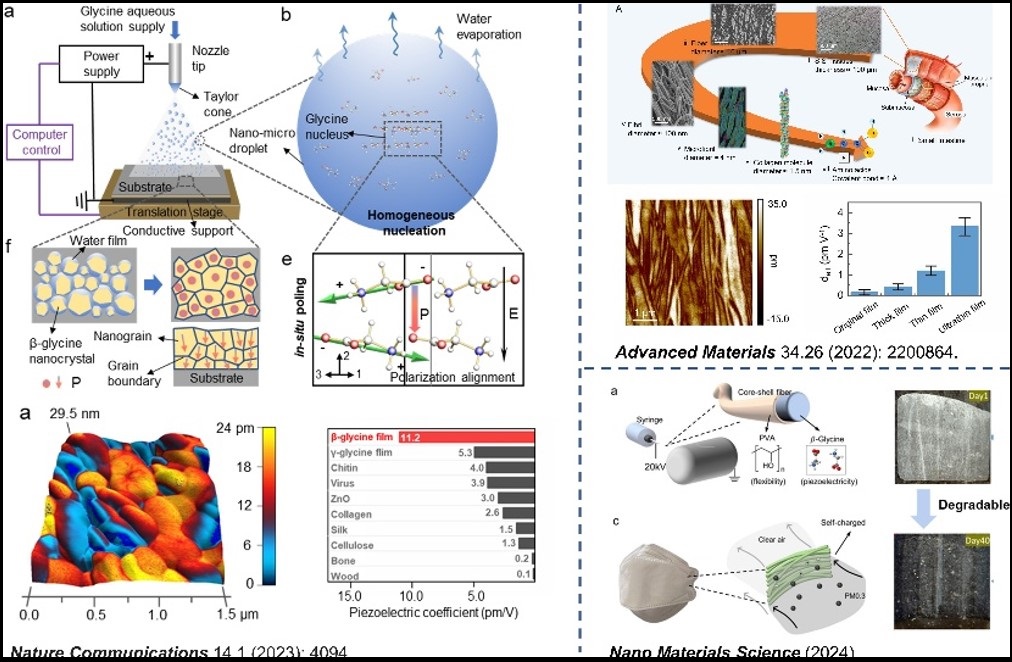
Key Highlights
- Global Success Stories: Japan, the United States, Europe, and emerging markets showcase diverse innovations.
- Shared and Unique Challenges: Issues such as high manufacturing costs, efficiency limitations, and environmental durability are common obstacles.
- Collaborative Approaches for Advancement: Emphasis on research, development, and cross-border collaboration to overcome technical and market barriers.
Introduction to Piezoelectric Technology
Piezoelectric technology is a field that converts mechanical stresses into electrical energy and vice versa, utilizing materials like crystals, ceramics, and novel polymers. The phenomenon was initially discovered by Pierre and Jacques Curie in the 19th century, and since then, its applications have spanned across diverse sectors including healthcare, automotive, aerospace, and renewable energy. With an increasing global emphasis on sustainable energy and precision technology, piezoelectric innovations have proven pivotal. However, waves of success and challenges have emerged differentially across regions, mandating both local adaptations and global collaborations.
Regional Success Stories
Various countries have achieved significant advancements in piezoelectric technology through tailored innovations, supportive government policies, and targeted research and development investments. The success can be broadly categorized by geographic and economic regions, each contributing uniquely to the global landscape.
Japan: A Pioneer in Piezoelectric Innovation
Advanced Manufacturing and Collaborative Research
Japan has emerged as a dominant leader in the piezoelectric arena. The nation's strategy includes a robust collaboration between industry, academia, and government institutions. Historically, Japanese manufacturers have excelled in overcoming technical challenges through information sharing and joint research initiatives. This collaborative approach has led to the production of high-performance piezoelectric devices that serve in critical applications such as ultrasonic imaging in healthcare, precision filters in telecommunications, and actuators in advanced robotics.
A significant milestone was set with the creation of research committees and consortiums dedicated to piezoelectric advancements, where challenges such as performance stability and adapting to high-temperature environments were addressed. Japanese companies have adeptly balanced cost management with technological innovation, which has allowed them to tap into new markets globally.
United States: Innovation Amidst Market Challenges
Breakthrough Applications and Research Investments
In the United States, the piezoelectric field has witnessed impressive technological breakthroughs despite encountering internal market challenges. Post World War II, American innovators began integrating piezoelectric devices into various applications from healthcare sensors to industrial automation instruments. A notable characteristic of the U.S. sector has been the development of innovative applications such as smart sensors and fine-tuned actuators used for environmental monitoring.
Government funding, especially through defense and research departments, has catalyzed breakthroughs in sensor technology and energy harvesting applications. However, a fragmented sharing of information and proprietary development practices have at times slowed collective market growth, leading to a more siloed innovation process compared to Japan’s collaborative culture.
European Union: Diverse Approaches and Sustainability Focus
Collaborative Projects and Sustainable Applications
Europe presents a unique mosaic of piezoelectric innovation characterized by a blend of competitive national industries and pan-European collaborations. Efforts such as the Horizon 2020 initiative have spurred cross-border research initiatives, particularly among Germany and France where automotive and aerospace sectors have integrated piezoelectric sensors for fuel injection systems and vibration control.
Additionally, there is a strong drive towards sustainability across the continent. European countries have proactively incorporated piezoelectric energy harvesting techniques to capture energy from ambient vibrations in urban settings, aiming to power low-energy devices and to contribute to the green energy agenda. This has not only improved efficiency in energy usage but also stimulated market growth and innovation.
Asia Pacific and Other Emerging Markets
Rapid Growth and Government Initiatives
Outside of Japan, countries in the Asia Pacific region such as China, India, Singapore, and Australia are increasingly investing in piezoelectric technology. These nations are witnessing rapid industrial growth and are deploying piezoelectric sensors in healthcare diagnostics, automotive safety features, and environmental monitoring.
For instance, governments in these regions have introduced incentives to support the setup of new production plants, simultaneously boosting local manufacturing capabilities. The broad push for sustainability and technological advancement is making these markets dynamic players on the global stage. The market expansion in these areas contributes immensely to the projected growth of the global piezoelectric devices market, expected to reach significant valuation milestones in the next decade.
Common Challenges in Piezoelectric Technology
While piezoelectric technology presents promising prospects, its evolution is not without significant hurdles. Across various countries, both common and region-specific challenges impede wide-scale adoption. The challenges can be grouped into technical, economic, and integration-related issues.
Material Efficiency and Performance Limitations
Technical Barriers
One of the foremost technical limitations is the inherently low power output of piezoelectric materials. Typically, the energy generated is in the microwatt range, which is suitable for low-power electronics but poses challenges for high-demand applications. Researchers are actively working on improving the energy conversion efficiencies, with particular attention to enhancing the performance of lead-free piezoceramics. While traditional materials maintain high performance, the move towards environmentally friendly alternatives introduces new challenges in stability and efficiency.
In addition to energy efficiency, issues such as hysteresis and energy loss during the conversion process reduce the overall effectiveness of piezoelectric devices. Frequency constraints further complicate the scenario, as piezoelectric materials operate most efficiently at certain resonant frequencies. Any deviation from these optimized frequencies results in significant performance drops. This means that careful design and system integration are critical for ensuring optimal performance.
Cost Implications and Economic Barriers
High Manufacturing and Development Costs
The financial aspect of deploying piezoelectric systems remains a challenge around the globe. High initial manufacturing costs, driven by specialized production techniques and advanced materials, often pose a barrier, particularly for emerging economies. While technological advancements may eventually drive costs down, the upfront investment required for research, development, and production can be prohibitively high.
In the U.S., for instance, the culture of secrecy and proprietary technology further exacerbates cost issues by stifling widespread collaboration that could reduce research and development expenditures. Conversely, countries that adopt a more open innovation model, like Japan, are better positioned to manage and potentially lower these costs.
Environmental and Integration Challenges
Durability and System Complexity
Another challenge lies in the durability and environmental robustness of piezoelectric materials. Extreme conditions such as high temperatures, humidity, and mechanical stress can degrade materials, impacting both their lifespan and performance. This is particularly critical in sectors like aerospace and automotive, where reliability is paramount. Moreover, integrating piezoelectric devices into existing systems often demands significant redesigns due to size, weight, and power constraints.
Integration issues are compounded by the need for matching resonant frequencies and the correct mechanical load conditions. Such precision engineering demands advanced design and testing protocols, increasing complexity and cost. The scaling-up process for manufacturing these devices further adds challenges, as consistency and quality control become more demanding with larger production volumes.
Skilled Labor and Regulatory Barriers
Workforce and Policy Constraints
A less tangible but critical challenge is the shortage of skilled labor in the field of piezoelectric technology. As the industry pushes toward novel applications and more sophisticated manufacturing processes, the demand for expertise in material science, engineering, and systems integration increases. This shortage can limit the pace of innovation and hinder effective commercialization.
Regulatory challenges also vary by country. For example, differing safety and environmental standards can delay the implementation of new piezoelectric technologies across borders. Ensuring compliance with diverse regulatory frameworks often requires additional resources and time, which can slow innovation and expansion.
Detailed Comparative Analysis
To provide further clarity over the different aspects of piezoelectric technology, the following table summarizes critical successes and challenges across key regions:
| Region | Key Successes | Main Challenges |
|---|---|---|
| Japan |
|
|
| United States |
|
|
| European Union |
|
|
| Asia Pacific |
|
|
This table illustrates that while each region boasts its own set of successes, common threads such as technical challenges, high production costs, and integration complexities persist universally.
Strategies to Overcome Challenges
Addressing the challenges requires a multifaceted and cooperative approach. Emphasis on research and collaborative innovation stands as the primary strategy. Here are some strategies that could help mitigate the challenges:
Investment in Research and Development
Fostering Innovation through Funding
Governments and private sectors across the globe are increasingly investing in research and development to push the boundaries of piezoelectric applications. In Japan and the European Union, public-private partnerships facilitate shared research endeavors that target material efficiency and durability improvements. In the United States, increased funding in sensor technology and energy harvesting projects is enhancing the innovation ecosystem, albeit with challenges in market integration.
Advances in Material Science
Pursuing High-Performance, Sustainable Materials
The shift from lead-based to lead-free piezoceramics is a major area of research aimed at engineering materials that maintain high performance while being environmentally safe. Extensive studies into new composites, nanostructured ceramics, and polymers are underway to address inefficiencies and improve energy output. These scientific breakthroughs are expected to help lower costs over time as production methods evolve.
Regulatory Harmonization and Workforce Development
Streamlining Standards and Enhancing Expertise
Harmonizing international regulatory standards can drastically reduce the time-to-market for new devices derived from piezoelectric technology. Furthermore, investing in workforce training and education in STEM fields is essential to foster a pool of skilled professionals capable of overcoming both design and production challenges. These strategies not only address the skilled labor shortage but also ensure that innovations in piezoelectric technology are robust and market-ready.
Looking Forward
As piezoelectric technology continues to evolve, its applications are expected to become more expansive and efficient. Despite challenges related to efficiency, cost, and integration, the collaborative efforts seen in regions like Japan, Europe, and emerging Asia Pacific markets serve as inspiration for how interdisciplinary cooperation can yield breakthroughs. The strategic focus on advancing research and fostering international standards promises to drive further innovation in this field.
The future of piezoelectric technology will likely be characterized by integrated systems that leverage enhancements in materials science and precision engineering. With sustained investments in technology and workforce expertise, piezoelectric devices may soon achieve broader applicability, powering next-generation biomedical devices, sustainable urban infrastructures, and advanced aerospace systems.
References
- Motion Systems and Piezoelectric Motors: Revolutionizing Precision Technology - IPS News
- Piezoelectric Devices Market Worth $55.49 Billion by 2030 - PR Newswire
- Unlocking Japanese Innovation: The Global Impact of Piezoelectric Elements - Newji
- Piezoelectricity - Wikipedia
-
A Comprehensive Review on Piezoelectric Applications - ScienceDirect
Recommended Related Queries
Last updated March 15, 2025