
Unlock Your Python Prowess: A Strategic Guide to Coding Practice and MCQ Mastery
Navigate the path to Python proficiency with targeted exercises and effective MCQ preparation techniques.
Essential Insights for Your Python Journey
- Diverse Practice Platforms: Leverage a mix of websites offering coding exercises from beginner to advanced levels, ensuring a well-rounded practical skillset.
- Targeted MCQ Preparation: Utilize specialized online quizzes and tests to sharpen your conceptual understanding and readiness for assessments.
- Consistent, Structured Learning: Combine regular coding practice with project-based learning and focused MCQ drills for comprehensive Python mastery.
Mastering Python Through Dedicated Practice
Becoming proficient in Python requires more than just understanding theory; it demands consistent, hands-on practice. By engaging with a variety of exercises and challenges, you can solidify your knowledge and develop robust problem-solving skills.
The Foundational First Steps
Before diving into complex problems, ensure you have a strong grasp of Python's fundamentals. This includes:
- Variables and Data Types: Understanding how Python stores and manipulates different kinds of data (integers, floats, strings, booleans, lists, dictionaries, etc.).
- Control Structures: Mastering
if-elsestatements for conditional logic andforandwhileloops for iteration. - Functions: Learning to write modular and reusable code by defining and calling functions.
- Object-Oriented Programming (OOP): Grasping concepts like classes, objects, inheritance, and polymorphism as you advance.
Dive into Hands-On Coding Exercises
Numerous online platforms cater to different skill levels, offering a wealth of practice problems.
Beginner-Friendly Platforms
These sites are excellent starting points, often providing gentle introductions and clear explanations:
- W3Schools: Offers interactive tutorials, examples, and exercises covering basic Python concepts, along with a quiz to test your knowledge.
- PracticePython.org: Features over 40 beginner-friendly exercises, often accompanied by discussions and solutions, focusing on core concepts.
- PYnative: Provides topic-specific exercises (over 220) for Python basics, data structures, and more, complete with hints and solutions. Ideal for focused learning.
- Exercism: Offers 140+ Python exercises with a unique mentoring system where you can get feedback on your code, helping you write more idiomatic Python.
- CodingBat: Great for practicing small, focused problems on strings, lists, and logic, helping to build foundational coding muscle.
Intermediate to Advanced Challenges
Once you're comfortable with the basics, challenge yourself with more complex problems:
- HackerRank (Python Domain): A popular platform with a wide array of coding challenges, algorithmic problems, and interview preparation kits.
- Codewars: Offers "kata" (coding challenges) ranked by difficulty, allowing you to improve by solving increasingly complex problems and comparing solutions.
- W3resource: Boasts an extensive collection of Python problems (over 9000), categorized by topic and difficulty, with solutions provided.
- LeetCode: While often associated with interview preparation for software engineering roles, it's an excellent resource for tackling algorithmic problems in Python.
- Advent of Code: Provides an annual set of Christmas-themed programming puzzles that can be solved in any language, offering fun and challenging problems.
Structured Learning & Daily Habits
Consistency is key. Adopting structured learning paths and daily coding habits can significantly accelerate your progress:
- "100 Days of Code": A popular challenge encouraging daily coding for at least an hour, often involving working on small projects or specific exercises.
- Topic-Specific Deep Dives: Platforms like PYnative allow you to focus intensely on specific areas like file handling or data manipulation until you master them.
- Idiomatic Python: Resources like Exercism, with its mentoring, emphasize writing code that is not just functional but also follows Python best practices.
Solidify Skills with Project-Based Learning
Applying your Python skills to build real-world (or simulated real-world) projects is one of the most effective ways to learn. Start with simple projects like a basic calculator or a to-do list app, and gradually move to more complex ones like web scrapers, data analysis tools, or simple games. This approach bridges the gap between knowing individual concepts and understanding how they integrate into a complete application.
Conquering Python MCQs: Test Your Conceptual Might
Multiple Choice Questions (MCQs) are a common way to assess your understanding of Python's syntax, core concepts, libraries, and best practices. Preparing for MCQs helps in quick recall, solidifies theoretical knowledge, and is invaluable for academic exams, certifications, and job interviews.
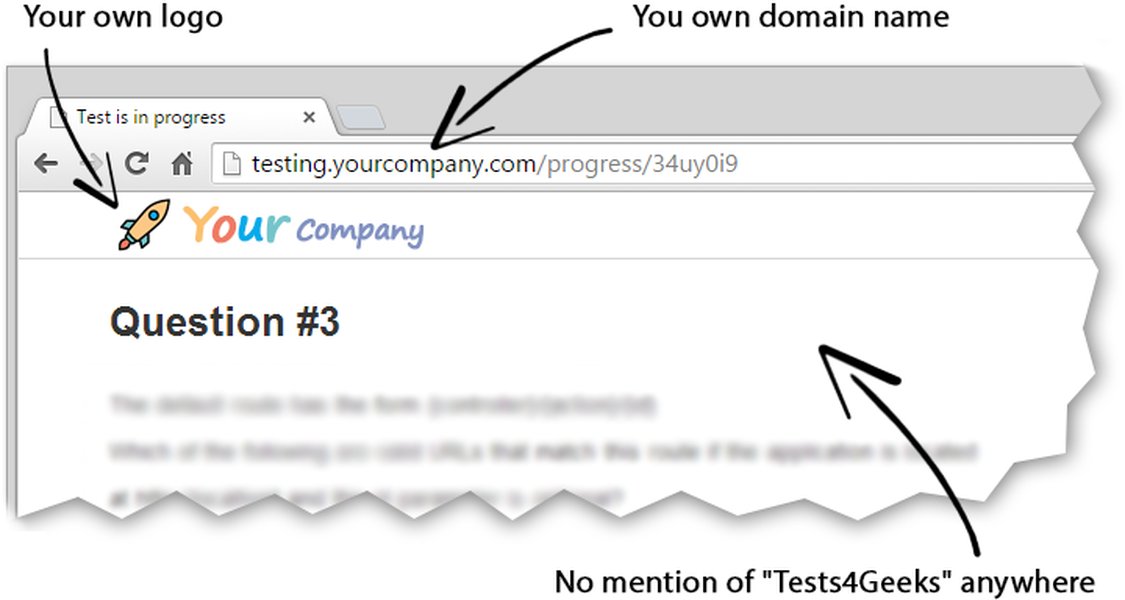
An example of an online testing environment, similar to what you might encounter for Python MCQs.
Why MCQs Matter
- Conceptual Clarity: MCQs often test nuanced understanding of Python features, such as scope rules, data type behaviors, and standard library functions.
- Quick Assessment: They provide a fast way to gauge your knowledge across a broad range of topics.
- Exam & Interview Preparation: Many technical assessments and interviews include MCQs to quickly filter candidates.
Top Resources for Python MCQ Practice
Several online platforms offer extensive collections of Python MCQs:
- GeeksforGeeks (Python MCQs): Provides a vast array of MCQs covering fundamental to advanced Python topics, often with explanations for answers.
- W3Schools (Python Quiz): Offers a user-friendly quiz to test basic Python knowledge with instant feedback.
- Sanfoundry (Python Tests): Features over 1000 Python MCQs arranged chapter-wise, covering everything from basics to advanced concepts like loops, strings, and data structures.
- InterviewBit (Python MCQs): A good source for conceptual questions typical of interview scenarios, helping you prepare for technical screenings.
- PYnative (Python Quizzes): Offers topic-specific quizzes (e.g., on loops, functions, file handling) to test granular understanding.
- TutorialsTeacher: Provides online Python tests and quizzes designed to check your knowledge and prepare you for interviews.
Effective Strategies for MCQ Success
- Diagnose Weaknesses: Use MCQ results to identify topics where your understanding is shaky.
- Review Explanations: Don't just look at scores. Understand why correct answers are right and incorrect ones are wrong. Many platforms provide explanations.
- Targeted Practice: After identifying weak areas from MCQs, revisit those topics with coding exercises and further study.
- Timed Drills: If preparing for timed exams, practice MCQs under timed conditions to improve speed and accuracy.
- Understand Common Pitfalls: MCQs often test edge cases or common misconceptions. Regular practice helps you recognize these.
Visualizing Your Python Learning Toolkit: Platform Comparison
Choosing the right platforms for your Python practice can significantly impact your learning curve. The radar chart below offers a comparative view of some popular Python practice platforms based on key features. This is an opinionated analysis to help guide your choices. Scores are on a scale where higher values are generally more favorable for that specific criterion, with a minimum score of 1 (less emphasis) to 5 (strong emphasis).
This chart helps visualize how different platforms might cater to specific needs. For example, Exercism scores high on Feedback Quality and Community/Mentoring, making it great for learning idiomatic Python, while HackerRank excels in Advanced Challenges for those looking to push their algorithmic skills.
Mapping Your Python Learning Path
A structured approach to learning Python involves progressing through various stages, from understanding fundamental concepts to applying them in complex scenarios and testing your knowledge. The mindmap below illustrates a typical learning pathway, highlighting key areas of focus for both coding practice and MCQ preparation.
(Variables, Data Types, Control Flow, Functions, OOP Basics)"] PracticeCoding["Hands-on Coding Exercises"] Beginner["Beginner Platforms
(W3Schools, PracticePython, PYnative)"] Intermediate["Intermediate Challenges
(CodingBat, Simpler HackerRank/Codewars)"] Advanced["Advanced Problems
(HackerRank, Codewars, LeetCode, W3resource)"] Projects["Project-Based Learning"] SmallProjects["Small Scale Projects
(Calculator, To-Do List)"] ComplexProjects["More Complex Projects
(Web Scraper, Simple API, Data Analysis)"] MCQPrep["MCQ Preparation"] ConceptualQuizzes["Conceptual Quizzes
(GeeksforGeeks, Sanfoundry)"] PlatformTests["Platform-Specific Tests
(W3Schools Quiz, PYnative Quizzes)"] InterviewStyleMCQs["Interview-Style MCQs
(InterviewBit)"] ContinuousImprovement["Continuous Improvement"] Review["Review & Refactor Code"] Community["Engage with Communities
(r/learnpython, Exercism Mentoring)"] StayUpdated["Keep Up with New Features"]
This mindmap outlines a journey that starts with grasping Python's core, then moves into practical application through exercises of increasing difficulty and project work. MCQ preparation runs parallel, reinforcing theoretical understanding at each stage. Continuous learning and community engagement are vital throughout.
Integrating Practice for Maximum Impact
To truly master Python and excel in MCQs, it's not enough to practice coding and quizzes in isolation. A holistic approach that integrates these activities into a balanced study routine will yield the best results.
Creating a Balanced Study Routine
- Daily Dedication: Aim for consistent daily practice, even if it's just for 30-60 minutes for coding exercises and 15-20 minutes for MCQs. Regularity trumps sporadic long sessions.
- Alternate Focus: You might dedicate specific days to certain types of practice or alternate between intensive coding sessions and MCQ reviews.
- Combine Resources: Don't rely on a single platform. Use a mix – for instance, HackerRank for algorithmic challenges and GeeksforGeeks for comprehensive MCQ coverage.
- Track Progress: Many platforms allow you to track your solved problems and quiz scores. Use this to monitor your improvement and identify persistent weak spots.
The Power of Feedback and Community
- Analyze Solutions: When practicing coding exercises, don't just stop at a working solution. Compare your approach with official solutions or those from other users to learn new techniques and best practices. Many platforms like PYnative and Exercism offer detailed explanations or mentoring.
- Join Learning Communities: Participate in online forums and communities like Reddit's r/learnpython. You can ask questions, share your progress, and learn from the experiences of others.
- Seek Mentorship: Platforms like Exercism offer mentorship, providing personalized feedback on your code, which is invaluable for improving code quality and understanding.
Kickstart Your Python Practice: Beginner Exercises
Watching how others approach problems can be very insightful, especially when you're starting out. This video provides a look at beginner Python exercises, which can help you understand problem-solving patterns and common Python syntax in action. It's a great way to see concepts applied practically.
The video titled "Python Exercises for Beginners - Exercise #1" demonstrates how to tackle initial Python challenges. Such resources are beneficial for visualizing the coding process and reinforcing learning through practical examples, making abstract concepts more tangible.
Key Python Practice Resources: A Quick Overview
To help you navigate the landscape of Python learning resources, the table below summarizes some of the key platforms mentioned, highlighting their focus areas, suitability, and MCQ availability. This can assist you in selecting the tools that best align with your current learning goals.
| Platform | Primary Focus | Best For | MCQ Availability |
|---|---|---|---|
| W3Schools | Fundamentals, Interactive Learning | Beginners, Quick Reference | Yes (Python Quiz) |
| PYnative | Topic-Specific Exercises, Data Analytics | Beginners to Intermediate, Focused Practice | Yes (Topic-Specific Quizzes) |
| GeeksforGeeks | Data Structures, Algorithms, Interview Prep, MCQs | All Levels, Comprehensive Learning | Excellent (Extensive MCQ sections) |
| Exercism | Idiomatic Coding, Mentorship | Beginners to Advanced, Code Quality Improvement | No (Focus on coding exercises) |
| Sanfoundry | Comprehensive MCQs | All Levels, MCQ Specialization | Excellent (1000+ MCQs) |
| HackerRank | Algorithmic Challenges, Competitive Programming | Intermediate to Advanced, Problem Solving | Some, within challenge contexts |
| PracticePython.org | Beginner Exercises with Explanations | Beginners, Building Foundational Skills | No (Focus on coding exercises) |
| InterviewBit | Interview Preparation MCQs & Coding | Intermediate, Job Seekers | Yes (Python MCQs) |
This table serves as a starting point. Many of these platforms offer a blend of resources, so exploring them based on your specific needs for both Python coding practice and MCQ preparation is recommended.
Frequently Asked Questions (FAQs)
Recommended Further Exploration
To deepen your understanding and skills, consider exploring these related queries:
- What are some ideal Python projects for beginners to apply their knowledge?
- How can I leverage official Python documentation for more effective learning?
- What are some effective strategies for debugging Python code when practicing?
- Which advanced Python concepts should I focus on after getting comfortable with the fundamentals?
References
This response synthesized information from various sources. For further reading and to explore the platforms mentioned, please refer to their respective websites:
 javarevisited.blogspot.com
Last updated May 13, 2025