
Quality Control Workflow in CAR-T Cell Therapy
Ensuring Safety and Efficacy Through Rigorous Processes
Key Highlights of CAR-T Cell Therapy Quality Control
- Critical Quality Attributes (CQAs): CAR-T cell manufacturing requires meticulous monitoring of CQAs, including identity, purity, potency, and safety, to ensure product consistency and clinical efficacy.
- In-Process Controls (IPCs): Implementing robust IPCs at each stage of manufacturing, from apheresis to final product release, helps to detect and mitigate potential issues early on.
- Advanced Analytical Technologies: Utilizing advanced technologies like flow cytometry, ddPCR, and live-cell analysis enhances the precision and speed of quality control testing, leading to improved CAR-T cell product quality.
Introduction to CAR-T Cell Therapy
Chimeric antigen receptor (CAR)-T cell therapy is a revolutionary form of immunotherapy that harnesses the power of a patient's own T cells to fight cancer. This personalized approach involves modifying T cells to express a CAR, which specifically recognizes and binds to antigens on cancer cells, leading to their destruction. Given the complexity and personalized nature of CAR-T cell manufacturing, stringent quality control (QC) is paramount to ensure the safety, efficacy, and reproducibility of the treatment.

CAR-T Cell Manufacturing
The CAR-T cell manufacturing process is complex, typically spanning 7-12 days and involving several key steps:
- Apheresis: Collection of patient's T cells through leukapheresis.
- T Cell Isolation and Activation: Isolation and activation of T cells from the collected sample.
- Genetic Modification: Introduction of the CAR gene into the T cells using viral vectors or non-viral methods.
- Expansion: Expansion of CAR-T cells in the laboratory to obtain a sufficient dose for treatment.
- Formulation and Cryopreservation: Formulation of the final product and cryopreservation for storage and shipment.
Each of these steps is subject to variability, which can impact the critical quality attributes (CQAs) of the final CAR-T cell product.
The Importance of Quality Control in CAR-T Cell Therapy
Quality control in CAR-T cell therapy is essential for several reasons:
- Patient Safety: Ensuring the CAR-T cell product is free from contaminants and does not induce off-target effects.
- Treatment Efficacy: Confirming that the CAR-T cells are potent and capable of effectively targeting and killing cancer cells.
- Reproducibility: Maintaining consistency in the manufacturing process to ensure each batch of CAR-T cells meets predefined quality standards.
- Regulatory Compliance: Adhering to regulatory guidelines and requirements for cell and gene therapy products.
Effective quality control involves inspecting materials, controlling the process, and testing the finished product to guarantee treatment effectiveness and reproducibility. The ultimate goal is to deliver a safe and effective therapy to patients, improving their chances of successful outcomes.
Quality Control Workflow: A Step-by-Step Guide
The quality control workflow in CAR-T cell therapy encompasses several key stages, each with specific testing and monitoring procedures.
1. Starting Material Assessment
The first step in the quality control workflow involves assessing the starting material, which is the patient's apheresis product. This includes:
- Cell Count and Viability: Determining the number of viable T cells in the apheresis product.
- Phenotyping: Analyzing the T cell subsets present in the sample (e.g., CD4+ and CD8+ T cells).
- Testing for Pre-existing Conditions: Screening for any pre-existing conditions or therapies that may affect T cell quality.
2. In-Process Controls (IPCs) During Manufacturing
In-process controls are implemented throughout the manufacturing process to monitor critical parameters and ensure the process remains within acceptable limits. These controls include:
- Cell Culture Monitoring: Regularly monitoring cell growth, viability, and phenotype during the expansion phase.
- Transfection Efficiency: Assessing the efficiency of CAR gene transfer into T cells.
- CAR Expression Analysis: Verifying the expression of the CAR on the surface of T cells.
- Testing for Contaminants: Screening for bacterial, fungal, and viral contaminants.
3. Final Product Testing and Release
The final product undergoes rigorous testing to ensure it meets all predefined quality specifications before release for patient infusion. Key tests include:
- Identity Testing: Confirming the identity of the CAR-T cells and the presence of the CAR gene.
- Potency Assays: Evaluating the ability of CAR-T cells to kill target cancer cells in vitro.
- Purity Analysis: Determining the percentage of CAR-T cells in the final product.
- Sterility Testing: Ensuring the product is free from microbial contamination.
- Endotoxin Testing: Measuring the levels of endotoxins in the product.
- Mycoplasma Testing: Screening for mycoplasma contamination.
- Residual Lentivirus Testing: Detecting any residual lentivirus used for CAR gene transfer.
Key Quality Attributes and Testing Methods
Several critical quality attributes (CQAs) must be carefully monitored throughout CAR-T cell manufacturing to ensure the final product meets the required standards. The following table summarizes these attributes and the corresponding testing methods.
| Quality Attribute | Description | Testing Method |
|---|---|---|
| Identity | Confirmation of CAR-T cell identity and CAR gene presence | Flow cytometry, PCR |
| Purity | Percentage of CAR-T cells in the final product | Flow cytometry |
| Potency | Ability of CAR-T cells to kill target cancer cells | Cytotoxicity assays, ELISA |
| Viability | Percentage of live cells in the final product | Flow cytometry, Trypan blue exclusion |
| Sterility | Absence of microbial contamination | Sterility testing (bacteria, fungi) |
| Endotoxin | Levels of endotoxins in the final product | Endotoxin assays (e.g., LAL assay) |
| Mycoplasma | Absence of mycoplasma contamination | Mycoplasma testing (e.g., PCR-based assays) |
| Transduction Efficiency | Percentage of T cells successfully transduced with the CAR gene | Flow cytometry, qPCR |
| Phenotype | Characterization of T cell subsets (e.g., CD4+, CD8+) | Flow cytometry |
Advanced Technologies for Quality Control
Advanced analytical technologies play a crucial role in enhancing the precision, sensitivity, and speed of quality control testing in CAR-T cell manufacturing. These technologies include:
- Flow Cytometry: Used for cell counting, phenotyping, CAR expression analysis, and viability assessment.
- Droplet Digital PCR (ddPCR): Provides highly accurate quantification of CAR gene copy numbers and residual lentivirus.
- Live-Cell Analysis Systems: Enable continuous monitoring of cell health, proliferation, and cytotoxicity.
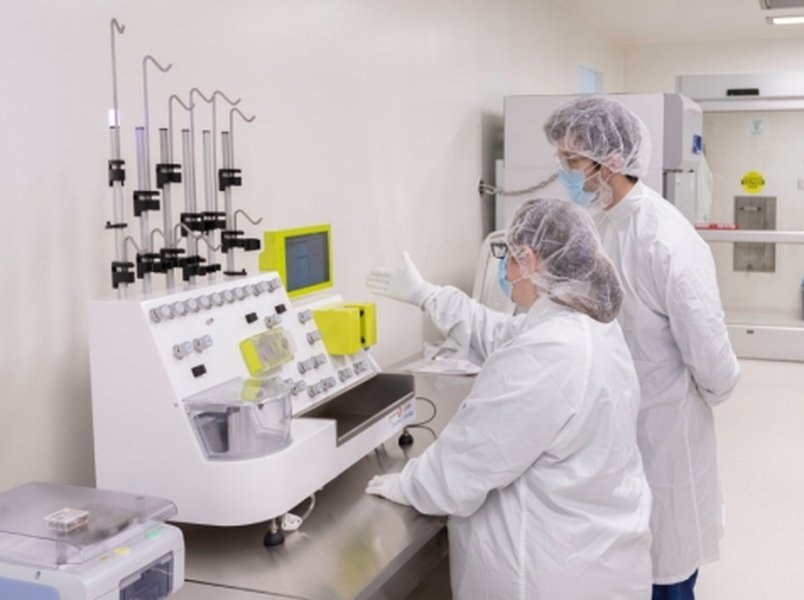
Visualization and Analysis
The Incucyte® Live-Cell Analysis System allows for continuous visualization and analysis of cell cultures, while the Intellicyt® iQue3 enables rapid characterization with minimal sample volumes. The Virus Counter® Platform assesses the quality and quantity of viral particles, supporting process development.
Regulatory Considerations
CAR-T cell therapy manufacturing is subject to stringent regulatory oversight to ensure product safety and efficacy. Regulatory bodies such as the FDA in the United States and the EMA in Europe have established guidelines and requirements for cell and gene therapy products. Key regulatory considerations include:
- Good Manufacturing Practices (GMP): Adherence to GMP regulations to ensure consistent product quality.
- Validation: Validation of manufacturing processes, testing methods, and equipment.
- Documentation: Comprehensive documentation of all manufacturing and testing activities.
Challenges and Future Directions
Despite significant advancements in CAR-T cell therapy, several challenges remain in ensuring consistent product quality:
- Variability in Starting Material: Patient-to-patient variability in T cell quality can impact manufacturing outcomes.
- Complexity of Manufacturing Process: The multi-step manufacturing process introduces opportunities for errors and inconsistencies.
- High Costs: The high cost of CAR-T cell therapy limits its accessibility to many patients.
Future directions in quality control for CAR-T cell therapy include:
-
Standardization: Developing standardized manufacturing protocols and testing methods to reduce variability.
-
Automation: Implementing automated systems to improve process control and reduce human error.
-
Advanced Analytics: Utilizing advanced data analytics and machine learning to predict product quality and optimize manufacturing processes.
The YouTube video titled "Meet Paula: Quality control for CAR-T manufacturing" offers a glimpse into the critical role of quality control in CAR-T cell therapy. It underscores the human aspect of this advanced medicine, showcasing how rigorous QC processes directly impact patients' lives. The video highlights the dedication and precision required to ensure the safety and efficacy of CAR-T cell products, making it a valuable resource for understanding the real-world implications of quality control in this field.
FAQ: Quality Control in CAR-T Cell Therapy
What is the first step in CAR-T cell therapy quality control?
The first step involves assessing the starting material, which is the patient's apheresis product. This includes cell count, viability, phenotyping, and testing for pre-existing conditions that may affect T cell quality.
What are in-process controls (IPCs) and why are they important?
In-process controls are monitoring steps implemented throughout the manufacturing process to ensure it remains within acceptable limits. These controls include monitoring cell culture, transfection efficiency, CAR expression, and testing for contaminants.
What tests are performed on the final CAR-T cell product before release?
The final product undergoes rigorous testing, including identity testing, potency assays, purity analysis, sterility testing, endotoxin testing, and mycoplasma testing, to ensure it meets all predefined quality specifications.
Why is standardization important in CAR-T cell manufacturing?
Standardization helps reduce variability in the manufacturing process, ensuring consistent product quality and improving the reproducibility of CAR-T cell therapy.
How do advanced technologies enhance quality control in CAR-T cell therapy?
Advanced technologies like flow cytometry, ddPCR, and live-cell analysis systems enhance the precision, sensitivity, and speed of quality control testing, leading to improved CAR-T cell product quality.
References
Last updated April 13, 2025